
COSTA RICA TRAVEL GUIDE
Responsible Travel in Costa Rica: Wildlife, Parks & Communities
Responsible travel in Costa Rica becomes practical through individual choices: the wildlife encounter you decline, the guide you hire, the way you use a beach and the number of regions you try to cover. The country’s nature reputation does not remove the need to examine an operator’s actual practices. Choose experiences that still have value when an animal remains out of sight or a protected area limits access.
Start by giving each place enough time. A slower route can reduce repeated transfers and leave more spending in the community where you stay. It also makes it easier to accept a weather cancellation, a wildlife-viewing limit or a local schedule without pressuring someone to bypass the rules for your itinerary.
Swipe horizontally if needed to compare all columns.
| Decision | Question that makes the claim concrete |
|---|---|
| Wildlife visit | Will animals remain unhandled and free from feeding or staged positioning? How does the operator keep an appropriate distance? |
| Nature guide | Who guides the actual route, what interpretation is offered and which permissions/admission are included? |
| Accommodation | What current certification or documented practice supports its claim? Ask about water, waste and local employment rather than relying on a green label. |
| Community experience | Who hosts and benefits, is the visit invited, and what photography or cultural rules apply? |
| Marine outing | How are vessel approach, wildlife distance, equipment and unsuitable conditions handled? |
| Souvenir | Who made it and from what material? Check restrictions on wildlife, plants and cultural objects before buying or exporting. |
Wildlife: Observe Without Turning the Animal into a Prop
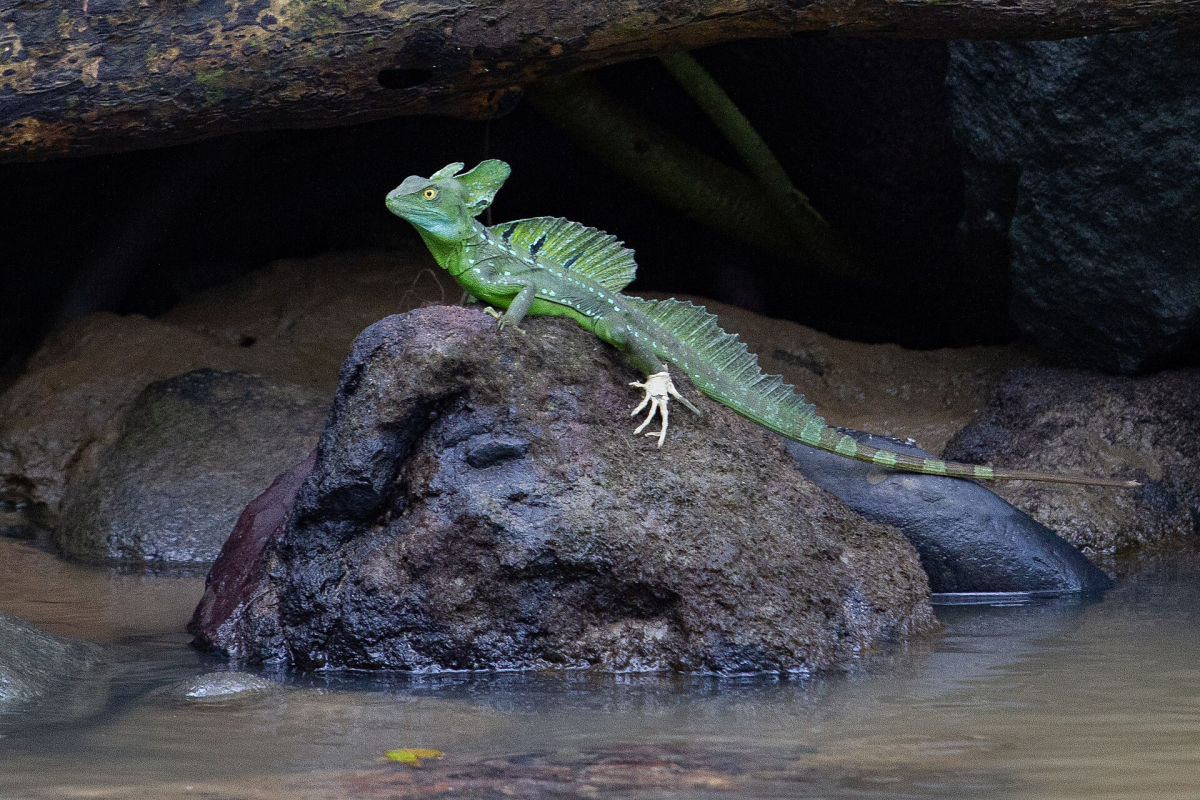
Keep wildlife wild. Do not feed monkeys, handle a sloth or ask someone to move an animal into a better position. Even a brief interaction can create stress, change behaviour or encourage a business model dependent on repeated handling. Choose an operator who explains the limits before you pay, rather than treating a close-up photograph as the main inclusion.
A rescue-centre visit can be educational, but the word “sanctuary” alone does not establish the standards. Read the actual visitor policy and ask how the animals’ needs determine the visit. For example, the official tourism listing for Toucan Rescue Ranch describes hands-off visits and no public handling of wildlife. This is an example of a clear stated rule, not a blanket endorsement of every centre.
On a trail, a guide can help interpret habitat, sounds and behaviour without producing a guaranteed sighting. Be prepared to photograph the setting instead of the animal. If an encounter becomes crowded or the animal changes behaviour, give it space and follow the guide or ranger rather than competing for the closest view.
Protected Areas: Respect the Place and the Current Rules
Buy admission through the correct protected-area process and follow the rules for the actual sector. A national-park name can contain several access routes with different requirements. Guides, boat transfers and accommodation can be separate arrangements; obtain a clear confirmation instead of assuming one ticket covers everything.
Stay on permitted trails, keep noise low and take waste away through the appropriate process. Do not leave food scraps for animals or treat a seed, rock or shell as a harmless keepsake. SINAC’s La Amistad visitor guidance explicitly addresses trail conduct, waste, wildlife feeding and removal of natural material. Read the specific rules for the park you will use, including what food or equipment is permitted.
Respect closures even when you can see a path or an older guide says it is normally open. A ranger’s instruction, nesting restriction or weather closure matters more than a photograph you planned months earlier. Choose a local alternative and avoid pressuring a guide to make an exception that could harm the habitat or their livelihood.
Coasts, Turtles and Marine Wildlife
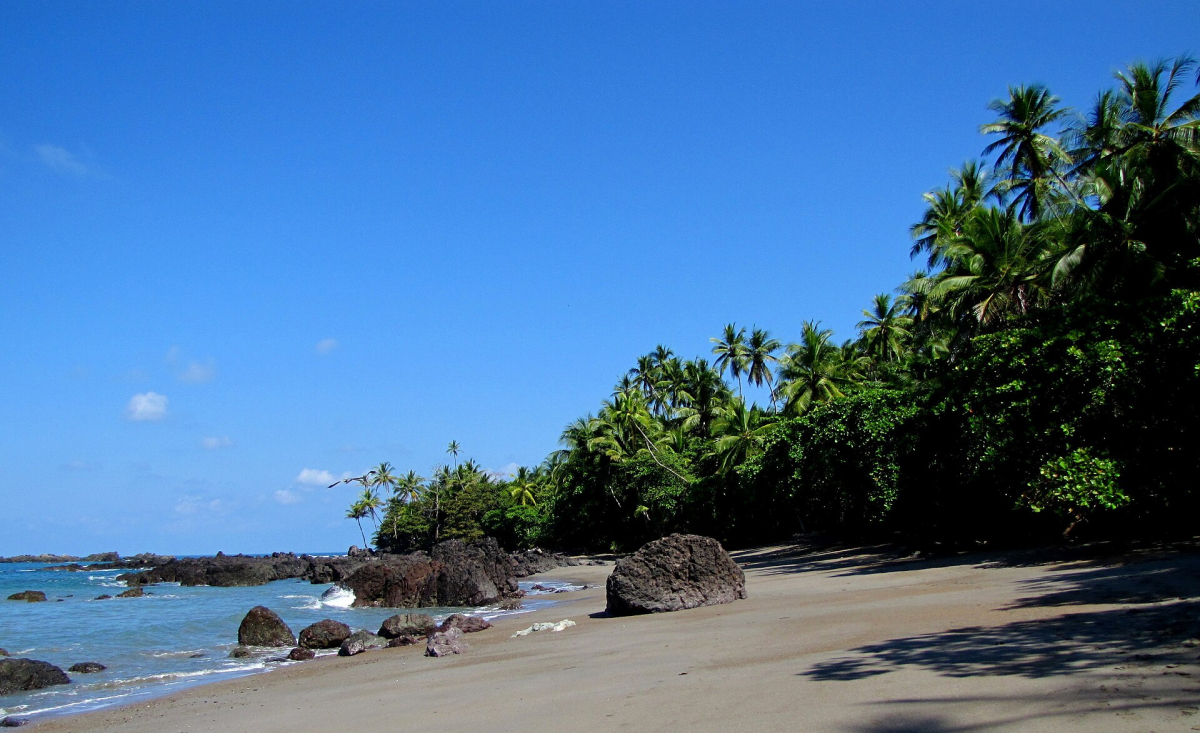
Choose turtle and other sensitive wildlife experiences through the authorised local arrangements, with a guide where required. Ask about light, flash, group conduct and permitted photography before the visit. Do not turn a nesting event into a crowd around an animal, and accept that a responsible viewing opportunity may limit the photographs you can take.
For whale or dolphin outings, ask how the operator handles distance and approach, what happens when conditions are unsuitable and what the trip offers without a sighting. A responsible product should explain uncertainty rather than using a guaranteed animal appearance to justify crowding or pursuit.
Keep beach use connected to the place: use established access, carry away litter and avoid disturbing vegetation or wildlife. A beach day should also respect swimmers, surfers, fishers and nearby residents. Use Beaches for the physical coast choices and follow current local safety instructions independently of conservation guidance.
Support the People Hosting the Visit

Choose locally based guides and businesses when their actual product suits your needs, and ask what your payment includes. A useful cultural visit gives the host control over what is shared and provides context beyond a staged stop for photographs. An invitation and agreed visitor process matter especially in Indigenous communities.
Ask before portraits or photographs of a private activity, artwork or ceremonial setting. Be clear about what you want to photograph and accept a refusal without negotiation. Paying for a tour does not grant unrestricted image rights or permission to enter a private space. For street scenes, leave room for ordinary work and movement rather than treating residents as part of a set.
For food and crafts, ask who produces the item and where. A named maker, material and origin can make the purchase more meaningful than a generic “local” label. Check the customs implications before buying animal, plant or cultural material; a seller’s willingness to sell does not establish your right to export or import it.
Assess Accommodation Claims and Your Own Resource Use
Costa Rica’s CST tourism-sustainability programme is an official certification framework. The ICT’s 2026 platform announcement points visitors toward the maintained programme information. Check the current business/category rather than accepting a recycled badge or treating any nature-themed property as certified.
A certification is useful evidence within its scope, not proof that every booking or activity has no impact. Ask about the practices that affect your stay: drinking-water/refill arrangements, waste separation, water use and how transport and local staff are organised. Avoid converting an operator’s broad claim into an unsupported promise about carbon neutrality or energy use.
Use the room and facilities thoughtfully: turn off cooling and lights when appropriate, follow the property’s water advice and request linen changes according to actual need. Carry a reusable bottle where a suitable refill source is confirmed. Reusability is useful when the item will genuinely be used; buying unnecessary equipment is not a requirement for a responsible trip.
Photography and Route Choices That Leave Room for the Place
Stay on the permitted side of barriers and avoid blocking paths with a tripod. A longer lens and patient observation can help without approaching wildlife, while a wide view can tell the story of habitat and human use. Do not use sound playback, bait or bright light to force a response unless the competent authority explicitly permits a specialised activity and it is appropriate to the setting.
Ask the landowner or protected-area authority about the rules for specialist equipment, commercial work or a drone before bringing it into use. General permission to visit is not permission for every form of filming. Keep the visit enjoyable for other people who did not come to work around your equipment.
Choose fewer bases when that fits the trip. Spend the freed time on an unhurried guided walk, a meal or an invited local activity. Photo Spots helps with location and composition planning; Itineraries helps keep the route workable without treating the country as a checklist.
Responsible Travel FAQs
Is holding a sloth acceptable because an attraction calls itself a sanctuary?
A sanctuary label alone does not establish good practice. Choose hands-off visits and read the actual wildlife policy rather than buying a handling photograph.
Does a park ticket include a guide and every transfer?
Not necessarily. Confirm admission, sector, guide, transport and any lodge services separately.
Can I take shells or seeds home as souvenirs?
Do not assume permission. Protected-area, export and destination-import rules can apply; leave natural material and check the relevant authorities.
What does CST mean for a Costa Rica business?
It is the official tourism-sustainability certification programme. Verify the current business and scope rather than treating a badge as a promise of zero impact.
Does paying for a community visit include unrestricted photography?
No. Follow the host’s agreed rules and ask before portraits, private activities or sensitive cultural photography.
Should an ethical wildlife operator guarantee a sighting?
Wildlife remains uncertain. Look for clear distance, access and cancellation practices and an experience that has value without forcing an encounter.



