
COSTA RICA TRAVEL GUIDE
Costa Rica Photo Spots: Volcanoes, Cloud Forest, Waterfalls and Wildlife
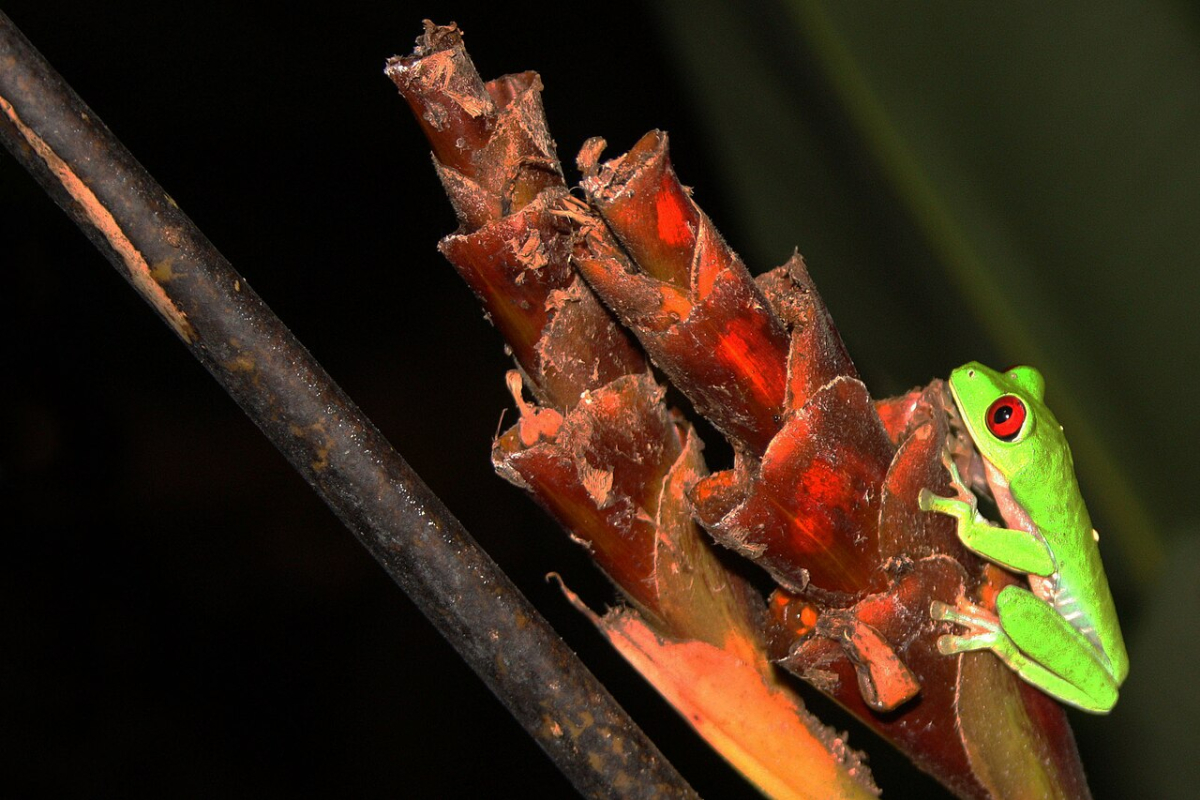
Plan the photograph around the visit
Costa Rica rewards patient photography more than a route built around reproducing every famous image. Weather changes the visibility of a volcano, forest light changes rapidly and wildlife determines its own appearance. Choose a few subjects that belong to the places where you will stay, then leave time to return or wait without obstructing other visitors.
A published photograph is a view from one moment and position, not a promise that the same light, access or animal will be available. Use the location notes below to choose a realistic subject. Our Attractions guide explains the wider visits, and Map & Regions helps avoid long photographic detours.
Arenal: work with the volcano and its surroundings
A clear view of the cone can be striking, but cloud may conceal it for much of a visit. Build an alternative frame around the foreground, forest, water or changing weather instead of making the whole outing depend on a cloud-free summit. Keep the photograph honest about its actual viewpoint; a distant Arenal image does not establish that it was taken inside the national park.
Choose a permitted public viewpoint, a named reserve trail or an accommodation view where you have access. Do not stop a vehicle on an unsafe road edge to imitate a composition. If using a hotel or private property, ask about visitor access and photography rather than assuming a scenic lawn is open to everyone.
Río Celeste: photograph the waterfall from the authorized route
The waterfall's colour, white water and surrounding forest provide several subjects without leaving the designated route. The steps and viewing area require consideration for people passing; a tripod or long pause should never block access. Wet surfaces and water droplets can make equipment handling harder, so keep the camera secured while moving.
Colour and flow vary with conditions. Avoid processing an image so aggressively that it promises a blue intensity every visitor will see. SINAC prohibits entering the river and drones inside Tenorio National Park; an image taken in water elsewhere should not be used to imply that swimming is allowed here. Check the park's current rules before your visit.
Monteverde: let cloud-forest details carry the image
Moisture, trunks, mosses, leaves and layers of vegetation can be as effective as a distant canopy view. Overcast weather may support close detail even when a wider viewpoint disappears into cloud. Work from the trail and protect equipment from rain; do not step into vegetation to remove an inconvenient branch from the frame.
Choose the reserve and its actual route first. A photograph of a hanging bridge may belong to a separate attraction rather than the cloud-forest reserve named in an itinerary. Identify that distinction in your notes and captions. The tourism board introduces Monteverde Cloud Forest and Santa Elena as distinct visits.
Uvita: read the tide before walking for the whale-tail view
The tombolo's shape is different when seen from beach level and from an elevated image. Do not expect the latter composition from every point on the sand. At ground level, shoreline curves, texture and the changing water can make a useful photograph without trying to recreate an aerial view.
Access depends on the tide and current park instructions. Confirm when to turn back and leave a margin for the return; photography can make it easy to lose track of water moving across a route. Never treat a dramatic composition as a reason to remain beyond the safe or permitted window. Use SINAC's Marino Ballena information for the official visitor context.
Tortuguero: separate canal photography from turtle viewing
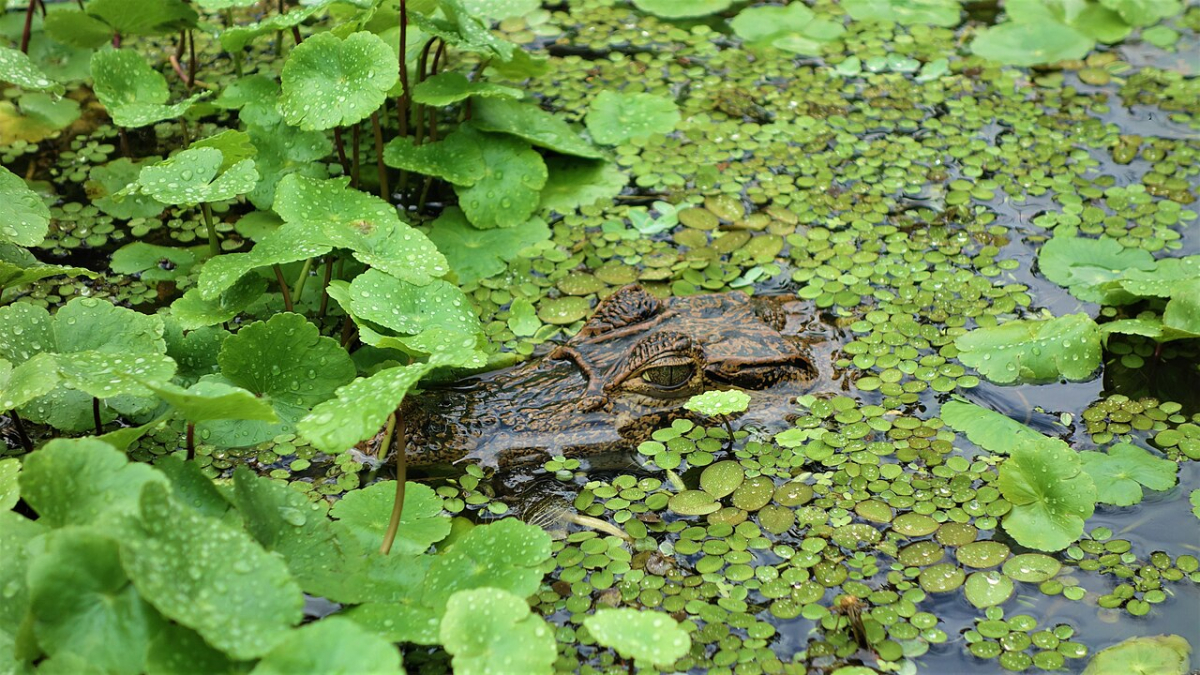
A canal outing offers reflections, vegetation and possible wildlife, but the boat is a shared moving space. Keep bags compact and equipment secure, avoid sudden movement and follow the operator's instructions before changing position. Ask how photography fits the outing rather than assuming a general wildlife trip will wait indefinitely for one frame.
Authorized nighttime turtle viewing has protective rules and may restrict cameras, lights and photography. Check these before carrying equipment onto the beach, and accept that watching without a photograph can be the correct experience. Do not illuminate, touch or move wildlife for a picture. The official Tortuguero guidance explains the nesting setting and controlled access.
Wildlife: use distance, observation and a responsible guide
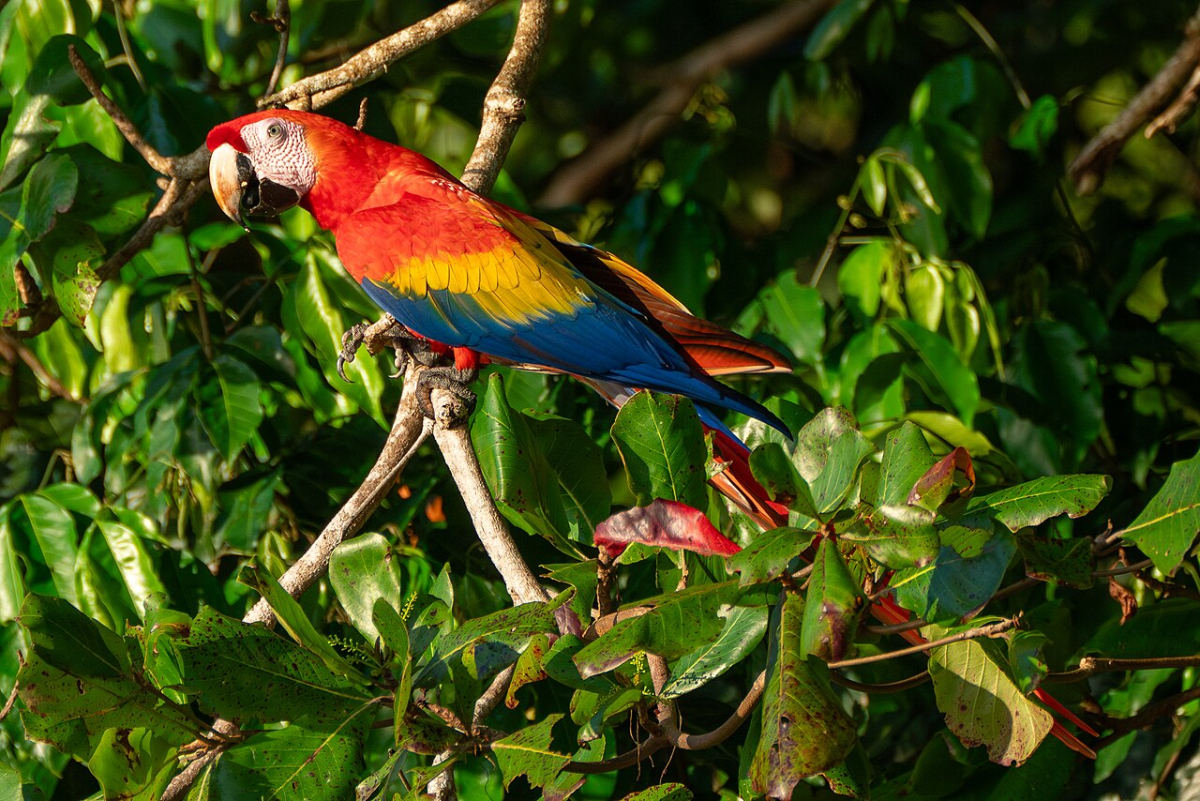
A longer lens or binoculars allows you to observe without approaching. Keep the trail open, follow the guide's cues and stop if the animal's behaviour suggests disturbance. Never feed, handle, bait or reposition an animal, and do not support an encounter designed around holding wildlife for a souvenir photograph.
Identification matters after the outing too. If the species or exact location is uncertain, use an honest description rather than assigning a famous reserve or a confident species name from appearance alone. Keep a simple location and permission record with the image. Flash, playback, lights and drone use require specific rule checks; general admission is not authorization. Read National Parks & Wildlife for visit planning.
Culture and food: ask before making the close photograph
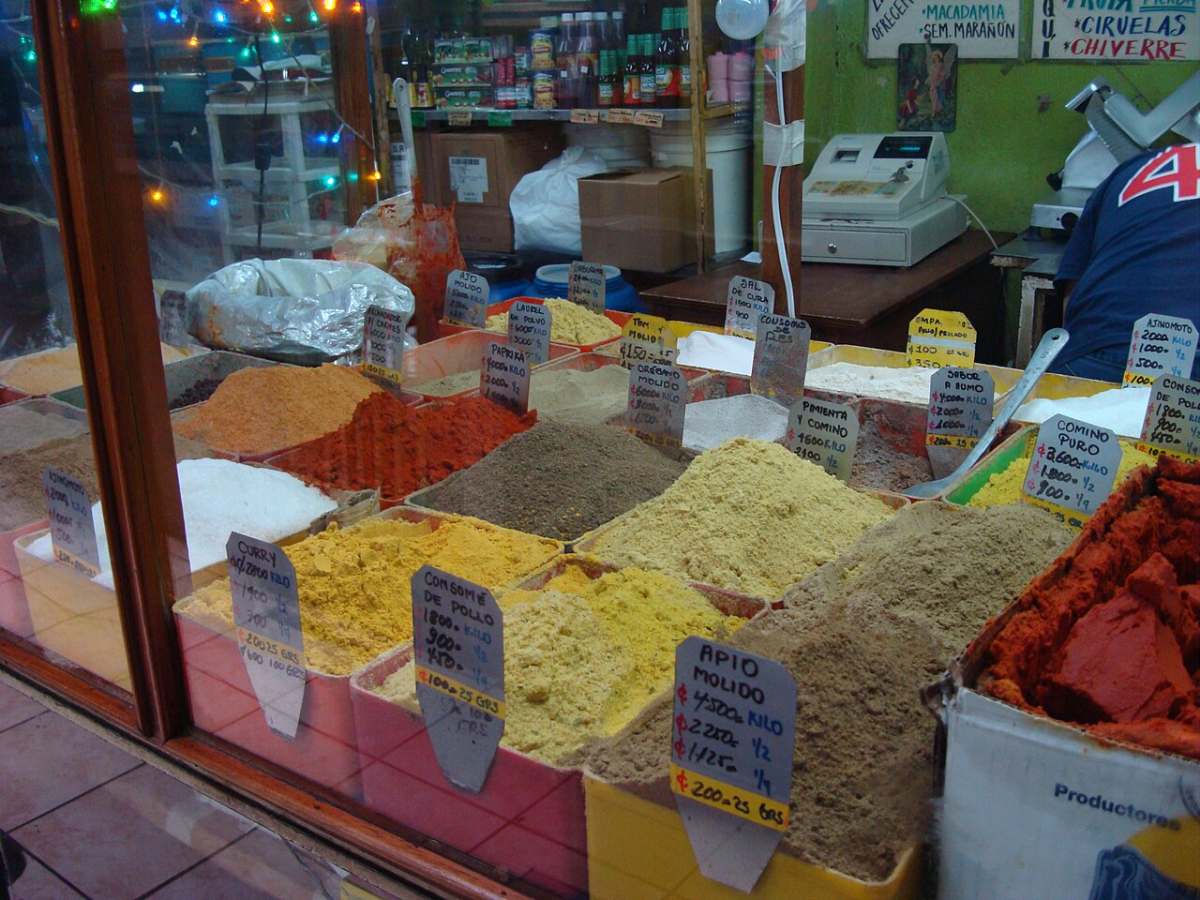
A market, meal or workshop can tell a story that landscape images miss. Ask the person involved before photographing them, and explain how the picture will be used when that matters. Buying a product or joining a tour does not create consent to photograph a maker, child or ceremony.
Keep a dish's actual name and location in your notes instead of presenting every rice-and-beans plate as the same recipe. At museums and cultural events, follow institution rules and avoid blocking participants. History & Culture provides context for community visits.
Work with sunset light without promising a particular sky
A Pacific coastal stop can offer late-day light over the ocean, but cloud, local orientation and your actual position determine the frame. Check the safe return route before choosing a quiet viewpoint, and leave while you can still negotiate unfamiliar steps or ground. A sunset image from an unidentified beach should be described as such rather than assigned to a named resort or bay.
Look for reflections, silhouettes and changes in the water as well as the sun itself. Keep a land-based alternative when tides or surf make the shoreline unsuitable. A past colourful sky is inspiration, not a weather forecast or evidence of a permanently accessible photography spot.
Explore specific photography subjects
Use these focused guides for their own subject and practical photography decisions: Poás Volcano, Río Celeste, National Theatre, San José, La Paz Waterfalls, Rainforest, Red-Eyed Tree Frog and Surfing.
Carry less and protect the visit
Use weather protection that can be fitted quickly, keep spare power available and decide which equipment is worth carrying over the whole trail. A large kit is less useful if it makes a steep return difficult or fills a small boat. Confirm tripod and bag restrictions with the actual venue.
Protect files and belongings as carefully as the composition. Do not leave camera equipment in a parked vehicle or unattended on a beach. Access and rule sources were reviewed on 2 November 2026; verify current restrictions for your visit and follow staff instructions on the day.
Photo Spots FAQs
Can I expect the same image shown in a guide?
No. Light, cloud, tide, wildlife and access change. Use a reference to understand the subject, then make a photograph that accurately reflects your permitted viewpoint and actual conditions.
Can I enter Río Celeste for a photograph?
No. SINAC prohibits entering the river inside Tenorio National Park. Use the authorized trail and viewing areas, and do not imply that an image from elsewhere establishes permission here.
Is the Uvita whale-tail always visible from the beach?
Its appearance depends on viewpoint and tide, and the ground-level view differs from an aerial image. Follow the park’s permitted tide window and leave enough time to return.
Can I photograph nesting turtles at Tortuguero?
Ask the authorized operator about the current photography and equipment restrictions before the outing. Protective controls may prevent using a camera or light, and observing without a photograph may be required.
How should I label a wildlife photo if I am unsure of the species?
Use an accurate general description and retain the location notes rather than inventing a species identification. Ask a knowledgeable guide or specialist if a precise identification is necessary.
Does a ticket give me permission to use a drone or photograph people?
No. Equipment rules and personal consent are separate from admission. Check the actual venue or protected-area policy, and ask people before making close or identifiable cultural photographs.



