
COSTA RICA TRAVEL GUIDE
Best Time to Visit Costa Rica: Weather by Coast & Region
The best time to visit Costa Rica depends on the coast, elevation and experience you are choosing. A Pacific beach holiday, a Caribbean stay and a Monteverde forest visit do not share one reliable “best month”. Start with your main activity, compare the region’s seasonal tendency, then keep weather-sensitive days flexible.
The Costa Rican Tourism Board’s climate guide, checked on 2 November 2026, distinguishes the Pacific’s more marked seasons from the Caribbean’s year-round rainfall. The patterns below help choose a trip; they are not a forecast for a particular week.
Swipe horizontally if needed to compare all columns.
| Region | Seasonal tendency and planning response |
|---|---|
| Guanacaste / north Pacific | Usually the clearest dry-season distinction. A dry-season coast stay can fit beach priorities, but heat, wind and local water conditions still matter. |
| Central and south Pacific | Dry-season travel can simplify outdoor plans; wetter periods need flexible days and careful road/access checks. The south is a poor place to promise reliably dry afternoons. |
| Caribbean coast | No sharply defined dry season. February–March and September–October are relatively drier tendencies, not rain-free guarantees. |
| La Fortuna / northern plains | Build a mixed nature-and-rest programme that still works when cloud obscures Arenal. A visible volcano is a bonus rather than a booking inclusion. |
| Monteverde / highlands | Elevation, wind and mist matter as much as the national season label. Pack a warm layer and rain protection even on a Pacific dry-season itinerary. |
Pacific Coast: Dry Season, Green Season and Transitions
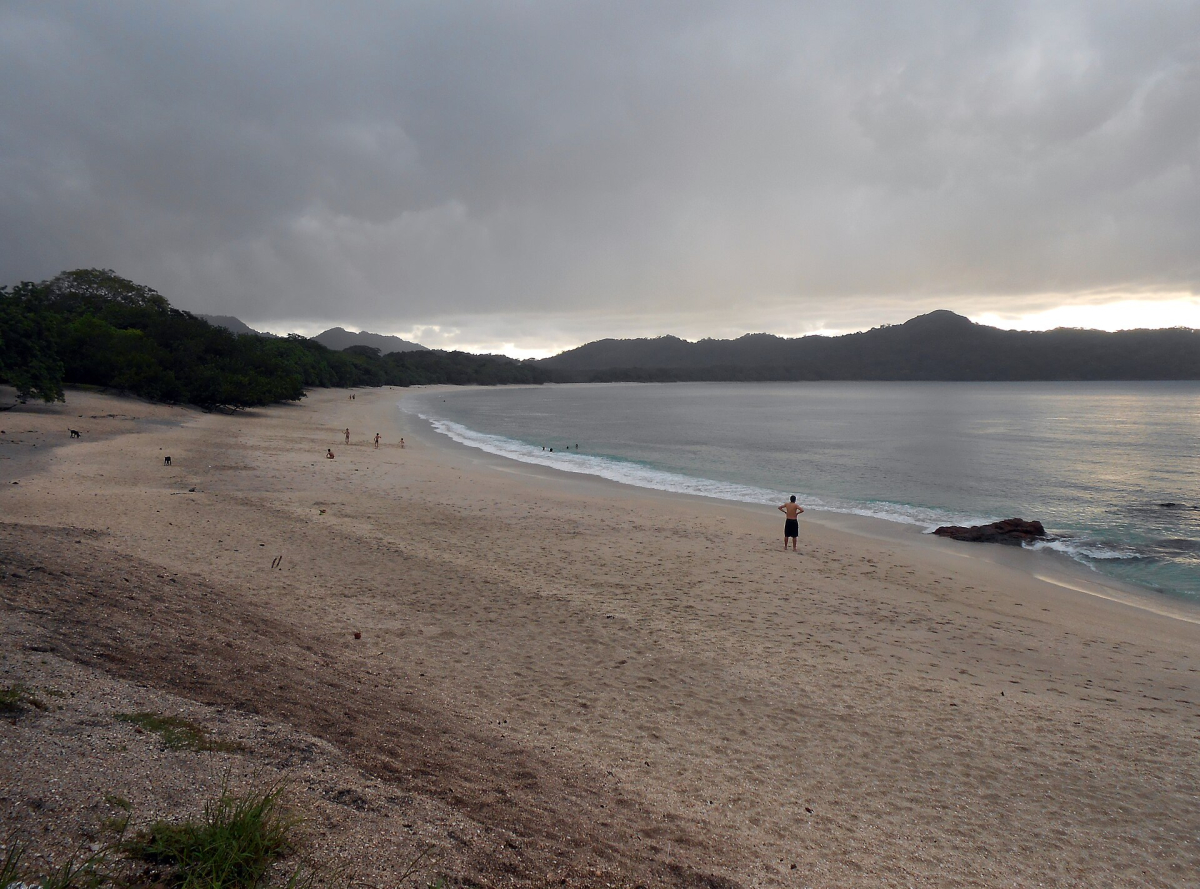
ICT describes December to March as the Pacific dry season, with April and November as transition months; May to October is the main rainy period. The northern and southern stretches differ, and a transition month does not switch character on its first day. Choose refundable or movable outdoor plans when exact conditions determine whether an activity is enjoyable.
For a Guanacaste beach trip, the dry-season pattern can support a route with fewer wet-weather alternatives, but it does not establish calm sea conditions at a particular beach. A surf break, a sheltered-looking bay and a family swim are different decisions. Check Beaches for location choices, then follow local warnings on the day.
During wetter Pacific months, make the most weather-dependent outing the first flexible opportunity rather than the final non-movable afternoon. Keep travel and exposed activities early when current forecasts support that choice, but avoid assuming rain always arrives at the same hour. A sustained weather system can affect an entire day and its access roads.
Caribbean Coast: Choose It on Its Own Terms
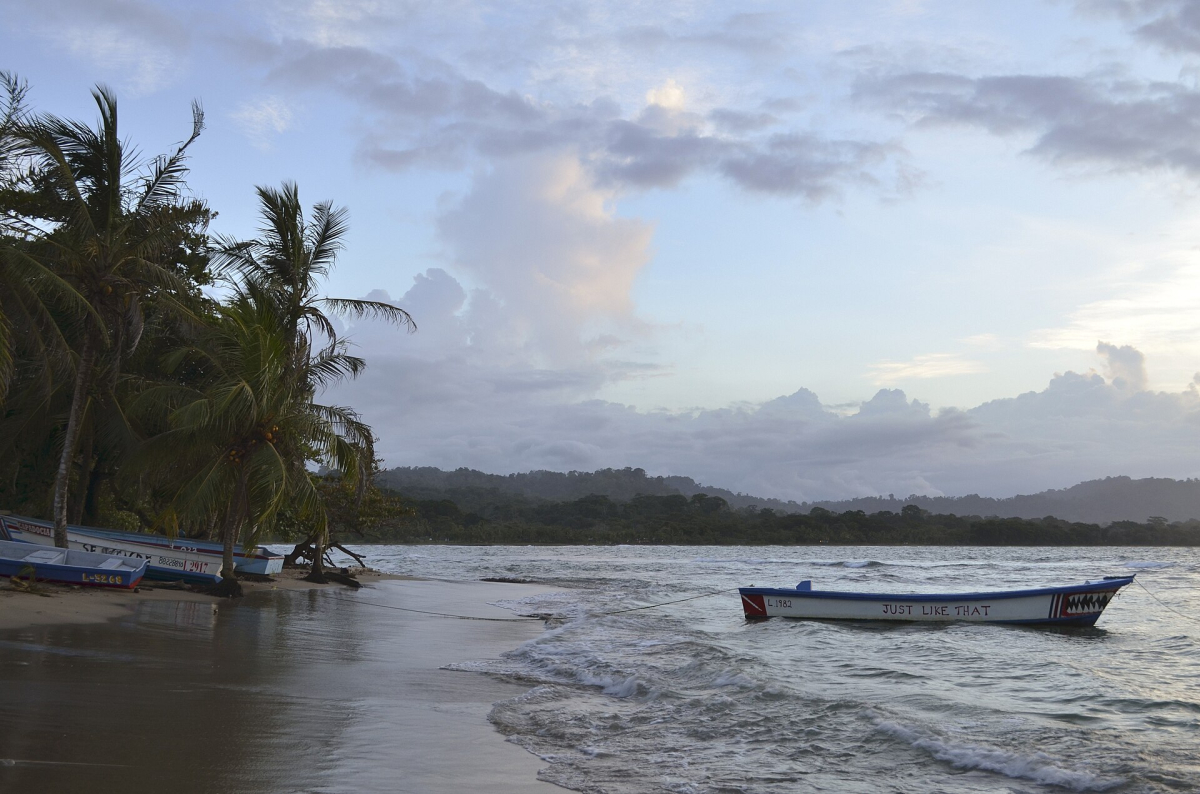
The Caribbean pattern is different: ICT identifies relatively drier periods in February–March and September–October, with substantial rain still possible. That makes the coast worth considering during some wetter Pacific months. It does not mean driving across the country will always solve bad weather, or that a Puerto Viejo forecast describes Tortuguero exactly.
Cahuita and Puerto Viejo work well when coastal walks, Afro-Caribbean food and a slower base are central to the trip. Confirm trail and sea conditions separately. Tortuguero adds canals, boat logistics and a protected-area visit; turtle activity has its own timing, access controls and guide requirements. Do not choose a month solely from a photograph of nesting turtles.
If a Caribbean stay is the priority, give it consecutive nights. A last-minute coast change can mean cancelling transport and rooms rather than making a short local detour. Assess the complete itinerary, including the return to your international gateway, before buying a weather-based promise.
Monteverde, La Fortuna and the Central Valley
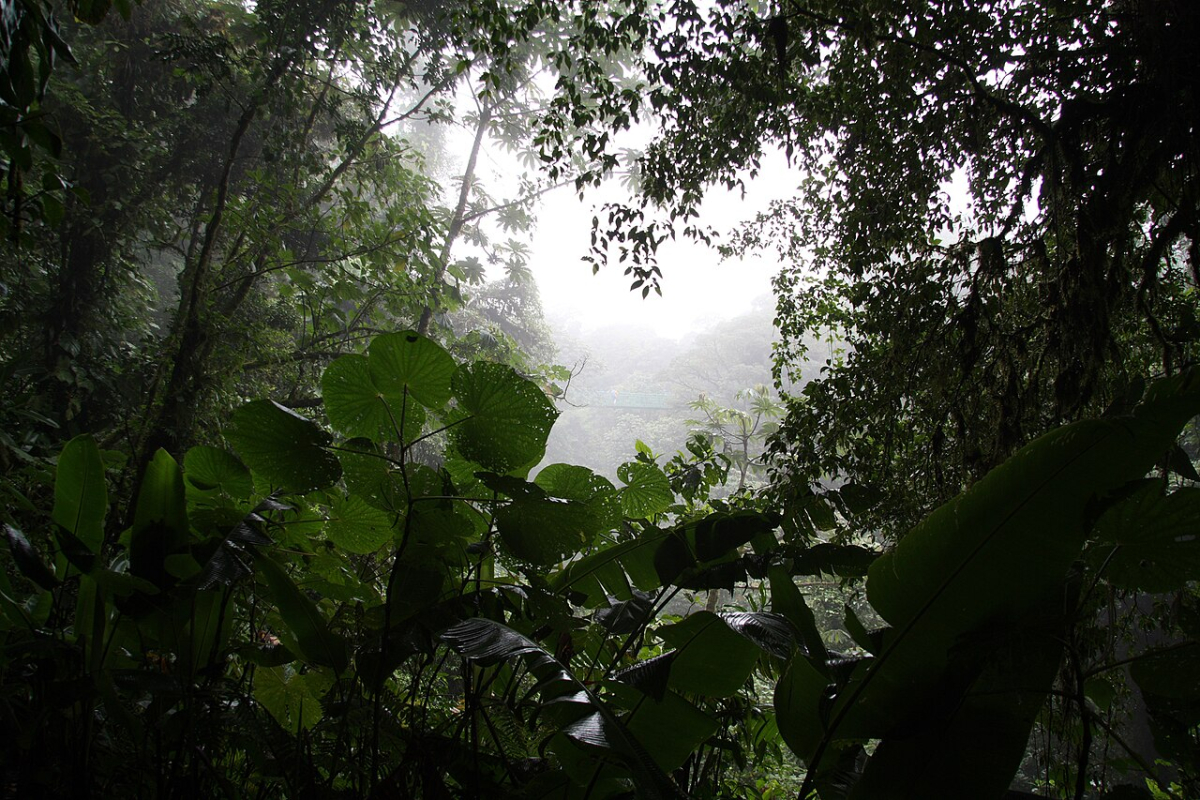
A highland forest can be misty precisely when the landscape is most atmospheric. In Monteverde, choose footwear, a rain shell and an extra layer that let you enjoy the reserve without depending on distant views. Ask your accommodation about drying space; repeated forest days are less comfortable when shoes never recover overnight.
La Fortuna offers different ways to use a mixed-weather day. A booked forest experience, a farm visit and a hot-springs session have different exposure and cancellation conditions. Cloud around Arenal should not turn the entire stay into a failed volcano-view holiday. Choose the experience itself and read the operator’s conditions.
San José and the Central Valley can provide museums, coffee experiences and an arrival or departure pause. An indoor option is useful when wider travel is disrupted, but opening days and advance admission still need checking. Avoid planning a distant volcanic viewpoint immediately before an international flight.
Wildlife, Holidays and Booking Pressure
For wildlife, identify the species, location and ethical viewing method before selecting dates. A whale-watching departure, a birding walk and a controlled turtle visit have different seasonal and operational considerations. Choose operators who explain uncertainty and appropriate distance; no month guarantees an animal will appear.
Christmas/New Year, Easter travel and other school-holiday periods can affect availability and road demand. Compare the actual room, transfer and activity quotes for your dates instead of treating every day in a broad season as equally expensive. A quieter period can offer a different atmosphere, but a lower room rate may be offset by a longer transfer or a weather-driven change of plan.
If you can choose dates freely, decide which compromise you prefer: a more sought-after period for a Pacific coast stay, or more flexibility and fewer fixed outdoor commitments in a wetter period. Neither makes sense without an accommodation base and transport plan that still work when conditions change.
Use Forecasts When They Can Actually Help
Seasonal planning belongs months ahead; short-range forecasts belong closer to departure and each outing. Check the Instituto Meteorológico Nacional regional forecast for the area you will visit, then ask the park or operator about access. A national icon showing rain is less useful than a regional advisory and an answer about your actual road, trail or boat departure.
Pack a breathable waterproof layer, a way to protect documents and electronics, footwear suited to the route, and enough dry clothing for transfers. Sun protection and drinking water still matter on cloudy days. For an itinerary that changes elevation, keep a warm layer accessible rather than buried in a suitcase.
Leave one genuinely movable day in a longer nature trip and avoid stacking every paid activity on consecutive fixed dates. Use Itineraries to decide what can be dropped locally rather than making an exhausting cross-country escape when the forecast changes.
Best Time to Visit FAQs
What is the driest time on Costa Rica’s Pacific coast?
ICT describes December–March as the main dry season, with April and November as transitions. Regional variation and individual weather systems still matter.
Is September always a bad month for Costa Rica?
No. The Caribbean has a different rainfall pattern, and September–October can be relatively drier there. Choose the region and route deliberately.
Will Arenal be visible in the dry season?
There is no visibility guarantee. Build the La Fortuna stay around nature and experiences that still have value when cloud covers the volcano.
Do I need a warm layer in Monteverde?
A layer is useful for the higher, often misty setting. Pack for your actual activities and accommodation rather than a single national temperature.
Can I rely on afternoon rain during green season?
No. It is a broad tendency in some Pacific areas, not a fixed daily timetable. Read current regional forecasts and operator access advice.
How should I plan wildlife around the season?
Choose the species and location, check the current ethical operator or protected-area arrangements, and keep sightings uncertain rather than treating them as a ticket inclusion.



