
COSTA RICA TRAVEL GUIDE
Costa Rica History & Culture: Museums, Communities, Coffee & Regional Traditions
Look beyond a single national story
Costa Rica's cultural life is not a decorative interval between wildlife stops. Indigenous communities, Afro-Caribbean traditions, farming regions and urban institutions offer different ways to understand the country. Their histories overlap, but they should not be compressed into one idea of a typical village or a uniform national identity.
A useful cultural route combines a place that explains the past with an encounter rooted in the present: a museum and a market, archaeological interpretation and a locally hosted activity, or a regional craft visit and time in the surrounding town. Spanish place, food and community names are part of that context; they do not need invented English replacements.
Give San José a cultural day
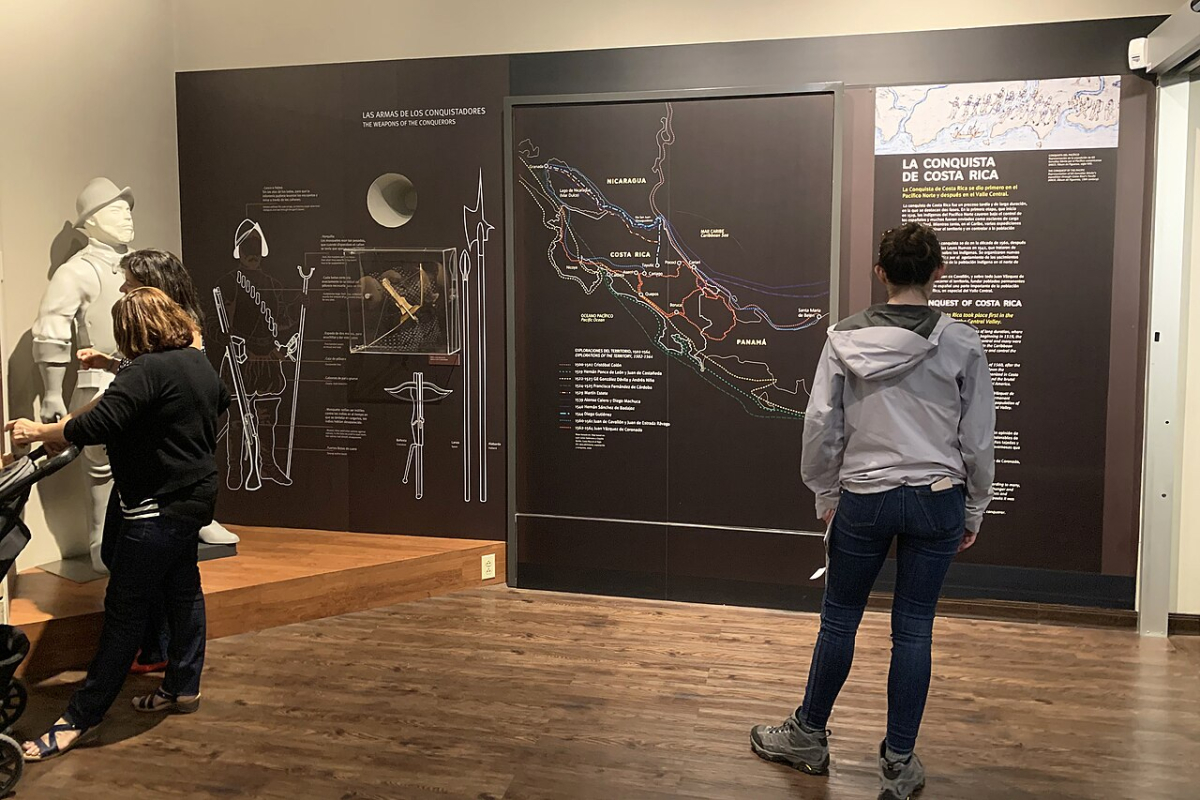
San José is a base for learning about archaeology, art and political history as well as experiencing an ordinary working city. Select museums by subject, rather than assuming that several collections will tell the same story. Leave time to read interpretation and notice the buildings themselves. Plan lunch and transport between stops so that the day does not become a sequence of hurried entrances.
Choose a museum for the question you want answered
The National Museum is a useful starting point for a wider historical framework. The Jade Museum offers a different focus on pre-Columbian material culture, while other collections address art, communities and regional history. Check the institution's own visitor information for current exhibitions, closures and access; an older tourism directory is an introduction, not the final timetable. The Costa Rica Tourism Board's museum directory helps identify subjects and locations.
A museum visit also gives later archaeological and craft stops context. Read who made an object, how it was used and what is known about its provenance, rather than treating jade, gold or stone as a list of valuable materials. Respect photography restrictions, especially around sensitive collections and temporary exhibitions.
Understand the Diquís landscape at Finca 6

The stone spheres are more meaningful when encountered as part of an archaeological landscape, with settlement remains and interpretation. Finca 6 in the Palmar Sur/Osa area is the practical public museum-site starting point. Use the National Museum's current visitor guidance to confirm access rather than assuming that every site associated with the wider heritage group can be visited independently.
Stay on the permitted route and let evidence guide the story. A striking shape or alignment is not permission to state a speculative function as a proven fact. The site suits a South Pacific journey, and deserves its own time rather than a hurried stop on the way to a boat. Our Attractions guide places it in route context.
Make room for Afro-Caribbean culture
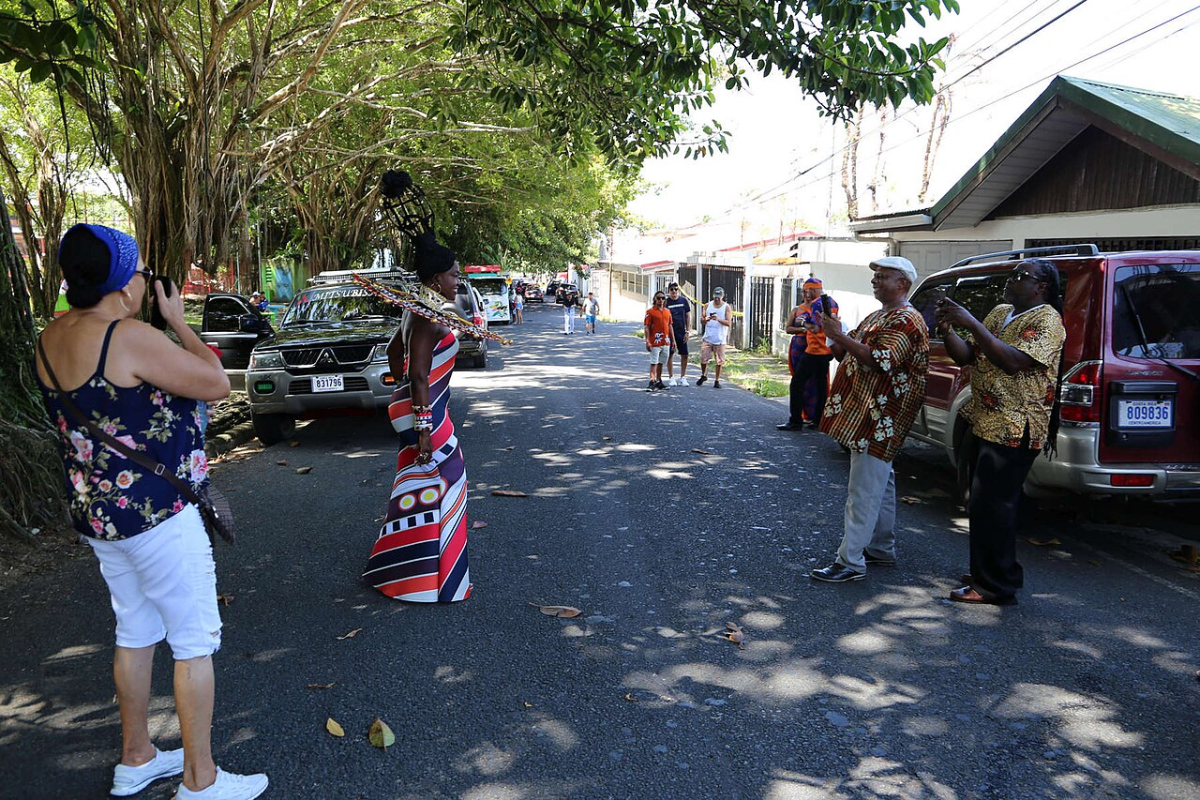
The Caribbean side has a cultural setting that deserves more than a beach photograph. Music, food, local histories and everyday community life add depth to a stay around Limón, Cahuita and the southern Caribbean. Listen and ask rather than arriving with an expectation that a performance or celebration will always be available for visitors.
Choose locally run food and cultural experiences where the host explains what is being shared. A dish, song or festival has a context, and the most useful visit is often a conversation or a properly scheduled event rather than an unsignposted detour. Read the tourism board's cultural introduction, then confirm specific activities and events with their organizers.
Book Indigenous community visits through the hosts

Indigenous communities are contemporary societies, with their own decisions about tourism, land and cultural knowledge. A responsible visitor starts with an invitation and an identified host. Ask what the activity includes, whether interpretation is provided, who receives payment and which places or subjects are private. Do not assume that a village location on a map means homes or community lands are open to independent sightseeing.
Photography needs a separate conversation. Permission to take part in a visit does not automatically include permission to photograph people, children, objects or ceremonies. Accept a refusal without negotiation. A small group, enough time and direct questions about how to behave are more valuable than trying to collect several brief encounters on one day.
Meet regional craft traditions in Guanacaste
Guaitil and San Vicente are useful places to learn about regional ceramic traditions, rather than buying an anonymous object at the end of the trip. Where a workshop welcomes visitors, ask about the maker, materials and techniques, and whether the piece was made locally. Watching a demonstration and hearing its context can be more memorable than bargaining for the lowest price.
The tourism board's Guanacaste cultural guide introduces this regional setting. Confirm workshop visits in advance and allow time in the town around them. A genuine craft purchase should be transportable and lawful; never buy archaeological material or products taken from protected wildlife.
Read public art and old photographs in their time
Public art can record a city event without remaining a current attraction in the same location. San José hosted a CowParade exhibition in 2008; contemporary reporting described its closing parade and auctions. A historic photograph of a decorated cow therefore documents that setting, rather than proving the original display is still in place.
For a current art walk, use a dated institution or municipal programme and identify the actual work and maker. Do not promise that an unidentified sculpture from an old gallery can still be visited, or rename an artwork to fit a modern travel theme. Sources checked 2 November 2026; the 2008 exhibition is historical context.
Use food and farming to connect culture with daily life
A coffee or cacao experience is strongest when the host connects cultivation, processing and local livelihoods. Ask questions about the farm you are visiting rather than expecting a generic origin story to describe the whole country. A tasting, processing demonstration and meal are different inclusions; choose the visit for what you want to learn.
Markets and sodas also deserve an unhurried place in a route. Read our Food & Drink guide for ordering and regional food choices. Check the Festivals & Events guide before planning travel around a celebration, because a recurring cultural tradition is not a confirmed future event schedule. Sources reviewed 2 November 2026.
History & Culture FAQs
Is Costa Rica mainly a nature destination?
Nature is a major reason to visit, but archaeology, museums, living community traditions, food and regional crafts can give a trip a fuller picture. Include cultural time deliberately rather than only as a rainy-day substitute.
Which museum should I choose in San José?
Choose by subject and current exhibitions. The National Museum offers a wider historical frame, while the Jade Museum has a more focused collection. Confirm the institution’s own hours, accessibility and ticket arrangements.
Can I visit Indigenous communities without a booking?
Arrange a visit through an identified community host or a provider with transparent local partnerships. A mapped village or road does not establish an invitation to enter homes, private areas or community land.
May I photograph people during a cultural visit?
Ask clearly before making the photograph, and respect limits on the subject and use. Permission to join a tour does not automatically include consent to photograph people, children or ceremonies.
Where can I learn about Costa Rica’s stone spheres?
Finca 6 is the public museum-site starting point in the Diquís/Osa area. Check the National Museum’s current information, because other sites associated with the heritage landscape may have restricted access.
How can I buy crafts more responsibly?
Ask who made the object and where, pay a fair agreed price and choose lawful locally produced work. Avoid archaeological material and products taken from protected plants or animals.



