
COSTA RICA TRAVEL GUIDE
Costa Rica Travel Guide: Regions, Routes & Trip Planning
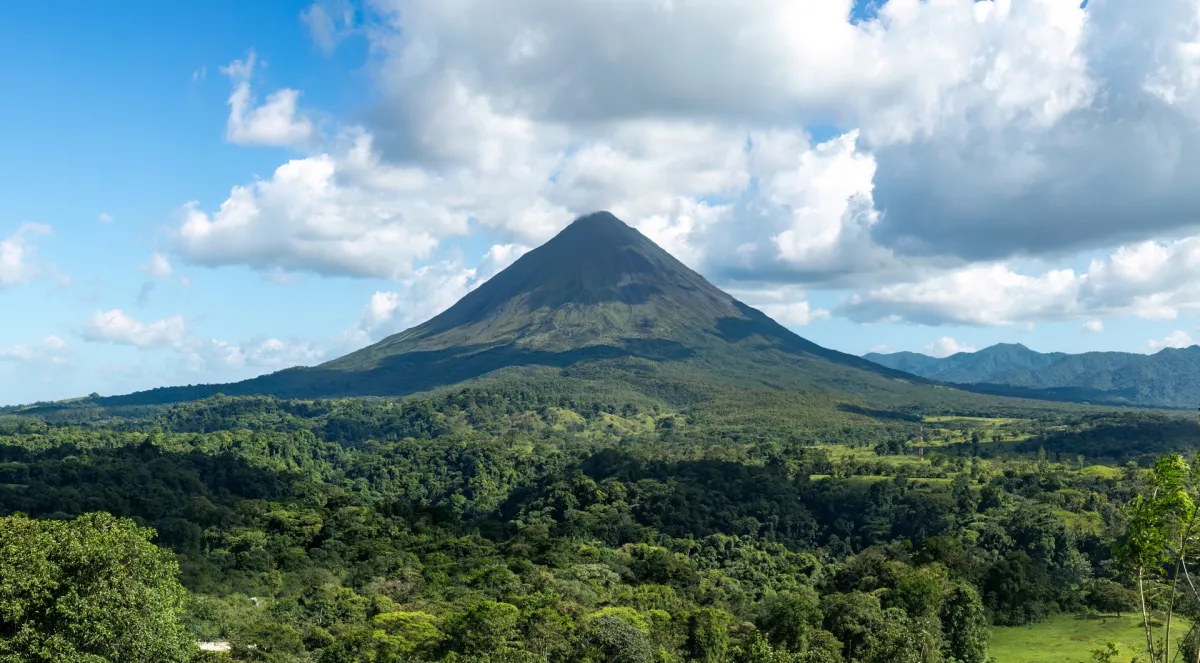

Costa Rica rewards a trip built around a few well-chosen bases. The country brings together Pacific beaches, Caribbean coastal communities, mountain forests and wildlife-rich lowlands, but the experience changes sharply between them. Decide whether your priority is forest observation, a beach stay, an active journey or a slower combination before joining places on a map. A compact-looking country does not make every transfer a short one.
For a first visit, choose one inland area and one coast, then leave room for an arrival or departure night when the flight schedule requires it. La Fortuna and Arenal, Monteverde, Manuel Antonio, the Nicoya Peninsula, Tortuguero and the southern Caribbean serve different purposes. Trying to include them all in a short holiday turns the journey into a sequence of packing days. This country guide helps you select a direction; the linked topic guides supply the detailed decisions.
Choose the Kind of Costa Rica Trip You Want
A forest-and-coast route is a useful starting point when your group wants variety. Give your inland base enough time for a guided nature outing and a quieter morning before moving to the coast. Choose the beach area for its actual shore, local transport and accommodation setting, rather than assuming all Pacific towns offer the same experience. A rental car is one option, but a route arranged around transfers and local excursions may fit travellers who prefer to avoid unfamiliar driving.
A wildlife-led trip needs a different rhythm. Early starts, time with a guide and periods of quiet observation matter more than the number of places visited. Tortuguero and the Osa Peninsula should earn their place in the route because of their habitats and access arrangements. They are not interchangeable overnight add-ons. A beach-led holiday can be equally deliberate: settle in one area, compare the nearby shorelines and retain the option to do less when the weather changes.
On smaller screens, swipe or scroll horizontally to read the full table.
| Your priority | Where to investigate | Decision before booking |
|---|---|---|
| A first inland-and-coast trip | La Fortuna / Arenal with a selected Pacific base | Choose an airport and transfer sequence that fit the available nights. |
| Cloud forest and close observation | Monteverde and nature reserves | Choose the actual reserve and trail, not just the name of the town. |
| Beach time with varied local outings | Guanacaste, Nicoya or the central Pacific | Compare surf, shade, access and facilities at the individual beach. |
| Caribbean coast and culture | Cahuita and Puerto Viejo | Use Caribbean weather patterns and check the final accommodation location. |
| A trip centred on protected habitats | Tortuguero or Corcovado | Resolve entry, guide and boat arrangements before fixing surrounding nights. |
La Fortuna and Arenal: An Inland Base for an Active Trip
La Fortuna is a practical place to compare guided wildlife walks, volcanic landscapes and thermal-water experiences. The town, the wider Arenal area and individual reserves are different locations. A hotel outside town may put you closer to its own grounds while making meals and independent transport less convenient. Decide how you want to spend the evenings as well as the day before choosing the address.
Choose a small number of activities that differ from one another. A forest walk, a carefully chosen viewpoint and a thermal visit can offer more variety than several near-identical paid trails. Check what the ticket covers and how the operator handles weather. An image of a volcano is an introduction to the landscape, not a promise that the summit will be visible during your stay. Things to Do explains how to compare experiences; Hotels covers named properties.
Monteverde: Make Time for the Cloud Forest
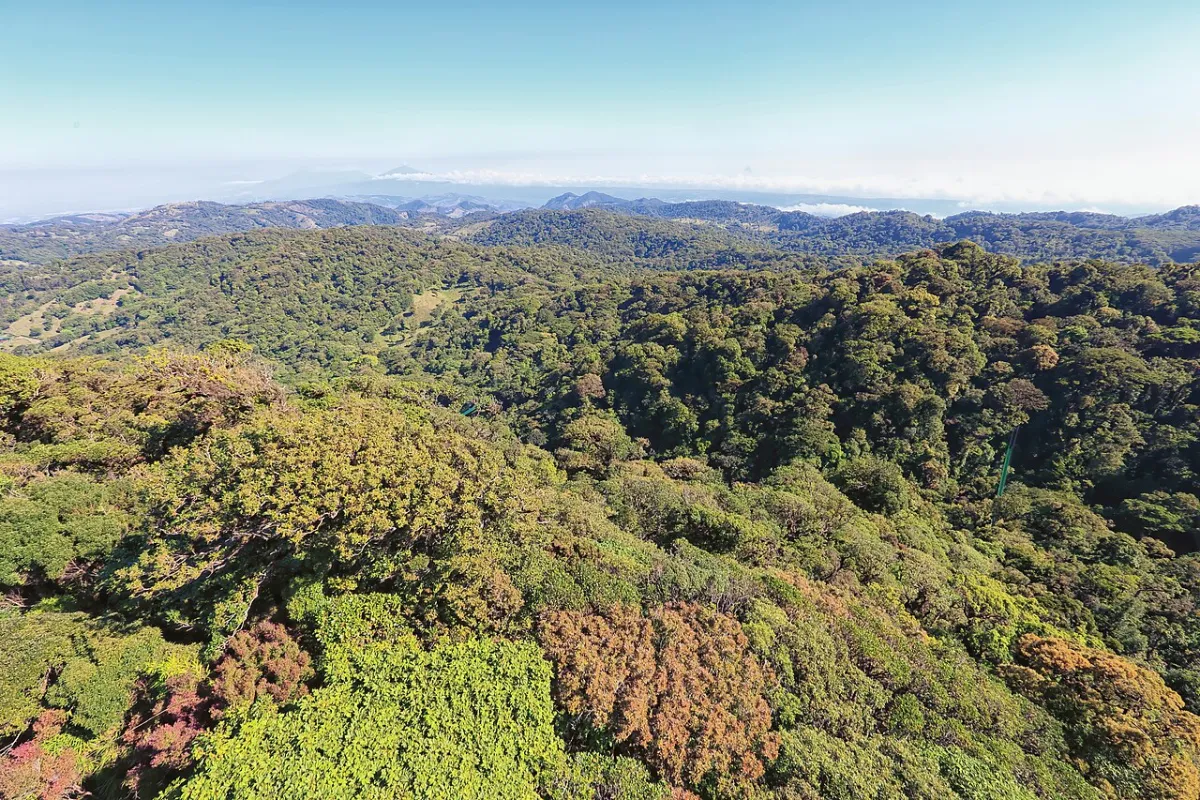

Monteverde is a highland choice with a different feel from the warmer lowlands. The destination includes distinct reserves and visitor attractions; it is not one national park with a universal entrance ticket. Choose where you will walk, whether you want interpretation from a guide and what type of canopy or night activity genuinely interests your group. Allow a separate transfer day instead of using the straight-line distance from Arenal as a driving estimate.
Bring layers and protect your equipment from damp conditions. A cloud-forest outing can be rewarding without a dramatic long-distance view: epiphytes, canopy structure and small details are part of the subject. Ask about the specific trail surface, steps and gradients when access matters. A hanging bridge and an accessible entrance are not evidence that a complete circuit suits every visitor.
Choose a Coast Before You Choose a Beach Hotel
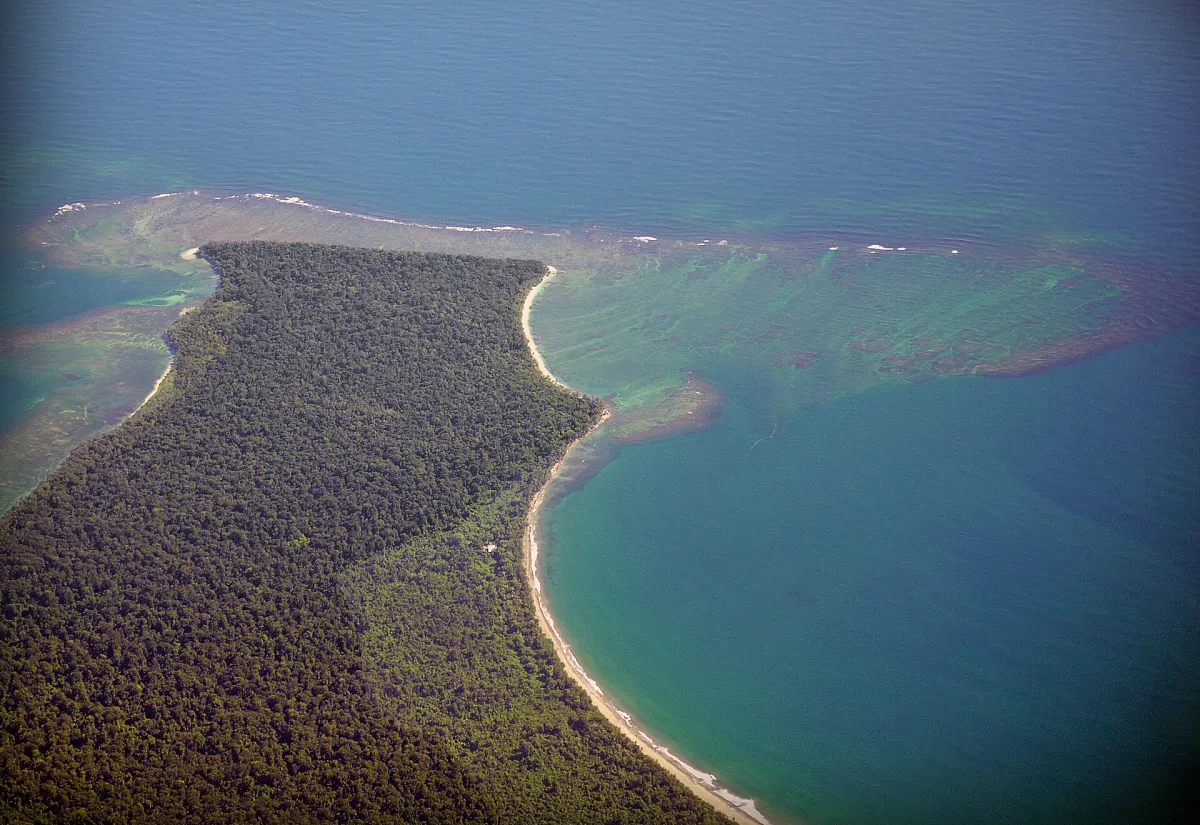

Guanacaste and the Nicoya Peninsula offer multiple kinds of Pacific holiday base, from larger resort areas to smaller communities and surf-oriented towns. Pick your accommodation with the last stretch of road and the local evening routine in mind. A distant hillside room can be attractive for its setting while requiring transport for every meal. On the central Pacific, the Quepos and Manuel Antonio area is useful for travellers combining a coastal stay with a specific park visit.
The Caribbean coast offers another route, rather than a substitute day trip from the Pacific. Cahuita and Puerto Viejo deserve a stay that leaves time for coastal walks, food and local surroundings. Their rain pattern should not be described with the same blanket dry-season claim used for the Pacific. Best Time to Visit compares the regional trade-offs, while Beaches distinguishes scenic shorelines, surfing and swimming decisions.
Build a Wildlife Visit Around Habitat and Access
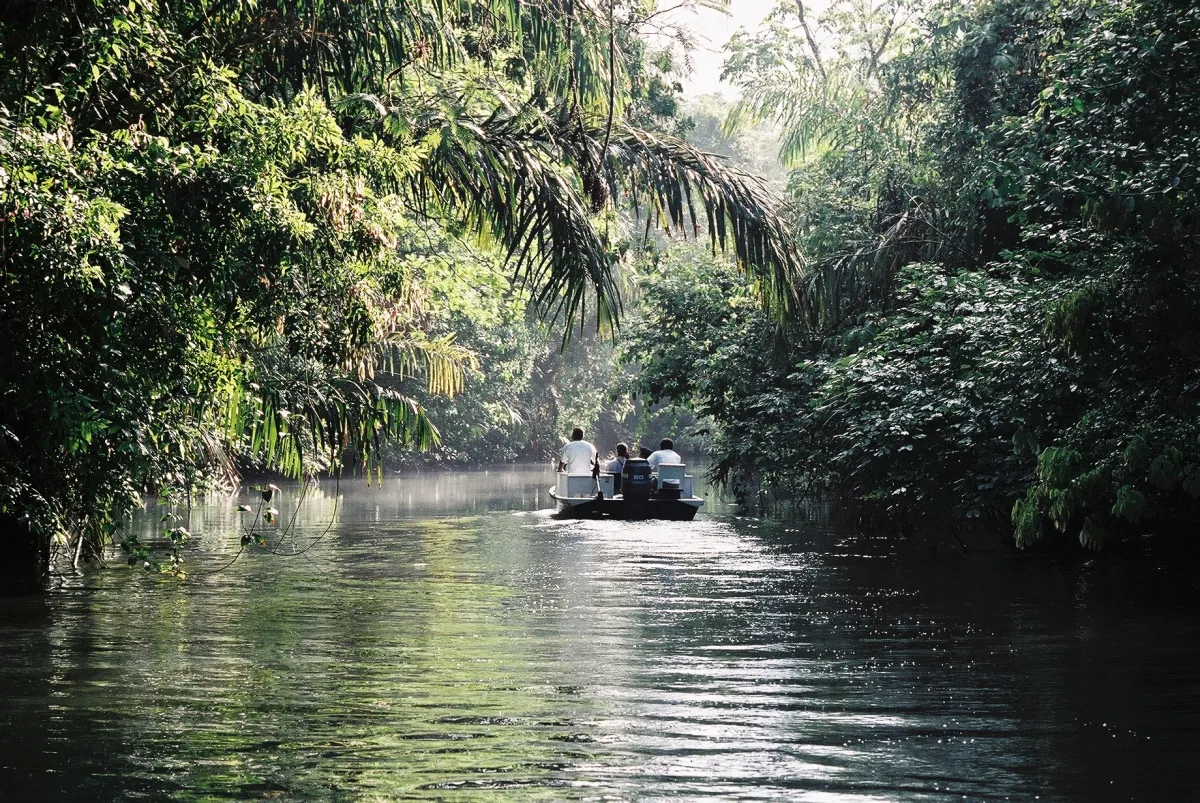

Tortuguero brings canals and wet lowland forest into the itinerary; Corcovado on the Osa Peninsula requires its own access planning. Treat both as substantial experiences. Confirm the correct entry sector, guide arrangements and transport with the authority or operator before reserving surrounding nights. A package name does not establish that admission, meals, transfers and every activity are included.
Use the National Parks & Wildlife guide to compare places and the official SINAC reservation system to begin checking admission. Booking processes vary by protected area. Keep wildlife encounters observational: a quiet pause and an appropriate distance are more useful than asking an animal to move for a photograph. Sightings, nesting events and photographs cannot be guaranteed.
How Long to Stay and When to Go
A week works best with a selective route. Ten days can add flexibility or another carefully chosen base; two weeks allow a broader journey without making every day a transfer. These are planning choices rather than a rule that each additional day must add another destination. Count nights in each place and keep the departure airport in view. A late arrival and an early flight leave less usable time than the dates on the booking suggest.
Choose travel timing for the regions and activities you actually want. Pacific coast conditions, the Caribbean and highland weather do not follow a single useful national calendar. Rain can affect road access and the shape of a day, while a popular holiday period can change accommodation availability. The 7-, 10- and 14-day itineraries turn the options into overnight sequences; the regional season guide helps you adapt them.
Choose Transport Before Committing to the Full Route
Compare a car with shared transfers, private transfers and public buses for your proposed sequence. The useful comparison includes how you get to the accommodation, luggage, collection times and onward local journeys. A cheap room can be less convenient when its setting creates repeated paid transfers. An internal flight also needs ground transport and a connection margin; it does not remove the rest of the travel day.
Use Getting Around for the overall choice, Airports & Transfers for SJO and LIR arrival planning, and Car Rental for road, insurance and collection questions. Budget in a consistent currency and distinguish a quoted package from the total trip. Travel Costs & Money explains how to build a personal estimate; Longer Stays & Costs considers the different questions raised by a multiweek base.
Leave Room for Food, Culture and an Evening in Town
Forest and beach days do not have to consume the whole trip. A selected museum or theatre visit in San José, a conversation during a coffee experience, or time in a market adds context to the landscapes. Choose a meaningful stop that fits the route rather than turning the capital into a rushed transfer between an airport and a highway.
For meals, understand the food before chasing a national list of supposedly best restaurants. Food & Drink covers dishes and ordering; Restaurants focuses on where to eat and how to choose a venue. History & Culture, Nightlife and Festivals & Events serve separate decisions about learning, evenings and dated programmes. Check a venue’s own current information before shaping a day around it.
Plan Photographs Around the Visit
Costa Rica offers forest details, wildlife, coastlines and urban scenes, but the photograph should follow the place’s rules. Use a longer lens to observe animals without closing the distance, keep walkways clear and ask before photographing identifiable people. A reserve may restrict flash, drones, tripods or night photography; a paid activity does not override those rules.
The Photo Spots guide links to focused location and subject guides, with practical advice on framing, light and permitted access. Weather and wildlife behaviour are part of the experience. Leave room for a scene that is different from the postcard rather than building the entire day around reproducing one image.
Make the Final Preparation Match Your Passport and Route
Check Visa & Entry for the official decision path applying to your passport, route and purpose of travel. Do not assume an entry allowance seen for one nationality applies to everyone. Transit countries and onward-ticket conditions are separate questions. Keep booking records and required documents accessible without relying on a live internet connection.
Prepare for the actual activities and locations with Travel Essentials, Health & Safety and Useful Contacts. Choose operators and everyday habits with Responsible Travel in mind. Keep the important contacts, accommodation address and transport instructions in a form the whole group can access. These practical decisions support a flexible trip; they should not crowd every day with more commitments.
Costa Rica Travel Guide FAQs
Where should I start planning a first Costa Rica trip?
Choose a principal interest, an inland base and one coast, then compare the arrival airport and transfers. A selective route usually leaves more time to enjoy each place.
Is seven days enough for Costa Rica?
Seven days can work for a focused trip with a small number of bases. Count six overnight stays and consider whether the flight times require a night near the airport.
Which coast should I choose?
Compare the actual beaches, accommodation settings and regional weather. The Pacific and Caribbean offer different route choices; neither is the right answer for every traveller.
Do I need a rental car?
Not for every itinerary. Compare the complete route using buses, shared or private transfers and local excursions before deciding whether driving adds enough flexibility.
Should I book national parks in advance?
Check the official process for the specific protected area, including entry sectors, guides and transport. The reservation method is not identical across all parks.
Where can I find photography advice?
Use the Photo Spots guide and its focused location pages. Respect wildlife distance, local privacy and each site’s rules for flash, drones and equipment.