
COSTA RICA TRAVEL GUIDE
Getting Around Costa Rica: Buses, Shuttles, Cars & Flights
Getting around Costa Rica is a route decision before it is a vehicle decision. Compare the complete journey from your current room to the next one, including the last road, a boat connection, luggage and the time of arrival. Two destinations that look close may sit on opposite sides of a lake or mountain range, while a direct tourist shuttle may use a different operating pattern from the public bus.
Choose a transport approach that matches your base choices. A mostly car-free trip can work well with suitable hotels and confirmed transfers. A rental car is useful when you will genuinely use it locally, but parking it for several days at a boat gateway or lodge changes its value. Car Rental covers the contract and vehicle choice in more detail.
Swipe horizontally if needed to compare all columns.
| Option | Best fit · important limitation |
|---|---|
| Public intercity bus | Useful for cost-conscious journeys on a confirmed route. Check the correct terminal, service type and final local connection; do not assume a national hub. |
| Shared tourist shuttle | Useful between supported hotel locations. Price is normally per person; fixed pickups, baggage conditions and connections need confirmation. |
| Private transfer | Useful for a group, a late arrival or a door-to-door need. Agree the real address, stops, child seats and waiting conditions. |
| Rental car | Useful for a flexible regional route and repeated local journeys. Add coverage, fuel, parking, tolls, deposit and the final access road to the comparison. |
| Domestic flight | Useful when the destination and schedule fit the full trip. Check terminals, fare-specific luggage and onward ground or boat transport. |
| Ferry or local boat | Useful for particular geographic connections. Passenger seats, vehicle space and the next road journey are separate arrangements. |
Public Buses: Identify the Operator and the Actual Stop
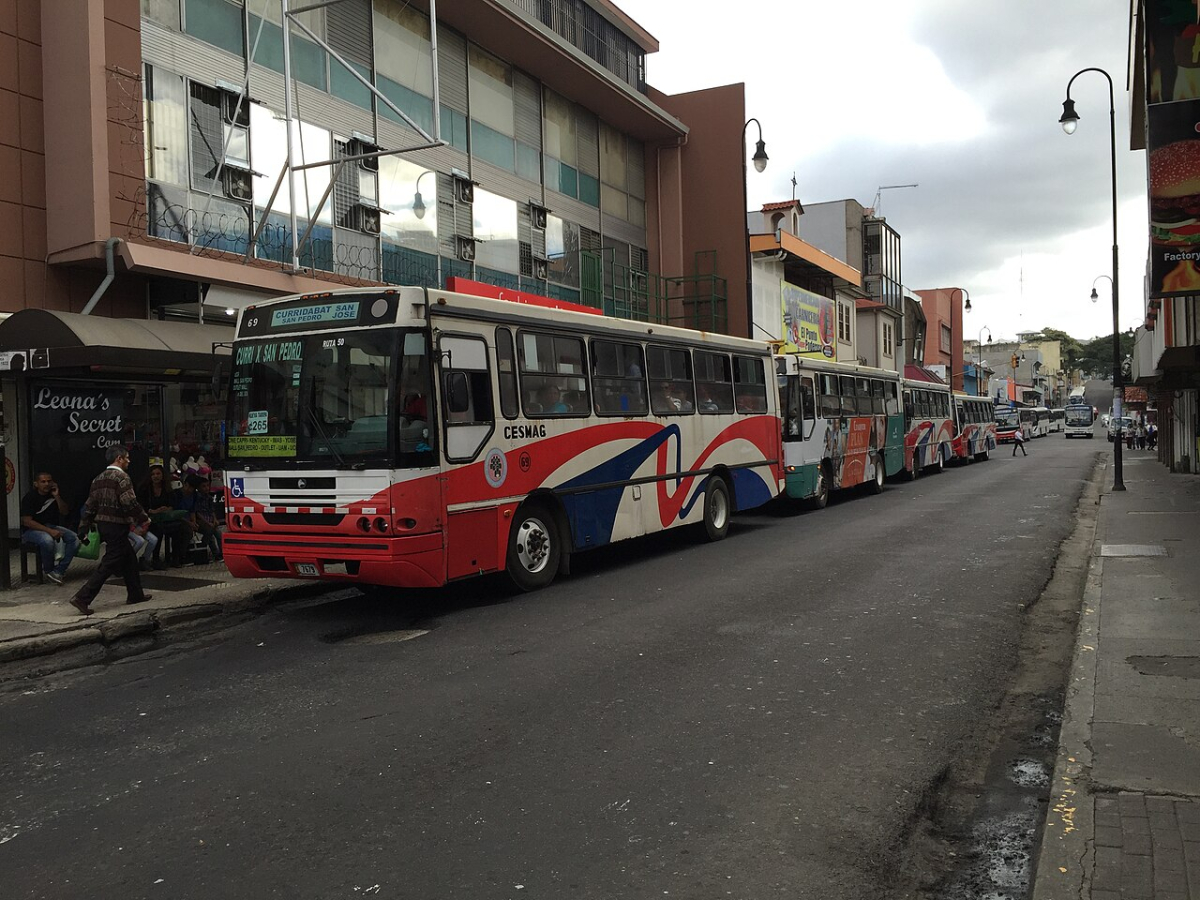
San José has multiple terminals used by different operators. Begin with the destination and operator rather than a taxi request to “the bus station”. Confirm the boarding address and whether your ticket is for a direct, regular or differently routed service. A service stopping in Quepos is not necessarily the same product as one continuing toward Manuel Antonio.
For central and southern Pacific routes, TRACOPA’s route table is a primary source for departure and routing checks. For Monteverde, use Transmonteverde’s booking page. These sources were checked on 2 November 2026; make the final check for your chosen travel date rather than using an archived timetable.
Keep a small bag with documents, medication and essentials with you, and follow the operator’s baggage procedure for the main suitcase. Know the destination stop before boarding. If you need help with stairs or a large mobility aid, ask about the actual vehicle and boarding arrangement in advance. A route existing on a map does not establish that every vehicle can accommodate it.
Shared and Private Shuttles: Confirm the Door-to-Door Claim
A shared shuttle can simplify a circuit when each hotel is on the supported pickup and drop-off list. Check the exact hotel selection before reserving a room far outside town. “Door-to-door” does not mean every remote address is included, and the advertised journey may contain a rest stop, connection or vehicle change.
Interbus’s own FAQ explains its shared-service model, booking needs and baggage questions. Use it as one operator’s terms, not a nationwide rule. Tell the operator about extra luggage, surfboards, child seats or access requirements before payment. A space for one suitcase does not settle those other needs.
For a private transfer, ask whether the quote covers your real arrival time, flight delay waiting, stops and the final approach. A stop for a meal can be useful; a full detour to an attraction changes the service. Agree it in writing. If you are sharing a transfer with friends, compare the total group price rather than dividing a per-person shuttle fare incorrectly.
Driving: Keep the Route More Important Than the Shortcut

A car provides flexibility for repeated local journeys, but the shortest route shown by a navigation app may not be the appropriate one for your vehicle or the day’s conditions. Ask the next property about its recommended approach before setting off, especially for hillside accommodation, rural lodges or a coastal road after heavy rain.
Build the day around a daylight arrival and include meals and rest. Avoid adding a distant reserve to a transfer day because the national map makes it look on the way. A car full of luggage is also a poor setup for an unplanned sightseeing stop. Confirm a secure luggage arrangement before leaving the vehicle.
Use Health & Safety for broader road and weather preparation. Car-rental coverage, an allowed route and a road being physically passable are separate questions. A four-wheel-drive badge does not authorise river crossings or remove contract restrictions.
Domestic Flights, Ferries and Boat Gateways
A domestic flight can change what is feasible, particularly for a purposeful nature stay, but compare the entire chain. Check which airport or terminal is used, reporting time, checked and personal-item allowances, the destination transfer and whether separate tickets provide any connection protection. Do not compare flying time alone with a door-to-door road journey.
SANSA’s baggage policy, checked on 2 November 2026, makes allowances dependent on the purchased fare and notes operational constraints on excess bags. Camera equipment, medication and fragile items require a packing plan before you commit to a small-aircraft journey. An international airline’s allowance does not automatically carry over.
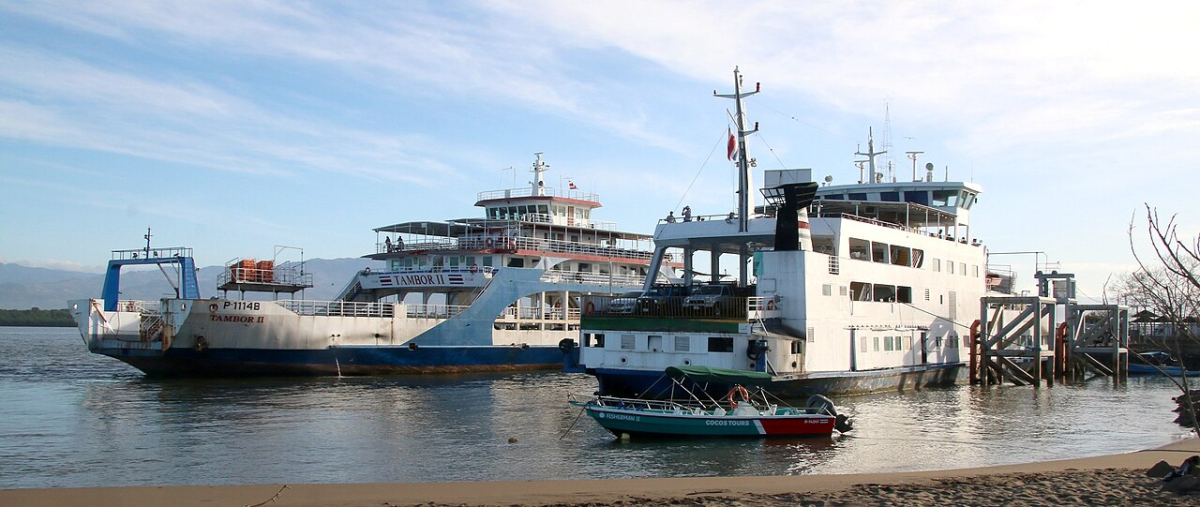
For the Puntarenas–Paquera crossing, consult Naviera Tambor’s current timetable and fares. A vehicle reservation is different from passenger travel, and you still need the road journey after landing. Ask your rental company about ferry use. For Tortuguero and Osa arrivals, obtain the named boat gateway, meeting time, luggage arrangement and return instructions from your actual lodge or operator.
Local Journeys: Meals, Park Entrances and the Last Kilometre
Inter-base transport is only half the budget. A rural La Fortuna room, a Monteverde retreat or a Uvita hillside house may require local rides for dinner and each activity. Request the exact address, compare it with the places you will visit, and ask which transfers are included. A property’s regional label is too broad to answer that question.
At SJO, use the airport’s authorised transport information. At LIR, use the corresponding airport transport directory. For an ordinary local taxi, ask your accommodation to arrange a legitimate service and confirm the charging method or agreed journey before leaving.
Keep one written transport plan for the next day: pickup address, operator, contact, luggage and destination. Download it while you have a connection. If a service changes, update the room and activity bookings affected by the change rather than treating each reservation as an isolated item.
Getting Around FAQs
Can I travel around Costa Rica without renting a car?
Yes, with bases suited to public transport or confirmed shared/private transfers. Check the local journeys from each actual hotel, not only intercity links.
Does San José have one bus terminal for every destination?
No. Identify the operator and boarding terminal for your route before travelling to the station.
Do tourist shuttles collect from every hotel?
No. Confirm the operator’s supported pickup/drop-off list and any arrangement for a remote property.
Can I use an international baggage allowance on a domestic flight?
Do not assume so. The domestic carrier’s purchased fare and aircraft conditions control its allowance.
Does a Puntarenas–Paquera ferry ticket include the road transfer?
A ferry booking covers the specified sailing/product. Arrange vehicle space where needed and the journeys to and from the port separately.
What should I confirm before a boat arrival to a lodge?
The gateway, meeting point, departure time, luggage conditions, last connection and return plan, plus which elements your accommodation package includes.



