
COSTA RICA TRAVEL GUIDE
Costa Rica Attractions: Waterfalls, Volcanoes, Cloud Forest & Cultural Sites
Choose places that belong on the same route
Costa Rica's attractions range from a waterfall reached by a steep stairway to a museum in the capital or a reserve explored by boat. The name of a famous place tells you little about the effort, permissions or onward journey involved. Start with the region where you will stay, then choose a few places that add a different perspective. Use Things to Do for activity styles and Map & Regions to understand the geography.
Arenal Volcano and its surrounding landscape
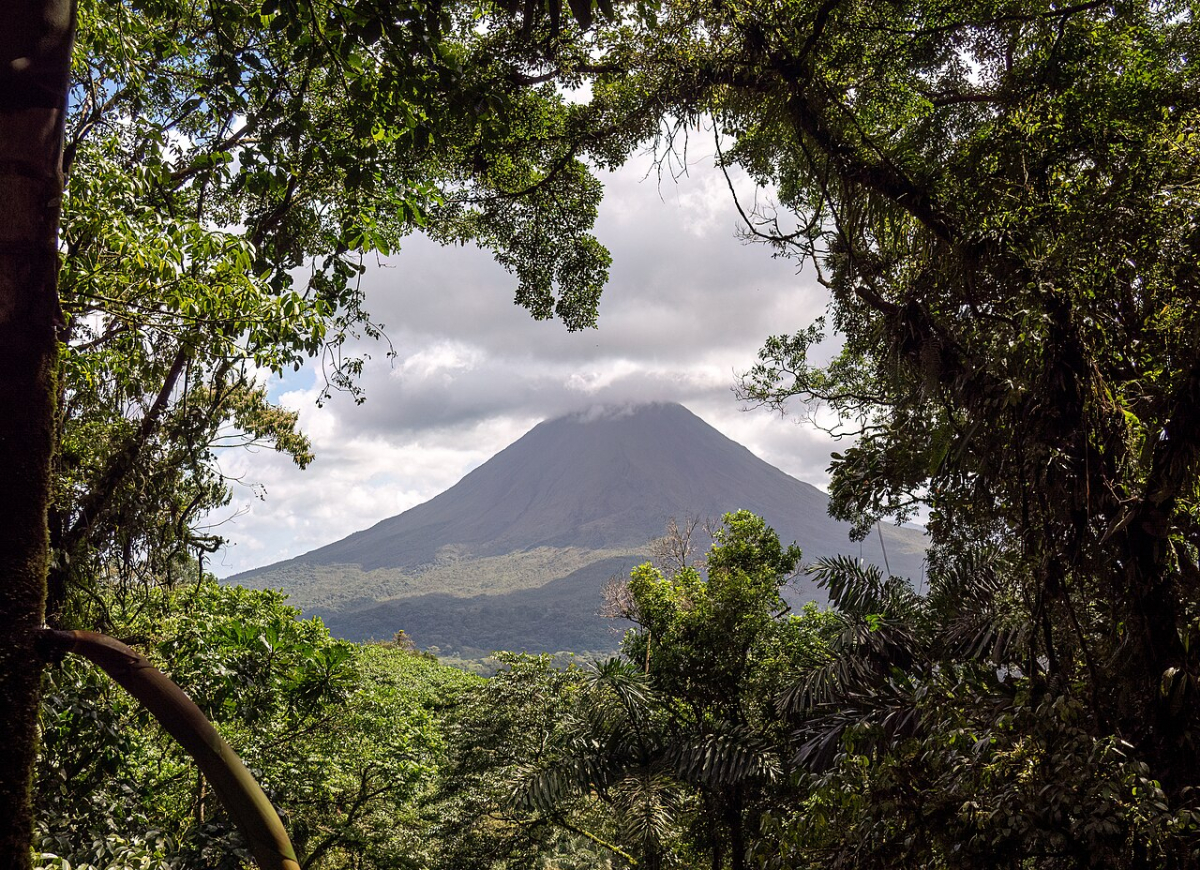
Arenal is a strong choice when you want volcanic scenery alongside an established visitor base in La Fortuna. Choose a named park or reserve trail rather than assuming that all walks advertised as Arenal use the same entrance. Forest, old volcanic terrain and distant views offer different experiences, and cloud can hide the cone even when conditions are good for walking.
Plan a trail for its landscape and access, not a promise of visible lava or a climb to the summit. Follow the public-use boundaries and check the current status of the exact site you intend to enter. La Fortuna is a practical base for several outings, but doing a waterfall, forest trail, bridges and hot springs in one tightly packed day leaves little room to enjoy any of them.
La Fortuna Waterfall
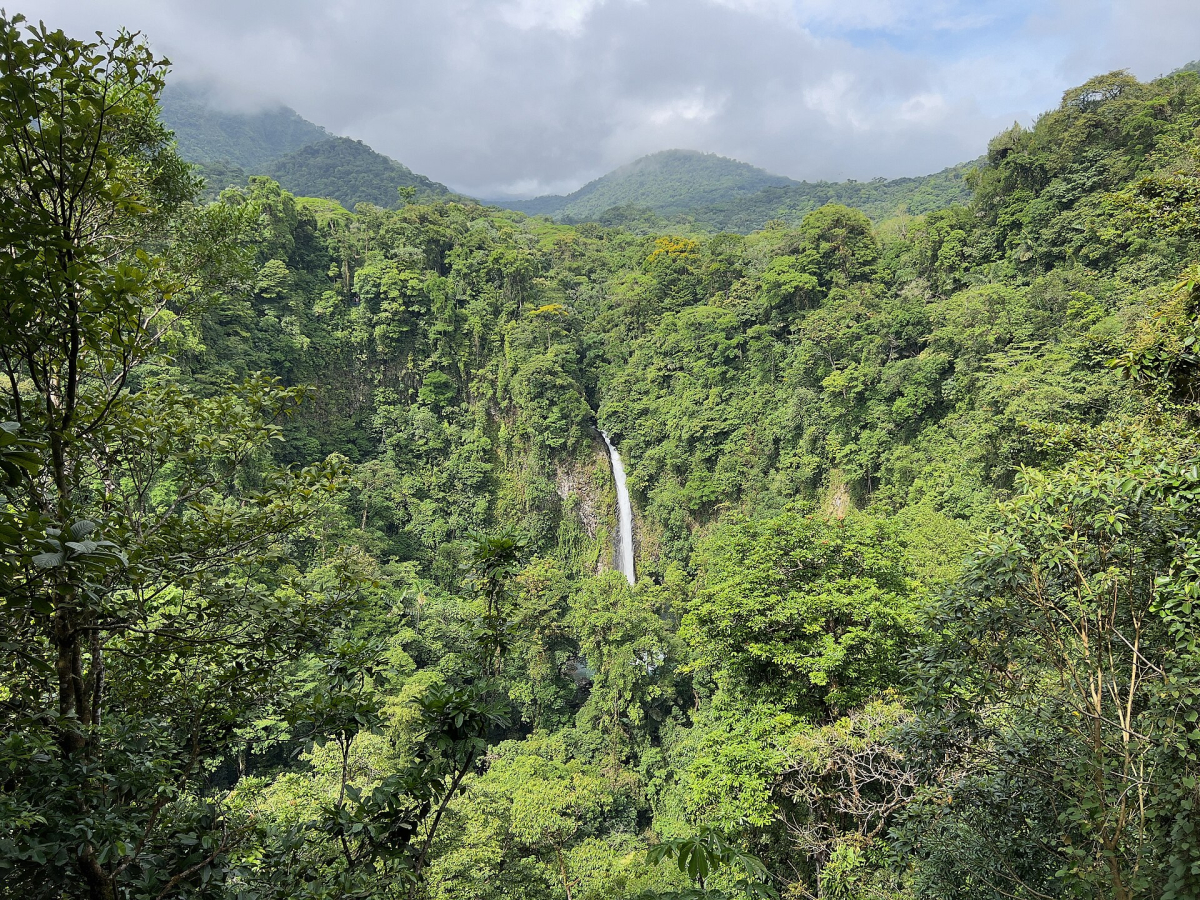
The waterfall is a distinct visit from an Arenal trail, with a descent to a lower viewing area and an uphill return. The sight of the water dropping into the forest is the main reason to come; assess the steps and the return climb before committing. A distant photograph of the falls cannot show the full physical demand or establish whether the lower area suits your needs.
Wear secure footwear and carry only what you can manage on the stairs. Ask the site staff about current access and water restrictions, especially after rain. Do not interpret the presence of people in an older image as evidence that swimming is permitted or suitable on your day. Keep an easier alternative if stairs, heat or a temporary restriction make this the wrong outing.
Río Celeste in Tenorio Volcano National Park
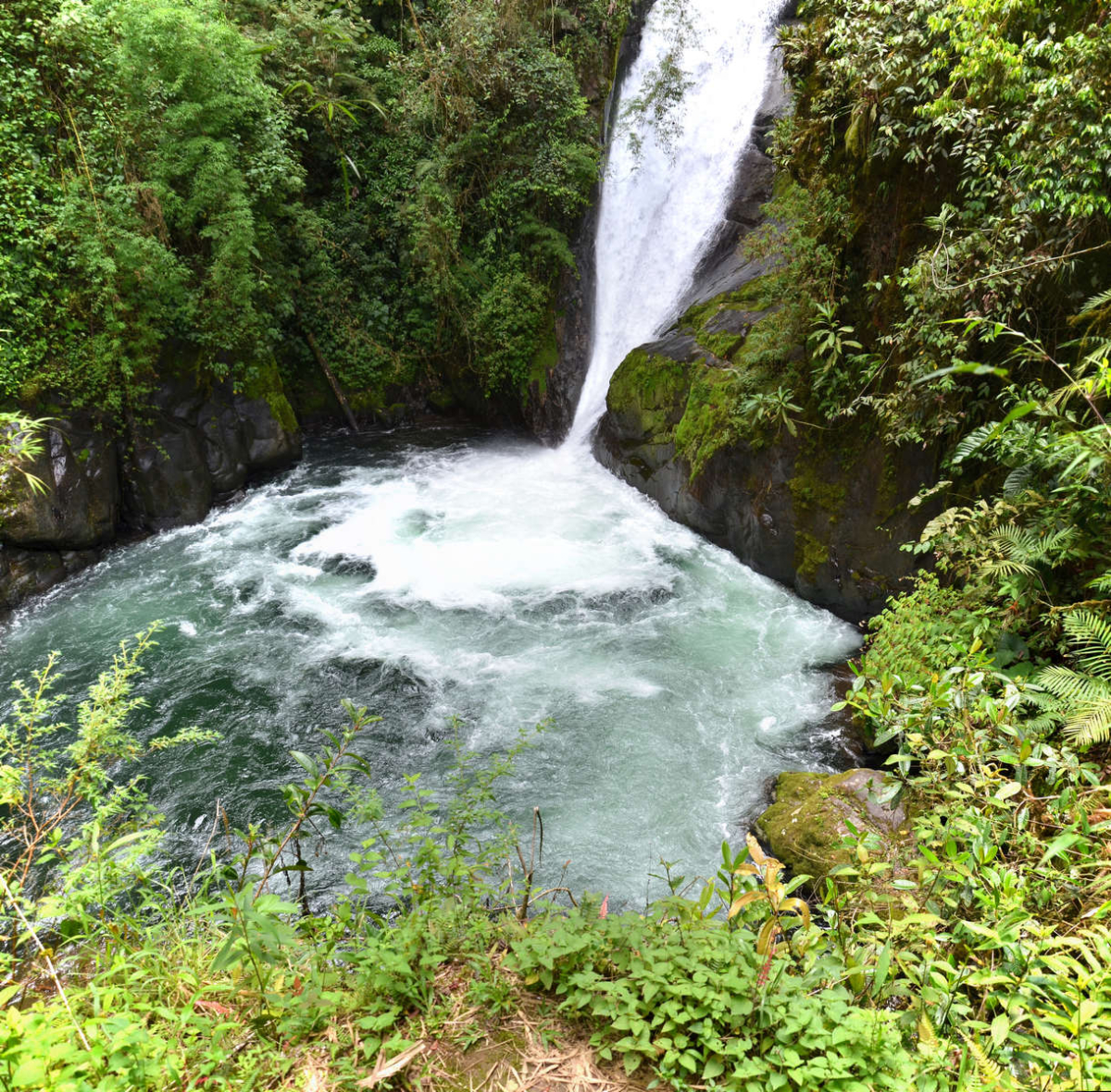
The waterfall, blue lagoon, bubbling waters and Teñidero belong to the park's trail system, rather than a single roadside pool. Choose the part of the walk that matches your stamina and leave time for the return. The waterfall approach includes a substantial change in level, while wet ground can alter the effort elsewhere. The water's appearance depends on conditions; a brilliant photograph is not a daily colour guarantee.
SINAC prohibits entering the river inside the park. This is a landscape and walking visit, not a swimming stop, and drones are prohibited. Consult SINAC's Tenorio page for the actual booking process and rules before leaving your base. Do not treat the final road approach as an incidental detail when arranging transport.
Monteverde Cloud Forest and Santa Elena reserves
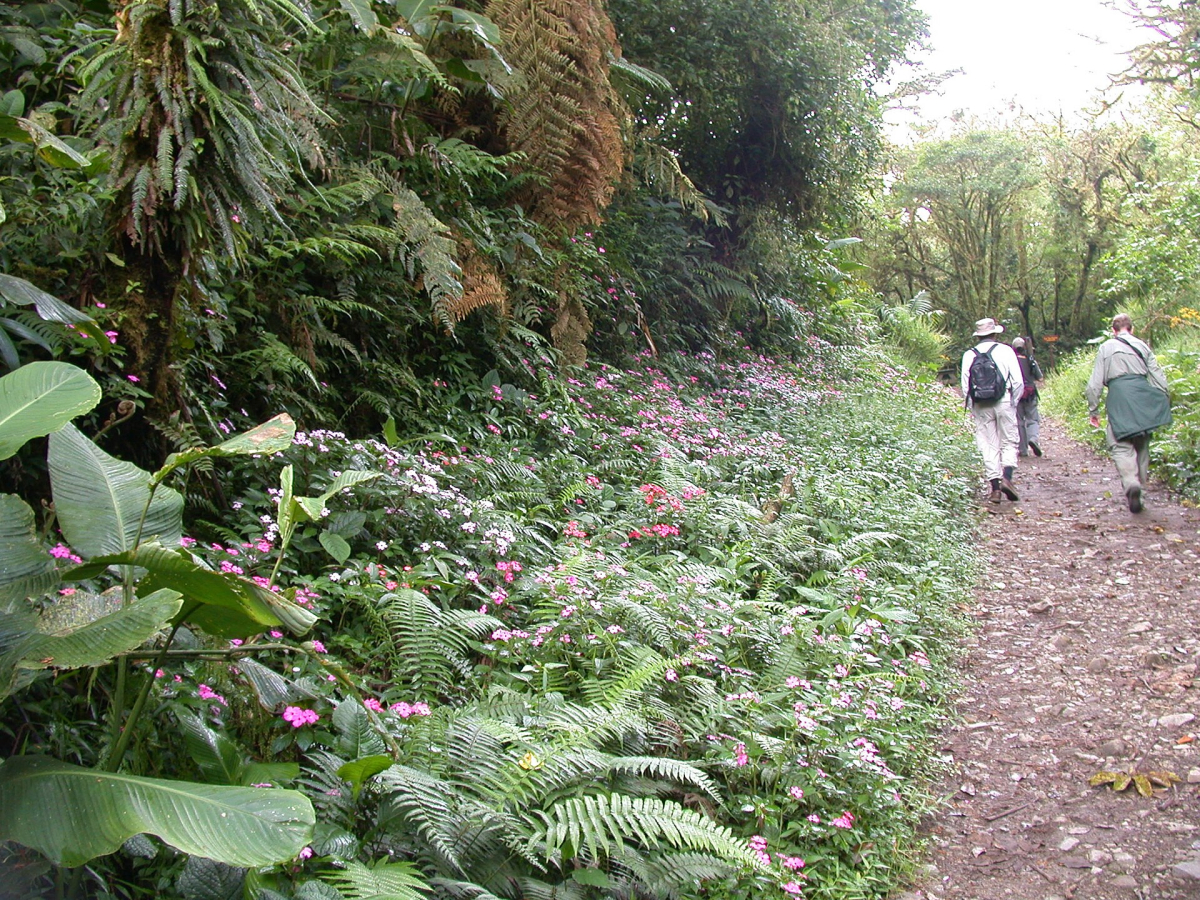
The appeal here is the forest itself: moisture, layered vegetation, epiphytes and opportunities for close observation. Monteverde Cloud Forest Biological Reserve and Santa Elena Cloud Forest Reserve are separate places with their own arrangements. Neither is a generic ticket for every hanging bridge, night walk or canopy attraction in the area.
Choose one main forest walk for the habitat and trail you want. A guide can add interpretation, while an independent visit offers a different pace where allowed. Bring a rain layer and protect equipment from moisture even if your previous stop was hot and dry. The tourism board provides introductions to Monteverde and Santa Elena; confirm current admission directly with the reserve you select.
Manuel Antonio's forest and coastal setting

Manuel Antonio combines a compact coastal protected area with the wider Quepos/Manuel Antonio accommodation corridor. The park is one particular visit; the hotels, public beach areas and other excursions outside it are separate. Decide whether you want a guided nature walk, time at an authorized beach area or both, and check how those choices fit the admission window.
Buy admission through the official channel linked by SINAC, and check current opening arrangements before planning the day. Keep food and belongings secure and observe animals without feeding them. For decisions involving several parks, use the National Parks & Wildlife guide rather than assuming their procedures are identical.
San José's museums and cultural buildings
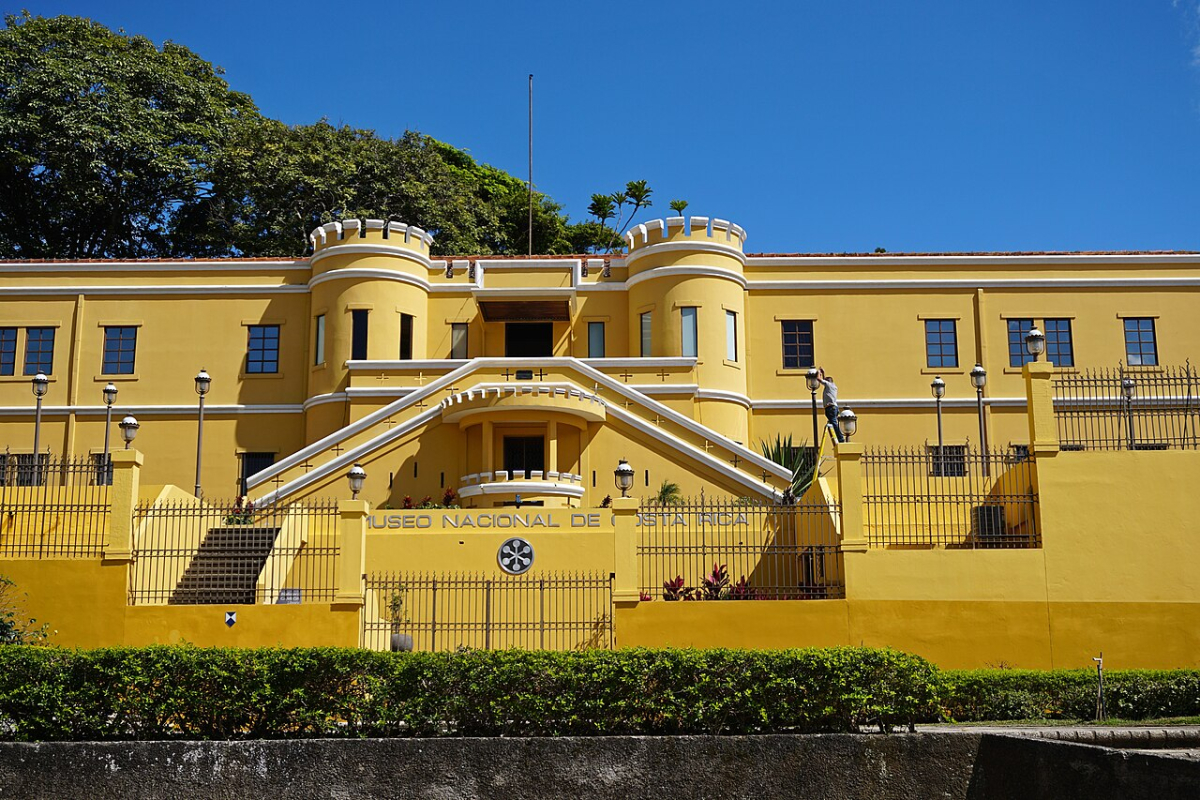
The capital adds archaeology, art and urban life to a trip that could otherwise become only forests and beaches. Select a museum by subject: the National Museum offers a wider historical frame, while the Jade Museum focuses the visit differently. A cultural morning is worth planning in its own right, rather than treating San José solely as an airport waiting room.
Check the actual museum's current hours and exhibition arrangements; different buildings do not share one timetable or ticket. A manageable cluster with a meal break is more satisfying than crossing the city for a checklist. Our History & Culture guide explains how to connect these visits to the country's regional traditions.
Finca 6 and the Diquís stone spheres
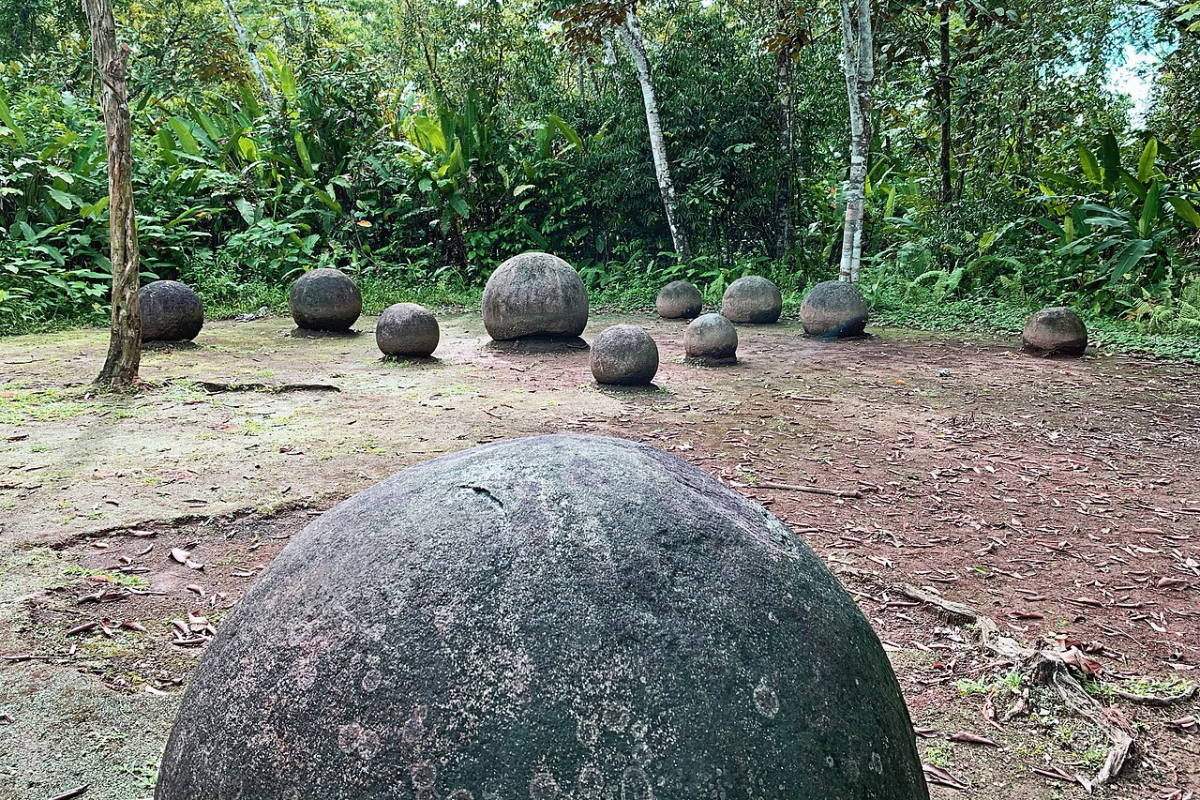
Finca 6 gives archaeological context to the stone spheres, including their relationship to a settled landscape. It fits an Osa/Palmar Sur/Sierpe route more naturally than an isolated detour from a northern beach base. Follow the site's interpretation rather than treating the spheres as unexplained decorative objects or repeating speculative stories as fact.
The National Museum's visitor information identifies Finca 6 as the publicly visitable museum site among the listed Diquís sites. Do not assume every archaeological location in the wider heritage group is open for an independent visit. Check access before arriving, especially if your day also depends on a boat departure from Sierpe.
Match the visit to its conditions
Keep the place's distinctive requirement visible in your plan: a stairway, reserve entrance, tide, boat connection or advance booking. The best alternative is often nearby and different, rather than the next famous attraction across the country. Source pages and route advice were reviewed on 2 November 2026; weather, temporary closures and operator services still require a travel-date check.
Attractions FAQs
What is the difference between Attractions and Things to Do?
Attractions helps you select actual places and understand their access. Things to Do compares experiences such as forest guiding, canopy adventures, surfing and farm visits, which can take place at several different sites.
Can I swim at Río Celeste inside Tenorio National Park?
No. SINAC prohibits entering the river inside the park. Plan for the trail and viewpoints, and follow the current park rules rather than photographs of people in water elsewhere.
Is Monteverde one national park with a single ticket?
No. The cloud-forest area contains separate reserves and attractions. Confirm the exact reserve, entrance, transport and included activities before purchasing.
Is the Arenal summit a normal visitor hike?
Do not plan a summit climb from a general Arenal sightseeing description. Choose an authorized public-use trail at a named park or reserve and follow its current boundaries and restrictions.
Are the Diquís stone-sphere sites all open independently?
No. Check the National Museum’s visitor guidance. Finca 6 is the public museum-site starting point; access to other archaeological sites can be restricted.
Should I reserve an attraction for the day of an important transfer?
Allow a buffer when admission, a boat or onward travel has a fixed deadline. A nearby flexible stop is easier to combine with a transfer than a priority visit with a long approach.



