
COSTA RICA TRAVEL GUIDE
Costa Rica Food & Drink: What to Eat, Regional Flavours and Ordering Tips
Make meals part of the journey
Food is a practical way to notice the differences between Costa Rica's regions. A soda lunch, a coffee tasting and a Caribbean meal offer different experiences; none needs to be treated as the single authentic way to eat. This guide explains dishes, drinks and ordering. Use a named restaurant's own current information when choosing a particular venue or reserving a special meal.
Keep meals close to the day's route. A modest lunch near your base can be more enjoyable than a long detour for a place whose current hours you have not confirmed. For a remote lodge or a late arrival, settle the meal arrangement before travelling: the surrounding map may show very few practical alternatives after dark.
Start with gallo pinto and a casado
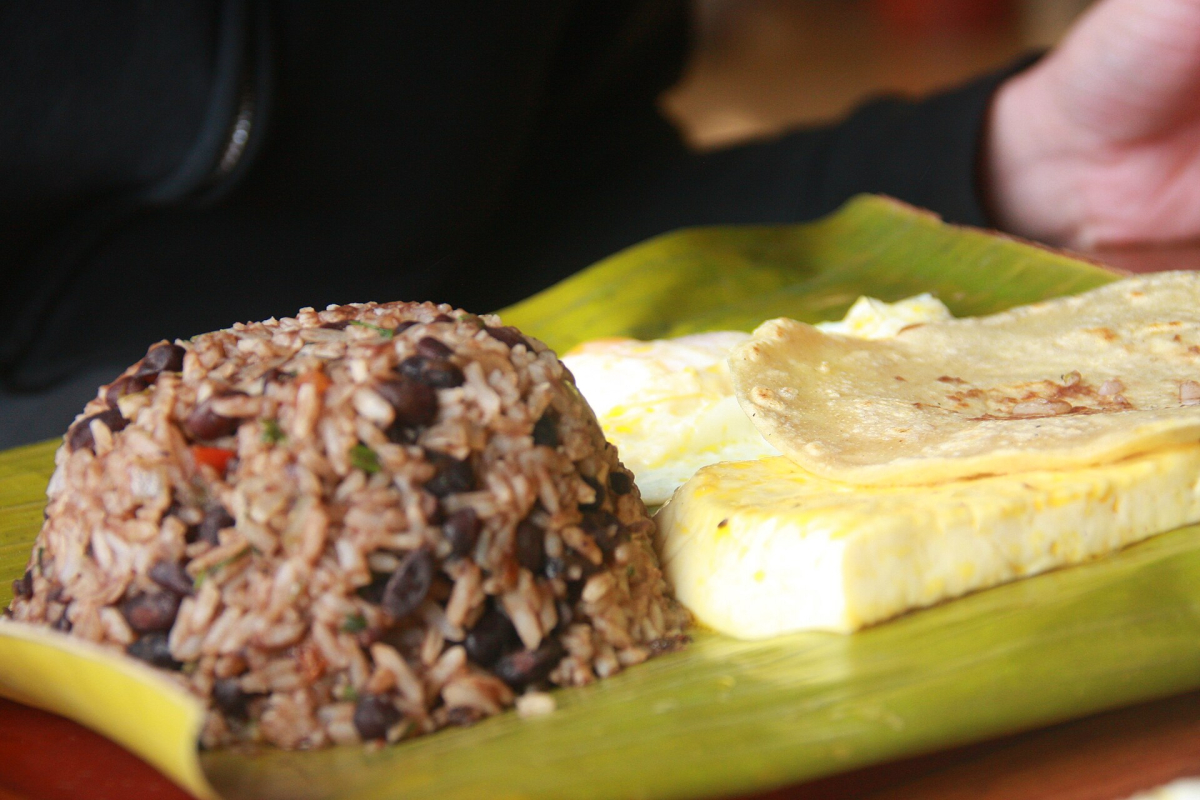
Gallo pinto is a rice-and-beans preparation commonly associated with breakfast. The accompaniments are part of the ordering decision: eggs, dairy, plantain or other sides may differ from one kitchen to another. Do not assume that ordering the rice-and-beans element automatically gives you a vegetarian or vegan meal; ask about stock, fats and what arrives on the plate.
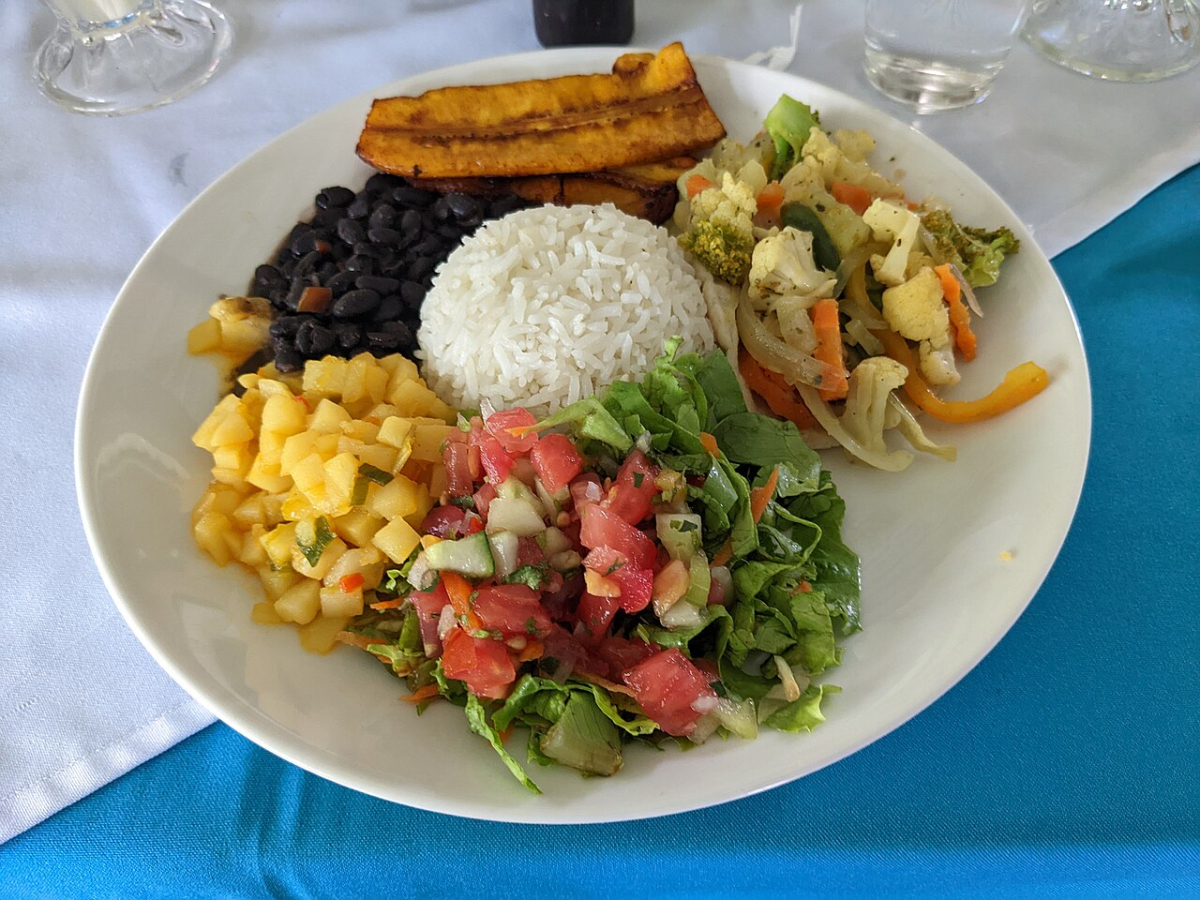
A casado is a mixed plate rather than one fixed national recipe. Look at the day's choices and ask which protein, vegetables and sides are included. It is useful when you want a complete meal without assembling several separate dishes, but it should not be described as identical everywhere. A short explanation of the menu is often more helpful than trying to match a photograph precisely.
Use sodas and markets to learn the everyday menu
A soda is a local eatery, rather than a promise of a particular price or menu. Ask what is prepared that day, check how the meal is served and confirm the total before ordering if the board is unclear. A kitchen popular with local customers can be a useful starting point, while still requiring the same attention to food handling and dietary needs as anywhere else.
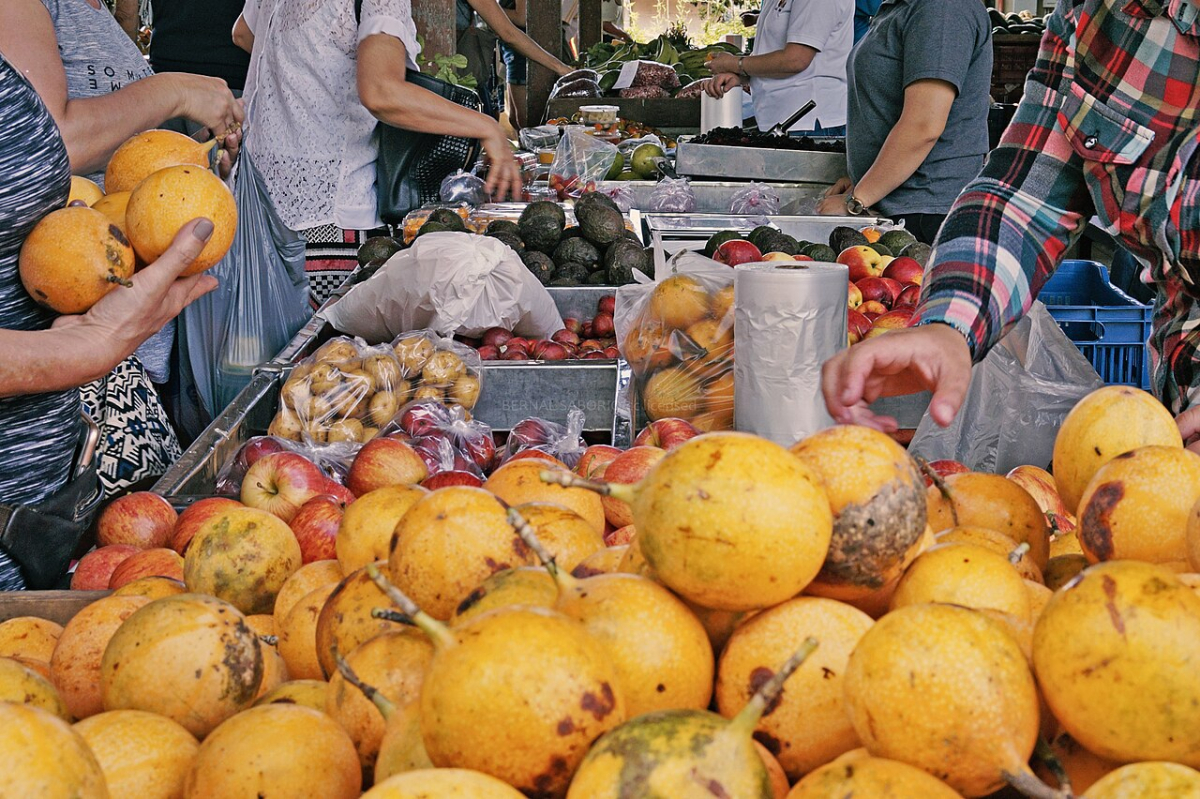
Markets and produce stalls offer opportunities to try fruit and see ingredients that may later appear on a plate. Choose intact produce you can peel or food prepared with appropriate hygiene, and be deliberate about drinks and ice if you are uncertain about the water source. Buying more than you can eat creates waste; small portions leave room to explore a second taste later.
Notice the southern Caribbean's distinct food traditions
A stay around Cahuita or Puerto Viejo is an opportunity to encounter food in its local Afro-Caribbean context, rather than expecting the same menu as every Pacific beach town. Ask the host about the dish and the ingredients being used. Regional names and family preparations deserve their own explanation rather than being reduced to another version of a generic tropical meal.
Rice-and-beans dishes, seafood and drinks can have ingredients that are not obvious from an English title. Agua de sapo, for example, is a ginger-and-citrus drink rather than a literal description of its name. Ask about sweetness, dairy or coconut and any allergens relevant to you; preparation varies and a dish name cannot establish that it is suitable.
Choose coffee for taste and the story of the farm
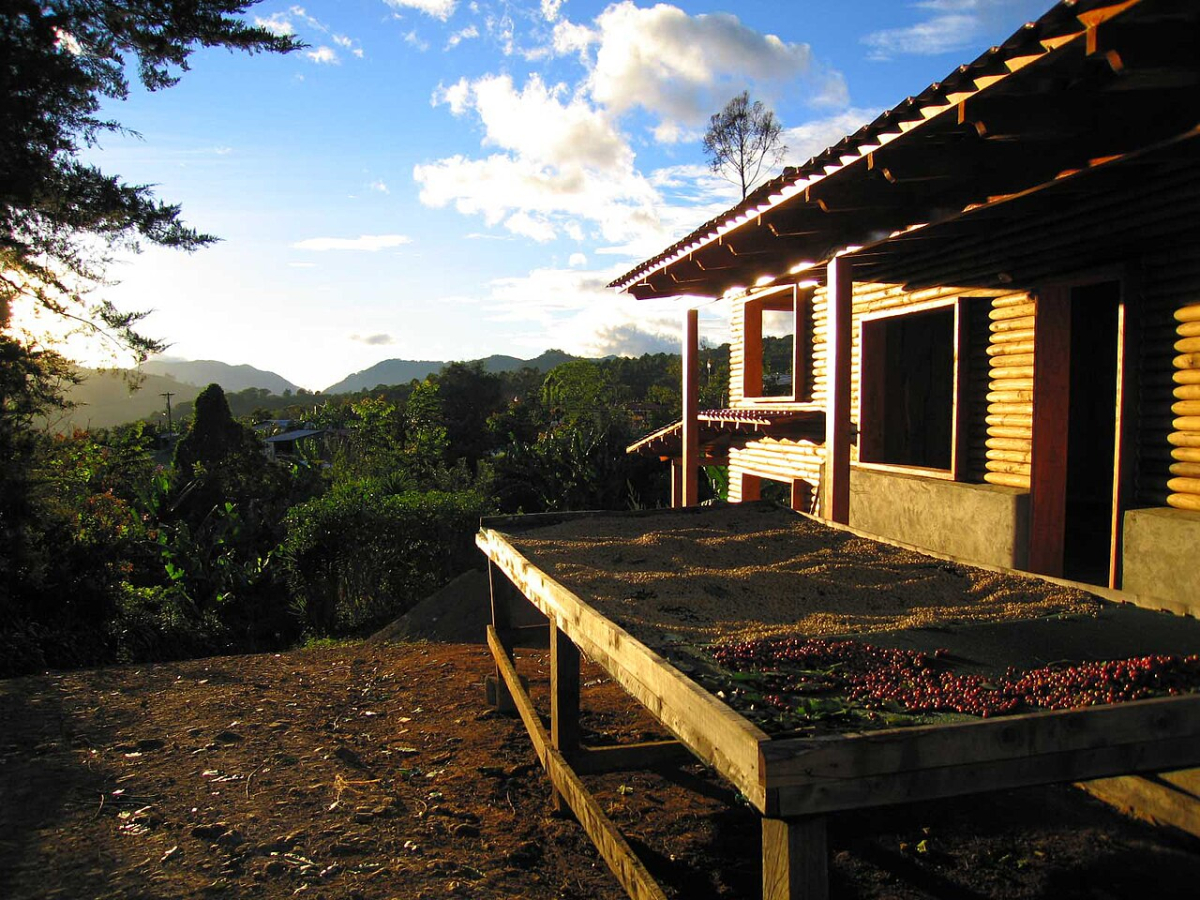
A coffee visit can explain growing, processing, roasting and brewing, but no two visits need to cover every stage. Ask whether the activity takes place at a working farm, a processing site or a tasting room. A harvest-focused visit is seasonal; a tasting is a different service and can be enjoyable without promising active picking.
When buying beans, choose the roast and grind for how you will brew them at home. Ask where the coffee was grown and roasted rather than assuming that a landscape on the package identifies the farm. Keep purchases within the baggage and import rules for your onward destination. The Costa Rica Tourism Board's culinary guide introduces coffee and cacao experiences alongside regional ingredients.
Look for interpretation in a cacao experience
A cacao visit is more than a chocolate shop if it connects the plant, processing and people behind the product. Ask what participants actually see or make, and whether tasting or a meal is included. Workshops can suit a slower day at one base, but the best choice depends on the host and subject rather than a claim that every cacao tour is interchangeable.
Where an experience is community-led, book through the identified hosts and follow their guidance about photographs and shared knowledge. A demonstration is not permission to reproduce cultural practices or photograph people without consent. Our History & Culture guide explains respectful community visits.
Ask specific questions about dietary needs
Explain an allergy clearly before ordering, and distinguish it from a preference. Ask about ingredients and cross-contact, not only whether a dish can be served without its visible garnish. Sauces, cooking fats, stock, shared grills and drinks can matter as much as the main ingredient. If the kitchen cannot give a clear answer, choose a simpler alternative elsewhere rather than treating a translated menu as a guarantee.
Vegetarian, vegan or gluten-free choices vary by restaurant and region. A remote stay requires advance discussion rather than an assumption that a nearby town will solve every meal. Carry an appropriate translated explanation of a serious allergy and keep any prescribed medication available. Food and health decisions are personal; Health & Safety points to current travel-health information.
Read the bill and reserve important meals directly
Ask whether the quoted menu price is the final payable amount and how any service charge is shown. Check what is already included before deciding on an additional gratuity; this guide does not assign one universal tipping rule to every venue. Prices, service arrangements and card acceptance should be confirmed where you eat. See Travel Costs & Money for the wider payment plan.
For tasting menus, cooking classes or a meal that matters to your route, confirm the date, location, deposit and cancellation terms with the venue. The tourism board's food and restaurant introduction and chef-led dining guide provide starting points, not live table availability. Sources reviewed 2 November 2026.
Food & Drink FAQs
What should I try first in Costa Rica?
Gallo pinto, a casado and a meal at a local soda provide useful introductions. Add a regional meal, fruit, coffee or cacao experience according to the places you actually visit.
What is a soda?
A soda is a local eatery. The term does not guarantee a fixed price, menu or dietary suitability, so ask about the day’s dishes and what is included before ordering.
Is gallo pinto always vegetarian or vegan?
Do not assume so from the name. Ask about the preparation, cooking fats or stock and the accompaniments. A rice-and-beans description does not settle every ingredient question.
Is a coffee tour the same as visiting a working farm?
Not always. A tour may focus on a farm, processing, roasting or tasting. Confirm the actual location and activities, especially if seeing a harvest is your main reason for booking.
Can I rely on a menu label for a serious allergy?
Discuss ingredients and cross-contact directly with the kitchen, and carry a clear translated explanation where useful. If the answer is uncertain, choose an alternative rather than assuming the label covers your needs.
Should I add a tip automatically?
Check the final bill and any service charge first, then decide on an additional gratuity. Do not assume that a general online description applies identically to every restaurant, hotel or service.



