
COSTA RICA TRAVEL GUIDE
Things to Do in Costa Rica: Wildlife, Forests, Surf & Local Experiences
Choose experiences before filling the route
A rewarding Costa Rica trip needs contrasts, rather than a different adventure booking every morning. Pair a guided wildlife walk with time to explore independently, a cool highland stop with a coastal base, and a busy activity day with a slower one. The useful question is not how many tours fit into a week, but which experiences justify the transfers between them. Use our Attractions guide to choose the actual places and our Itineraries to arrange them.
Book the experience around the place you will sleep. An early forest outing is easier when the reserve is nearby; a late turtle excursion needs a local overnight stay and a confirmed return arrangement. Two activities sold under the same name can differ substantially in walking surface, group size, transport and time spent outdoors.
Walk slowly with a wildlife guide
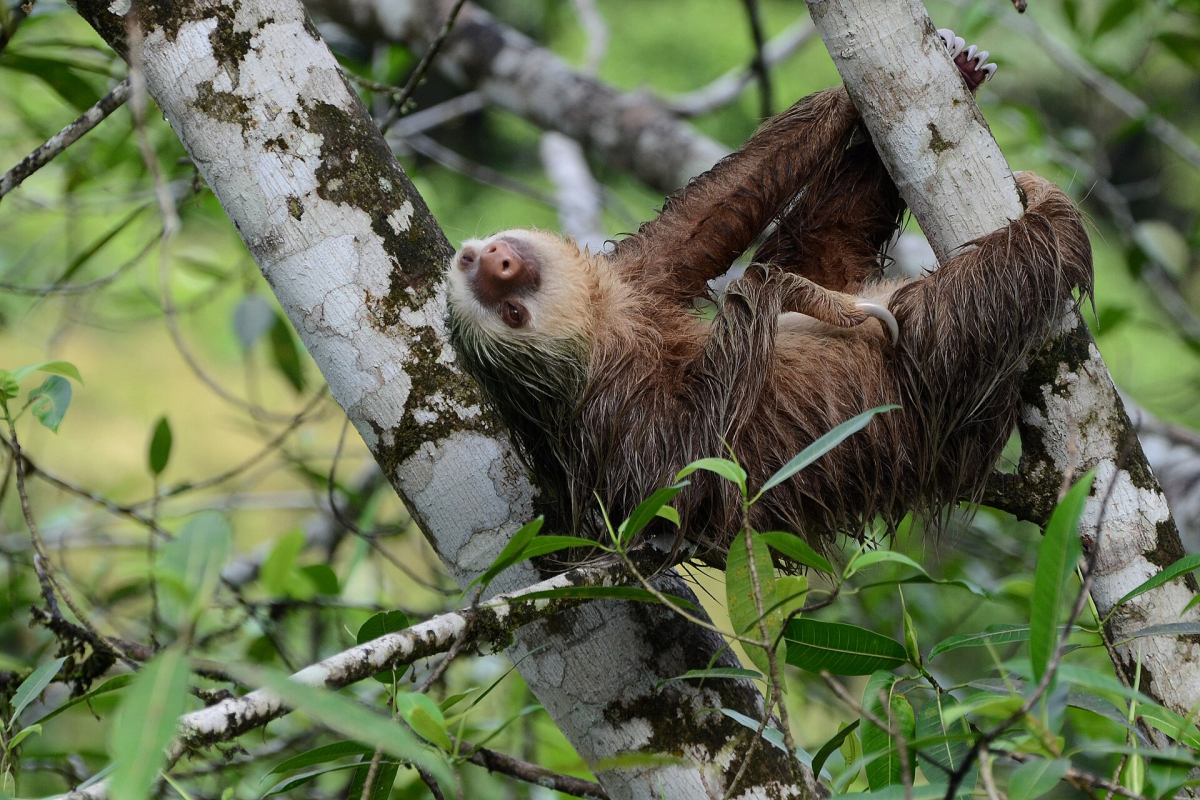
A forest guide helps turn a green wall into individual habitats, animal behaviour and bird calls. The advantage is interpretation and observation, rather than a promise of a sloth or a particular bird. Choose the habitat that interests you: cloud forest around Monteverde, lowland forest in the Caribbean or Osa, or the forest-and-coast setting of Manuel Antonio. A shorter walk with patient stops can be more absorbing than covering a long trail quickly.
Ask whether the meeting point is the reserve entrance, whether admission is included, and how steep or muddy the route becomes. Tell the operator about mobility, hearing or vision needs before booking. Keep binoculars accessible, silence the phone and let the guide decide when to move on. Our National Parks & Wildlife guide explains the differences between public parks, private reserves and their separate tickets.
Choose hanging bridges or a zip line for different reasons
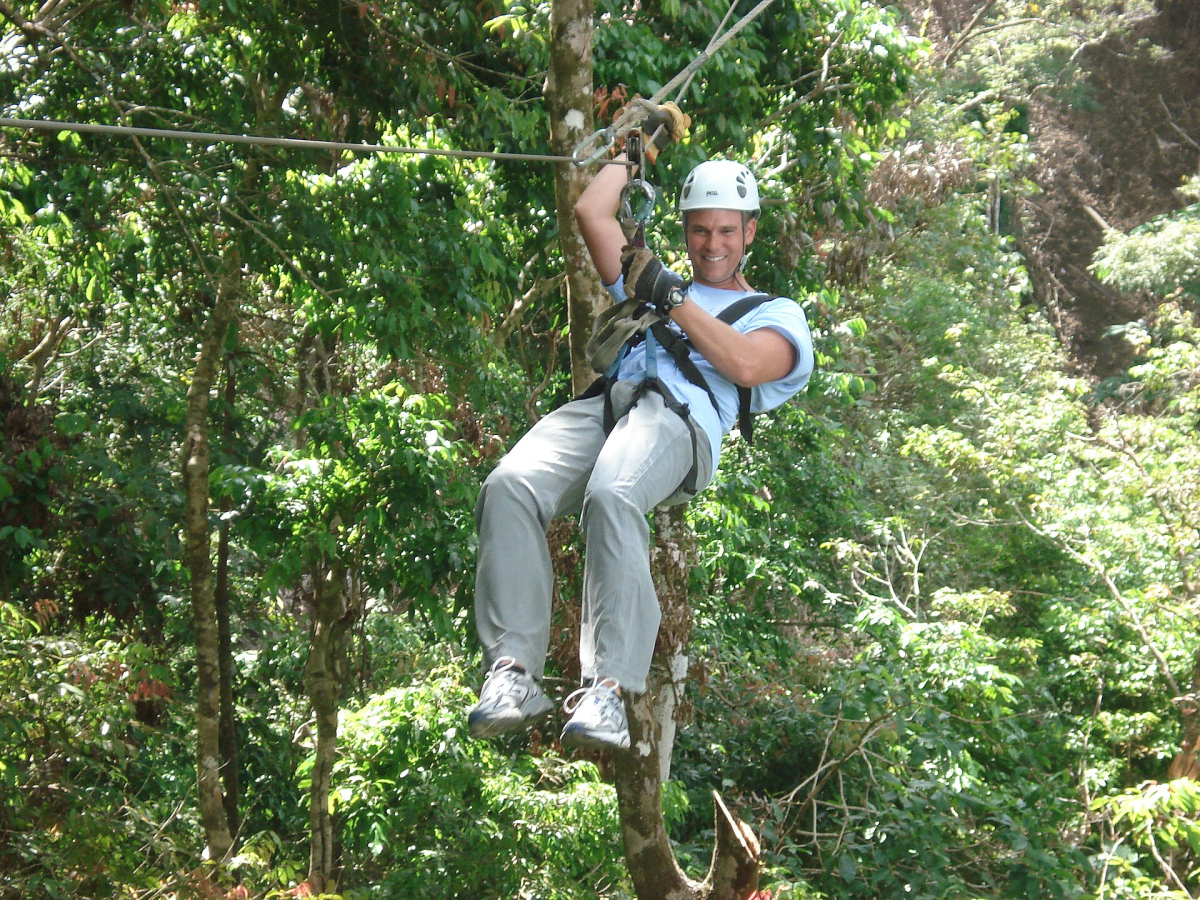
A hanging-bridge walk lets you pause among forest layers, look for epiphytes and notice how the canopy differs from the ground. A zip line is an active adventure with equipment, braking instructions and operator restrictions. They are not interchangeable ways to see wildlife: speed and noise are part of the latter experience, whereas observation rewards stillness.
Compare the actual course, not just a photograph of a cable over trees. Confirm age, height, weight and health restrictions with that operator; a general tourism description cannot establish eligibility for every course. Ask about wet-weather operations and cancellation terms. Around Arenal or Monteverde, choose one canopy experience you want rather than assuming a second similarly named attraction adds a different forest visit.
Make time for hot springs around La Fortuna

A hot-springs visit works well as a low-effort counterpoint to walking, especially if you are already based near Arenal. Facilities vary from a simple bathing setting to landscaped pools with changing rooms, meals or spa services. Compare the included facilities and the kind of atmosphere you want; an evening pass, hotel stay and treatment package can carry different access rights.
Check the current booking window, child policies and transport back to your accommodation. A picture of one pool does not mean every pool or spa service is included. Keep the visit comfortable rather than trying to stay in hot water for a fixed period, and follow on-site advice. The Hotels guide treats named properties separately from this general activity choice.
Take a surf lesson or choose a guided water outing
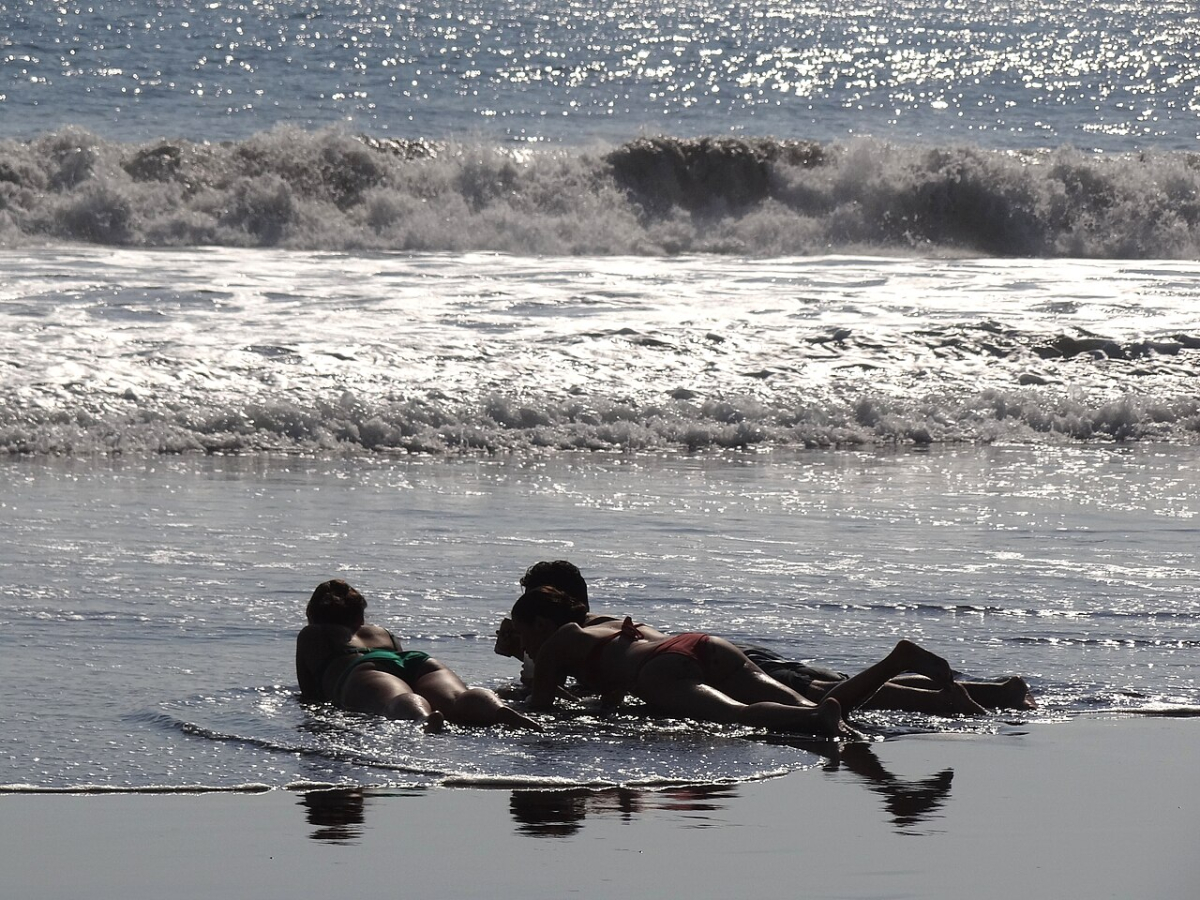
A lesson can give a coastal stay purpose without making it a specialist surf holiday. Tell the school honestly about swimming ability and experience, and ask which beach and section they use on the day. A beach's reputation for good surf does not make it suitable for casual swimming. If conditions do not suit your level, changing the plan is the useful outcome.
Rafting, kayaking, snorkeling and whale-watching have different demands. Ask about the river or departure point, flotation equipment, guide qualifications, participant limits and the return plan if weather changes. Verify separately whether a marine-park ticket or transfer is included. Our Beaches guide helps with coast selection; follow local flags and professional advice on the day.
Learn through coffee, cacao and community visits

A farm visit offers a different view of the country from a viewpoint or wildlife hide. Look for an explanation of growing, processing and the people involved, rather than only a tasting at the end. Coffee experiences fit naturally into parts of the Central Valley and highlands; cacao and food experiences add depth to several lowland and Caribbean routes. Choose by the actual farm and host, not an assumption that every plantation offers the same visit.
For an Indigenous or community-led experience, book through the community or a provider that clearly identifies its local partners. Ask what visitors are invited to join, whether photographs are welcome and how the booking benefits the hosts. A scheduled encounter should not be treated as permission to enter homes, photograph a ceremony or walk onto community land independently. Read History & Culture and Food & Drink for context.
Choose family activities by the real demands
For a family trip, compare the activity's actual walking, heat, waiting and equipment requirements with the children travelling. A short guided forest walk, a food workshop or time at one manageable base may work better than several transfers between big-ticket adventures. Choose an operator that explains its own age, height, weight and swimming requirements; the same activity label can cover very different courses or water conditions.
Ask about toilets, shade, food, life jackets and the return journey before paying. Keep the plan flexible enough for rain or tiredness, and supervise children closely around pools, sea and wildlife. An accommodation described as family-friendly does not make every nearby beach or trail suitable. Use the base comparison to reduce avoidable travel rather than trying to complete an adult sightseeing list with children.
Build an activity day that leaves room for the place
Keep a substantial transfer separate from the activity you would be most disappointed to miss. Allow for getting changed, eating, reaching the meeting point and returning from a trail, rather than using only a seller's headline duration. Reserve a flexible alternative for heavy rain: a cultural visit, cooking session or slower day at the same base can be more useful than another long drive.
Official planning sources checked on 2 November 2026: Costa Rica Tourism Board activity advice, culinary experiences and FCDO travel safety. Confirm current operating details with your chosen provider.
Things to Do FAQs
What are the most useful first-trip experiences in Costa Rica?
Choose a forest walk, one coast-based activity and a food or cultural experience, then add an adventure you actually want. A route with complementary experiences is usually more rewarding than repeating similar tours at several bases.
Do I need a guide for every forest walk?
No single rule covers every reserve or trail. Some visits require a guide, while others offer optional guiding. Check the specific protected area and route; a guide is particularly useful for wildlife interpretation and unfamiliar remote terrain.
Are hanging bridges the same as zip lining?
No. Hanging bridges usually form part of a walking route where you can stop and observe the forest. Zip lining is an equipment-based adventure with its own participation requirements and briefing.
Can a tour guarantee sloths, turtles or whales?
Wildlife presence and viewing conditions vary. Choose a responsible operator for its habitat knowledge and conduct, rather than a guarantee that a particular animal will appear.
Should I book an adventure on a transfer day?
Keep your priority activity separate from a long or uncertain transfer. If an easy activity fits on arrival, make sure its timing and cancellation terms allow for delays.
What should I check before buying a tour?
Check the exact meeting point, transport, admission, guide, equipment, participation limits and weather terms. A similar title or photograph does not prove that two products include the same service.



