
COSTA RICA TRAVEL GUIDE
San José, Costa Rica Photos: Streets, Architecture and Cultural Details

Let the city setting stay in the picture
San José's photographic interest lies in the relationship between buildings, public space and everyday movement. An architectural frame can be effective, but a city image does not need to remove every person, sign or contemporary detail to be worthwhile. Choose what the photograph is trying to explain: a particular building, a street's rhythm or the interaction between old and new.
Start in a manageable area with a clear route and places to pause. Keep the camera secure and remain aware of people and traffic while composing. A short planned walk is more productive than crossing the city repeatedly to imitate unrelated images from different neighbourhoods.
Identify the building and the actual viewpoint
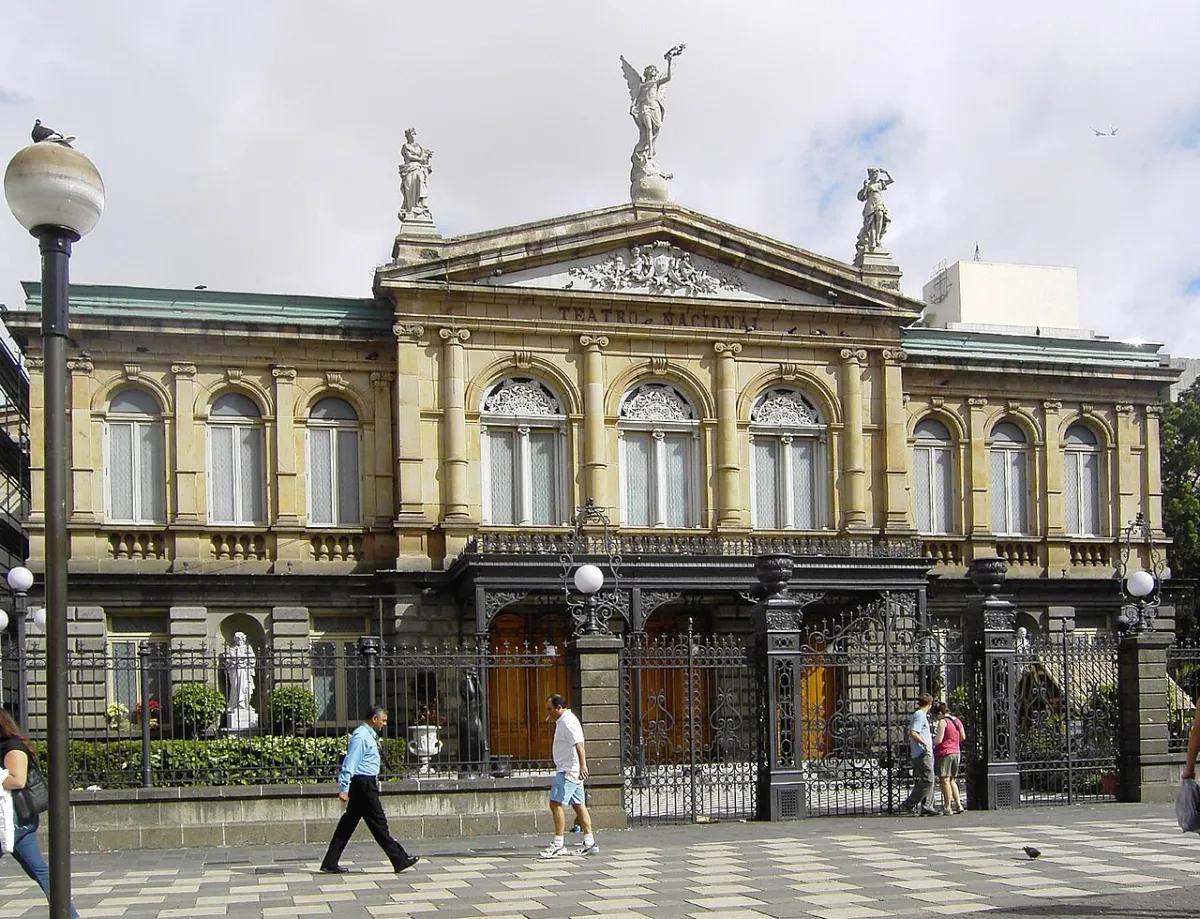

The National Theatre is a useful specific architectural subject, while museums and other cultural buildings add their own contexts. Keep the correct name and viewpoint in your notes. An exterior, foyer and auditorium are different subjects; a nearby museum's façade should not inherit a theatre caption simply because the images belong to the same city day.
Use the National Theatre photo guide for its specific photography rules. For other interiors, ask the institution about the current restrictions, including flash, exhibitions and equipment. A public building is not automatically an unrestricted photography venue.
Give the four illustrated subjects different jobs
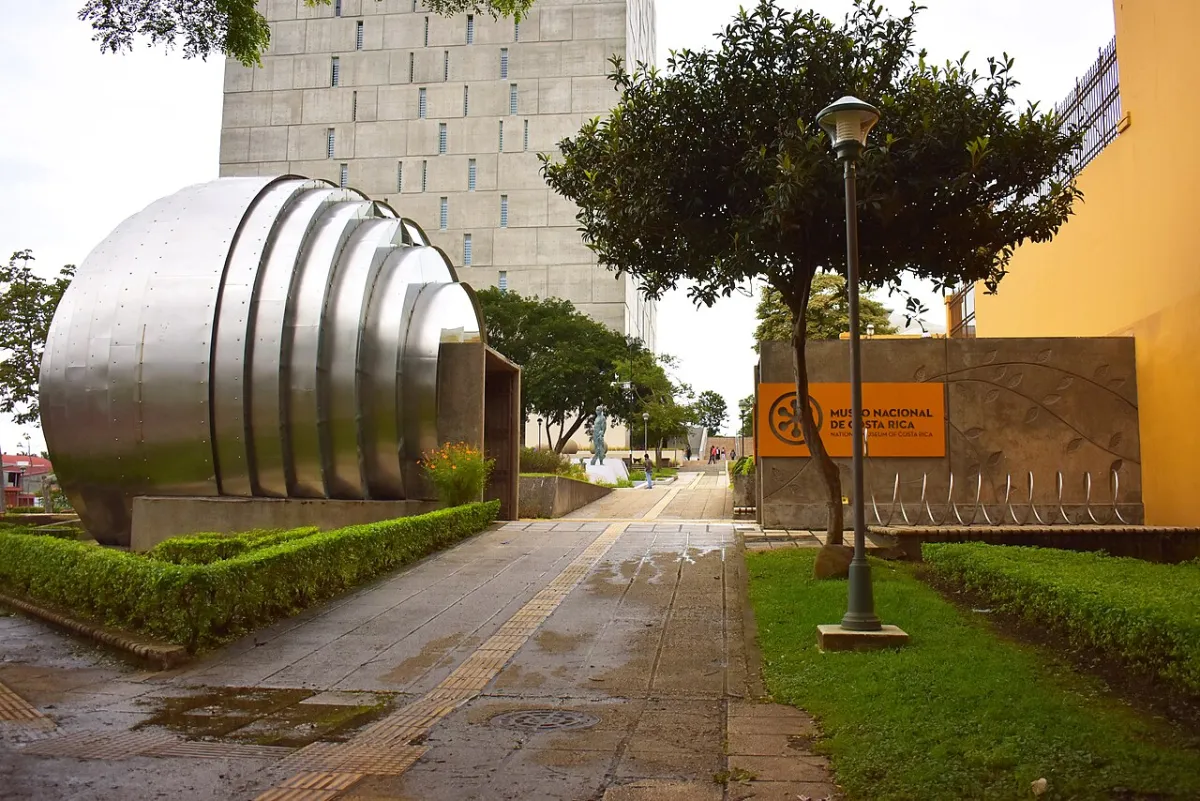
The National Museum image combines a metallic entrance structure, a planted edge and the older building beside it. Use it to think about contrasts in material and shape rather than expecting every museum photograph to be a frontal facade. The museum’s official directions place its main entrance on the west side by Plaza de la Democracia. Check the current visitor route before arranging an interior visit, and make any exterior composition from a position that leaves the entrance usable.
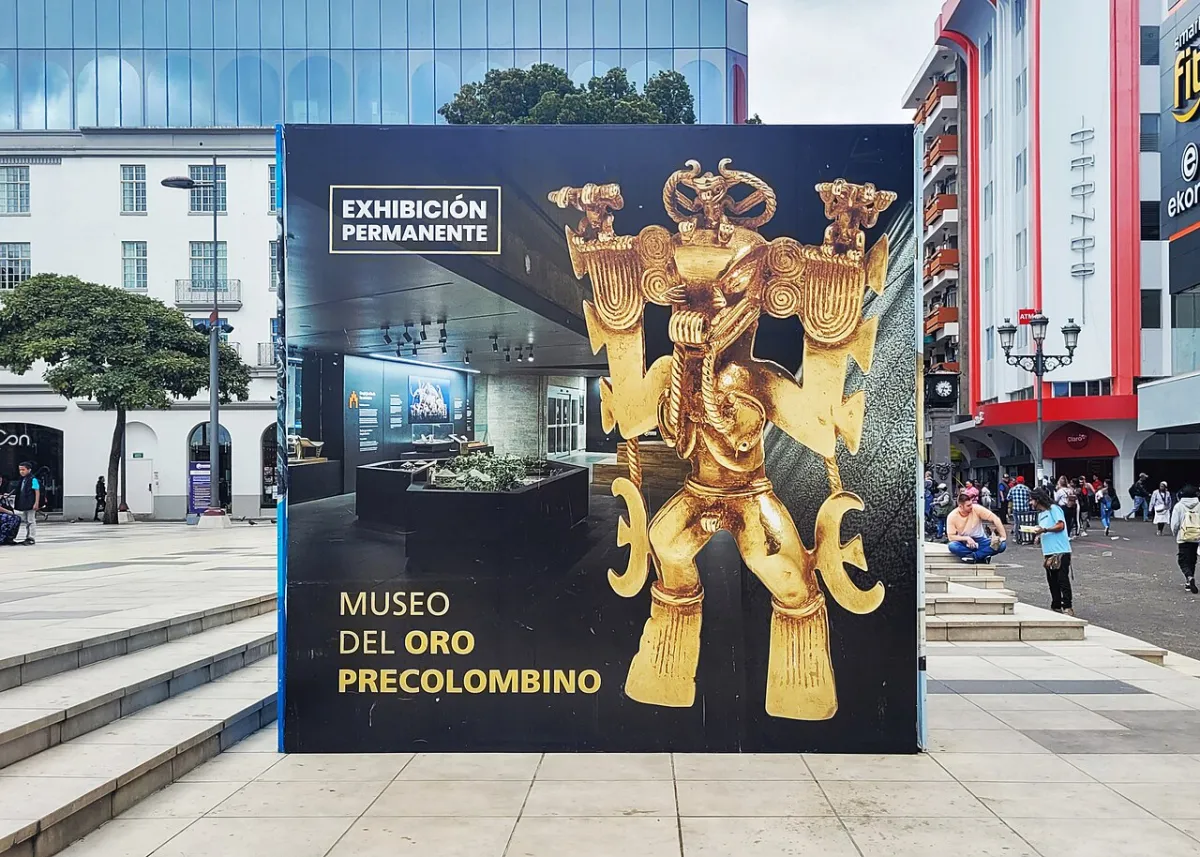
At the National Theatre, a frontal frame can organize the repeated windows and upper sculptures, while a wider view can retain people moving through the public space. The separate theatre photo guide handles its interior rules. The Pre-Columbian Gold Museum photograph shows the entrance sign and surrounding city setting, not the collection inside. Use the sign as a location marker in a sequence; do not caption it as a photograph of a gold object or assume it proves an interior photography permission.
Find a smaller story in the street

Shopfronts, food, materials, architectural details and the use of public space can give a city sequence variety without requiring a distant viewpoint. Work from the public route and avoid blocking an entrance or photographing through a private doorway. A tighter frame can reduce visual clutter while keeping the place honest.
When photographing a person closely, ask first and accept the answer. Buying an item does not create permission for a portrait. Be particularly careful around children, religious activity and anyone in a vulnerable situation. If you cannot make the image respectfully, choose another subject rather than treating someone as scenery.
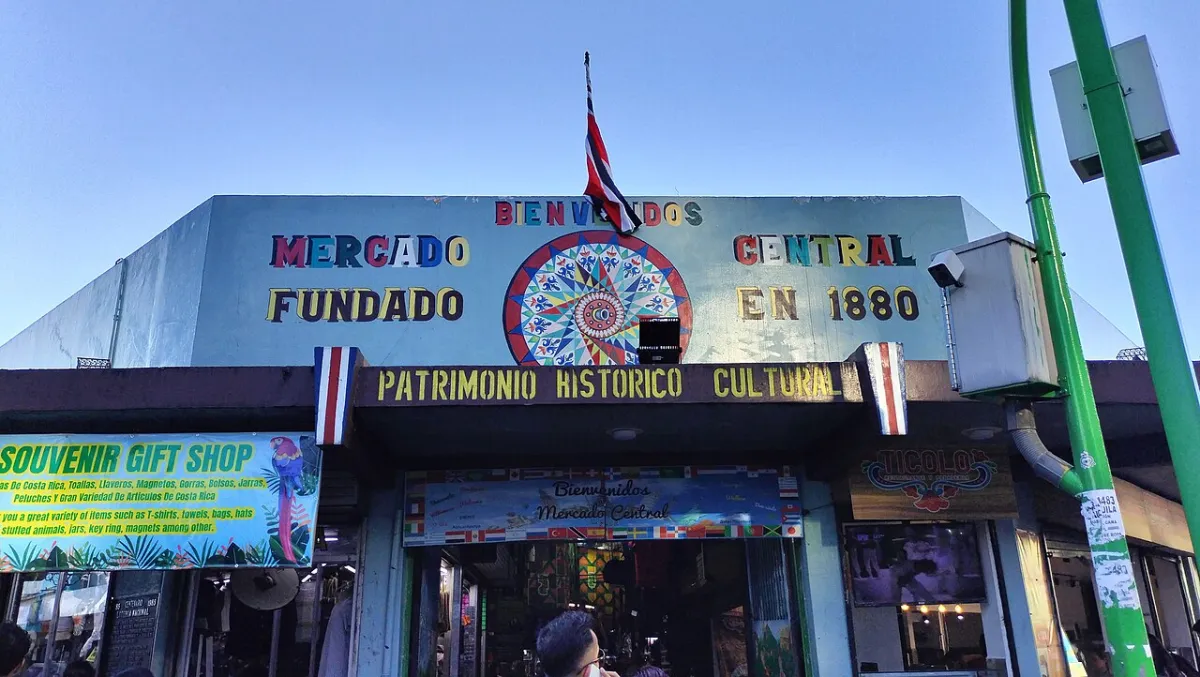
The Mercado Central image provides another kind of establishing view: the building name, facade and entrance identify the subject before an indoor detail or food photograph. Keep the original wording of visible signs when identifying the place. A picture of the entrance does not show which stalls are currently trading or grant permission for close portraits inside. Once there, choose an actual purchase or meal first and ask the person involved about a photograph instead of moving a camera from face to face.
Distinguish a historic city image from a current attraction
An old photograph may record a temporary artwork, event or street arrangement. It remains a useful cultural document without proving the object is still present. San José's historic CowParade imagery is one example: read the public-art context rather than assuming the original exhibition can be visited today.
If you are planning to find a specific work, verify its current location through an institution or a current local source. Keep the work's artist and title when known, and do not invent an English title or attribution to make a caption sound complete.
Plan the walk around conditions and the return
Light changes the appearance of a façade, but weather and the safe walking route should decide the visit before a hypothetical golden-hour frame. If photographing near dusk, settle the return transport in advance and avoid carrying more equipment than you can manage discreetly. Do not rely on an unlit shortcut because it appears shorter on a map.
Choose a place to review images away from the moving pedestrian flow. Keep spare power and the accommodation address available, and avoid leaving equipment in a parked car. A shared museum or food stop provides a natural pause without turning the outing into an endurance walk.
Choose a compact sequence instead of a city checklist
For one cultural outing, choose the National Theatre and Plaza de la Cultura area as one group of exterior subjects, then decide whether the National Museum area or Mercado Central is the useful next part of your day. They offer different material: formal architecture and civic space, museum approaches, or a working market. This is a choice of photographic themes, not a prescribed walking time or a promise that every intervening route suits every visitor.
Choose one interior visit rather than assuming several entries fit automatically between exterior photographs. Check the institution’s own current programme and route, then allow room for looking as well as taking pictures. End the sequence with a small detail that belongs to the subject you actually visited—a doorway, material, sign or purchased dish. Together, a wide setting, a specific place and a carefully described detail make a clearer city story than several unrelated facades without location notes.
Use cultural visits to deepen the sequence

The tourism board's museum introduction helps identify subjects, while the official cultural agenda lists dated activities. Check the institution's own visitor information before arranging an interior photograph or event.
Read History & Culture for context and Photo Spots for other Costa Rica subjects. Source pages were reviewed on 2 November 2026; a current event or interior visit still needs its own date and permission check.
San José FAQs
Is San José worth photographing beyond the National Theatre?
Yes. Streets, public spaces, food and cultural details can produce a varied city sequence. Choose a manageable route and specific subjects rather than trying to cover every neighbourhood.
May I photograph people in the street?
Ask before making a close or identifiable portrait, respect a refusal and take particular care around children and sensitive situations. Public visibility is not a reason to disregard consent.
Can I use an old public-art photo to plan a visit?
Use it as historical context, then verify the work’s current location. A temporary exhibition or past street arrangement does not prove the same attraction remains accessible.
Do all museum interiors permit photography?
No single rule applies. Ask the actual institution about current exhibitions, flash, equipment and image use before making interior photographs.
How can I avoid an inaccurate city caption?
Record the actual building, location, room and subject. Use a general honest description when uncertain, rather than guessing an institution, artist or work title.