
COSTA RICA TRAVEL GUIDE
Costa Rica Travel Costs & Money: Budgets, Cards & Cash
A useful Costa Rica travel budget follows your route, dates and group size. A shared room, a per-person shuttle, a vehicle-day rental and an individual park ticket use different units; combine them only after deciding who is travelling and how many nights and transfer days are involved. A cheap room outside town may cost more overall when every meal and outing needs a ride.
Keep colón (CRC) and U.S. dollar (USD) amounts separate until you apply a clearly dated conversion. The Banco Central de Costa Rica publishes reference buying and selling rates. Your bank, payment card, cash exchange desk or merchant can apply a different effective rate and fees. A reference rate is a comparison tool rather than a promise about your transaction.
Swipe horizontally if needed to compare all columns.
| Cost | Unit and often-missed addition |
|---|---|
| Accommodation | Total room cost × occupied nights, including taxes and compulsory charges; check meals and cancellation terms. |
| Shared/private transport | Per-person ticket or complete vehicle quote; include airport and local connections, not only the longest transfer. |
| Rental car | Complete rental total plus fuel, tolls and parking. Track the refundable/security hold separately from spending. |
| Parks and experiences | Applicable admission category, guide, transfer and equipment. Do not assume a package includes every element. |
| Meals and daily purchases | Use actual menus and your likely meal pattern; keep any hotel meal plan separate to avoid counting it twice. |
| Contingency | An uncommitted allowance for disruption or an alternative journey, plus available card capacity for holds. |
Two Dated Cost Examples—Not a Whole-Holiday Estimate
The following examples are narrow calculations from primary sources checked on 2 November 2026. They show how to use the correct category and unit. They are not national average prices, a daily budget or a quote for your travel dates. Recheck the live purchase page before committing.
SINAC’s current Spanish Manuel Antonio page publishes VAT-inclusive admission of US$18.08 for a non-resident adult older than twelve and US$5.65 for a non-resident child aged two to twelve. Two adults and one child in that category therefore total US$41.81 for admission alone: 2 × 18.08 + 5.65. This excludes a guide, transfer, parking, meals and every other trip expense.
Naviera Tambor’s Puntarenas–Paquera fare page lists an adult passenger fare of ₡810. Two adult passenger tickets at that published rate total ₡1,620 for one crossing. A vehicle is a separate tariff/category; neither that sum nor the park example includes transport between the port and a hotel. Keep the CRC ferry amount and USD admission amount in separate columns until using a dated conversion.
Swipe horizontally if needed to compare all columns.
| Example | Arithmetic and exclusions |
|---|---|
| Manuel Antonio: 2 non-resident adults + 1 non-resident child aged 2–12 | US$18.08 × 2 + US$5.65 = US$41.81 admission only, published VAT included. No guide, transport, food or parking. |
| Puntarenas–Paquera: 2 adult passenger tickets | ₡810 × 2 = ₡1,620 one-way passenger subtotal. No vehicle, local transfers or return crossing. |
Cards, Colones and Dollar Pricing
Colones are the national currency, while many tourism businesses also quote in dollars. Check which currency your booking will actually charge and whether the displayed total is final. If you pay a CRC bill with dollars, clarify the rate and the currency of the change before handing over cash. This matters particularly when comparing a small local purchase with a dollar-priced tourist service.
Carry enough small local cash for the parts of your route that need it, without carrying the entire trip budget in one place. Ask transport operators and smaller properties which methods they accept. Card acceptance in a region does not mean every park window, bus or rural café has a working terminal when you arrive.
When a terminal or ATM offers to convert the transaction into your home currency, compare that offer with your own card’s conversion conditions before deciding. Record the currency, amount and any fee on the receipt. A familiar currency displayed on the machine does not necessarily mean a better exchange rate.
Accommodation and Route Changes Usually Decide the Budget
Start with the actual nights in your itinerary. A seven-calendar-day trip in this guide has six accommodation nights, while its ten-day route has nine. Price rooms for the same occupancy and conditions; a room-only non-refundable offer should not be compared as though it were a flexible stay with breakfast for the whole group.
Look beyond the headline nightly rate. Compare the cost and practicality of dinner, parking, laundry and transport to your main activities. A more central room can save repeated rides; a remote retreat may be good value when you intend to enjoy its facilities and meal arrangements. Neither setting is universally cheaper.
Every base change creates another transport purchase or vehicle day and can fragment useful sightseeing time. Before cutting meal spending, consider whether removing one distant region would improve both the budget and the pace. A simpler route often avoids costs that a collection of small discounts cannot compensate for.
Compare the Full Transport and Activity Cost

For a shuttle, multiply the applicable per-person fare by everyone paying, then add separate airport and local journeys. For a private transfer, compare the full group quote and what it includes. For a car, use the supplier’s complete rental total and add the route’s likely fuel, parking and toll costs from current information. Keep the security deposit in a cash-flow note rather than adding it as a non-refundable expense.
For nature activities, ask whether the quoted product contains admission, a guide, hotel pickup, equipment and taxes. A protected-area ticket and a commercial guided excursion can be separate purchases. Avoid buying the same admission twice through overlapping products, and do not treat a higher-priced package as better without understanding its time ashore or actual route.
Use Getting Around for the transport trade-offs and Car Rental for the coverage and deposit questions. When an optional activity is weather-sensitive, read the cancellation and rescheduling terms rather than assuming a refund will fund your replacement day.
Meals, Contingency and a Budget You Can Use
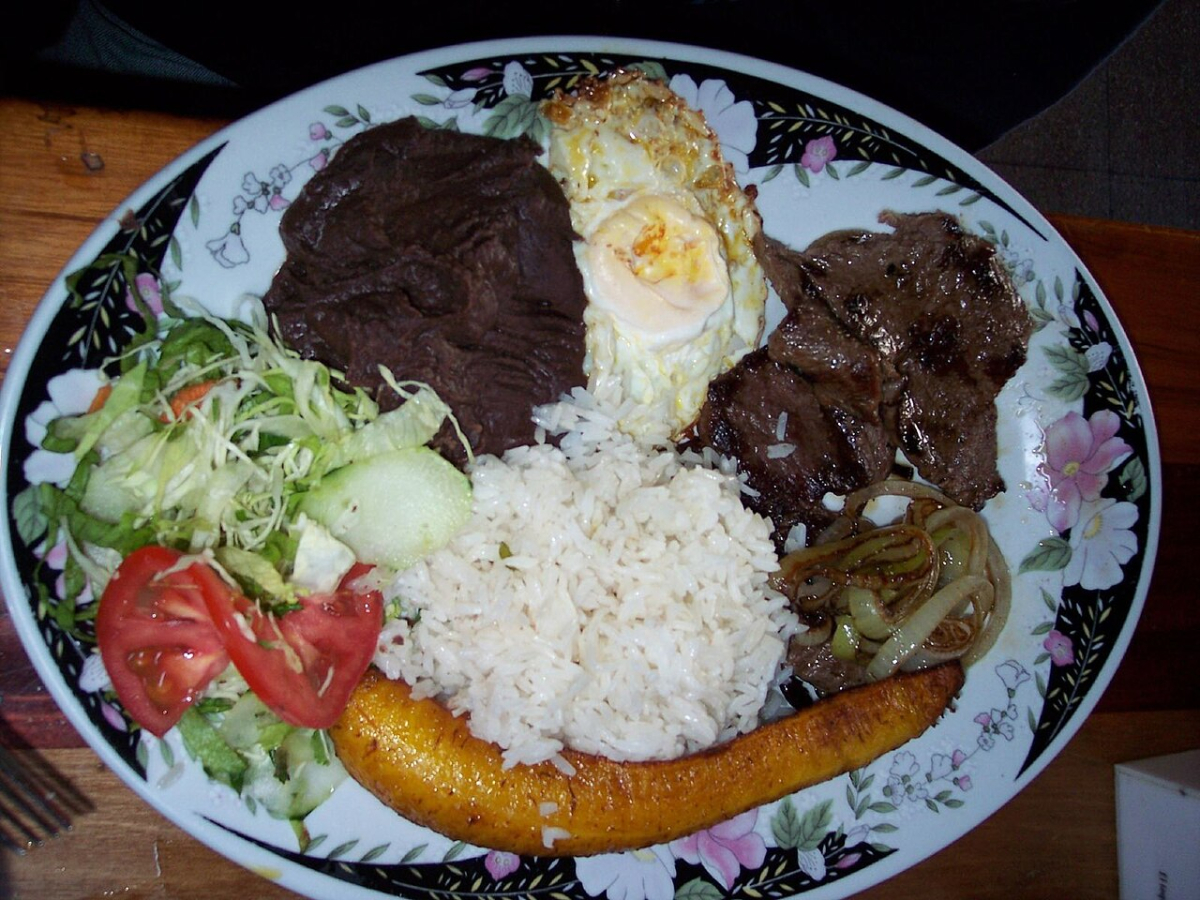
Use menus in the place you will actually stay. A resort meal plan, town café and self-catering apartment create different daily patterns. Include breakfast if it is not in the room, drinking water where needed, snacks on transfer days and any dietary requirement that narrows your options. A national “cheap meal” claim is less useful than knowing what is available near your room after arrival.
Keep a contingency that you can choose not to spend. It can cover an unexpected gateway night, replacement transfer or an interrupted plan; it should not be silently absorbed into an itinerary that already uses every available dollar. Separate this reserve from a rental hold so you know what is spendable.
After obtaining your principal quotes, write one trip total with its scope: people, dates, nights, activities included and exclusions such as international flights. Revise it when the route changes. For four-week accommodation and recurring expenses, use Longer Stays & Costs rather than multiplying a short holiday’s busiest day by thirty.
Travel Costs & Money FAQs
What currency should I budget in for Costa Rica?
Keep CRC and USD quotes in separate columns, then apply a dated comparison rate. The card, bank or merchant rate and fees may differ from the central-bank reference.
How much is the worked Manuel Antonio family admission example?
The published categories checked on 2 November 2026 give US$41.81 for two non-resident adults and one non-resident child aged two to twelve, admission only with published VAT included.
Does the ₡1,620 ferry example include a car?
No. It is two adult passenger tickets at the published ₡810 rate for one Puntarenas–Paquera crossing. Vehicle and other journeys are separate.
Should I count a rental deposit as holiday spending?
Track it separately as a security hold that affects available funds. The contract controls deductions and release; it is different from the rental price.
Is a cheaper out-of-town hotel always better for the budget?
No. Add meal and activity transfers, parking and any compulsory package before comparing the complete stay.
Can I use one daily price as a complete Costa Rica budget?
A daily figure is only useful when its people, nights, transport, activities and exclusions are explicit. Build the route and actual quotes first.



