
ASIA · MALDIVES GUIDE
Where to Stay in the Maldives: Islands, Atolls and Bases
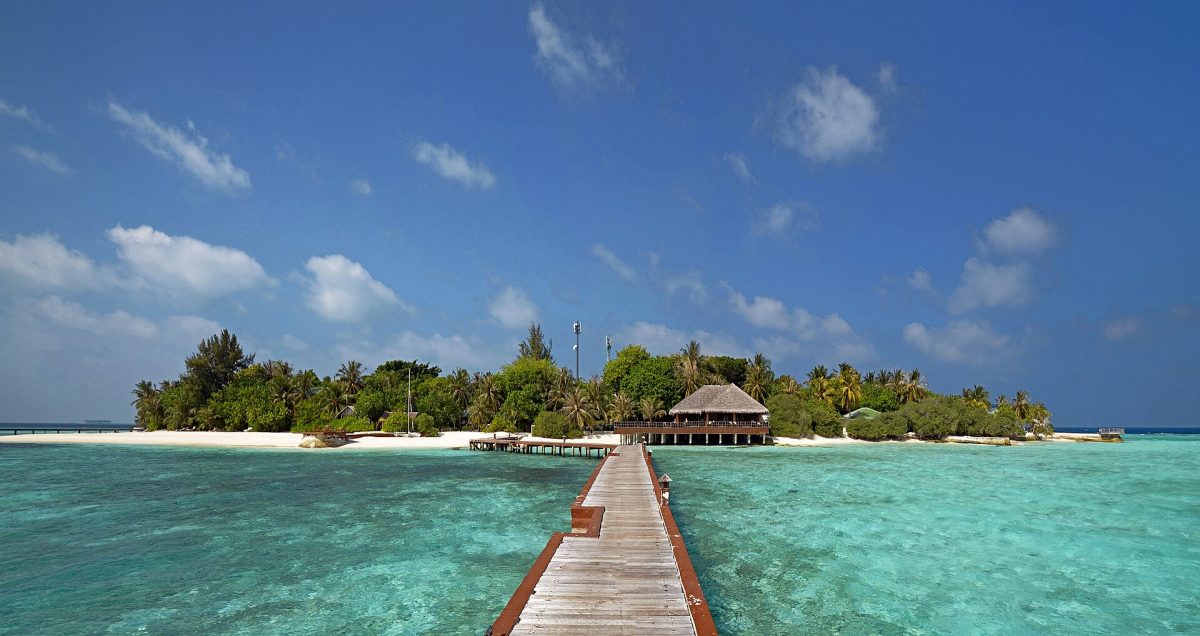
Choosing where to stay in the Maldives is partly a geography decision and partly a choice about how the holiday will work each day. A room photograph cannot tell you whether you will need a costly transfer, enjoy the available dining plan or find suitable water access. Begin with the kind of island experience you want, then narrow the region and accommodation. A short first trip may benefit from fewer connections; a wildlife-focused holiday may justify travelling farther and staying longer. This guide compares bases and accommodation models. For individual named properties and room considerations, use Maldives hotels and resorts; for a guesthouse-focused comparison, see local islands.
Choose the island model before the room
A private-island resort usually concentrates accommodation, dining and leisure facilities under one operator. That simplifies some decisions but makes the property’s actual restaurant choices, activity pricing and policies especially important. Check what you will do on an ordinary day, including a rainy one. An impressive villa does not compensate for a meal plan or island atmosphere that does not suit you.
A guesthouse on an inhabited island gives access to a community setting and potentially several local eating places. It also means observing local dress and beach rules, checking transfers with a host and understanding which excursions require a boat. The experience is different from unlimited resort access; a nearby private island is not automatically open for a casual visit.
A liveaboard makes the vessel the base and the route part of the holiday. It can suit a specialised marine trip, but cabin space, motion, activity eligibility and the operator’s daily plan need careful consideration. For a mixed-interest group, make sure the least enthusiastic diver or boat passenger has a holiday they will enjoy too.
Malé and Hulhumalé for an arrival or departure base
The airport area can be a useful practical stop rather than the holiday’s main beach destination. An overnight stay may absorb a late international arrival, an early departure or a transfer that cannot connect comfortably on the same day. Choose accommodation by the confirmed airport transport and check-in arrangements, not by a map pin that merely appears close.
Malé offers a city setting with heritage, markets and urban life; Hulhumalé has a different layout and can suit a straightforward stopover. Ask which island the property is on, how you will meet the driver or representative and whether the quoted airport transfer is included for your actual flight time. A property’s name can contain “airport” without being inside the terminal.
If you want sightseeing, leave enough time after luggage and transfer arrangements. Keep overnight essentials accessible so a single stop does not require unpacking everything. Use airports and transfers to join this stop logically to your main accommodation rather than booking two unrelated journeys.
The Malé atolls for a transfer-conscious holiday
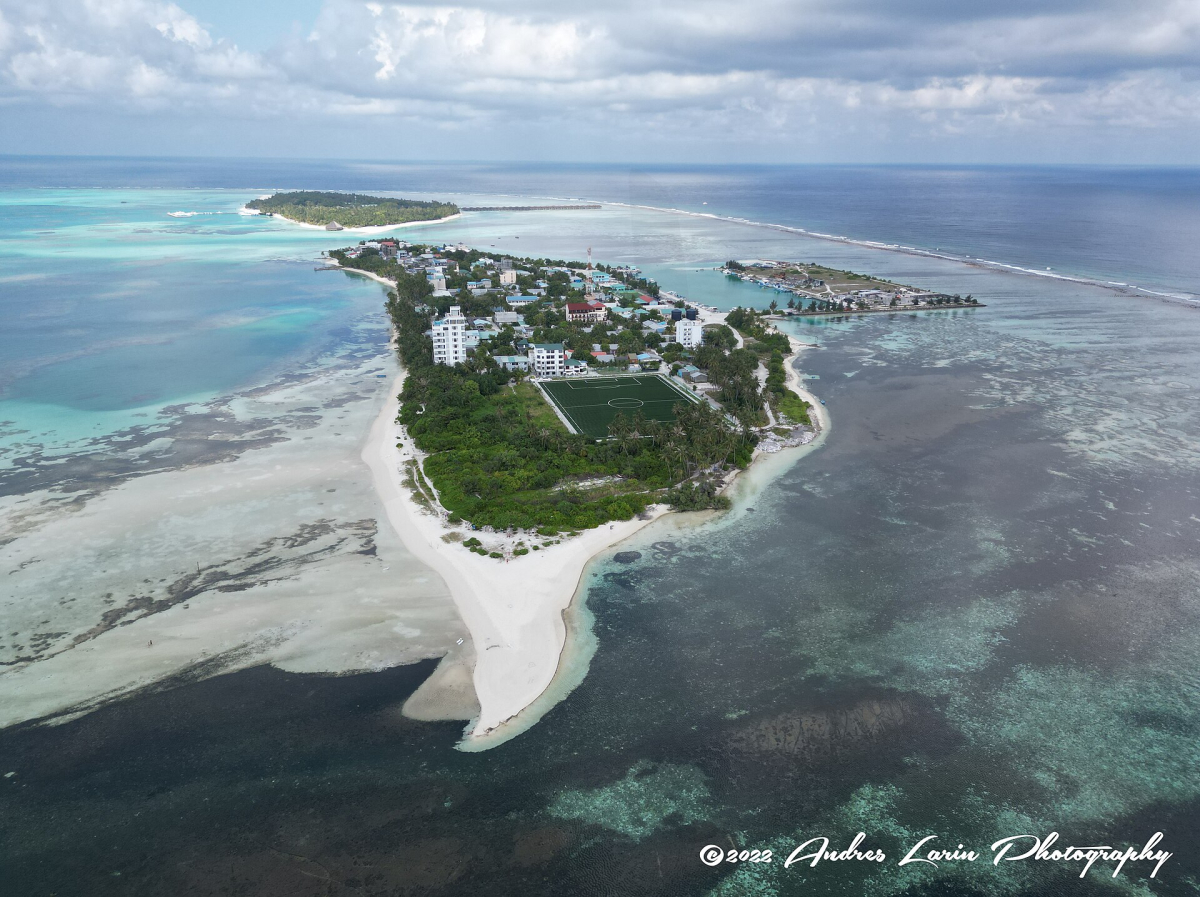
North and South Malé-area bases are worth comparing when a manageable arrival and departure matter. Do not assume every property in the region has the same connection: boat type, route, operating conditions and the property’s schedule determine the real experience. Ask for door-to-door arrangements and the latest flight connection they recommend.
This is a useful starting region for a short stay, a family concerned about multiple transfers or travellers who want their budget concentrated on accommodation and activities. You still need to compare the exact island’s beach, reef access, room location and nearby boat activity. A shorter distance does not automatically mean a quieter beach or better snorkelling.
For surfers, the tourism board identifies a number of North Malé reef breaks. A surf interest can therefore influence the base, but access arrangements and ability matter more than the atoll name alone. Confirm the relevant operator and any permitted access before reserving a stay mainly for a specific wave.
Baa, Ari and farther regions for a particular purpose
Choose a more distant region when it gives you a specific experience you value, and give it enough nights to justify the journey. Baa is a clear example for travellers interested in its marine conservation setting: UNESCO identifies it as a biosphere reserve. That designation applies to a landscape and communities, not a guarantee that every beach or operator provides the same experience.
Ari can be considered for marine-focused holidays, while Laamu, Addu and the north offer other regional reasons to travel. Avoid reducing these places to interchangeable resort addresses. Use the map and regions guide to understand their position and ask accommodation providers about the actual activities accessible from their island.
If one wildlife goal drives the choice, check seasonal suitability and excursion distance before committing. Staying in the same atoll does not mean every site is a short boat ride. Keep a few uncommitted days and accept that sightings are uncertain. A second region should contribute a distinct purpose rather than a repeated villa-and-beach experience.
Compare beach, reef and room location separately
A wide sandy lagoon, a house reef and a sheltered swimming entry are different features. Ask for a current island map showing swimming areas, boat lanes, reef access and room categories. A water villa may face deep water, a channel or a jetty rather than the shallow beach scene you imagined. A beach villa may have better shade but a busier path nearby.
Think through the daily route: room to breakfast, shaded rest area, pool, activity centre and evening dining. Travellers with limited mobility, parents using a stroller and anyone sensitive to heat should request practical distances and surface details. “Accessible” or “family friendly” marketing needs to be translated into the exact tasks your group will undertake.
Ask about works, beach change and the orientation of the room category you are booking. Images can be older than the current beach condition or show a different category. Match the written room description, occupancy and cancellation terms to your priorities, then compare the final total in the budget guide.
Compare the accommodation models
This comparison describes planning tradeoffs rather than fixed prices or service promises. Verify each feature with the individual property or operator. A good choice balances the stay itself with the cost and effort of reaching it.
| Base type | Works well when | Check carefully |
|---|---|---|
| Private-island resort | You want facilities and meals managed in one place | Dining plan, island atmosphere and transfer total |
| Local-island guesthouse | You want community context and flexible local choices | Beach rules, excursion costs and host-arranged transfers |
| Liveaboard | The route and marine programme are the holiday | Experience requirements, motion, cabin and daily schedule |
| Airport-area stopover | Flight timing needs an overnight buffer | Exact island, collection and late/early service |
| Two-base holiday | Each base adds a clearly different experience | Transfer routing, lost time and separate cancellation terms |
Scroll the table sideways to compare all columns.
Book in the order that protects the whole trip
Shortlist the accommodation model and region, request the complete transfer arrangement, and then compare the room and dining package. A room-only bargain can become poor value once compulsory transport and meals are added. Check child ages, extra beds and any seasonal supplements in the same quote. Decide whether flexibility is worth a higher room rate before committing to non-refundable terms.
For a split stay, have both properties confirm how the change will work. It may require returning through the main airport area rather than crossing directly between islands. Do not pay for two disconnected stays while assuming a convenient inter-island transfer will appear later. Our transport guide explains the questions to ask.
Finally, keep a realistic number of moves for the nights available. One well-chosen base gives time to learn the reef, adjust to the climate and reschedule a cancelled activity. For longer holidays, a local-island and resort combination can provide contrast when the routing is practical. Use Maldives itineraries to test the sequence before payment.
Frequently asked questions
Which area is best for a first Maldives trip?
Start by comparing practical Malé-atoll connections if your stay is short or transfer simplicity matters. Travel farther when a particular reef, wildlife interest or regional experience justifies the journey. There is no single best atoll for every visitor.
Should I choose a beach villa or a water villa?
Compare the actual entry, depth, shade, privacy and daily walking route. A water villa is a room setting rather than a promise of safe swimming; a beach villa can be more convenient for some families. Confirm category-specific child rules.
Can I combine a local island and a resort?
Yes, when both stays and the transfer between them form a confirmed route. Ask whether you need to return through the airport area and include the lost time and cost before booking.
Is a distant resort more private or better?
Distance alone does not establish quality or privacy. Room layout, island capacity, beach access, boat activity and the resort’s policies matter. Choose a distant base for a clear reason, not simply because it looks remote on a map.



