
ASIA · MALDIVES GUIDE
Longer Stays in the Maldives: Weekly Costs, Island Life & Practical Planning

Spending several weeks in the Maldives changes the questions you need to ask. A room that works beautifully for five nights may be uncomfortable for a month, and a low weekly price can conceal expensive meals, repeated transfers or unsuitable working conditions. Evaluate an ordinary week, including shopping, laundry, connectivity and days when you do not book an excursion.
This guide is for planning a longer visit, not for assuming permission to live or work in the country. Settle immigration eligibility before entering a long accommodation commitment. Then compare a single local-island base, a resort stay or a carefully planned combination. The aim is to understand the practical cost of your routine rather than extrapolate a short holiday advertisement into a monthly budget.
Resolve the lawful length and purpose of your stay first
A long hotel reservation does not itself create a right to remain in the country. Check the permission that applies to your nationality and purpose with Maldives Immigration, and read the visa and entry guide before committing money. If your plans involve employment, clients, paid services or another business activity, ask about the appropriate route instead of assuming a tourist stay covers it.
Do not build a budget on a promised extension unless you understand the official procedure and its conditions. An accommodation provider can assist with practical information, but cannot guarantee an immigration decision. Keep a dated record of the advice you receive and the permission actually granted. Book additional nights only when their cancellation conditions match your situation. This is especially important if a supplier asks for an entire multiweek stay in advance or describes a non-refundable room as a substitute for formal eligibility.
Choose a base for daily life rather than excursion photographs
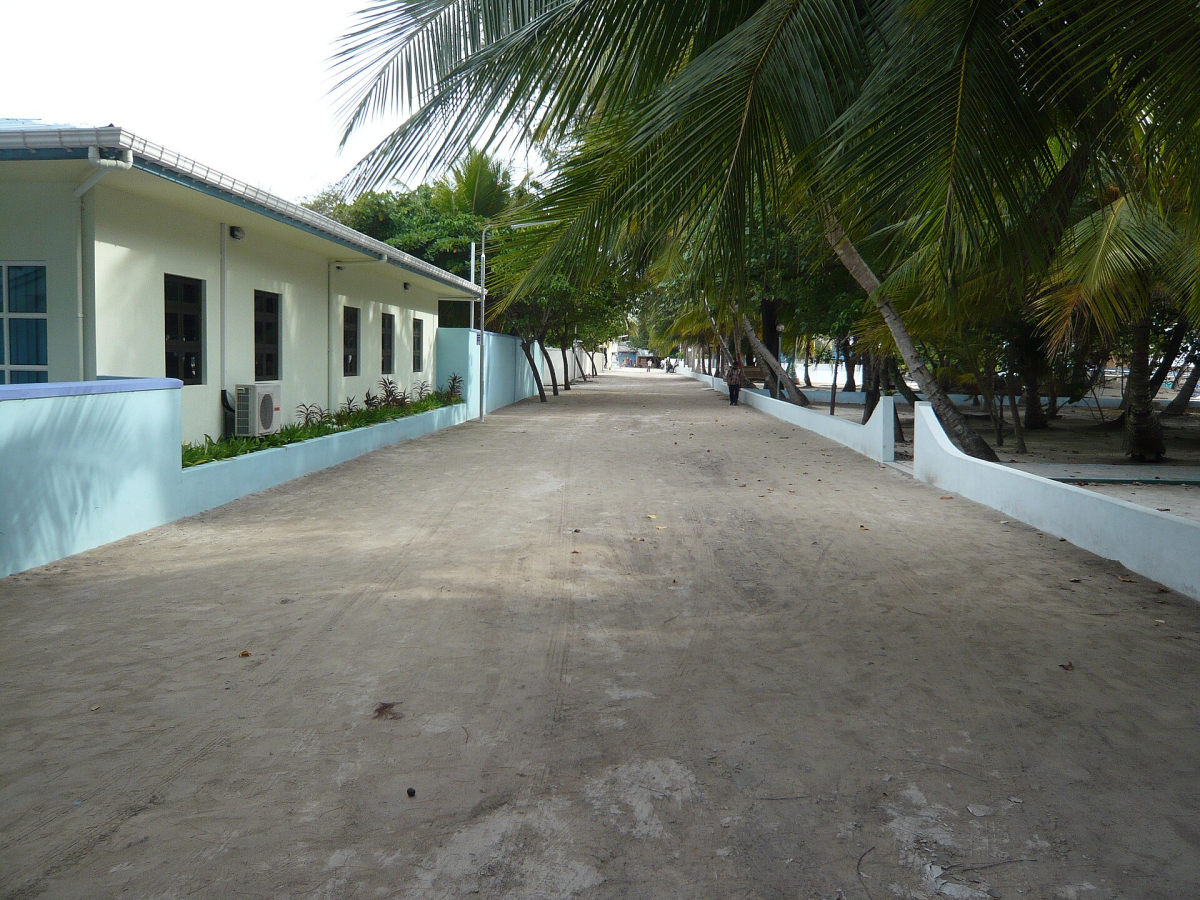
List the things you need within an ordinary day: a comfortable place to sleep, somewhere to eat without advance arrangements, suitable walking routes, laundry, drinking water and a manageable connection to medical care. Ask the property how these work on that particular island. A local-island stay and a resort provide different daily environments; neither label alone tells you the room quality, services or total cost.
Consider room location as carefully as the island. Ask about noise from nearby work, morning activity, boat engines, generators or an adjacent restaurant. Request the actual room category, natural light and any desk arrangement if you expect to read or use a laptop. Outdoor seating is useful only if it is comfortable in local weather and has appropriate privacy. For a first long stay, a shorter initial booking with a clear extension option may be more valuable than the maximum advance discount.
Build a weekly budget with separate fixed and recurring costs
| Cost type | Include | Question to settle |
|---|---|---|
| One-off journey | Flights, return island transport and necessary transit night | Does a change of base trigger another journey through a hub? |
| Accommodation | Actual room category, cleaning, bedding and applicable charges | Is the weekly rate conditional on advance non-refundable payment? |
| Daily routine | Meals, drinking water, laundry and communications | Which items are included and which are billed individually? |
| Optional activities | Planned diving, excursions and equipment | Would you still enjoy the base during a quiet week? |
| Flexibility | Changes, insurance excess and a practical departure reserve | Can you leave early without losing the entire balance? |
Scroll the table sideways to compare all columns.
Use the travel costs and money guide for tax terminology and complete-price comparison. Do not multiply a promotional nightly price by thirty and call it the monthly cost. Ask which charges continue throughout the stay and whether long-stay housekeeping or meal arrangements differ from normal bookings. Keep your own currency and the supplier’s billing currency visible in the calculation.
Ask for a long-stay agreement you can actually use
Confirm the exact room, number of occupants, arrival and departure dates, payment schedule and cancellation conditions in writing. A flexible enquiry such as “approximately four weeks” is not a reliable basis for a final price. Ask whether you could be moved to another room partway through, whether a seasonal minimum applies and what happens if you need to depart early for medical or family reasons.
Check cleaning frequency, towels, bedding changes and laundry charges. If a fridge or kitchenette matters, ask for its actual facilities rather than inferring them from a room name. Confirm whether cooking is allowed, what utensils are present and where supplies can realistically be obtained. Find out how maintenance problems are reported and whether staff are available overnight. A lower rate with weak housekeeping or an uncomfortable room can become poor value long before the end of the second week.
Check internet and power for your actual needs
If reliable connectivity matters, describe what you need to do: video calls, uploading photographs, online banking or downloading large files. Ask for recent information from the room or building you will use, rather than a general claim that the island has coverage. Shared Wi-Fi can perform differently at busy times, and a mobile-data backup still depends on the local signal, the device and the plan.
Test the service during the first part of the stay where possible, before extending a flexible booking. Have an alternative for essential communication and avoid leaving a critical payment or document download until the last moment. Bring suitable chargers and check the property’s socket information. If you use medically necessary powered equipment, discuss supply interruptions, backup arrangements and transport batteries separately. The travel essentials page covers the wider preparation checklist; internet access does not establish permission to work.
Plan meals, errands and a week with no major excursion
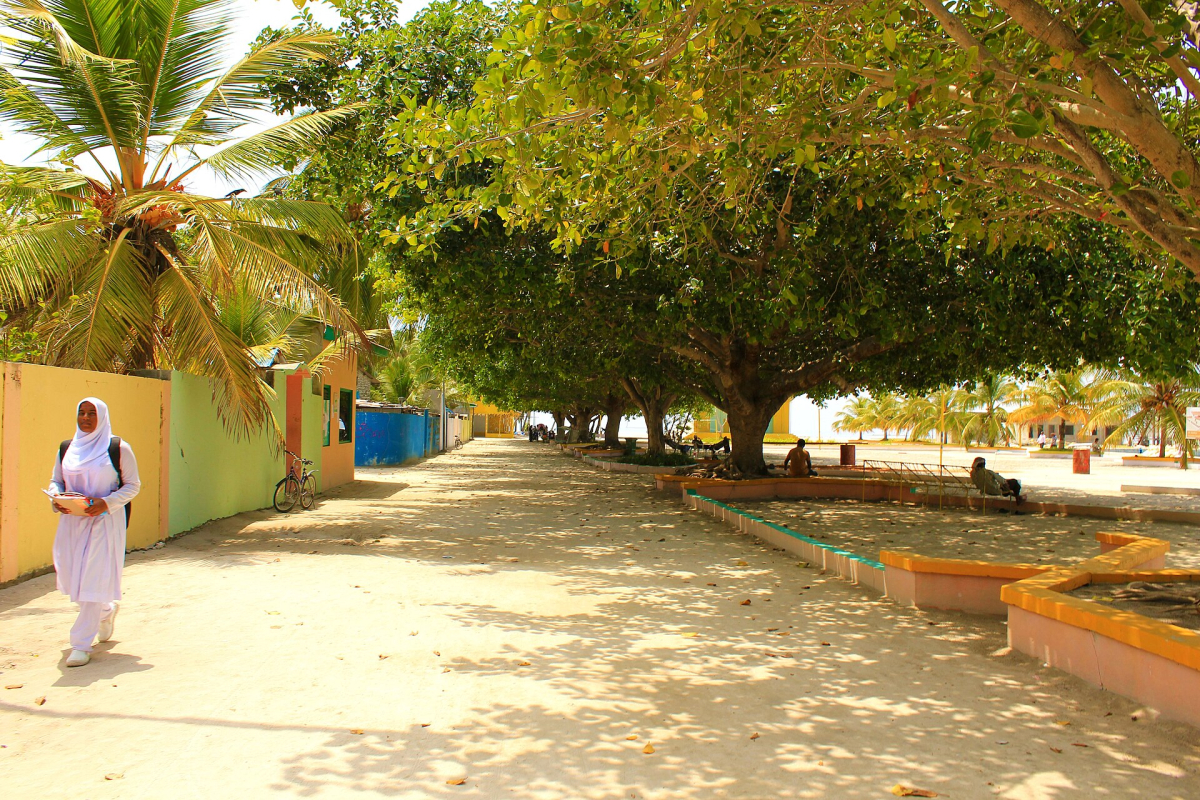
A longer stay needs an enjoyable routine, not a daily list of expensive outings. Walk through a normal week on paper. Where will breakfast and dinner come from? Can your dietary needs be met consistently? How will you obtain drinking water, do laundry and replace a small essential? Ask about opening days, ordering arrangements and any advance notice required for supplies or special meals.
Respect the expectations of the island where you are staying. Appropriate clothing and public behaviour can differ from a resort environment, and a local community is not a private holiday compound. Learn which beach areas are intended for visitor swimwear, ask before photographing people, and avoid assuming every service is available late at night. Build some language and cultural curiosity into your routine. A good long-stay choice supports a comfortable relationship with the place as well as a manageable price.
Keep healthcare and departure practical throughout the stay
Check whether your insurance covers the entire trip length and your planned activities. Some policies that suit a short holiday have limits that matter on a longer visit; read the wording and ask the insurer about your exact dates. Carry necessary prescriptions and documentation, and discuss ongoing care before departure. Ask the property how medical help is reached from the island and how weather could affect transport.
Keep enough financial and scheduling flexibility to leave without relying on a single fragile connection. Reconfirm the return route and international flight details while you still have time to adjust. If you plan to change islands, compare the move with the benefit it adds rather than treating another transfer as a casual day trip. Keep entry permission, insurance dates and accommodation dates aligned. A successful multiweek stay ends with a planned departure, not an avoidable scramble to resolve expiring documents or unavailable transport.
Frequently asked questions
Is it cheaper to stay in the Maldives for a month?
A property may offer a longer-stay rate, but the full cost depends on meals, recurring charges, transport and the booking conditions. Compare an itemized weekly routine and cancellation terms. Do not assume a lower nightly rate means the total stay is affordable.
Can I work remotely on a tourist stay?
Do not infer immigration permission from a hotel’s Wi-Fi, a laptop-friendly room or an online description. Explain your actual activities to Maldives Immigration and obtain the appropriate advice before committing to travel. This guide does not establish eligibility for employment or business activity.
Should I reserve the whole stay before arrival?
Entry requirements and your accommodation documentation still need to be satisfied. Within those requirements, compare flexibility carefully. A clear initial booking and an agreed extension option can reduce room-quality risk, but only if the arrangement fits your lawful stay and the property’s availability.
What matters most when choosing a long-stay room?
Comfort during an ordinary day: quiet, ventilation or air conditioning, appropriate light, useful storage, dependable services and clear housekeeping arrangements. Ask for the actual room details and current surroundings rather than choosing solely from beach photographs.



