
ASIA · MALDIVES GUIDE
Best Time to Visit the Maldives: Weather, Seasons & Trip Priorities

The best time to visit the Maldives depends on what you want from the water as much as what you want from the sky. A beach-focused holiday, an island-hopping trip and a week built around a particular marine encounter can favour different dates. Start with the season, then check the location of your island and the activities actually offered from it.
This guide explains the official monsoon pattern without treating it as a promise for an individual week. It also helps you decide where to spend extra money: on preferred dates, a more convenient transfer, a longer stay or accommodation with worthwhile alternatives when excursions cannot run. For choosing the island itself, use Where to Stay in the Maldives.
Understand the two monsoons before choosing dates
The Maldives Meteorological Service places the northeast dry monsoon in January to March and the southwest wet monsoon from approximately mid-May to November. December and April are transitional months. This is more precise than labelling the same six months as an identical nationwide season. Seasonal descriptions refer to long-term patterns; weather systems do not change neatly on the first day of a calendar month.
For a first visit centred on outdoor beach time, January to March is a reasonable starting shortlist. For a trip whose dates are fixed elsewhere in the year, investigate the actual island, transfer and available activities before ruling it out. A wet-season booking needs tolerance for changes and a comfortable place to spend a slow afternoon. A dry-season booking still needs a rain plan. Avoid comparing packages using a sunshine guarantee that the supplier cannot explain in writing.
Match the season to your main decision
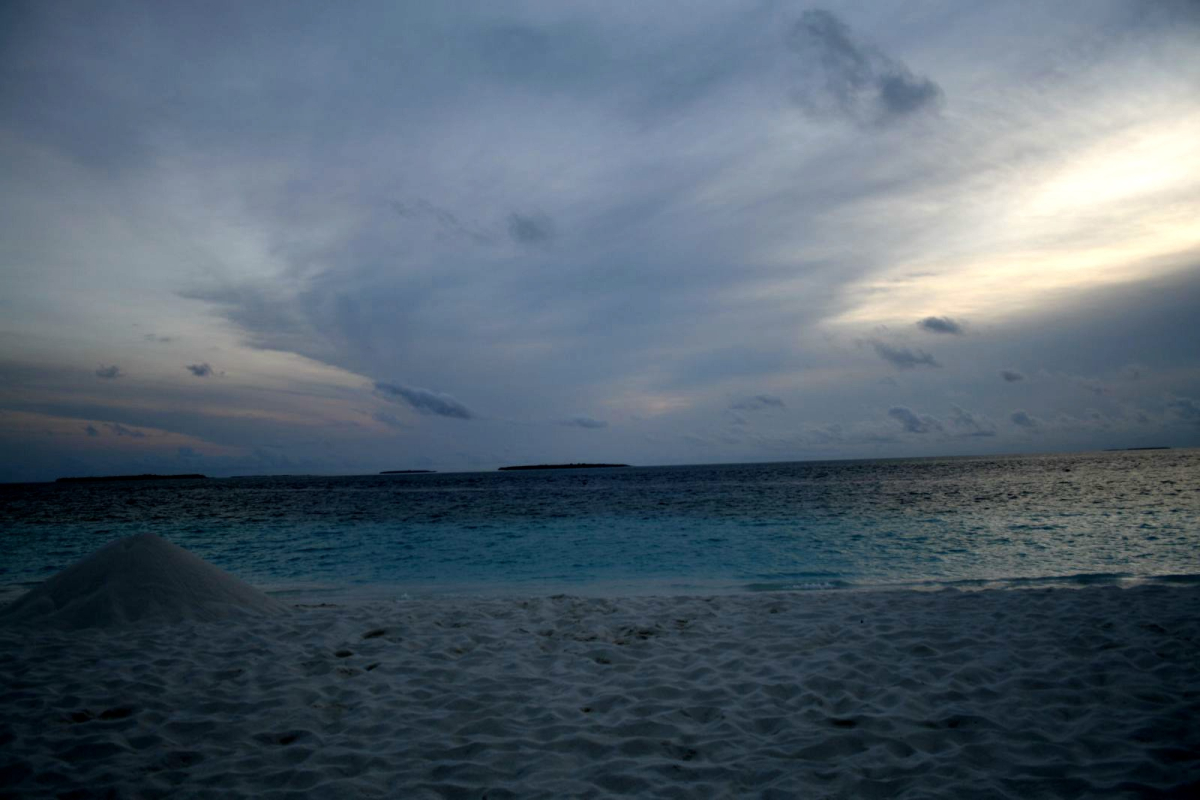
| Period | Useful starting point | Question before booking |
|---|---|---|
| January–March | Official dry-monsoon period; practical shortlist for beach priorities | Does the complete price justify your preferred dates? |
| April and December | Transition periods; keep day plans adaptable | Can important water activities move between days? |
| Mid-May–November | Official wet-monsoon period; greater need for flexible arrangements | What happens if sea conditions cancel your transfer or excursion? |
Scroll the table sideways to compare all columns.
Compare the same room category, board basis and return-transfer inclusion when evaluating different months. A lower room rate can be offset by an expensive transfer, a meal plan that excludes essentials or a non-refundable contract. Use the Maldives travel costs guide to compare complete totals. Do not assume every wet-season property is cheaper or that a particular booking window always produces a discount; availability and commercial terms vary.
Check the island, not only a Maldives weather average
The country extends across many atolls, so a national weather icon is a poor substitute for the conditions where you will stay. The official climate description notes a general north-to-south increase in rainfall. That does not make one island automatically the right choice, and it does not tell you the weather next Tuesday. Ask the accommodation which weather station or regional forecast is most relevant and whether your planned excursions operate in sheltered lagoons or across exposed channels.
The side of an island matters for daily experience too. When asking about a room, request its orientation, proximity to the swimming area, and the route to any entry point used for house-reef snorkelling. A pretty beach photograph does not establish that swimming is appropriate beside that particular villa. Construction, erosion protection, boat traffic and local water advice can also affect the usable beach. Ask for current information rather than relying on a photograph from an earlier season.
Choose dates around the activity you would most regret missing
If your main goal is diving, surfing or a particular wildlife encounter, work backwards from an operator with relevant local knowledge. Ask which sites they can actually reach from your proposed base, what experience they require and how many days they recommend leaving available. Broad statements such as “manta season” can conceal differences between atolls, feeding sites and individual excursions. Our diving and snorkelling guide separates activity planning from general beach-weather decisions.
Never make a once-in-a-lifetime wildlife encounter the only measure of whether the trip succeeds. Sightings are not guaranteed, and unsuitable conditions should mean changing the plan. A sensible booking identifies an enjoyable alternative before payment. Examples include a guided local-island walk, a cooking session if the property offers one, or simply a longer resort stay with flexible water time. A boat operator willing to cancel unsafe conditions is providing an essential part of the service, not failing to deliver sunshine.
Use extra days to improve flexibility
For a short holiday, the cost of losing a day to an arrival connection or an inter-island move is proportionally large. One base with a straightforward confirmed transfer can be a better use of a five-night trip than dividing it between distant atolls. A longer stay gives you more chances to move an excursion, but it should not become an excuse to book a fragile chain of transfers. Compare actual available days after arrival and before the return journey, rather than counting flight dates as full beach days.
Keep the most important water activity away from your final available session when practical. For diving, follow your operator’s guidance on the appropriate interval before flying and discuss your exact flight type and dive profile. Leave room for supplier decisions about weather. The Maldives itineraries help you judge whether adding a second island improves the trip or mainly adds packing, waiting and another exposed connection.
Plan for weather in your transfer contract
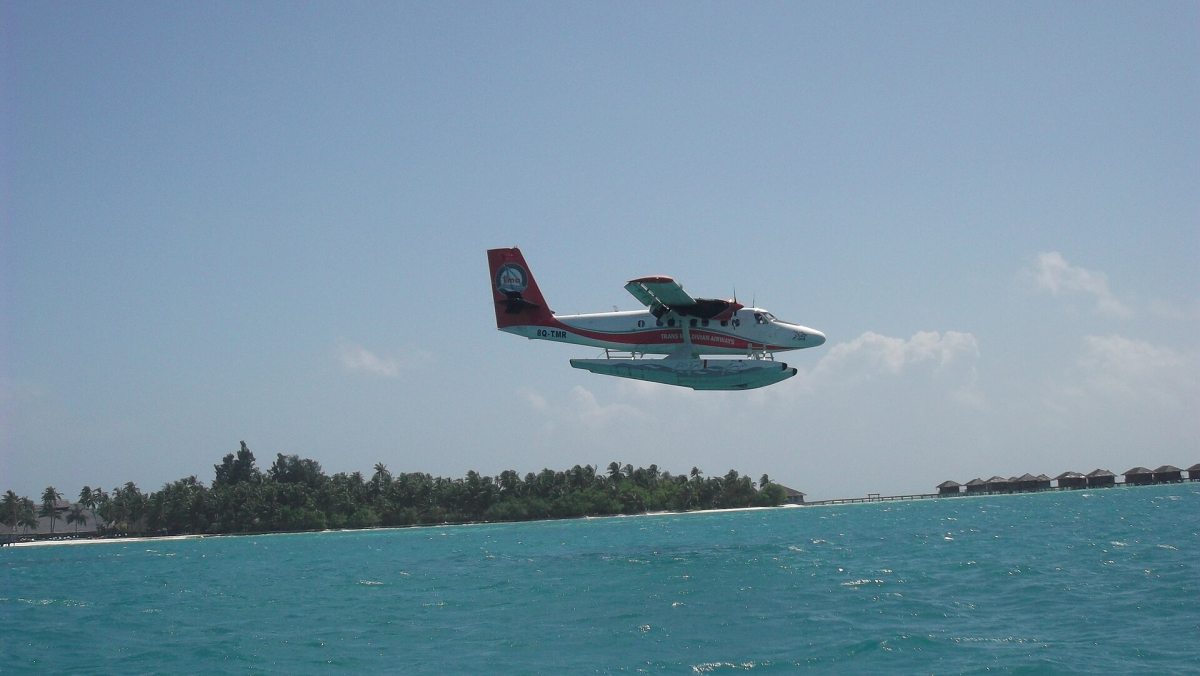
Season matters because a disrupted sea or air transfer can affect much more than an excursion. Before confirming accommodation, ask who rearranges transport, who contacts the airline, whether an alternative mode is possible and who pays for an unexpected transit night. A private boat is not automatically a safe fallback when a scheduled service is cancelled; the operator must decide whether the route can operate. Keep the accommodation and transport contact details available offline.
The official weather-awareness guidance explains hazards including strong winds, thunderstorms and rough seas that interrupt ferries. Consult MMS alerts near travel, then follow your operator’s instructions for the actual route. A forecast app showing a brief shower does not capture every marine hazard. Equally, an alert-free screenshot taken when you book is not evidence that conditions will be suitable months later.
Make a final booking decision with the whole trip in view
Write down three priorities before comparing dates: the experience you most want, the maximum complete budget, and the amount of schedule flexibility you can accept. Then request comparable written quotes for two realistic date ranges. Include the same number of nights, room, meals, taxes, Green Tax and return transfers. Where flights use different arrival times, add any necessary transit accommodation. This makes a seasonal comparison meaningful instead of treating the headline room price as the whole holiday.
Check cancellation terms for the accommodation and transfer separately. Ask when excursions can be reserved, whether payment is refundable if the operator cancels and whether unused activities in a package receive a credit. Keep an indoor or land-based option that your party actually enjoys. Recheck weather information closer to departure, and pack for sun, rain and air-conditioned transit. A well-chosen travel month helps; an island and booking arrangement that fit your needs do more to protect the quality of the trip.
Frequently asked questions
What is the driest time to visit the Maldives?
The Maldives Meteorological Service identifies January to March as the northeast dry monsoon. That is a useful starting point for beach-focused planning, but rain and changing sea conditions remain possible. Compare the actual island and complete booking terms as well as the month.
Is the Maldives worth visiting during the wet monsoon?
It can be, if you accept adaptable plans and select accommodation and transfers that suit your priorities. Do not assume all-day rain or guaranteed savings. Check the complete price and ask how weather cancellations, unused excursions and extra transit nights are handled.
Should I choose an atoll only because it is farther north?
No. Regional rainfall patterns are relevant, but transfer practicality, room choice, swimming advice and the experiences available from your base matter too. A broad climate tendency cannot guarantee the weather or water conditions at an individual property.
Can I book whale sharks or manta rays for a guaranteed date?
No responsible operator can guarantee a wild animal encounter. Choose a suitable base, leave several possible excursion days where practical, and confirm a clear cancellation policy. Book because the rest of the holiday works even if conditions or wildlife change the plan.



