
ASIA · MALDIVES GUIDE
Maldivian Food and Drink: What to Try and How to Order
Maldivian food often makes more sense when you think in meals rather than a checklist of dish names. A tuna-and-coconut breakfast, a bowl of fish broth with rice, or a few snacks with tea can introduce the country’s tastes without needing an elaborate tasting menu. Fish, coconut, starches, chilli and condiments appear in different forms, and recipes vary between kitchens. Ask what is being cooked and how it is served. This guide explains foods and ordering choices; the Maldives restaurants guide covers where to eat, venue access and reservations. For the everyday setting of a guesthouse holiday, see local islands.
Start with mas huni and roshi
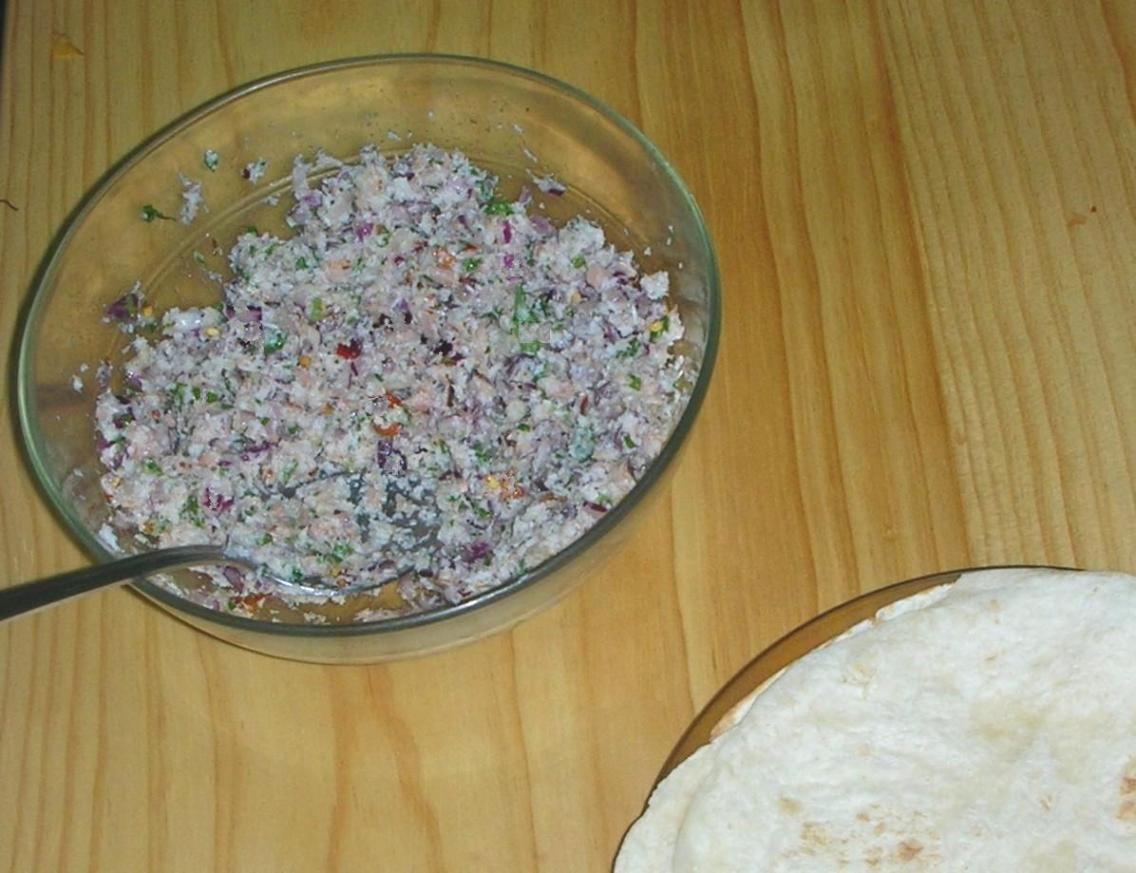
Mas huni is a useful first breakfast to ask about: tuna mixed with coconut, onion, chilli and citrus, typically eaten with roshi flatbread. The tourism board’s recipe uses smoked or canned tuna, illustrating why it should not be described as one universal raw-fish preparation. A kitchen may adjust ingredients and heat to its own style.
Ask whether it is available at breakfast and how the kitchen usually serves it. Rather than requesting a large tasting spread immediately, try a portion with roshi and then decide what else you want. If chilli is a concern, discuss that before preparation rather than assuming a condiment is the only source of heat.
A resort buffet may offer local dishes among international options, while a guesthouse may prepare a set breakfast. Both can be good introductions when the dish is identified clearly. If you avoid fish, ask for an alternative explicitly: removing a visible piece does not turn a mixed tuna dish into a vegetarian meal.
Understand broth, rice, fish and accompaniments
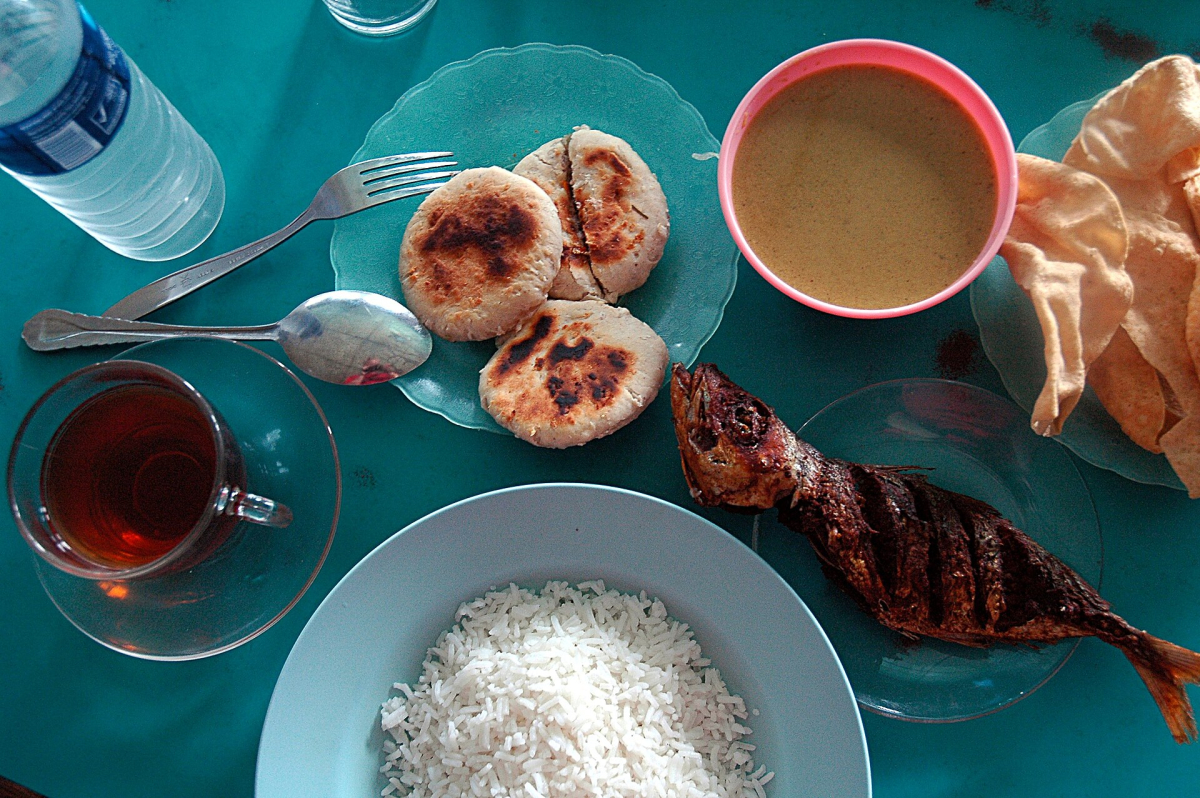
Garudhiya is a fish broth commonly eaten as part of a meal with rice and accompaniments. The official cuisine introduction describes this meal alongside the central role of fish and coconut. Ask the server how the components are usually combined instead of treating every bowl as a separate Western-style course.
Other dishes can bring spiced fish, rice and condiments into a fuller meal. The point is to recognise the structure: what is the main protein, which starch comes with it, and which additions are hot, sour or concentrated? This makes ordering easier and helps avoid paying for duplicate sides simply because their names are unfamiliar.
Ask whether a portion is intended for one person or sharing, and whether rice or roshi is included. A menu translated into English may simplify an ingredient description, so tell staff about requirements before ordering. For a first meal, choose a manageable combination and leave room to try a different preparation another day.
Try hedhikaa as a tea-time experience
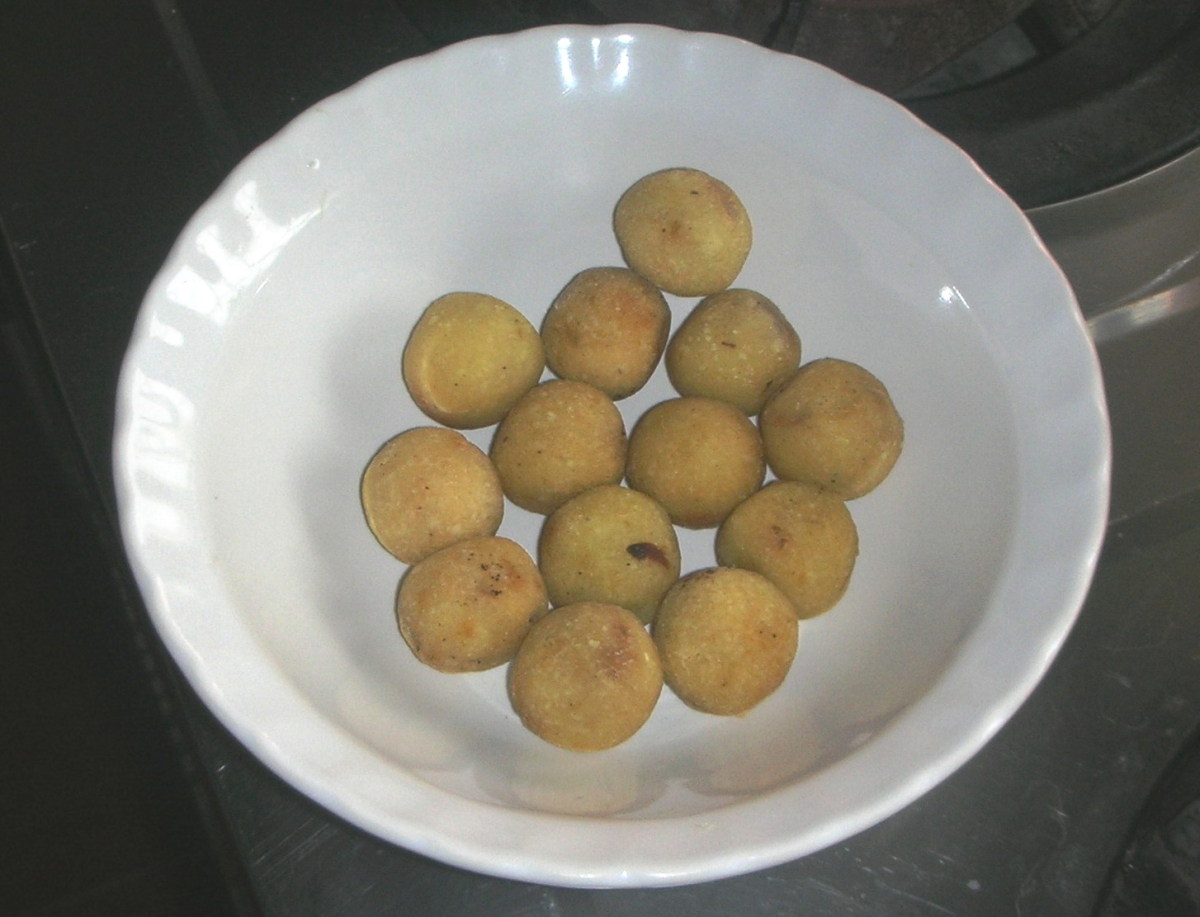
Hedhikaa refers to small snacks associated with tea, with savoury and sweet options. Fish-filled examples can include gulha, bajiya and mas roshi, while other preparations vary by kitchen. Ask what is inside each item rather than choosing entirely by shape. A pastry that looks like a familiar vegetarian snack may contain tuna or dried fish.
Order a few pieces to begin with and ask whether they have just been prepared. Tea and a small snack can be a relaxed way to pause during a city or island walk, especially when your host can explain what is being served. There is no need to order every item to make the experience meaningful.
If you want to photograph the food or preparation, keep the table and workers’ space usable and ask before close portraits. Pay attention to the ordinary setting rather than describing it as a staged discovery. For cultural context and community etiquette, use history and culture.
Ask about condiments, sweets and local variations
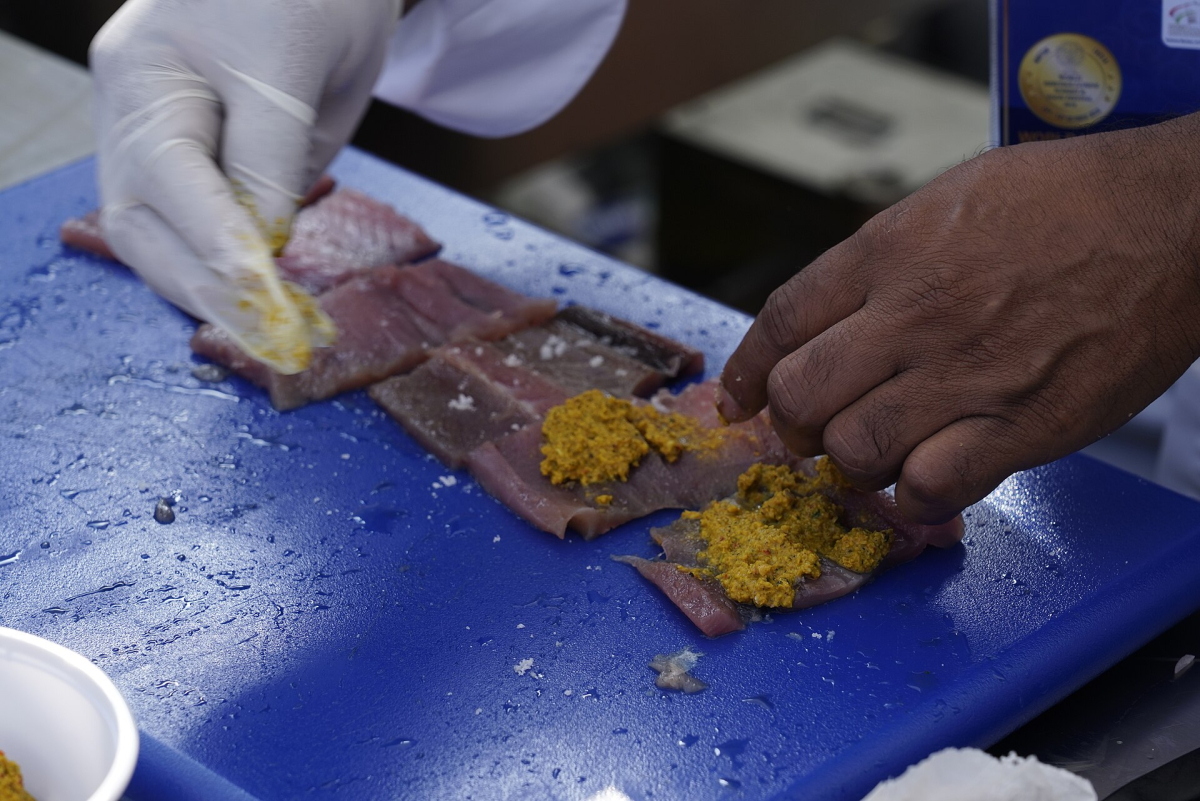
Rihaakuru is a concentrated tuna preparation, so a small amount can have a very different role from a main fish dish. The tourism board’s guide to Maldivian dishes also discusses spiced fish, tuna-and-rice dishes and bondibai sweets made with different starches. These names open a conversation; they do not describe a single fixed recipe in every kitchen.
Ask how a condiment is used and whether it is already mixed into the meal. This is particularly useful if you want less heat or need to avoid fish. A concentrated paste may be an ingredient in a side rather than a visible item on the table. Trying a small amount first is also a good way to discover what suits your taste.
For sweets, ask what the preparation contains and whether it is made for a particular occasion. Coconut, rice and other local or imported ingredients can appear in different combinations. Explain nut, dairy or other allergies directly; a familiar-looking dessert is not evidence that its ingredients match the version you know at home.
Order drinks and dietary requirements clearly
Tea, coffee, coconut water and fruit drinks can accompany meals or a break from the heat. Ask what a juice contains, whether it is sweetened and what size is being served. Check with the accommodation how drinking water and refills are provided rather than assuming every tap or outdoor dispenser is suitable for your use.
Vegetarian and vegan visitors should ask specifically about tuna, dried fish, fish paste, stock, dairy and eggs. The tourism board’s vegetarian guide identifies vegetable-based possibilities, but availability and preparation depend on the kitchen. Give a small guesthouse time to plan rather than announcing a complicated requirement only when the meal arrives.
For allergies, speak with the responsible kitchen or management team and discuss ingredients and cross-contact. A long buffet does not guarantee a suitable choice, and a menu icon may not answer every question. Bring a clear written description of the requirement and arrange individual medical preparation with an appropriate professional before travel.
A practical ordering guide
Recipes and spellings vary. Use these descriptions to start a conversation with the kitchen, not to override its ingredient information. Ask about portion size and inclusions before ordering, particularly when several dishes are shared.
| Food or meal | What to expect | Useful question |
|---|---|---|
| Mas huni with roshi | Tuna-coconut breakfast mixture and flatbread | Can the chilli level be adjusted? |
| Garudhiya meal | Fish broth with rice and accompaniments | Which sides come with the portion? |
| Hedhikaa | Small sweet and savoury tea snacks | Which items contain fish or other allergens? |
| Rihaakuru | Concentrated tuna preparation | Is it served separately or mixed into the dish? |
| Bondibai-style sweet | A sweet preparation with variable starch base | What ingredients are used in this version? |
Scroll the table sideways to compare all columns.
Choose a meal plan around how you actually eat
A private-island resort limits spontaneous alternatives more than a city or local-island stay, so compare meal plans before booking. Ask which outlets, menus, drinks and special experiences are included, and which need reservations or a supplement. “All-inclusive” describes a contract with conditions, not every food and drink the property sells.
If you enjoy a long breakfast and a light lunch, a package built around three substantial buffet meals may be less useful than it first appears. If your group has varied appetites or dietary requirements, check how each person is covered. Children’s inclusions can depend on age, menu and parents’ plan. Compare the final stay total in travel costs.
Keep venue selection separate from dish choice. An underwater restaurant may be a worthwhile special occasion, but it is not necessarily the easiest place to discover everyday Maldivian food. A local breakfast or tea snack can add that dimension. Use where to eat to plan the right setting, reservations and access, then order with curiosity and clear questions.
Frequently asked questions
What is a good first Maldivian meal?
Mas huni with roshi makes a straightforward breakfast introduction if you eat fish. For another meal, ask about garudhiya with its rice and accompaniments. Let the kitchen explain its version and adjust the order to your taste.
Is Maldivian food suitable for vegetarians?
Vegetable dishes and alternatives can be available, but fish, dried tuna or fish paste may appear in unexpected places. Explain your requirements early and ask about the complete preparation rather than assuming a vegetable-looking dish is vegetarian.
Are hedhikaa all savoury fish snacks?
No. The term includes a range of small snacks, with both savoury and sweet choices. Fillings and recipes vary. Ask the seller to identify ingredients, especially if you avoid fish or have allergies.
Does all-inclusive mean every restaurant and drink is included?
No universal definition applies. Check the precise outlets, menus, reservation rules, drinks and supplements in your package. A signature restaurant or special dinner can remain an additional charge.



