
ASIA · MALDIVES GUIDE
Useful Maldives Contacts: Emergencies, Immigration and Travel Problems
The most useful Maldives contact list is short enough to use when you are tired, offline or dealing with a changed plan. It should start with the people who know your location: the accommodation, boat crew or activity organiser. Add the appropriate emergency services, insurer and official authority behind them.
This page checks public contacts against official sources on 28 October 2026 and explains which type of problem each channel can address. Numbers can have local scope and short-code calling can depend on your connection; save full provider details where available and confirm the property’s procedure on arrival. Do not make a test call to an emergency line. Use the Health & Safety guide to prepare the wider medical plan.
Save emergency services with their specific purpose
| Service | Number | Source and use |
|---|---|---|
| Police | 119 | Police emergency; NDMA and FCDO listings |
| Fire and rescue | 118 | NDMA and FCDO listings |
| National Ambulance Service | 100 | NDMA lists the national ambulance service under this number |
| Ambulance number in FCDO advice | 102 | Also used by some local hospital ambulance services |
| Coast Guard | 191 | NDMA listing for maritime assistance |
| National Disaster Management Authority | 115 | NDMA contact for disaster-management assistance |
Scroll the table sideways to compare all columns.
The National Disaster Management Authority and FCDO getting-help page do not use the same single ambulance code. The table preserves that distinction instead of presenting one unqualified number as universal. Ask your accommodation which medical service covers your island and how staff activate urgent assistance. Do not delay an urgent request while comparing webpages; involve local staff or crew immediately.
Give the location before the booking story
When requesting urgent help, state your island, property or vessel name, the exact location and a number on which you can be called back. Explain what has happened and how many people are affected. Follow the dispatcher’s or medical professional’s instructions. On an excursion, alert the crew promptly because they know the vessel, route and access arrangements needed to coordinate a response.
Before any outing, learn how to contact its organiser if you become separated or the meeting point changes. Keep the receiving accommodation’s information available when moving islands; a resort marketing name, island name and atoll label can be different pieces of the same address. Share an appropriate location record with a companion. If a phone loses signal, nearby staff and a known landline can be more useful than repeatedly trying an internet messaging app. Keep the communication factual and concise.
Prepare medical and insurance contacts together
Save the insurer’s assistance number, policy reference and instructions for medical authorisation before travel. Ask what information it needs and how another traveller can contact it on your behalf. A domestic claims office may be different from the service handling urgent assistance abroad, so check the policy rather than saving the first number on an advertisement. Keep essential medical information available in a form you are comfortable sharing.
Use the Maldives health ministry facility directory as a starting point for identifying local services, then confirm the appropriate facility with the accommodation and medical professionals. A directory entry does not certify that a particular service, specialist or ambulance is available at the moment you need it. Ask in advance about serious-case referral from your island, especially for a known condition. Keep medical reports, receipts and any insurer authorisation references together for follow-up.
Use the authority responsible for the question
For entry eligibility and visa procedures, begin with Maldives Immigration; its published call-centre short code is 1434. Use the official IMUGA link supplied by Immigration for declarations. Do not send identity documents to an unrelated number simply because it promises faster approval. For a question about tax charged by a supplier, consult MIRA’s official information and obtain the supplier’s itemized invoice.
The Maldives Police important-contacts directory lists the tourist-police hotline as 1478 and includes other public services. Use such directories to locate the responsible organisation, then check its own current channel for a complicated case. An accommodation can help explain local arrangements, but immigration decisions, police reports and official tax questions remain with the relevant authority. Keep a record of any reference number, officer or case contact given to you.
Contact the supplier controlling the affected journey
For a delayed international flight, contact the airline and tell the accommodation or transfer organiser the flight number and revised arrival. For a cancelled island boat, use the operator named on the ticket and tell the next property what has changed. A booking platform, agent and operating carrier may each have a different role; save the channels included in your actual confirmation rather than expecting one organisation to control everything.
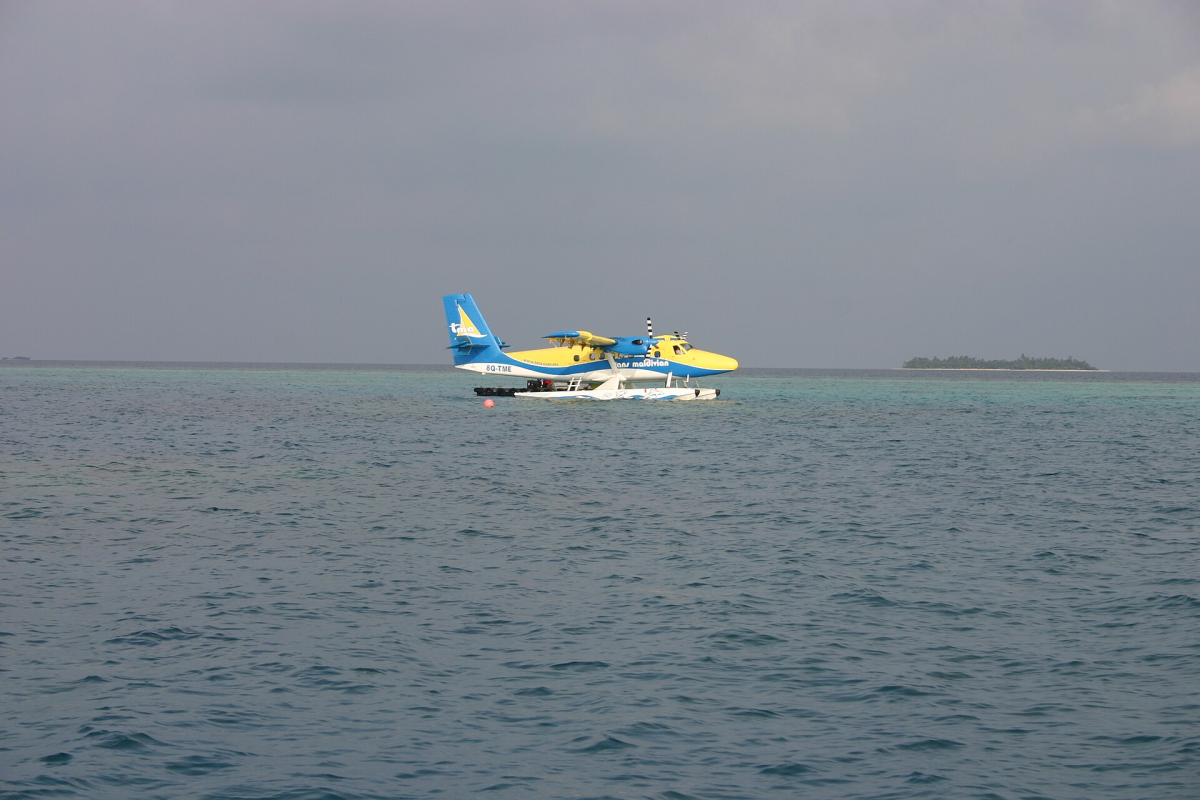
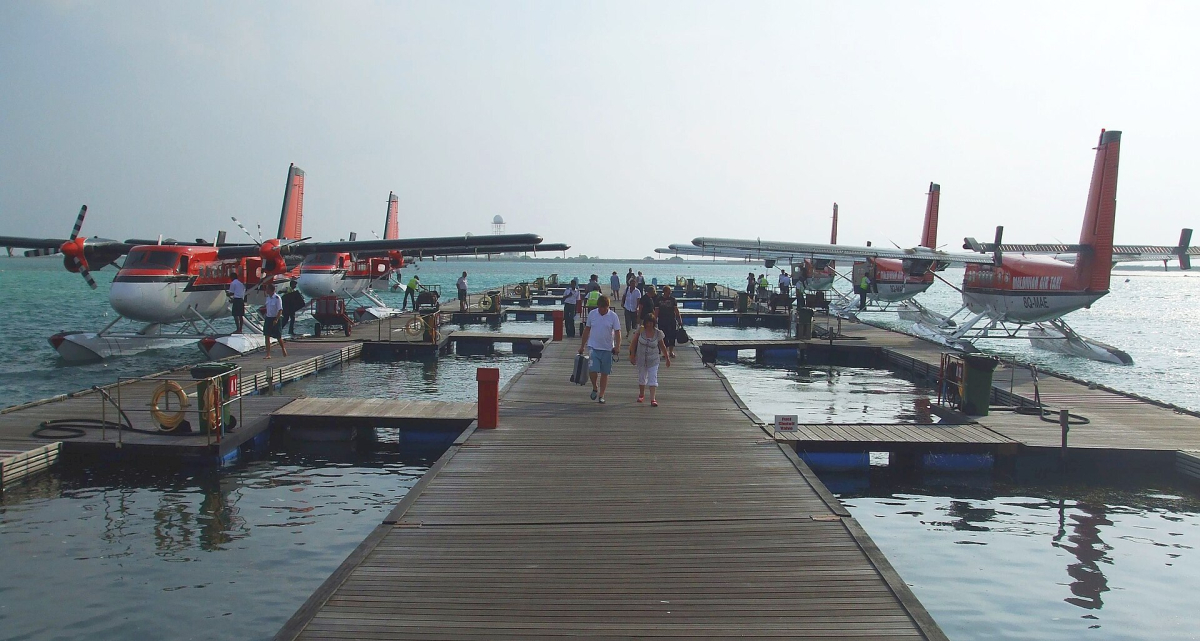
The official Velana airport website is the place to start for current airport information. For a TMA-arranged flight, use your resort’s transfer contact and the operator’s published contact page where appropriate. Keep the original booking and cancellation notice before buying an alternative. Ask who authorises and pays for changed arrangements. A clear written answer can prevent two providers each assuming the other has secured your onward journey.
Handle lost documents or payment problems through verified channels
If a passport is lost or stolen, contact the local police where a report is required and your own country’s consular service for the replacement-document process. Nationality matters: use your government’s current overseas-assistance locator. Do not assume that an embassy in Malé provides every service or accepts walk-in visits. For British nationals, the official High Commission page explains that consular assistance is provided through Colombo and supplies current enquiry routes.
For a lost or blocked payment card, use the bank’s official app, the number on your records or another verified bank channel. Ask the accommodation about payment options while the bank resolves the issue, but do not share passwords or one-time security codes. If a message requests a changed hotel bank account or a new transfer deposit, verify it using the contact already established in the original booking. Keep records of disputed payments and report suspected crime through the appropriate local process.
Create a contact card for your own itinerary
Write one concise card with your property and island, reception and after-hours contact, each transport operator, insurer assistance and your government’s consular route. Add the booking references and the relevant emergency entries from the table. Keep a paper copy or an offline file, and make sure another traveller knows where it is. Avoid putting passwords, full card details or unnecessary personal records in a document you may need to show someone.
On arrival, confirm the internal emergency procedure and whether ordinary calls work from your mobile plan. A data-only eSIM should not be assumed to provide normal voice service. Ask reception how to reach help from the room and what to do when away from the property. Before a split-stay move, replace the card’s active property details rather than keeping only the first island’s contacts. Review the list once; a correct, findable number is more valuable than a long unreviewed directory.
Frequently asked questions
What are the Maldives police and fire numbers?
Official listings give 119 for police and 118 for fire and rescue. Keep local property or crew contacts available too, because staff can provide the exact location and coordinate immediate assistance.
Why does this page show both 100 and 102 for medical help?
NDMA lists the National Ambulance Service as 100, while FCDO travel advice lists ambulance assistance as 102, a number also used by some hospitals. Confirm your island’s medical procedure in advance and involve accommodation staff immediately in an urgent situation.
Can I rely on WhatsApp or a data-only eSIM for all help?
No. Internet messaging and ordinary telephone calling are different. Confirm the capabilities of your plan and have a workable local calling arrangement or immediate access to staff with one. Keep important contacts available offline.
Who should I call if a transfer is cancelled?
Start with the operating provider or the organiser identified in your booking, then notify the accommodation or next supplier affected. Keep the cancellation message and ask who controls rebooking and payment before purchasing another journey.



