
ASIA · MALDIVES GUIDE
Maldives Local Islands: Choose a Guesthouse Holiday
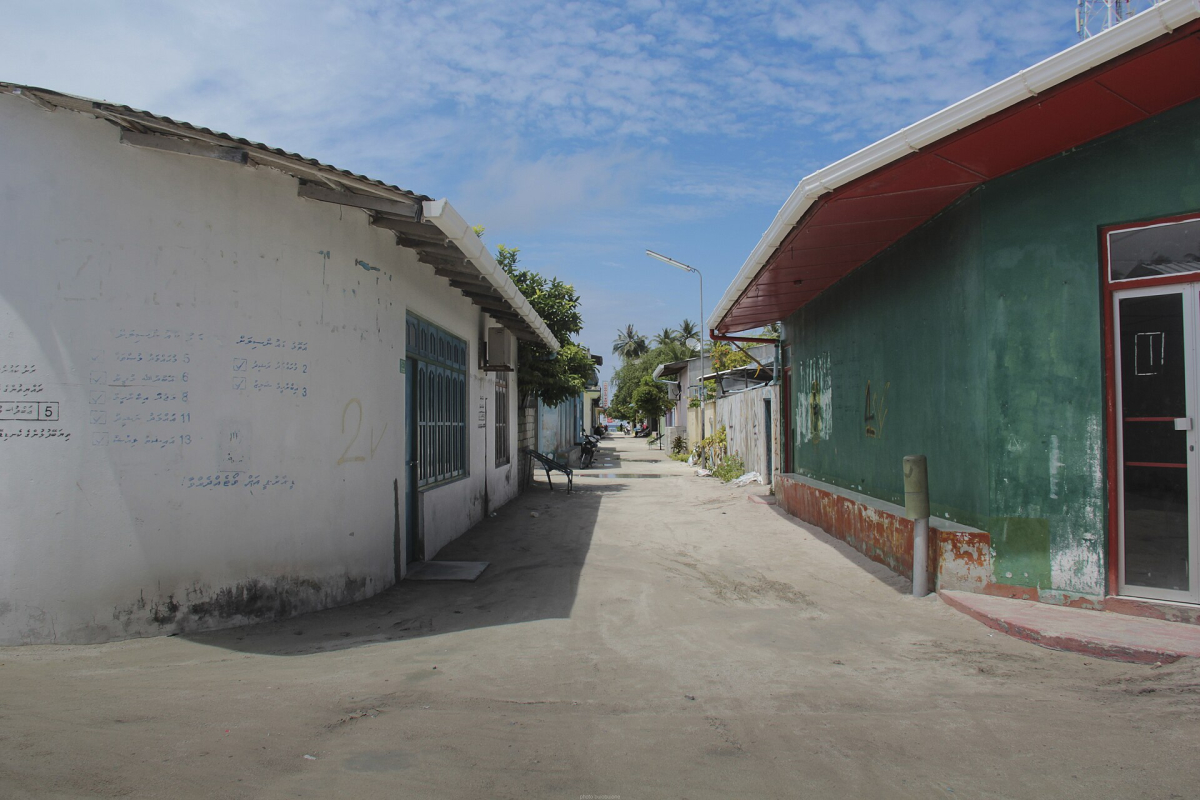
A local-island stay offers a Maldives holiday within a living community. You may walk between a guesthouse, cafés, harbour and a designated visitor beach, organise excursions through a host and see the routines that support island life. It also asks you to plan differently from a private-resort stay. Check beach rules, the real transfer, meal choices and what is available when weather keeps boats ashore. The right island depends on the balance you want between activity, quiet, food options and time in the water. This guide helps you make that choice without promising that every island has identical services. For a broader comparison with resorts and liveaboards, start with where to stay in the Maldives.
Understand what a local-island stay includes
Book a guesthouse for its specific setting and service, rather than assuming it is a low-cost version of a private resort. The room may be several streets from the beach; excursions may be shared with other guests; meals may be taken at the property or at independent cafés. Ask for walking distances, current beach access and photographs that identify the actual room and immediate surroundings.
The official tourism board lists numerous inhabited-island guesthouse choices and recommends contacting accommodation about transfers. That is a useful approach because a host can explain the arrival, departure and activities from the exact island. A general online route summary should not replace that conversation.
Expect a community with schools, businesses, prayer and residents using streets and shorelines for daily life. Tourism may be prominent, but the island is not staged solely for visitors. Respectful dress, photography and behaviour make the stay easier for everyone and often open the way to more useful local advice.
Choose an island style rather than a universal ranking
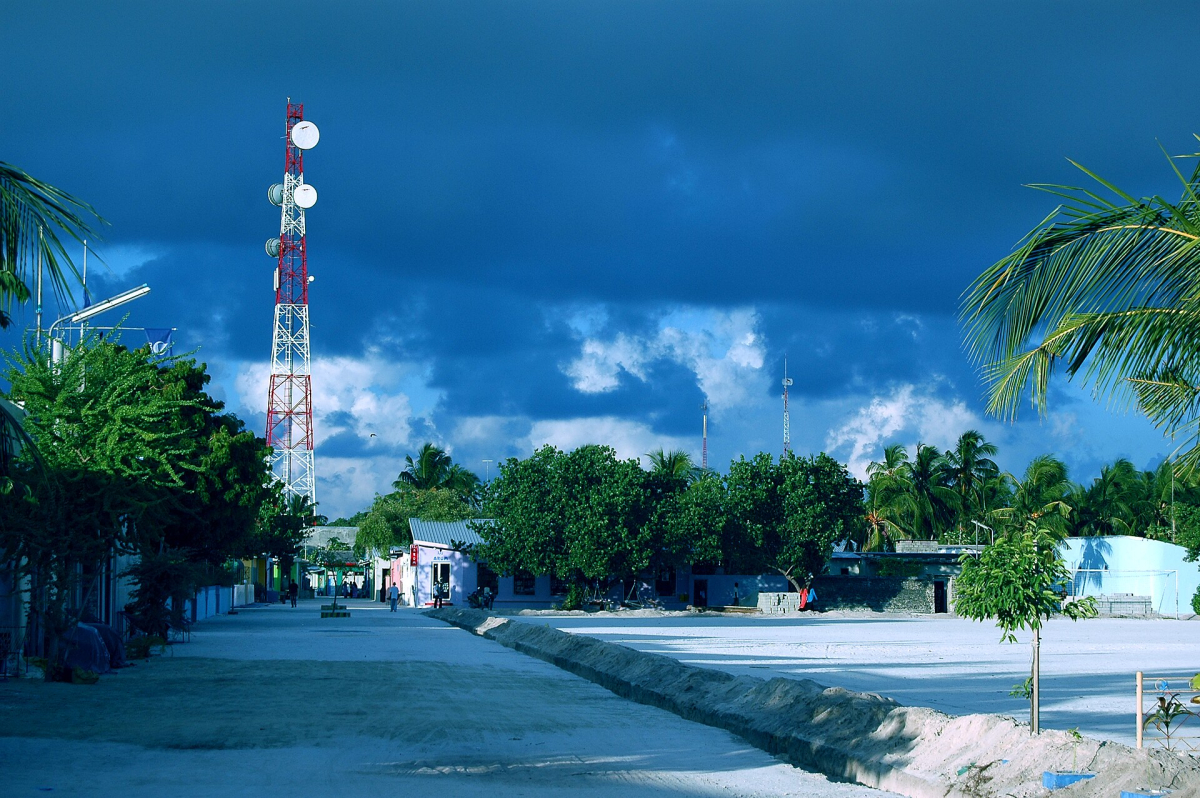
Begin by describing a normal holiday day. Do you want several cafés and group excursions, a quiet beach routine, a surf-focused stay or access to a particular marine region? These preferences narrow the search more effectively than a list calling one island the “best”. Ask whether the experiences you value run locally or require a long boat journey.
The tourism board’s atolls guide associates islands including Thulusdhoo and Himmafushi with surf interests and Thoddoo with agricultural greenery. Such themes are starting points, not guarantees of daily conditions, beach quality or an open surf break. A guesthouse should explain how its location serves your particular purpose.
For a beach-led stay, ask about the designated bikini beach, shade, entries and distance from boat activity. For diving, contact the centre as well as the guesthouse. For families, check food, supervision and supplies. A small island can feel peaceful but offer fewer weather alternatives; a busier tourism base may give more choices but less solitude.
Ask the guesthouse questions that change the decision
Request a complete quote showing room category, occupancy, meals, taxes and transfer arrangements. Clarify whether the transfer is a public service, a shared scheduled boat or a private charter, and who helps if the international flight is delayed. Ask how you will recognise the representative and what happens if the last suitable departure is missed.
Then ask about the room itself: air conditioning, drinking water, bathroom, stairs, power arrangements and any construction nearby. If noise or mobility matters, request a precise explanation rather than a reassuring adjective. A room facing an internal wall and one facing the beach can be sold by the same property under different categories.
Discuss excursions separately. Which are available during your dates, how many people are needed, what is included and how is weather cancellation handled? A guesthouse advertising manta or whale-shark trips is not promising sightings or proving the site is nearby. Use the marine guide to assess the operator and route.
Keep beachwear and village life separate
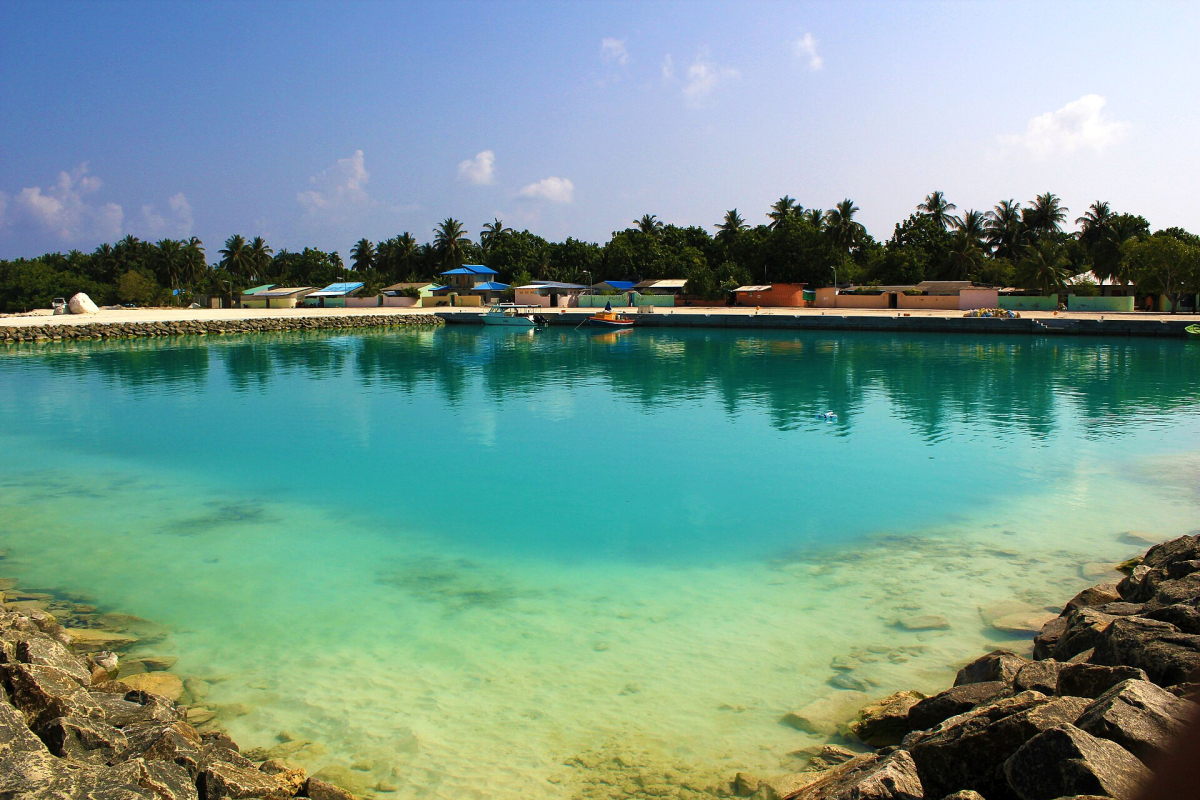
On an inhabited island, follow the local guidance about where swimwear is permitted. Ask your host to show the current designated bikini-beach area and suitable route from the accommodation. Bring a lightweight cover-up that you can put on before leaving the beach; a towel wrapped loosely around you is less practical for walking through streets or entering cafés.
Do not assume a quiet stretch of shore is automatically a visitor swimming area. It may be used by residents, boats or another activity, and water conditions can be unsuitable even when the sand looks inviting. Ask about current, depth and boat movement at the exact entry. A designated beach describes permitted use, not universal swimming safety.
Give residents privacy, especially around homes and schools. Ask before close photographs and do not use a drone because another visitor posted aerial images. For practical clothing and packing questions, see travel essentials; for the beach decision itself, see Maldives beaches.
Plan meals and everyday spending realistically
Check what breakfast means at your property and whether lunch or dinner needs advance notice. A small island may not have the range of late-night food or specialist diets you expect at home. Explain allergies and vegetarian or vegan requirements before arrival, and ask for examples of meals the kitchen can reliably prepare. Fish can be present in snacks, condiments and seemingly vegetable dishes.
Carry a practical payment method for the places you will actually use and ask about cash availability and card acceptance. Keep small transactions separate from the larger excursion budget. A low nightly room price tells you little about the final holiday total if most activities need paid boat trips. Our cost guide helps compare the whole stay.
Do not treat a nearby resort as the fallback restaurant or bar without an agreed booking and transfer. Resort day access can be restricted and expensive relative to a local meal. Enjoy the local setting on its own terms, and choose a different accommodation model if its ordinary rules and options do not match the holiday you want.
Compare guesthouse islands using the same questions
Use this framework for your shortlist instead of comparing only room photographs. Ask each host for current answers for the same dates and group. Verify the property’s island identity against the Tourism Ministry’s registered-facilities directory where available.
| Priority | Question for the host | Why it matters |
|---|---|---|
| Beach time | How far is the permitted swimwear beach and where is the entry? | Distance and conditions affect every day |
| Marine activities | Which sites can you reach and who guides the trips? | A national wildlife claim may involve a long outing |
| Food | Which meals and dietary needs can you handle? | Small-island choice can be limited |
| Transfers | What connects to our actual flight times? | A cheap room can require an extra overnight |
| Quiet and comfort | What is nearby and are works underway? | The immediate setting shapes sleep and downtime |
Scroll the table sideways to compare all columns.
Stay long enough to enjoy the island
One carefully chosen base is often more rewarding than moving every other day. Arrival, room access, packing and boat schedules consume more than the crossing time. Staying longer gives you a chance to learn the beach, speak with your host and reschedule a weather-dependent trip. Add a second island only when it offers a distinct interest and a confirmed connection.
For a split stay with a resort, ask both providers about the route. A direct crossing may be unavailable, and returning through the airport area can change the value of the plan. Keep luggage manageable for the actual boarding arrangements and avoid placing an important excursion on the morning of a move.
Before leaving, settle any excursion or meal charges and confirm the meeting point for departure. A good local-island stay depends on clear communication as much as scenery. Keep the host’s contact accessible and use getting around and itineraries to make the wider journey coherent.
Frequently asked questions
Are local islands only for budget travellers?
No. They can appeal to visitors interested in community life, a particular marine activity or a more flexible daily routine. Choose the actual island and guesthouse for those priorities, while comparing the full cost of meals and excursions.
Can I wear a bikini anywhere on a local island?
Follow the island’s designated swimwear areas and cover up for village streets and cafés. Ask your host to show the current beach boundary and access route; another island’s arrangement is not a reliable guide.
Can I visit a private resort from a guesthouse?
Sometimes, with prior permission and a confirmed booking. Clarify whether it is a meal, a day pass or another arrangement, what facilities it includes and how the return transfer works.
Should I book several local islands for a week?
Only if each move adds a distinct experience and the connections work comfortably. A single well-chosen island allows more beach time and flexibility for weather. Frequent moves can absorb the savings of a cheaper room.



