
ASIA · MALDIVES GUIDE
Accessible Maldives Travel: Rooms, Transfers and Questions to Ask

Accessible Maldives travel needs a complete journey check, from the international flight to the room, restaurants and activities you want to use. A hotel’s “accessible” label does not describe the jetty, boat boarding, sand paths or bathroom layout. Explain your own requirements in concrete terms and ask for equally concrete answers.
This guide helps travellers with mobility, sensory, communication and other access needs build a useful enquiry. It does not certify any named property or route as accessible. The best choice depends on your equipment, assistance preferences and the actual facilities available for your dates. Use the questions here with the airline, transfer operator and accommodation before making an inflexible booking, and keep the written answers together.
Describe the tasks you need support with
Write a short access profile focused on practical tasks. For mobility, this might include whether you can manage steps, stand briefly, transfer independently, or use a seat with arms. For sensory or communication needs, describe the information format, assistance or environment that helps. Include relevant equipment dimensions and any essential service. Avoid making a diagnosis the only information a supplier receives; the staff arranging a boat need to understand the actual boarding task.
The FCDO disability travel guidance recommends researching the whole journey, stating assistance needs clearly and confirming arrangements in writing. Use one version of your requirements with every supplier so that details are not lost in a chain of enquiries. Ask who has checked the answer and whether it applies to the exact room, vessel or flight you will use. A promise that staff are friendly is welcome, but does not replace a workable physical or communication arrangement.
Arrange assistance with every booked airline and airport stage
Contact the airline through its assistance channel early enough for the requested arrangements and any required forms. Describe what you need at check-in, security, boarding, the cabin and disembarkation. Ask where assistance begins and ends, what you should do on arrival and how a travel companion can remain with you. If a connection uses another airline, confirm the handover rather than assuming the first request automatically reaches every service.
For mobility equipment, supply the make, weight, dimensions, battery details and handling instructions. Ask what must be removed or protected and how equipment will be returned at the destination. For medically necessary equipment, follow the carrier’s approval process; disability assistance and medical clearance are different questions. Keep documents accessible and tell the accommodation about the time assistance may add after landing. Use official airport information and your actual airline rather than generic terminal advice from an old trip report.
Check boats and aircraft as separate access environments
A boat may involve a moving gap, steep step, narrow passage or changing height between deck and jetty. Ask for recent photographs or a short video of boarding at both ends and a description of the assistance method. Clarify whether you can remain in your own chair, whether a transfer is required and how your equipment is secured. An informal offer to lift someone should be discussed in detail rather than treated as a routine substitute for suitable access.
Small aircraft can introduce their own seat, cabin and equipment constraints. Ask the actual operator about the booked aircraft and required transfers, then compare an alternative route if available. A domestic flight followed by a boat has two separate access checks, not one. Tides, sea conditions and different jetties can affect an arrangement, so ask what happens if the usual landing point is unavailable. The transport guide helps identify every segment to include in the enquiry.
Request the room measurements that matter to you
| Area | Useful evidence | Follow-up question |
|---|---|---|
| Bedroom | Door clearance, bed height and circulation space | Does the reserved room match these measurements? |
| Bathroom | Shower entry, toilet position, rails and turning space | Is any required chair or other equipment actually available? |
| Routes | Surface, slope, steps and distance to essential facilities | Is there a practical alternative when the normal route is wet? |
| Water access | Entry/exit method and assistance arrangements | Can the activity be provided safely for my needs? |
| Emergency | Evacuation route and after-hours help | Who is responsible for assistance if a route becomes unavailable? |
Scroll the table sideways to compare all columns.
Use your own equipment dimensions to interpret the answer. A photograph can show a rail but not the force required to open a door; a spacious bedroom can still have an unusable bathroom. Request a response to each essential requirement rather than one general reassurance.
Check the island beyond the accommodation door
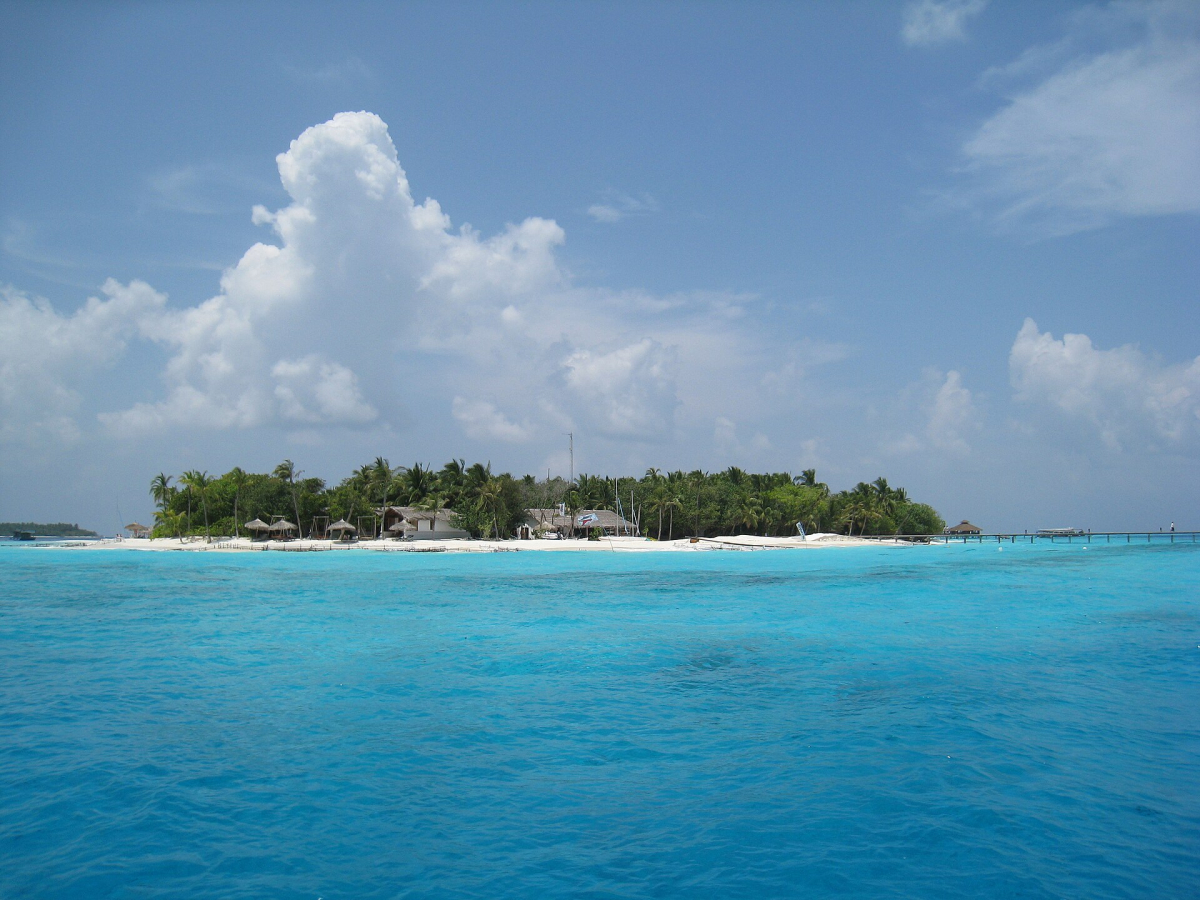
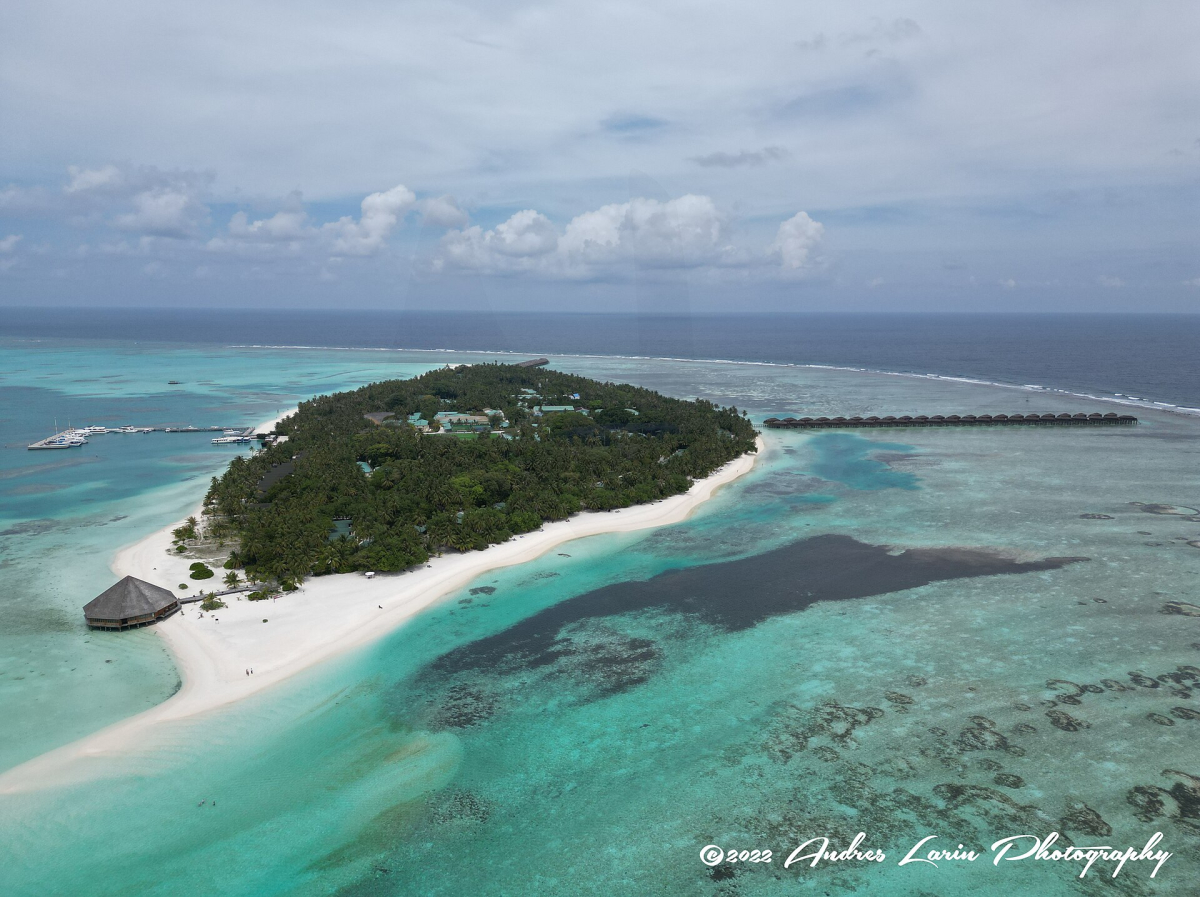
Ask about the journey from the room to breakfast, the main restaurant, reception, public toilets and the places you expect to spend time. Sand, boardwalk joints, slopes, long distances and wet surfaces can change how practical a route feels. A buggy service may help with distance, but check its boarding method, availability and whether you can use it with your equipment. Do not assume it solves every barrier.
For beach, pool or snorkelling access, ask how entry and exit are managed and what supervision is available. Decide which experiences are essential and which alternatives you would enjoy. If a property cannot explain a particular activity, seek a specialist operator’s assessment before paying. A room that meets your needs can still be the wrong holiday if the daily dining and leisure routes do not. Allow enough time to compare properties on these practical differences rather than the word “accessible” in a filter.
Include sensory, communication and dietary requirements
Explain preferences such as quieter dining, reduced waiting, written instructions, large-print information or a clear description of the day’s sequence. Ask whether the same support can be offered on excursions, at transfer handovers and during an unexpected change. For hearing needs, discuss how alerts and urgent instructions will be communicated. For visual needs, ask about orientation, route hazards and the availability of appropriate assistance.
For serious allergies or other dietary requirements, speak to the accommodation’s responsible food-service contact before booking a meal plan. Check how the information reaches kitchens and excursion teams. Do not rely on a sales reply that simply promises international cuisine. Assistance animals need separate advance checks with Maldives authorities and every carrier; airline acceptance alone does not establish entry permission or property arrangements. Keep essential requests limited and specific enough that staff can confirm what they will actually provide.
Agree a backup plan and preserve your independence
Ask about power arrangements for essential equipment, access to appropriate medical care and what happens if the usual transfer cannot operate. Discuss the holiday with your clinician where relevant, and confirm insurance for the actual dates, activities and assistance circumstances. A remote location can change the practical meaning of a medical need even when the room itself is suitable. Read the health and safety guide for medical-access questions.
Before paying, summarise the essential commitments in one message and ask the accommodation and transfer organiser to confirm them. Record the named contact responsible for the handover. Recheck after a flight or room change, because an alternative may not meet the same requirements. On arrival, review the plan with staff and explain how you prefer assistance to be offered. A good arrangement supports your choices and privacy, and gives everyone a clear process when something changes.
Frequently asked questions
Can I choose a Maldives hotel using an accessible-room filter alone?
Use the filter only as a starting point. Confirm the exact room, bathroom, routes, transport and assistance you need. A label does not establish that the complete journey or the activities you want are suitable.
Is a speedboat easier to use than a seaplane?
That depends on the actual vessel, aircraft, boarding points, equipment and your requirements. Ask both operators for a specific assessment. A different mode may solve one barrier while adding another, so compare the whole route.
What should I ask for if I use a wheelchair?
Provide your equipment dimensions and weight, explain whether and how you transfer, and request measurements and boarding details. Include room-to-restaurant routes, bathroom layout, battery handling if relevant and emergency arrangements. Confirm the reserved equipment and room in writing.
Can a property guarantee a particular beach activity?
It should assess the specific activity with the responsible operator and your requirements. Conditions can still change. Ask for the intended access method, safety support and an alternative you would enjoy if the activity cannot run.



