
ASIA · MALDIVES GUIDE
Maldives with Kids: A Practical Family Travel Guide
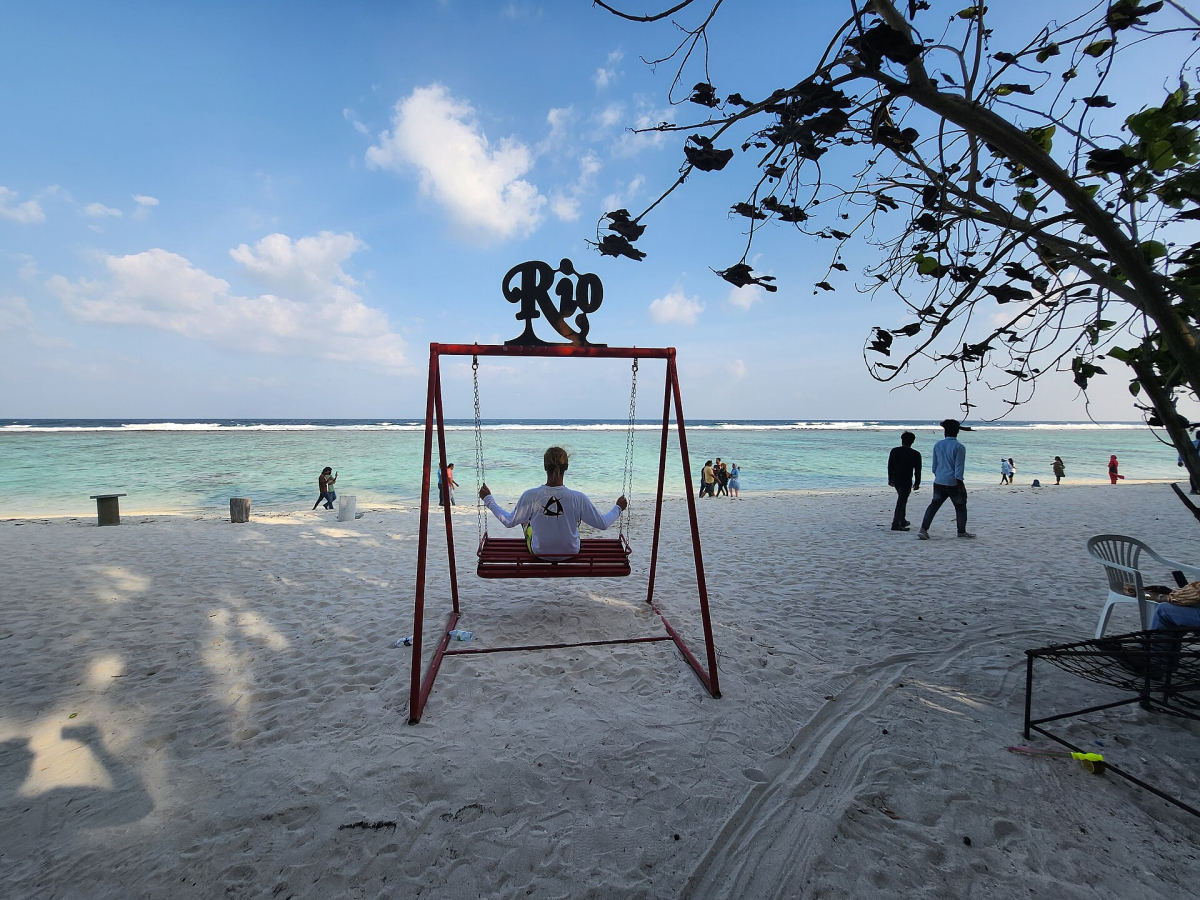
A Maldives family holiday works best when the ordinary day is easy: the room suits your children, shade and meals are close, and the journey does not exhaust everyone before arrival. A kids club can be useful, but its age rules, supervision and hours matter more than a photograph of a playroom. Choose the island and room around the youngest traveller’s needs, then add activities that older children and adults can enjoy. This guide helps you compare practical arrangements without assuming every property welcomes every age in every villa. Start with where to stay for the base decision and use hotels and resorts for named property comparisons.
Make the arrival manageable for the whole family
Share your flight details and children’s ages with the accommodation before booking. Ask for the complete arrival sequence: meeting point, waiting arrangements, boat or flight connection and the final step to the room. A short crossing with a long wait can be harder than its advertised duration suggests. Confirm what happens if your international flight is late.
For a boat, ask about child-sized life jackets, seating, shade and how everyone boards. For an air transfer, check baggage allowances, child equipment and the timing of the final connection. Pack food, water, medication and a change of clothes where you can reach them during the whole journey rather than in a bag that may be inaccessible.
A Malé-area overnight stop can be useful when the main transfer cannot connect comfortably, but it adds another check-in and unpacking cycle. Choose it for a clear reason and confirm the next morning’s collection. The airports and transfers guide helps join the stages into one plan.
Choose the room for supervision and daily access
Check the exact room category’s child policy, occupancy and bedding. A resort can welcome families while restricting young children in water villas or certain restaurants. Ask about doors, steps, deck access, pool barriers and the route to the beach. Do not infer a safety feature from a photograph taken at a flattering angle.
A beach villa can make returning for naps, snacks and shade simpler, but the immediate shore and path still need assessment. A water villa may appeal to older children yet require more attention to open decks and direct water access. Connecting or two-bedroom accommodation should be confirmed in the actual booking rather than described as a request that may not be met.
For a stroller or mobility need, ask about sand, steps, jetty surfaces and transport around the island. A compact room-to-meals route can be more useful than a long list of leisure facilities. Request a current island map and locate the room area, dining, children’s facilities, clinic and suitable supervised swimming options.
Read kids-club rules as carefully as the room policy
Find out whether the facility is supervised childcare, a playroom requiring an accompanying adult or a schedule of family activities. Ask about minimum age, booking, capacity, toilet training, session length and additional fees. A child who is old enough for the hotel’s room policy may still be too young to attend the club independently.
Examples illustrate why the details matter. Bandos’ FAQ describes programmes for ages three to eleven, while Meeru’s family page describes a playroom through age twelve and teen experiences. These are different property offerings, not a national standard. Reconfirm the programme for your dates and do not assume identical supervision or included hours.
If childcare is important to the holiday, discuss how children settle in, how staff contact parents and what happens during a cancelled or full session. Keep a family backup plan rather than building every adult activity around an unconfirmed club slot. Teenagers may care more about suitable sport, space and other guests than a younger children’s facility.
Choose water activities with active supervision
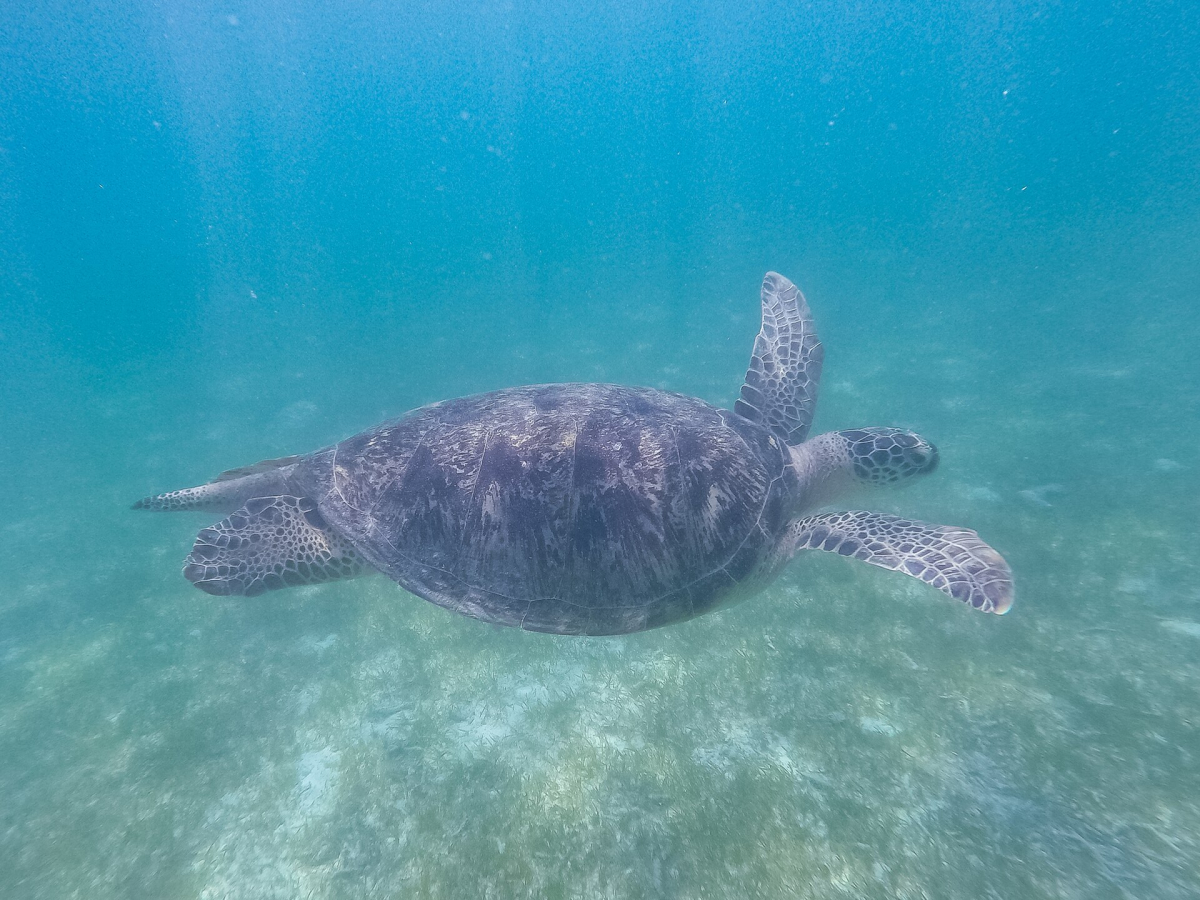
A calm-looking lagoon does not remove the need for supervision. Ask the local team where entry is appropriate that day, how tide and current affect the area and where boats operate. Keep children within supervision that reflects their ability and the environment. Do not treat equipment hire or a life jacket as a substitute for a suitable activity.
For a first snorkel, ask about a short guided introduction rather than joining a long wildlife-search boat trip. Check mask and fin fit, child equipment, guide arrangements and the option to stop early. A boat outing should offer a worthwhile experience for a child who chooses not to swim, with suitable seating and shade.
Older children interested in scuba need an age-appropriate programme with the centre’s screening and instructor assessment. A family-friendly resort does not make every channel or reef site suitable. Our diving and snorkelling guide explains site differences, operator questions and the importance of planning air transfers after scuba.
Confirm food, supplies and health arrangements early
Tell the property about allergies, infant feeding and any specialist diet before payment. Ask what the kitchen can prepare and how ingredient and cross-contact questions are handled. A buffet with many dishes does not automatically solve an allergy requirement. If a particular formula or baby food is essential, discuss availability and bring an appropriate supply within travel rules.
Check what is included for each child’s age and meal plan. “Kids eat free” can have limits involving menus, parents’ plans, room sharing or particular restaurants. Ask about meal times, early dinners, refrigeration and the practicality of preparing a snack between meals. Keep expectations realistic for a small local-island guesthouse as well as a resort.
Know how the accommodation contacts medical help and what transport would be needed for more specialised care. Discuss individual medical needs with a professional before travel and check insurance for the activities planned. Keep essential medication accessible during transfers. The health and safety guide covers the wider preparation.
Compare family choices by age and routine
This table is a planning framework, not a promise of eligibility or a medical assessment. Confirm the precise property, room and activity rules. Ask for a total for your actual group, including bedding, meals, child transfers and any childcare you expect to use.
| Family need | Useful feature | Question that settles it |
|---|---|---|
| Baby or toddler routine | Easy room access, shade and flexible food | Can you support our specific feeding and sleeping needs? |
| Younger school-age child | Suitable supervised activities | Which sessions accept this age and what costs extra? |
| Older child or teen | Appropriate independent interests | Which activities match experience and require an adult? |
| Mixed ages | Flexible shared activities and room layout | Can the group opt in and out without difficult transport? |
| Allergy or medical need | A clear written preparation plan | Who handles the requirement and what support is nearby? |
Scroll the table sideways to compare all columns.
Leave room for a slow, flexible family day
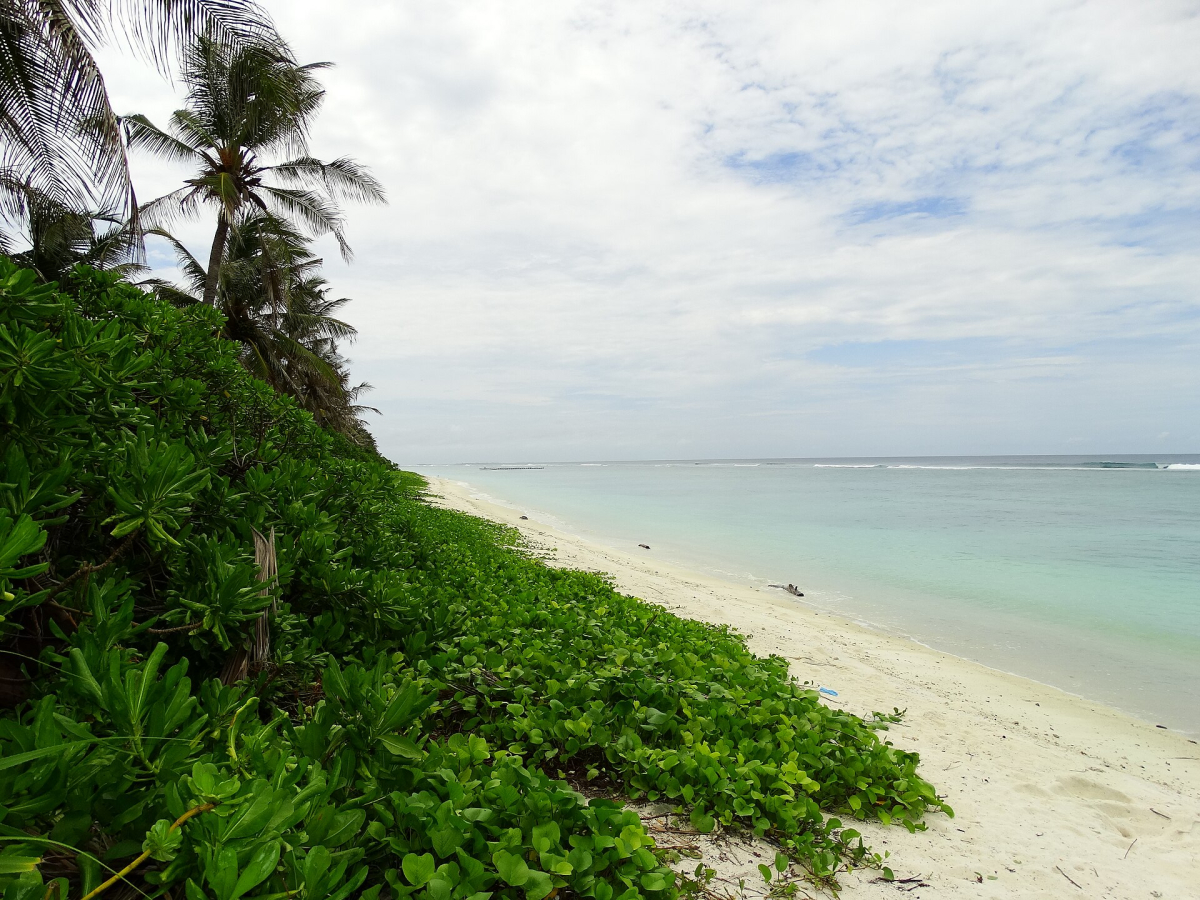
Avoid filling every morning with a boat departure. A simple rhythm of breakfast, a suitable activity, a shaded break and a relaxed meal can be easier to enjoy than repeated early starts. Choose one shared priority and allow different interests around it. A child’s first supported snorkel or a conversation with a marine educator may matter more than a long excursion checklist.
Use weather alternatives that suit the actual property: a craft session, food activity, marine talk, board games or an indoor rest. Ask what runs during your stay rather than assuming every advertised programme is daily. On a local island, your host may suggest an appropriate short walk or café outing when the sea is unsuitable.
Keep the departure day simple and confirm collection early enough to resolve missing details. Repack essential items into the accessible bag and give wet equipment time to be handled properly. The itinerary guide can help test the family pace, while things to do offers a small set of adaptable activities.
Frequently asked questions
Are water villas suitable for young children?
Policies and layouts vary. Check the specific category, open deck, steps and direct water access before booking. A property that welcomes children can still restrict certain villas or recommend a beach category for your family.
Is a kids club included in the room price?
Not necessarily. Age, supervision, booking and charges vary by property and activity. Confirm the sessions you expect to use, including babysitting for younger children, rather than relying on a general family-friendly label.
Can children enjoy the Maldives without snorkelling?
Yes. Suitable beach time, crafts, marine-learning sessions, a carefully chosen boat outing and food activities can create a varied stay. Choose a base with enough appropriate options and keep swimming voluntary.
Should we split a short family holiday across two islands?
Only if the second base adds something worth the packing, waiting and extra transfer. One well-chosen island often gives a calmer routine and more room to reschedule weather-dependent activities.



