
ASIA · MALDIVES GUIDE
Maldives Travel Costs & Money: Build a Realistic Holiday Budget
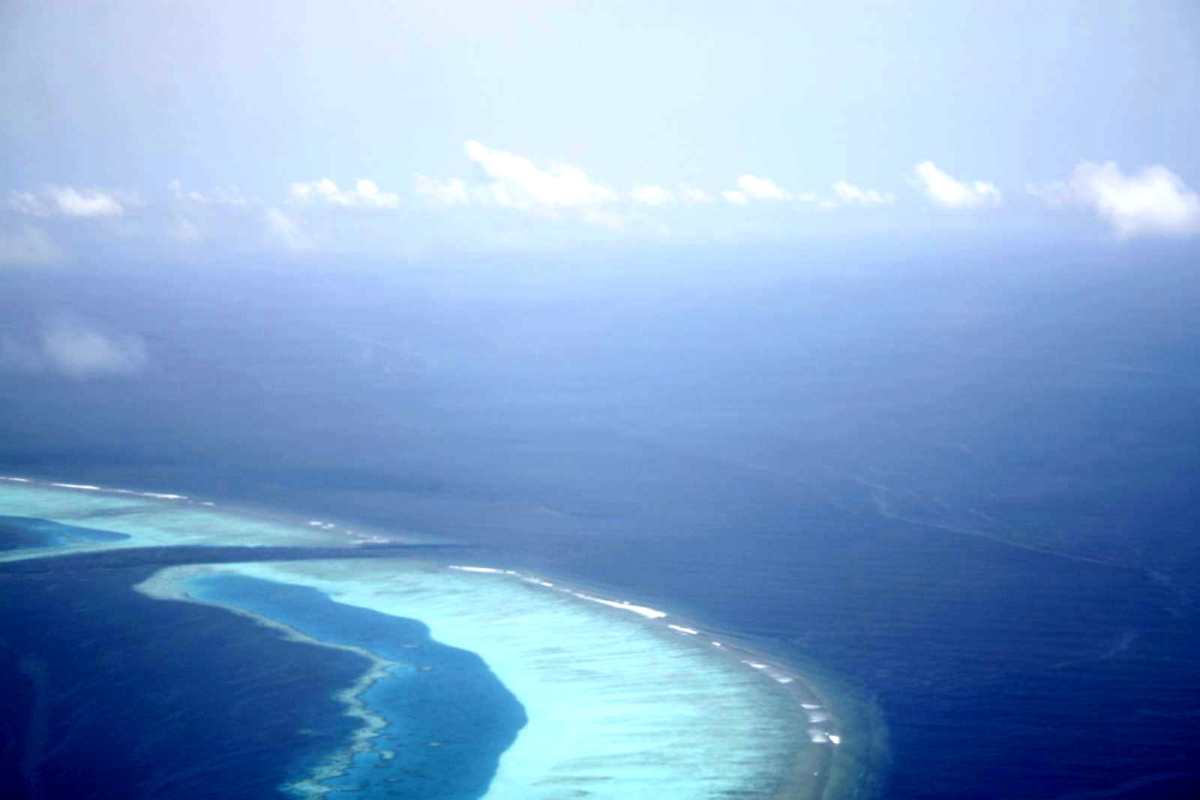
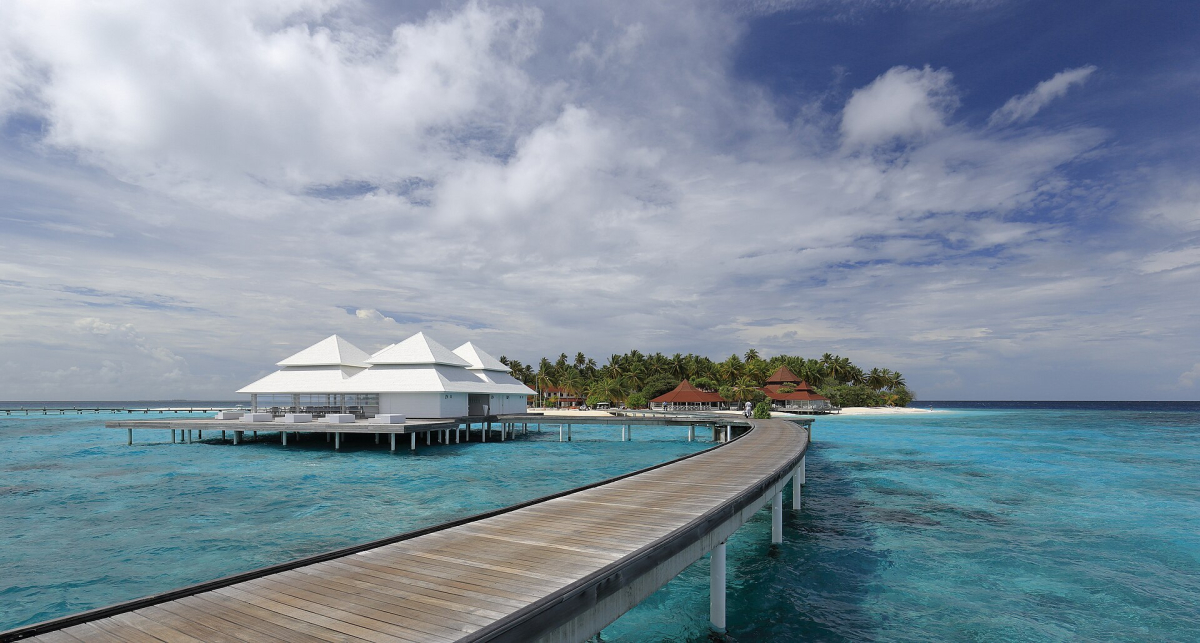
A Maldives holiday budget starts with the island and its transfer, rather than a nightly room price alone. Two packages with similar photographs can leave you paying very different totals once meals, taxes, return transport and activities are included. The useful comparison is the cost of the whole stay for your exact party.
This guide explains how to build that comparison, read tax and service-charge wording, and choose a workable mix of payment methods. Published tax information was checked on 28 October 2026; sample arithmetic is illustrative rather than a live hotel quote. For deciding between local islands and resort stays, begin with where to stay in the Maldives, then apply the budget questions here to your shortlist.
Build the budget in the order you will commit money
Start with the number of usable nights, the room category and the people actually travelling. Record adults, children and infant ages as they will be at check-in, because room occupancy, meal inclusions and transfer policies may use different age bands. Next add international flights and the confirmed return route to the island. Only then compare meal plans, excursions and extras. A room that looks inexpensive can become the wrong choice when its compulsory transfer consumes the saving.
Use a single sheet with columns for quoted currency, included items, excluded items, cancellation deadline and payment date. Keep a copy of the supplier’s itemized offer. When an agent describes a transfer or tax as included, ask where that inclusion appears in the booking confirmation. For a split stay, price both properties and the connection between them; do not simply add their room rates. Any urban transit night and its transport belong in the same total.
Compare like with like before choosing a package
| Budget item | What to record | Why it changes the comparison |
|---|---|---|
| Accommodation | Exact category, occupancy, nights and taxes | A base room and a pool villa are different products |
| Return transfers | Mode, both directions, age bands and baggage | One-way or adult-only inclusions leave substantial gaps |
| Meals and drinks | Venues, menus, times, exclusions and children | Board labels do not define every inclusion |
| Activities | Equipment, guiding, boat transport and cancellation | A complimentary introduction may differ from a full excursion |
| Contingency | Transit night, delays and insurance excess | A fragile connection can create an unplanned bill |
Scroll the table sideways to compare all columns.
The strongest offer is the one whose terms fit your trip, not automatically the longest inclusion list. Cross out benefits your party will not use and cost the missing items you will. If someone does not drink alcohol, compare dining flexibility and soft drinks separately from a package’s premium beverage claims. If you intend to dive most days, investigate the real dive package rather than counting a generic watersports credit at face value.
Read tourism tax, service charge and Green Tax separately
The Maldives Inland Revenue Authority lists tourism GST at 17% from 1 July 2025 and general-sector GST at 8%. Do not automatically apply the general rate to a tourist-establishment quote. Ask whether the displayed amount is a final total or a base price with additions, and request the calculation in writing if the wording is unclear.
MIRA’s consolidated GST regulation makes compulsory service charge subject to the underlying GST rate. If a hypothetical USD100 service has a 10% service charge and then 17% TGST, the total is USD128.70 before any Green Tax. The service-charge percentage in this example is an input to check, not a live package promise.
Green Tax is separate. Current rates are generally USD12 per tourist per day of stay, or USD6 for qualifying hotels and guesthouses with 50 or fewer rooms on inhabited islands. Children under two at check-in are exempt. GST is not charged on Green Tax. The tax uses 24-hour blocks with a checkout-block rule, so ask the property for the actual calculation rather than counting calendar dates yourself.
Choose a meal plan around how you actually eat
Ask for the current meal-plan document for the exact property, room offer and dates. Check whether half board allows a choice of lunch or dinner, which restaurants participate, and whether speciality dining is included, credited or charged in full. Confirm drinking water, soft drinks, coffee, minibar items, room service and snacks separately. “All inclusive” is useful shorthand, but its financial value depends on the detailed rules and the way your party spends a normal day.
On a local island, a breakfast-only stay may allow you to compare independent cafés and organise excursions separately. At a resort, leaving for an alternative restaurant may be impractical, so the property’s own menu matters more. For dietary restrictions, contact the kitchen before prepaying a large dining commitment. Include children’s arrangements and any compulsory seasonal dinner. Compare a realistic day of food and drink with the upgrade price; do not assume the most comprehensive board basis always saves money.
Separate worthwhile experiences from attractive package labels
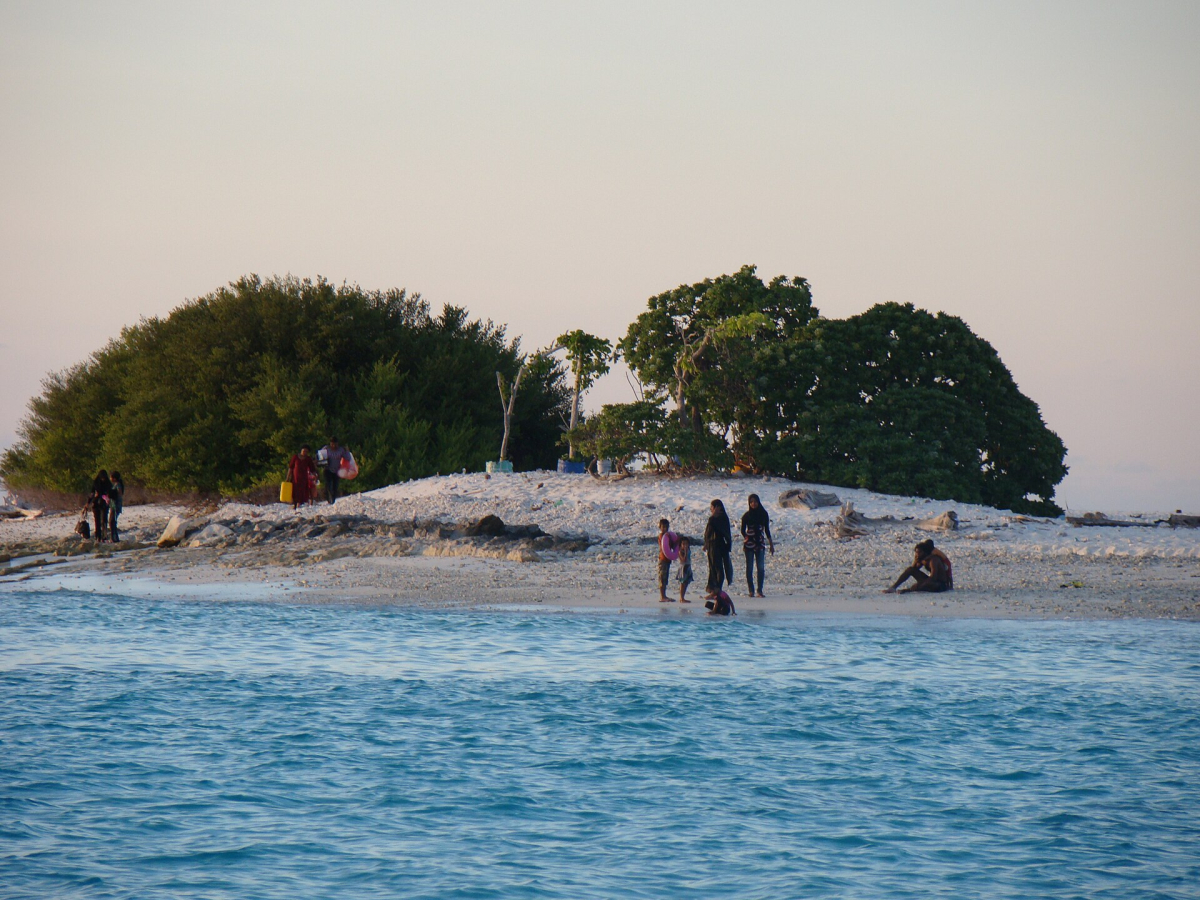
Choose the activities that matter most before accepting a bundle. A house reef does not necessarily mean guided snorkelling, equipment and a boat excursion are all included. A spa credit may have restricted treatment choices or a minimum spend. A sunset trip may operate only on fixed days, and unused benefits may have no cash value. Ask how operator cancellations affect a prepaid package and whether an alternative is offered.
Price the whole activity: guiding, equipment hire, transport, taxes and any site fee. For diving, add a check dive if required, equipment, computer rental and the number of boat departures your schedule permits. For photography, investigate an extra luggage requirement before assuming specialist equipment travels free. Keep a deliberate unallocated amount for things you decide to do locally, but do not use an arbitrary contingency percentage to hide known compulsory costs. Known items should already be in the main total.
Arrange money for the places where you will actually spend it
The US State Department’s Maldives information identifies the rufiyaa as the official currency and notes widespread US-dollar acceptance, with ATMs less dependable in remote locations. That is a reason to plan payments with your accommodation, rather than expect every island to offer the same cash access. Ask which currency each supplier quotes and accepts, whether card surcharges apply, and what currency appears on the receipt.
Carry a backup payment method separate from your primary card, keep enough usable cash for confirmed local expenses, and check bank fees before departure. Do not assume a foreign card will dispense US dollars at an ATM. On departure, consider what local cash you genuinely need to retain; converting or withdrawing unnecessarily can add charges. Keep booking deposits and local receipts together so that a prepayment is not accidentally paid twice. Use official bank channels if a card is lost or blocked.
Choose the quote you can understand and afford to change
Before paying, write a plain-language sentence describing exactly what the price buys: the named room, specified people, dates, meals, return transfer and stated taxes. Then list the exclusions underneath it. If you cannot complete that sentence from the documents, ask the supplier to clarify. An offer with a slightly higher total and clear change terms may suit a complex itinerary better than a cheaper non-refundable option.
Check when the balance is due and which cancellation rule applies after each payment. Refundability can differ between the international flight, room and island transfer. Keep an eye on foreign-exchange exposure if the final balance is in a different currency from your household budget. Review the island transfer guide before adding another base. Saving on a room matters little if an unnecessary move adds a second expensive return journey and takes away a usable day.
Frequently asked questions
Why is the final Maldives price higher than the advertised room rate?
The displayed rate may exclude items such as service charge, tourism tax, Green Tax, return transfers or the meal plan you need. Check the exact wording and request an itemized total for your party. Do not infer inclusions from a photograph or headline discount.
Is Green Tax the same as tourism GST?
No. They are distinct charges with different calculations. Ask the property to show them separately and explain any service charge. A budget based on one unspecified “taxes” line can make it difficult to compare offers or identify a missing inclusion.
Is all inclusive always the cheapest choice?
No. Its value depends on your usual meals, drinks and the restaurants included. Compare a realistic day of spending with the upgrade cost and check speciality dining, minibar and children’s arrangements. Pay for flexibility you will use rather than a long list of unused benefits.
Should I bring only US dollars?
Ask each accommodation and transfer operator what they accept, then plan cash and cards around your route. Local rufiyaa can be useful for local expenses, while tourist businesses often quote in dollars. Keep a backup payment method and avoid depending on a remote ATM.



