
ASIA · MALDIVES GUIDE
Maldives Diving and Snorkelling: Reefs, Wildlife and Planning
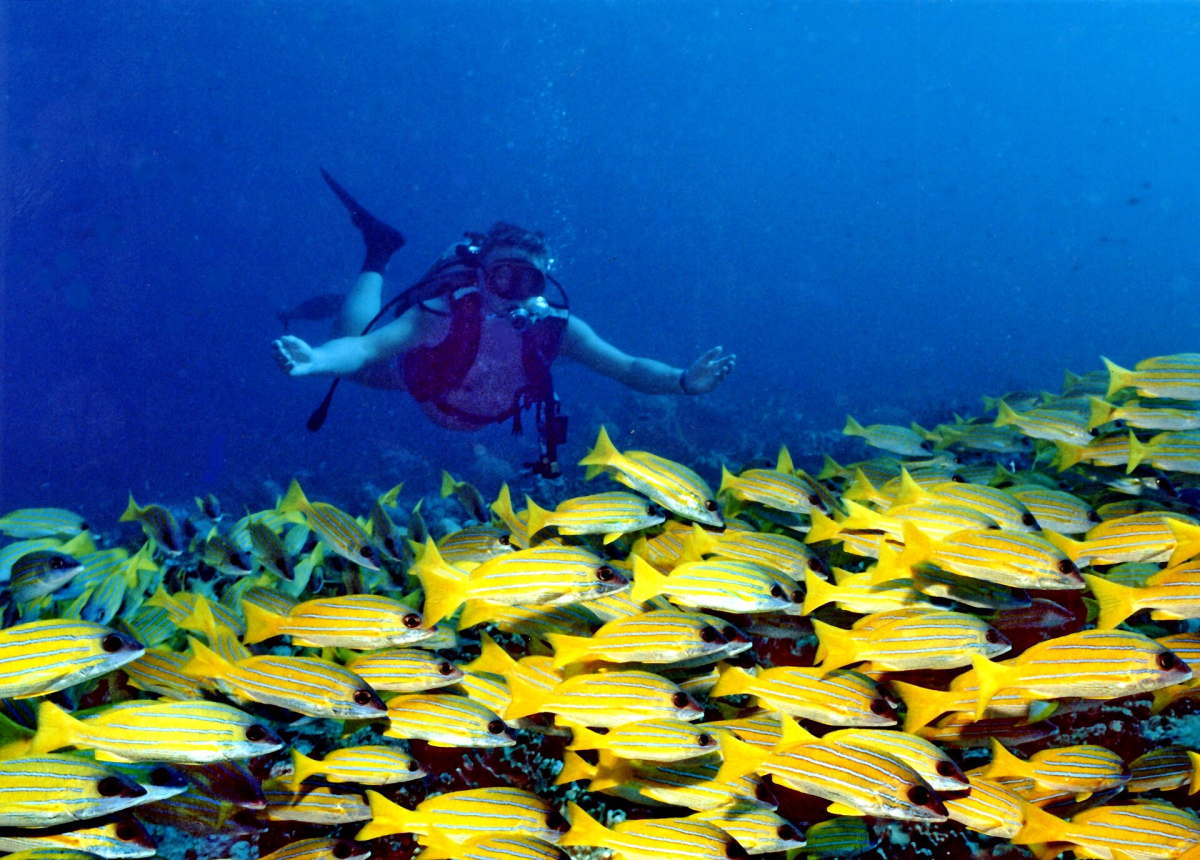
The Maldives offers several very different water experiences: a sheltered introduction with a guide, a house-reef swim, a boat snorkel, a channel dive and a specialist wildlife trip. Choosing between them starts with ability and conditions rather than the size of the animal on the brochure. A nearby reef is not automatically suitable for an independent swim, and a famous atoll does not make every site appropriate for a beginner. This guide explains how to choose a centre, plan the sequence and protect marine life. For beach entries and everyday shore use, see Maldives beaches. For broader emergency and insurance preparation, read health and safety.
Match the activity to your current ability
Be specific when speaking with a centre: explain swimming confidence, certification, recent experience and any difficulty with equipment or boat boarding. A certification card records training but does not show how comfortable you feel after a long break. Ask whether a refresher, orientation or supervised introduction is appropriate before a more demanding outing.
For snorkelling, discuss the route and the group’s pace. A flotation aid may help, but it does not replace a suitable site, supervision and a plan for returning to the boat or shore. A non-swimmer should not be sold an open-water wildlife chase as an easy introductory session. Choose an activity where opting out remains practical.
For scuba, complete the centre’s screening honestly and arrange any necessary medical advice before the holiday. Ask about the instructor, equipment, group arrangement and emergency procedure. There is no value in booking a prestigious site that exceeds your experience or current comfort. A well-managed simple dive can be a much better use of the day.
House reef, boat reef and channel are different choices
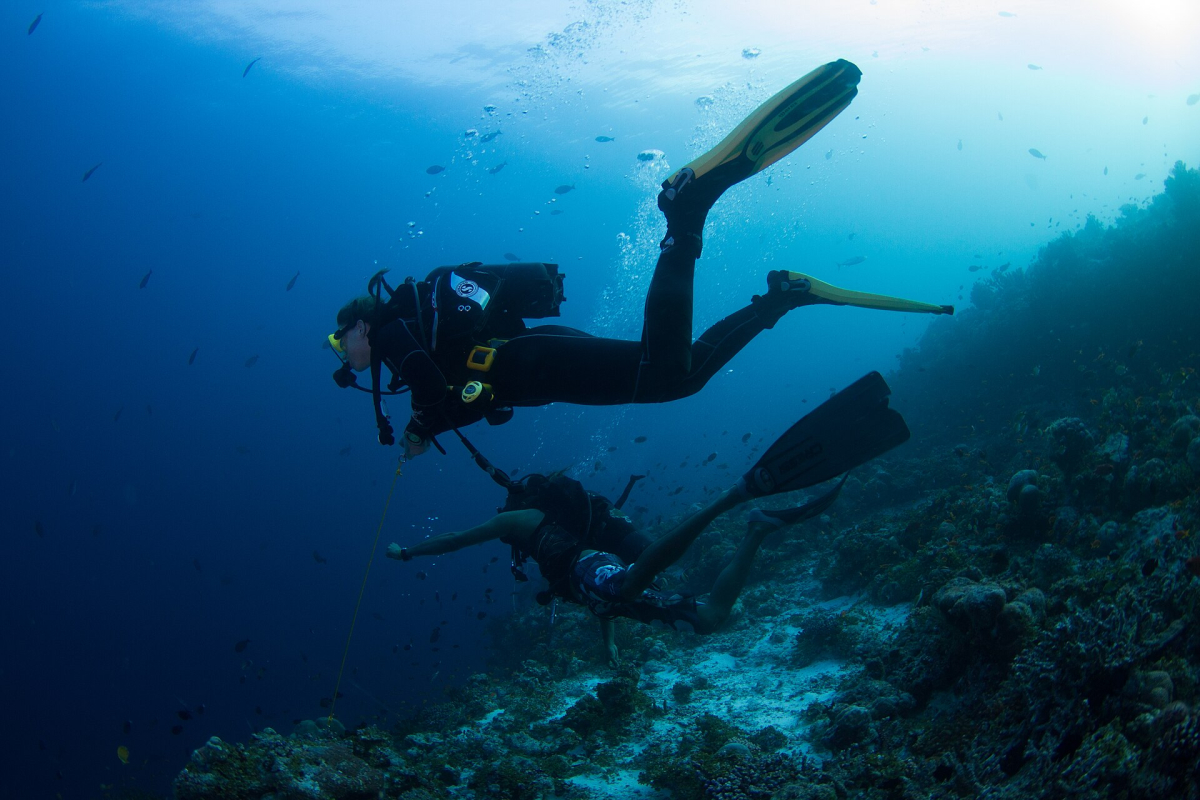
A house reef can make repeated marine time convenient, but you still need an orientation covering entries, exits, tides, restricted areas and the site’s current condition. Ask whether independent access is allowed, what buddy arrangement applies and how staff know you have returned. Never assume a short distance from the beach makes a reef risk-free.
A boat trip can take you to an appropriate site away from the accommodation, with the guide selecting the location for conditions. Clarify how you enter and leave the water, whether the boat remains nearby and what happens if someone wants to stop early. Shade, water and the time spent travelling matter for a group with mixed interests.
Channels and exposed sites can require experience that a sheltered introduction does not provide. Let the centre assess the suitability instead of insisting on a named dive from an online list. In choosing a base, compare the activities you can realistically do several times, not simply the longest list of sites advertised.
Separate Hanifaru snorkelling from other wildlife trips
Hanifaru Bay in Baa is a managed feeding area with its own rules. The official tourism board’s Hanifaru guidance explains that visitors snorkel rather than scuba dive in the bay. Ask your operator to explain current ranger instructions, admission and entry arrangements before departure. A general Baa dive package is not the same product as a managed Hanifaru visit.
The tourism board identifies South Ari as a year-round whale-shark aggregation area. Year-round possibility does not mean a guaranteed encounter, suitable conditions every day or a short journey from every Ari property. Ask where the boat searches and whether the activity matches your swimming confidence.
Keep wildlife trips flexible within the stay and reject promises that depend on chasing animals or crowding their path. You are visiting an environment in which an animal may choose to leave. For where the places sit within the country, use the map; for choosing a full excursion, see things to do.
Choose the operator as carefully as the site
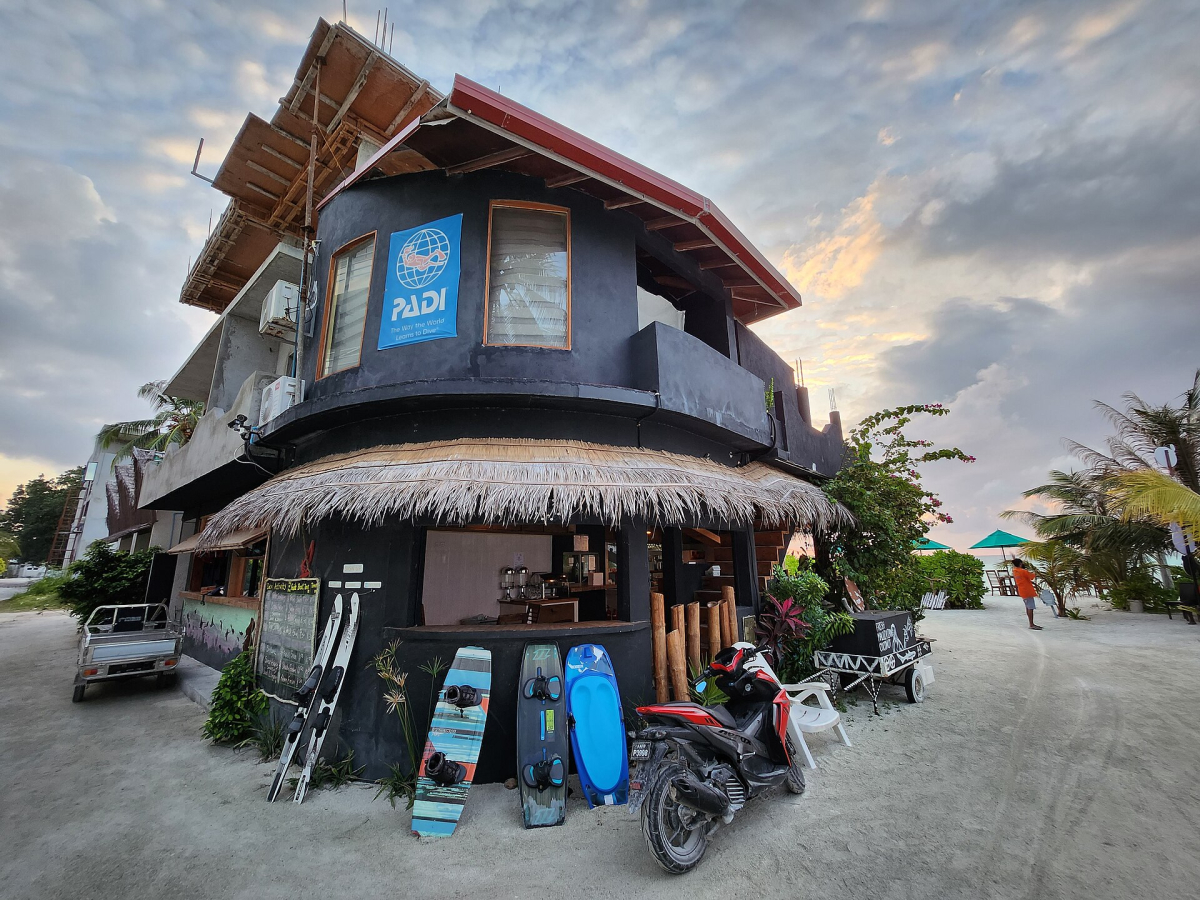
Ask who actually leads the activity and whether the equipment and support are suitable for your group. A property can sell a trip delivered by another company, so identify the accountable operator. Clarify what is included: equipment, tanks, guide, boat, protected-area entry and transport to the centre may be separate charges.
Discuss emergency readiness in practical terms. Ask about onboard oxygen and first aid for scuba outings, communication, evacuation arrangements and the nearest appropriate treatment route. Confirm that your insurance covers the activity, depth and circumstances you intend, including evacuation where relevant. A general holiday policy may have conditions that matter to a diving trip.
For a family or mixed group, ask how children and less experienced participants are supervised and whether everyone will share the same route. A centre that proposes a less ambitious plan after hearing your needs is providing useful information. Compare the written arrangement rather than choosing solely on the lowest per-dive or per-person price.
Keep wildlife encounters passive
The Manta Trust’s How to Swim with Manta Rays code advises a calm entry, at least three metres of approach space, no touching or chasing, and a clear path for the animal. Follow any stricter site-specific rule or guide instruction. Do not swim directly into a feeding group or over a cleaning station for a photograph.
Apply the same observation-first approach to turtles and other marine life. Do not block an animal’s route to the surface, pursue it for a close image or touch the reef to stabilise a camera. Stay aware of fins, equipment and buoyancy. If a photograph requires standing on coral or handling an animal, leave the photograph untaken.
Ask how the operator avoids crowding when several boats arrive. A responsible crew may wait, choose another site or end the encounter. These decisions protect the wildlife and can also make the experience calmer. The responsible travel guide covers wider habitat and operator choices.
Compare the marine experiences
Use this comparison to ask a centre for the right programme. Suitability depends on the individual site and the day; the table is not a substitute for the operator’s assessment or medical screening.
| Experience | Suitable starting question | Important limit |
|---|---|---|
| Guided introduction | What is appropriate for my swimming or dive experience? | A beginner label does not remove water risk |
| House reef | Which entries and exits are suitable today? | Proximity does not prove suitability |
| Boat reef trip | How is the group supervised and retrieved? | Conditions may change the chosen site |
| Hanifaru visit | What are current protected-area access rules? | Recreational scuba is prohibited in the core |
| Wildlife search | What happens if animals are absent or conditions poor? | Seasonal possibility is not a sighting guarantee |
Scroll the table sideways to compare all columns.
Plan the last scuba dive around every flight
Include domestic and seaplane sectors when planning the end of a dive programme. Do not think only about the international flight home. Tell the centre the full onward itinerary before booking the final dive, and leave enough room for a changed transfer. A convenient connection is not a reason to compress a recommended surface interval.
For divers without symptoms, Divers Alert Network guidance suggests at least 12 hours after a single no-decompression dive and at least 18 hours after multiple dives in a day or across multiple days; decompression-stop dives require longer than 18 hours. These are minimum suggestions, not a guarantee against illness. Follow the more conservative requirements appropriate to your profile and professional advice.
If you feel unwell or develop possible symptoms after diving, seek prompt medical or diving-medicine advice rather than boarding a flight on the basis of a timetable. Keep insurance and operator contacts accessible. Use the final day for an appropriate land-based activity, rest or a cultural visit, and discuss any further in-water plan with the centre.
Frequently asked questions
Is Hanifaru Bay a scuba-diving site?
Recreational scuba is prohibited in its managed core; snorkelling is permitted under the applicable access rules. Confirm current ranger requirements and conditions with a responsible operator before booking.
Can beginners snorkel with whale sharks?
Suitability depends on swimming ability, sea conditions and the operator’s supervision. Do not treat an open-water search as an automatic beginner activity. Explain your experience and accept a more suitable alternative.
Can I dive on the day before a seaplane transfer?
The exact dive profile, finishing time and flight time matter. Tell the centre about every air sector and follow appropriate surface-interval guidance. Do not assume a short seaplane flight is exempt from flying-after-diving planning.
Is a house reef better than boat trips?
A suitable house reef offers convenience, while a boat lets the operator select other sites. Compare entries, conditions, supervision, cost and your group’s ability. Neither option is universally better or automatically safe.



