
ASIA · MALDIVES GUIDE
Things to Do in the Maldives: Activities Worth Planning
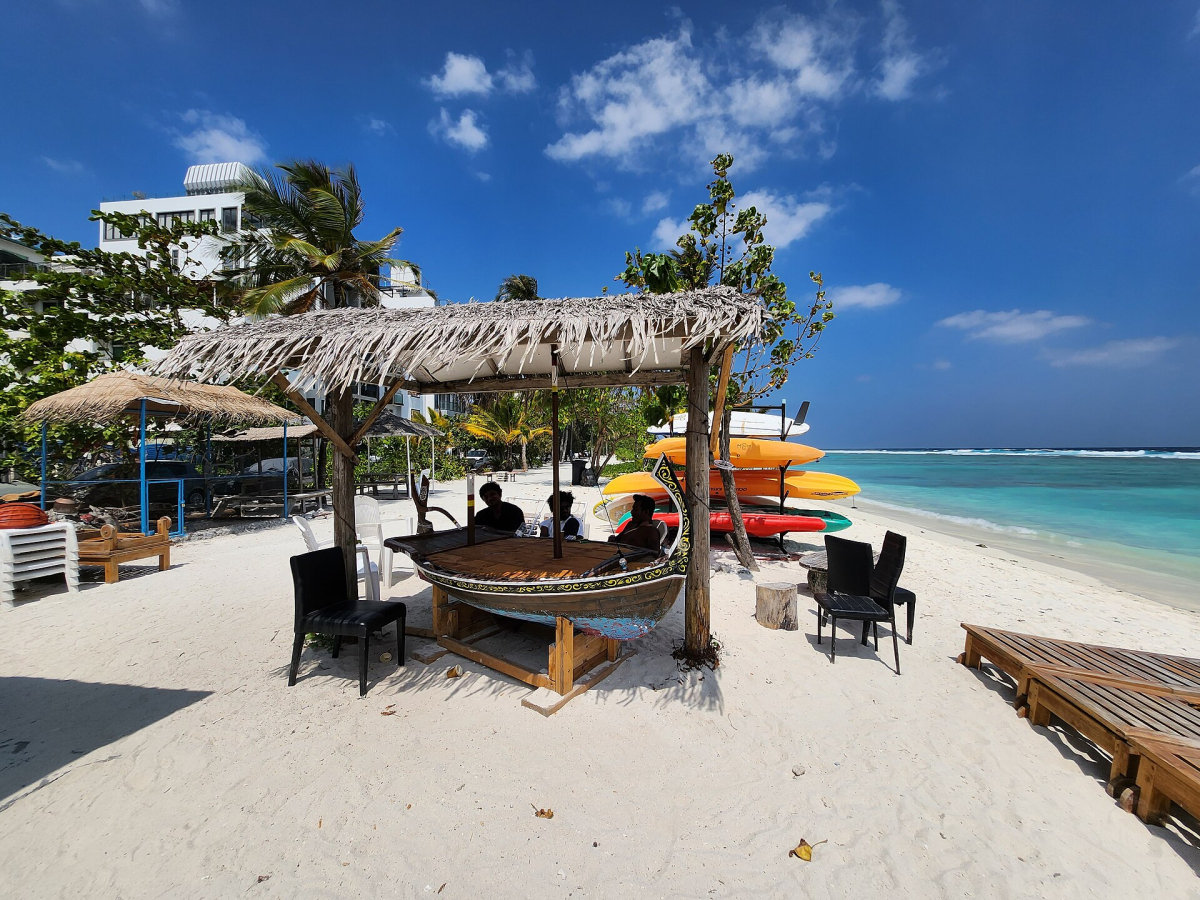
The most rewarding Maldives holiday usually combines one or two planned experiences with plenty of uncommitted island time. A reef swim, a boat trip and a short introduction to local food can feel more varied than a schedule filled with excursions that repeat the same stops. Start with your swimming confidence, your base and the people travelling with you. An activity offered elsewhere in the country may require an impractical transfer from your island, while a good house reef or resident marine team can make an ordinary morning memorable. This guide helps you choose what to book and what to leave flexible. For the identities and locations of major sights, use our Maldives attractions guide; for a whole holiday sequence, see Maldives itineraries.
1. Take a guided reef snorkel
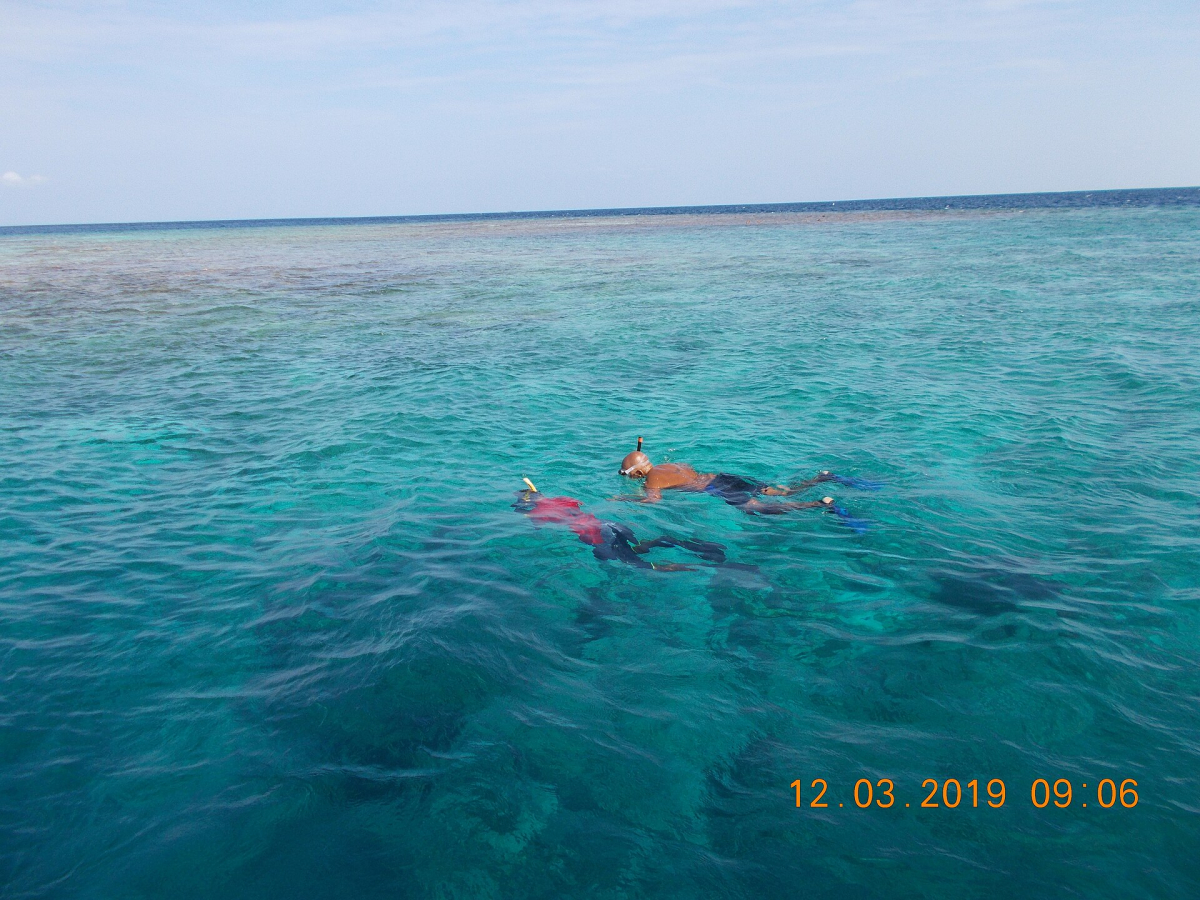
Make a guided introduction your first water activity if you are unfamiliar with reef entries, currents or snorkelling equipment. The aim is not to cover the greatest distance. It is to learn where to enter, where to exit, which areas to avoid and what the local guide considers suitable that day. A life jacket or flotation aid can help, but it does not replace swimming ability, supervision or an appropriate route.
Ask whether the trip uses a shore-access house reef, an inner-atoll boat site or a more exposed reef edge. Check the guide-to-guest arrangement and explain any anxiety before paying. Fit the mask on land, confirm fin sizes and find out how the group returns to the boat. Stay clear of coral, avoid chasing turtles and let animals approach or leave freely.
For a confident swimmer this can become a recurring independent activity after local orientation; for a beginner, a short supported session may be the right achievement. Our diving and snorkelling guide explains the difference between marine environments and the questions to ask a centre.
2. Join a wildlife cruise with realistic expectations
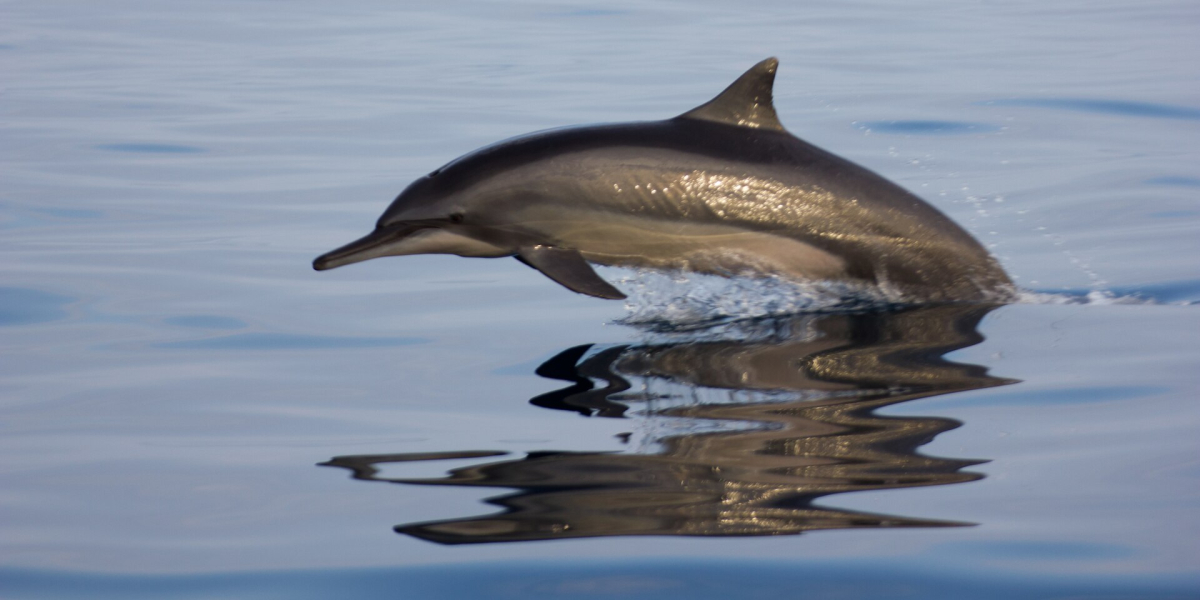
A dolphin cruise adds a different view of the atoll and can suit travellers who do not want to get in the water. The useful question is how the boat is operated, rather than how emphatically the excursion promises animals. Ask what happens if conditions deteriorate, whether there is shade and seating, and how the crew avoids surrounding, feeding or pursuing wildlife. A sunset departure is also a weather-dependent boat outing; the horizon may be cloudy and sightings may not happen.
Choose a trip whose ordinary journey you would enjoy. Families should check child-sized life jackets and consider whether a late return would conflict with dinner or bedtime. Anyone prone to seasickness should discuss the boat and expected conditions in advance. An open speedboat can feel very different from a larger shaded vessel.
Take a secure bag for cameras, keep a hand free when boarding and follow the crew’s instructions about moving around the deck. Photograph with a normal viewing position rather than leaning beyond rails. A responsible wildlife encounter should leave the animal’s behaviour and route undisturbed.
3. Plan a sandbank picnic around the conditions
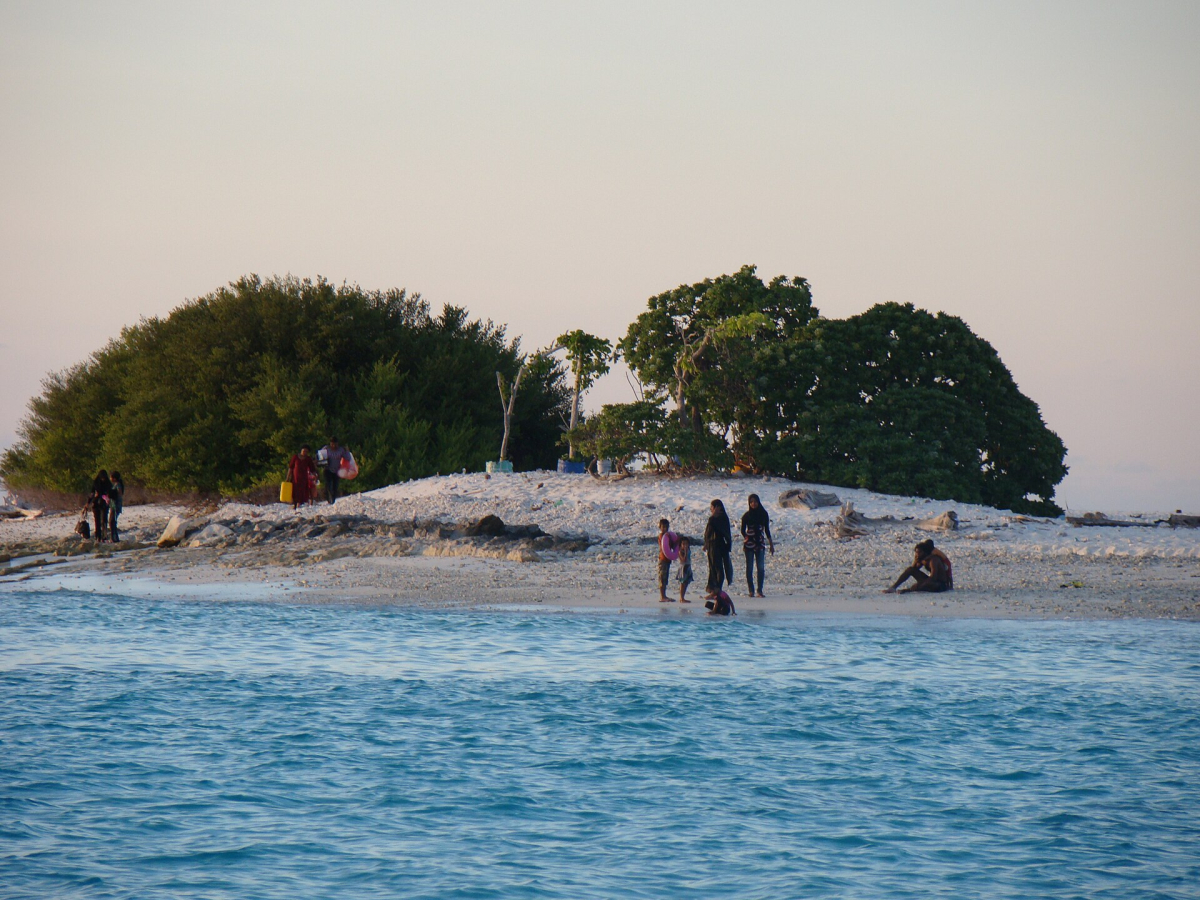
A sandbank outing is most appealing when you understand what the setting offers: open water, bright light and a temporary patch of sand, often with little natural shade. Ask how tide, wind and access affect the proposed landing, whether a shaded setup is included and how drinking water, food and waste are handled. The itinerary should identify an alternative or cancellation policy if the planned bank is unsuitable.
Treat the boat journey and the time ashore as one excursion. The most remote-looking photograph is not necessarily the best choice for a young child, a non-swimmer or someone who struggles with heat. Confirm whether boarding means stepping into shallow water, using a ladder or landing at a jetty. Keep medication and sun protection accessible rather than packed beneath picnic equipment.
Leave shells, coral pieces and wildlife where they belong. Bring back all packaging, and do not assume the surrounding pale water has a uniform depth or current. A picnic can be enjoyed entirely from the sand; swimming should depend on the operator’s assessment of the exact place and conditions.
4. Make time for an island food and community walk
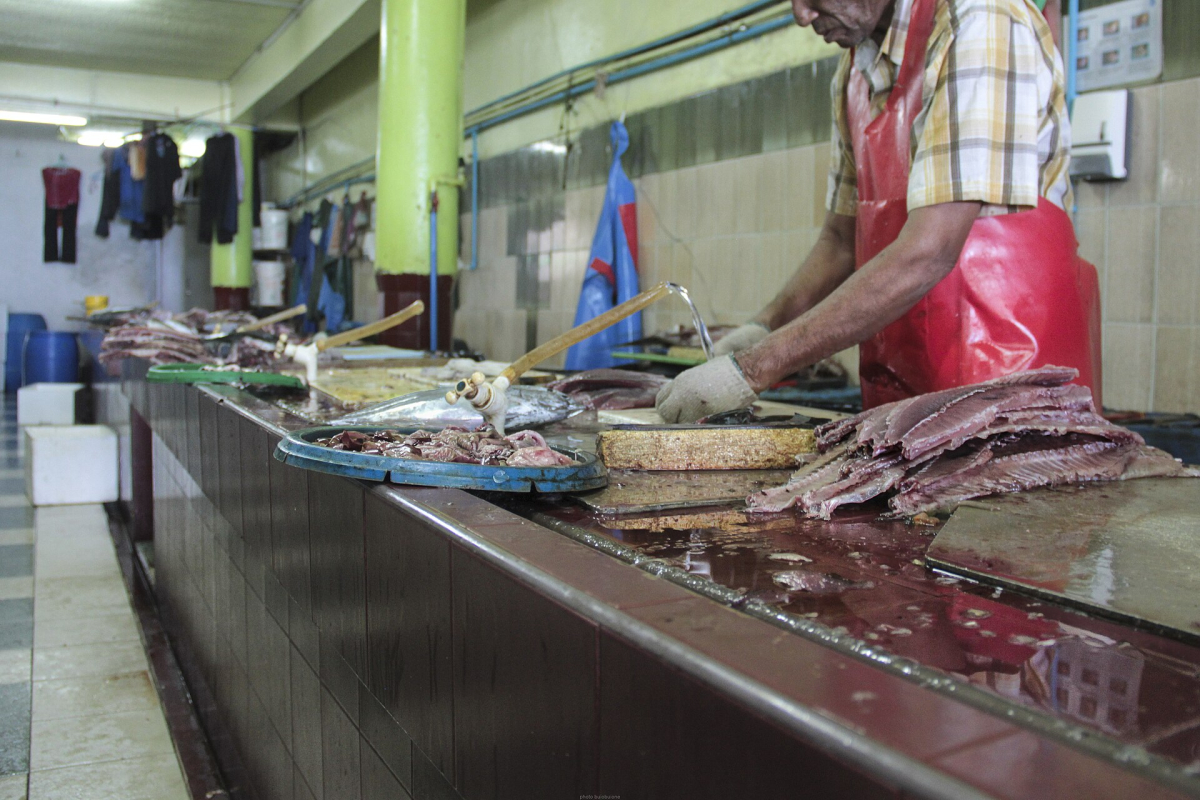
An inhabited-island visit provides a useful counterpoint to resort life when it is arranged around ordinary community activity and respectful conversation. Ask your host about a short walk, a café stop, local crafts or a harbour visit. Pick a manageable route with shade and a meal opportunity rather than trying to see every street in a single outing. The experience should fit the island’s rhythm and the guide’s knowledge.
The official tourism board’s cuisine introduction explains the central role of tuna, coconut and tea snacks. Use that context to ask what is being prepared and how to eat it. Tell the guide about fish allergies or dietary requirements before choosing food; a vegetable-looking snack may contain fish.
Cover up away from designated swimwear areas, ask permission for close portraits and avoid interrupting people at work or prayer. Choose purchases because you want the product and understand its origin. For choosing an island to stay on, rather than a brief visit, see local-island holidays.
5. Spend time with a marine educator
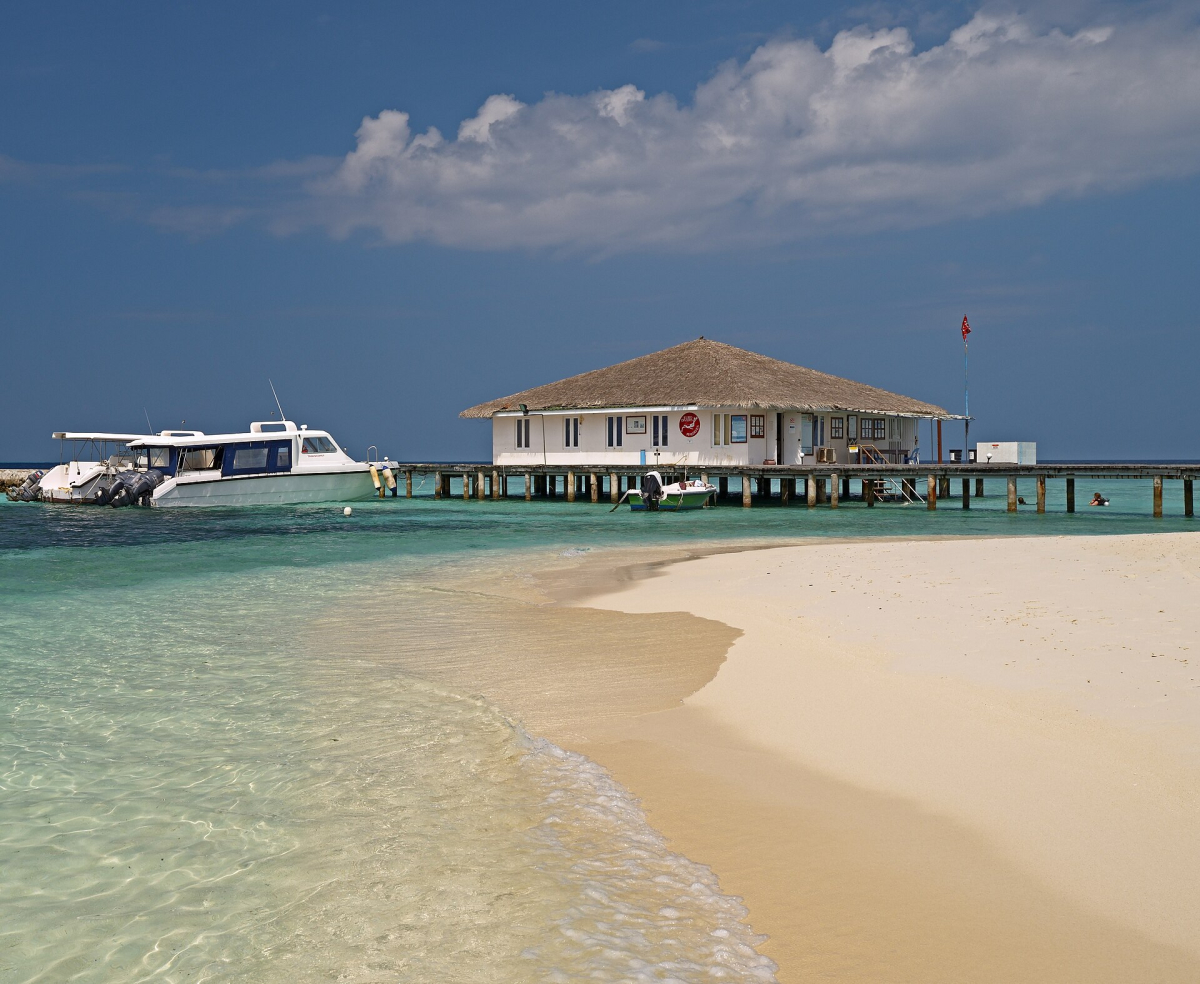
A marine talk or guided nature session can improve the rest of the holiday by helping you recognise habitats and understand what you see from the beach. Ask whether the property has a resident qualified team, a scheduled walk or an indoor programme suitable for your group. Find out whether the session involves observation, data collection or simply a general presentation; the distinction helps set expectations.
Six Senses Laamu describes its SHELL learning centre and Maldives Underwater Initiative as part of its conservation programme. This is an example of a specific property offering, not an attraction automatically accessible from every island. Confirm guest access and current activities directly before making travel plans around it.
Prefer learning that explains local habitats and responsible behaviour over an activity promising instant environmental transformation. Planting a coral fragment is not a guarantee of reef recovery, and an animal should never be handled for a photograph. A good session gives you questions to ask on later boat trips and reasons to value seagrass, small fish and less spectacular habitats.
Choose activities that fit your holiday
The comparison below is a planning framework, not a promise that an activity is available at your accommodation. Confirm its actual route, operator, inclusion and cancellation rules. Reserve one priority experience early in the stay so a weather cancellation leaves room to reschedule, then keep another day free. Check the seasonal planning guide before committing to a wildlife-led trip.
| Activity | Best starting point | Key question |
|---|---|---|
| Guided snorkel | Comfortable swimmer seeking reef orientation | Which route matches my ability today? |
| Wildlife cruise | Traveller who enjoys the boat journey itself | How does the crew avoid disturbing animals? |
| Sandbank picnic | Group comfortable with heat and a boat landing | What shade, water and weather alternative are included? |
| Island food walk | Visitor interested in daily community life | Which stops are appropriate and open today? |
| Marine learning | Family or traveller wanting habitat context | Who leads it and can our group participate? |
Scroll the table sideways to compare all columns.
Book for flexibility and leave a useful backup
Ask for a written total that explains equipment, transport, guide, meals and any protected-area admission. A low headline price may describe a shared departure, a minimum number of participants or only one part of the trip. Check whether a private charter changes cancellation terms and how the operator handles a shortened outing. Use Maldives travel costs to build an activity allowance alongside accommodation and transfers.
Avoid putting an important excursion immediately before an international flight or a tight island change. Time ashore, boarding and a return journey can expand when conditions change. Keep a simple land-based alternative: a food tasting arranged through your host, a craft conversation, a spa appointment or a marine talk. An honest weather cancellation is often the right operational decision.
If the group has mixed abilities, choose an outing with a worthwhile non-swimming component and clarify supervision. No one should feel pressured to enter the water because everyone else has paid for an excursion. A holiday with one well-chosen shared experience and room for individual interests is often easier to enjoy than a full calendar.
Frequently asked questions
Do I need to scuba dive to enjoy the Maldives?
No. A guided snorkel, a wildlife cruise, local food, beach time and marine-learning sessions can make a varied holiday. Choose activities around your ability and interests rather than treating scuba as compulsory.
Can a resort organise activities on another island?
Sometimes, but access, boat distance, weather and the receiving island’s permission matter. Ask your accommodation for the actual arrangement before booking. A restaurant or activity on a private resort is not an automatic public attraction.
Are wildlife sightings guaranteed?
No. Marine animals move with conditions and behaviour. Choose operators with responsible practices and a clear cancellation policy, and regard a sighting as an opportunity rather than a guaranteed inclusion.
How many excursions should I book for a week?
Start with two priorities and keep time available for weather changes and ordinary beach or reef sessions. Add more only if the activities are distinct and the transfers do not dominate your holiday.



