
ASIA · MALDIVES GUIDE
Shopping in the Maldives: Local Crafts, Souvenirs and Responsible Purchases
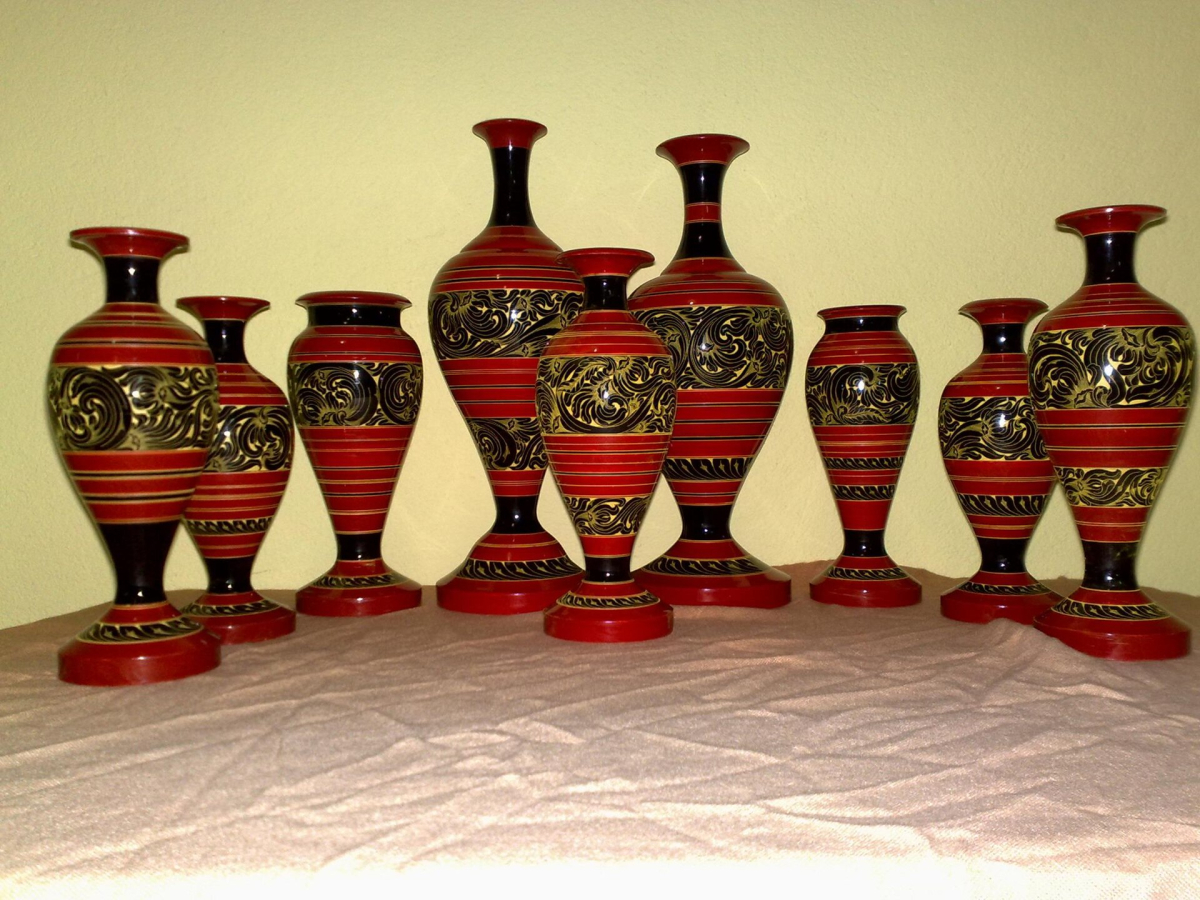
The most worthwhile Maldives souvenir is something you understand: who made it, what it is made from, and how you will use and carry it home. Lacquered wood, woven work, contemporary design and packaged local products can tell different stories. A shell or coral fragment is a poor substitute for a traceable purchase.
This guide starts with products, then explains useful retail channels and the questions to ask before paying. It does not promise that every item in a souvenir shop is locally made or that a cultural project is already open to visitors. Check current stock, location and access with the seller, especially if you have only an airport stop. For a cultural visit beyond shopping, use the History & Culture guide.
Choose an object for its use and maker
Start with the type of purchase you actually want: a small decorative object, a useful textile, a contemporary print or a packaged food gift that meets import rules. Decide how much luggage space and protection it needs before browsing. A compact item with a known maker can be more meaningful than a large generic souvenir selected only because it has the country’s name on it.
Ask where the product was made, whether the design and production are both local, and what materials are used. There is nothing inherently wrong with a clearly described imported everyday item, but it should not be sold to you as traditional Maldivian handwork without a basis. Request care instructions for an unfamiliar material and a receipt identifying the purchase. For a gift, include the maker or island story if it is documented, rather than inventing a cultural meaning from the decoration.
Look for traceable lacquerwork associated with Thulhaadhoo
Thulhaadhoo in Baa is an established centre of Maldivian lacquer craftsmanship. The Baa Atoll Conservation Fund’s account of lacquer training documents local craft transmission, while the economic ministry’s Thulhaadhoo project brief identifies continuing production and support for artisans. This makes origin a useful question, not a guarantee that every painted wooden object in a shop comes from that island.
Ask the seller who made the piece, how the surface was worked and whether the colour and pattern are part of a documented technique. Examine the finish, stability and intended use. A small box, bowl or decorative piece should be chosen for craftsmanship and suitability, with appropriate care rather than a vague promise of durability. The ministry’s August 2026 brief lists the new cultural centre as under construction, with completion expected later; do not plan a visit as though that project were an operating showroom. Arrange any workshop access through a reliable local contact.
Ask about woven mats and contemporary local design
Thun’du kunaa mat-weaving is strongly associated with Gadhdhoo in Gaafu Dhaalu. The ministry’s Gadhdhoo weaving and cultural-arts project brief describes the community’s heritage and a proposed training, production and exhibition hub. Its listed development status is not evidence of a current drop-in visitor attraction. A genuine woven item can be considered as an object in its own right, without building an unconfirmed journey around a future centre.
Ask about the fibre, maker, dimensions and care requirements. Check whether a mat can be rolled or needs to stay flat, and whether damp or tight packing could damage it. Contemporary local products can be worthwhile too: seek the designer and producer’s own explanation rather than assuming tradition is the only form of authentic work. A textile, illustration or small accessory may be easier to carry and use than a fragile display piece. Keep natural-material import questions in mind before payment, not at the airport.
Compare gifts by origin, practicality and restrictions
| Product | Ask before buying | Travel consideration |
|---|---|---|
| Lacquered wood | Maker, island of production, finish and intended use | Protect from impact and obtain material information |
| Woven work | Fibre, maker, dimensions and care | Check packing method and home-country biosecurity rules |
| Contemporary local design | Designer and place of manufacture | Choose a useful size and retain the receipt |
| Packaged food | Ingredients, seal, shelf life and storage | Check animal-product and food-import restrictions at home |
| Marine material | Do not rely on a seller’s informal export assurance | Avoid coral, tortoiseshell and questionable wildlife products |
Scroll the table sideways to compare all columns.
A duty-free label concerns a retail tax arrangement; it does not mean that all goods are exempt from wildlife, security or destination import controls. Treat those as separate checks.
Use identifiable retail channels and confirm the branch
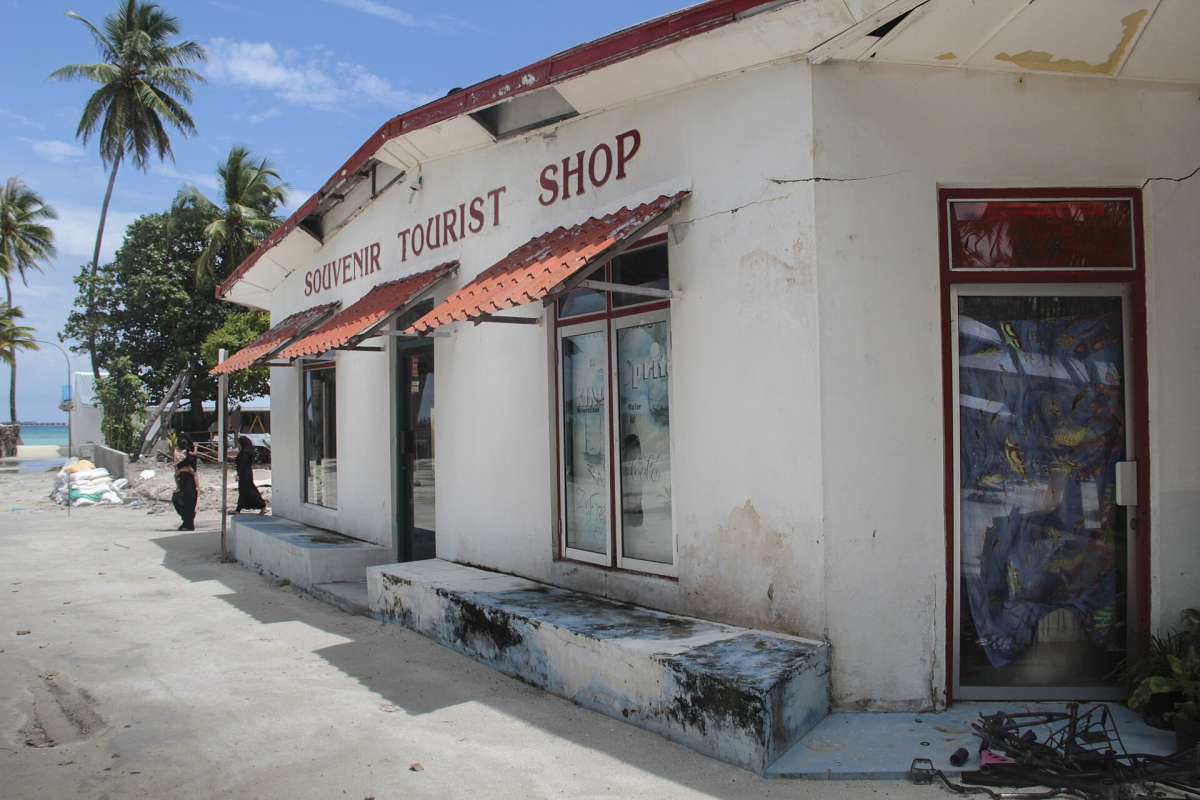
Authentic Maldives is a useful retail channel to investigate for locally produced goods. The official Velana airport directory lists its Terminal 1 international-departure outlet and identifies Business Center Corporation as operator. The economic ministry’s July 2026 report also documents the expanded outlet at the new terminal. Check your actual departure route and current access rather than assuming every arriving passenger can shop in a departure-area location.
For an urban shopping stop, consult the retailer’s current outlet information for Malé or Hulhumalé and confirm the branch, hours and stock before travelling there. On a local island, ask the guesthouse whether a maker or shop visit can be arranged without disrupting work. Resort boutiques can be convenient, but ask the same origin and material questions. Compare the object, provenance and final price rather than assuming one location is always cheaper.
Handle prices and visits respectfully
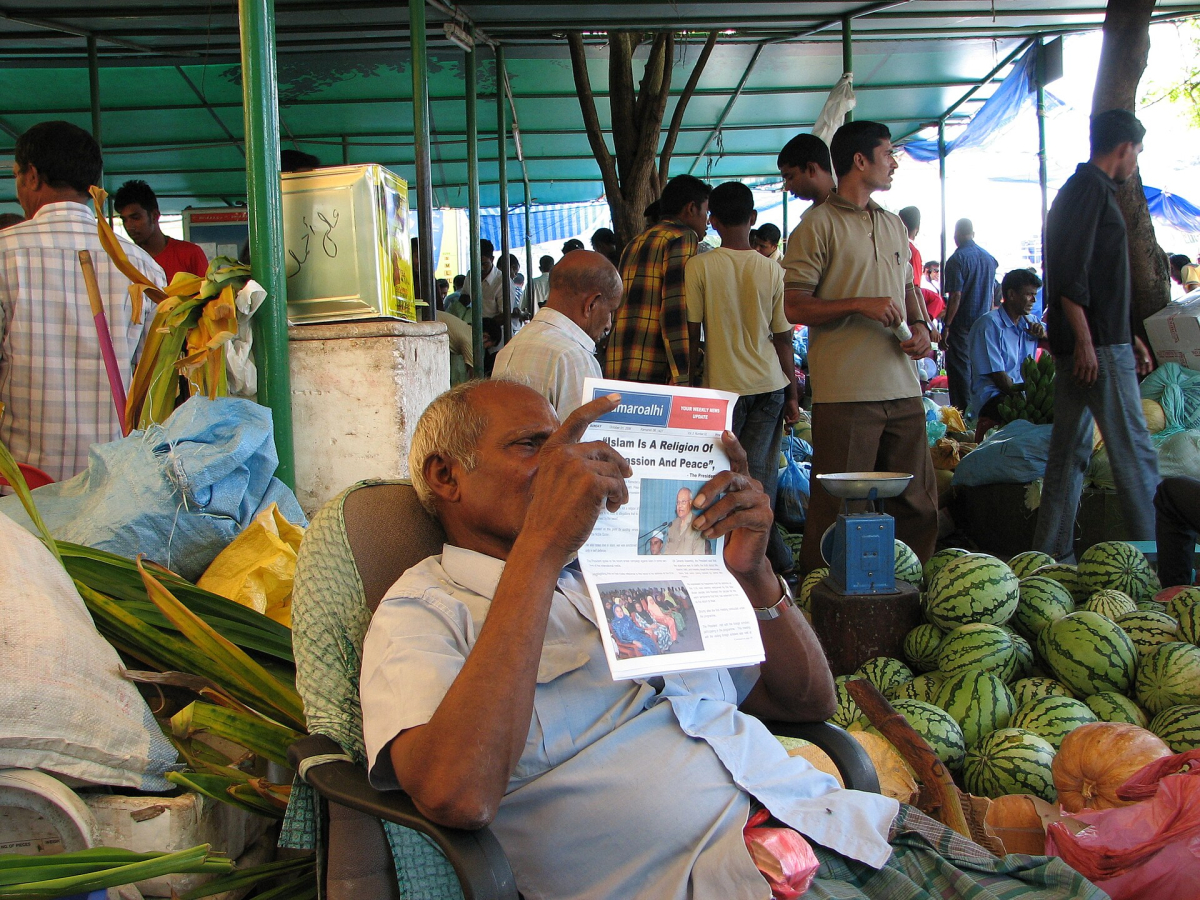
Ask for the final price and payment currency before committing. If negotiation is appropriate at the particular shop, keep it courteous and accept a refusal; handmade work includes time and skill that may not be obvious from the object’s size. For a commission or personalised item, agree the design, payment stages, completion date and delivery arrangement in writing. Do not assume a short airport visit leaves enough time to resolve a delayed custom order.
If you visit an artisan, ask permission before photographs and whether demonstrations require a booking or fee. A working home or workshop is not automatically a public attraction. Avoid touching unfinished pieces or interrupting the process to stage an image. Where possible, choose a purchase because you value the work rather than treating a demonstration as free entertainment. Keep an appointment within the agreed time and check how the visit fits the return boat; a shopping outing should not create an avoidable missed connection.
Check export and home-country import rules before paying
The FCDO’s Maldives guidance prohibits taking coral and tortoiseshell products out of the country. Avoid collecting beach material or buying questionable wildlife souvenirs, and do not assume that a shop receipt supplies a permit. The Maldivian airline prohibited-items guidance identifies additional protected marine products that should not be treated as ordinary souvenirs.
Check your destination’s own customs and biosecurity requirements for food, plant material, untreated wood or animal products. Keep packaging and ingredient information where helpful. For liquids, fragile objects and larger pieces, consider both airport security and the smallest baggage allowance on the full route. Ask for protective packing without unnecessary bulk and inspect the item before it is wrapped. A thoughtful purchase should still make sense after taxes, luggage space and the journey home are included. Read Responsible Travel for wider wildlife and community choices.
Frequently asked questions
What is a meaningful souvenir from the Maldives?
Consider traceable lacquerwork, woven work, a useful contemporary local design or a suitable packaged product. Choose something you understand and can carry responsibly. The maker and material matter more than a generic country-name label.
Can I visit the new Thulhaadhoo or Gadhdhoo craft centre?
Do not assume either project is an operating visitor attraction. The cited 2026 ministry briefs describe construction or development. Ask a current local contact about confirmed workshop visits and arrangements before planning transport around a centre.
Where can I look for local products at Velana airport?
The official airport directory lists Authentic Maldives in Terminal 1 international departures, operated by Business Center Corporation. Check the current branch, access and your terminal before relying on a shopping stop. Stock and opening arrangements can change.
Can I take coral or tortoiseshell home if a shop sells it?
No. Official travel guidance prohibits their export. A display in a shop or an ordinary receipt does not override restrictions. Avoid questionable wildlife products and check your home country’s import rules for other natural materials and food gifts.



