
ASIA · MALDIVES GUIDE
Maldives Ferries & Island Transfers: Routes, Ports and Booking Decisions
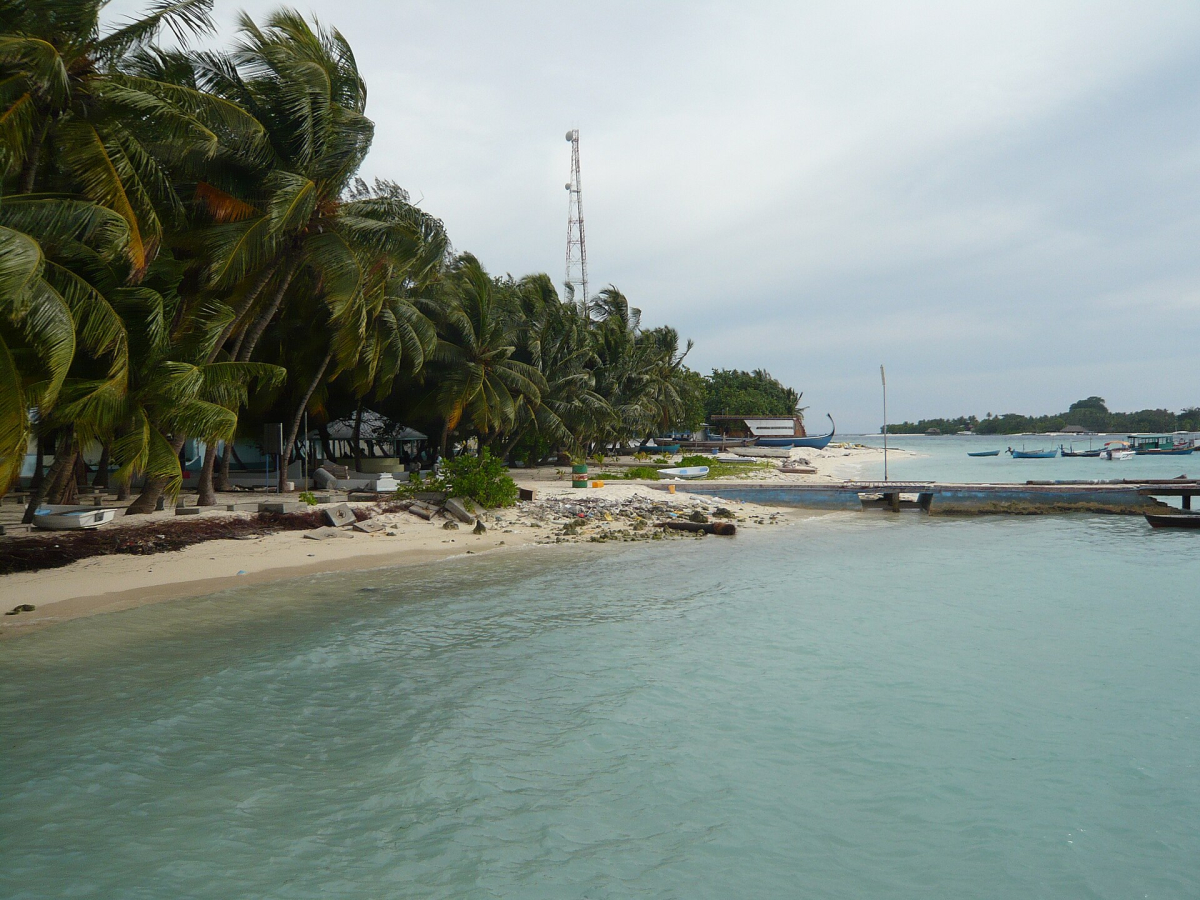
A Maldives ferry journey needs four matching details: the right island, the right port, the right operator and the right travel day. Miss one of those and an apparently simple island hop can turn into an expensive change of plan. This is especially important when combining a local island with a resort.
This guide explains how boat networks and property transfers differ, how to check a route through a hub, and what to keep in a usable booking record. It deliberately avoids a national timetable because routes and services change. For choosing between boats and flights, use getting around the Maldives. For your first connection after an international arrival, use airports and arrival transfers.
Identify the boat service before comparing the price
Public passenger ferries, scheduled speedboats, private charters and resort transfers are different products. A local public service may connect inhabited islands according to a network timetable. A scheduled speedboat can be sold by an independent operator with its own departure point and cancellation terms. A property transfer is arranged for guests of a particular accommodation. A charter reserves capacity for a private arrangement, but still depends on safe operating conditions and access permission.
Ask the seller for the actual operator and service name, not just the description “ferry.” Confirm whether the booking buys a seat, a return journey or the whole boat. Check whether children, bags, pickup and taxes are included. A supplier offering a room and boat package should explain which company operates the water section. Clear product identification helps you compare comfort, timing and change terms without treating every boat as interchangeable.
Check current networks and exact travel dates
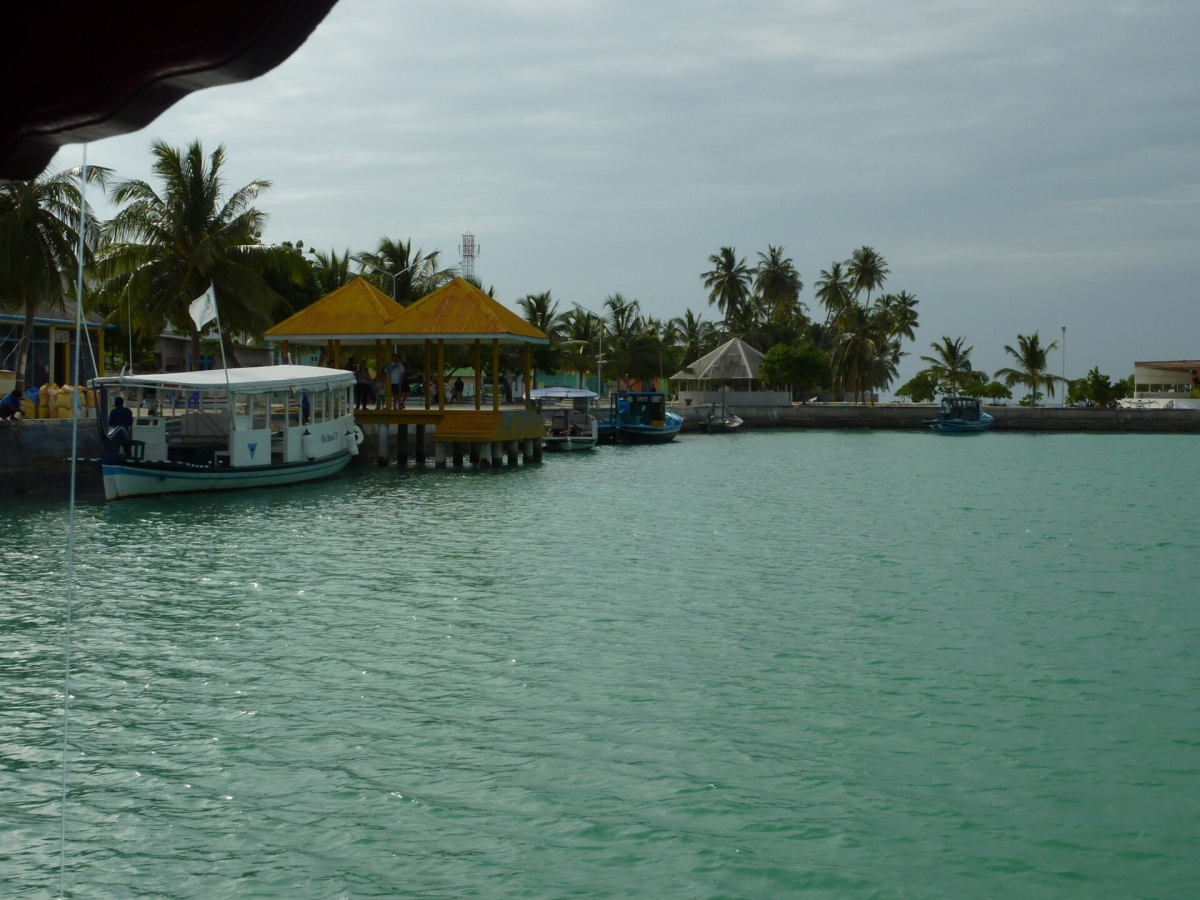
MTCC’s published network information and the transport ministry’s RTL project brief show a ferry system that has expanded across the country. An announcement about a network or atoll is not a timetable for your particular island. Check the actual route available for your travel date and direction, including intermediate stops and the destination jetty.
Do not use a blanket assumption that every ferry stops on the same weekday or that a service runs identically in both directions. Ask about public holidays, seasonal changes and the reporting time for boarding. Keep a dated confirmation from the operator or accommodation. If your hotel gives the timetable, ask whether it is the current operator schedule and whether the hotel can reserve the seat. A photograph of an old noticeboard is useful background, but weak evidence for a non-refundable connection.
Understand the hub and departure point
An island name in a booking search does not always tell you the meeting place. Obtain the departure jetty, a map pin where possible, the reporting instructions and the name displayed on the boat or counter. Ask whether pickup is included from your accommodation or airport meeting point. Leave time to move between different terminals or jetties rather than assuming that services sharing “Malé” as an origin depart side by side.
For an island-to-island move, ask explicitly whether the connection is direct. A route can involve returning to a hub and waiting for another departure, even when the islands look close on a map. Check whether the second operator waits if the first leg is late; separate tickets often need independent arrangements. Compare the complete route with staying at one base and taking a suitable excursion instead. The best connection is the one confirmed for your party and dates, not the shortest straight line.
Build a route record before booking rooms

| Detail | Record | Problem it prevents |
|---|---|---|
| Islands and ports | Exact origin, destination and jetty names | Arriving at the wrong departure point |
| Service and date | Operator, direction, weekday and calendar date | Using an old or reverse-direction timetable |
| Booking | Reference, ticket type, travellers and payment | Confusing an enquiry with a reserved seat |
| Bags and assistance | Allowed items and agreed boarding arrangements | Discovering capacity or access limits at the jetty |
| Disruption | Contact, refund terms and alternative night | Having no workable plan if the service cannot run |
Scroll the table sideways to compare all columns.
Keep this record offline and give the receiving accommodation the relevant details. If the property expects you on a different boat or jetty, resolve that discrepancy before departure. Ask who will meet you and how to identify them.
Treat resort access as a separate arrangement
A public route to a local island does not automatically provide entry to a nearby resort. Obtain permission and a confirmed final connection from the resort itself or its authorised organiser. If you book a day visit, check the included facilities, meal arrangements, departure time and return pickup. A hotel reservation on another island is not evidence that a particular jetty will accept your arrival.
For a split stay, request compatible one-way terms from both properties. A transfer package built around airport arrival and departure may not convert neatly into a direct resort-to-resort ride. Check whether your original package includes a return section you will not use and whether any refund applies. Do not arrive hoping to negotiate a casual ride on another property’s guest boat. A confirmed route protects your access, luggage arrangements and the staff responsible for receiving you.
Prepare for the actual boat and boarding process
Ask how passengers board at both ends. Steps, a moving gap, a ladder, a low roof or a beach landing can materially change the suitability of a service. If you need assistance, explain the task and equipment clearly in advance; “help available” is less useful than an agreed method. Families should confirm child-sized life jackets and where children can sit safely. Anyone with a condition affected by motion should discuss the journey with the appropriate clinician and operator.
Keep luggage compact, labelled and protected from possible spray. Carry medicines, documents and electronics in an accessible protected bag, while following crew instructions about storage. Check size and capacity limits for strollers, dive equipment, surfboards and mobility aids. Loading help is not a guarantee that an unsuitable item can travel. Be ready at the stated reporting time; another passenger’s delay should not become the basis for planning your own arrival late.
Make a cancellation plan that does not depend on unsafe sailing
Before payment, ask what happens if the operator cancels, if you miss the departure, or if a preceding flight is delayed. These are different situations and may have different refund rules. Identify a realistic accommodation option at the departure hub if the journey cannot run. If the boat is needed for an international flight, agree an appropriate buffer rather than assuming a later charter will always be available.
Check official weather alerts and current messages from the operator close to travel. Rough seas and operational changes can affect a confirmed booking. A private boat should not be used to bypass a safety decision. Keep the cancellation notice and expense records if you need an insurance claim, and contact the next property promptly. For complicated moves, a single organiser who accepts responsibility for the full connection can be worth more than a small saving on separate tickets.
Frequently asked questions
Do Maldives ferries operate every day?
It depends on the specific service, route, direction and date. Check the operator’s current timetable, including holidays. A countrywide statement about a particular weekday is not a dependable basis for your itinerary.
Can I take a public ferry straight to any resort?
No. Resort access and guest transfers need their own confirmation. A public ferry serving a nearby inhabited island does not establish a final connection or permission to arrive at the resort. Ask the property for the complete route.
Is a private charter guaranteed if the scheduled boat is cancelled?
No. Availability, access and safe operating conditions still apply. Agree a realistic alternative night and the financial terms in advance, and follow the operator’s safety decision rather than relying on a more expensive boat as an automatic fallback.
Should I buy ferry tickets before accommodation?
Confirm that a suitable connection exists before committing to inflexible room dates. The ideal order is to check both together, then reserve compatible transport and accommodation. Ask whether the hotel’s package includes an actual reserved seat or only assistance arranging one.



