
ASIA · MALDIVES GUIDE
Responsible Travel in the Maldives: Reefs, Wildlife and Island Communities
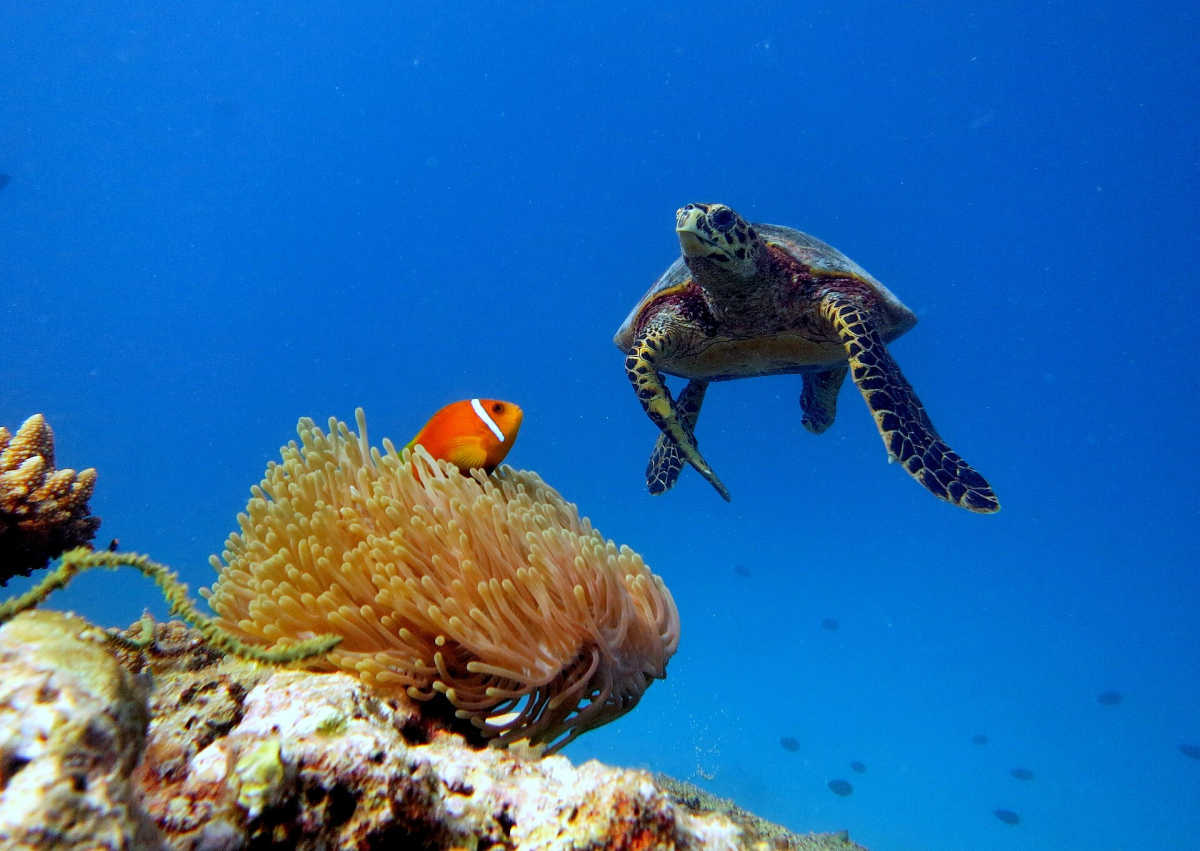
Responsible travel in the Maldives is most useful when it changes an ordinary booking or behaviour: choosing a wildlife operator that controls the encounter, leaving a reef untouched, buying a traceable craft, or asking what a property actually does with waste. A reassuring label matters less than an understandable practice.
This guide focuses on decisions you can make before and during the trip, with specific marine rules and practical community etiquette. It does not certify businesses or promise that one purchase makes a holiday impact-free. Use it alongside the diving and snorkelling guide and local-island guide to choose experiences that work for the place as well as your itinerary.
Choose operators for their process, not a wildlife guarantee
Ask how an operator limits disturbance, briefs participants and decides when an encounter should end. Useful answers describe group control, boat positioning, suitable entry to the water and what happens if conditions or animal behaviour change. Ask whether staff stop guests from chasing or touching wildlife. A promise of a close photograph is not evidence of a responsible experience, and a wild animal cannot be guaranteed on demand.
For a protected area, ask which permission, guide or vessel arrangement applies to the activity. The official SAMPA vessel-registration guidance sets out registration and compliance obligations for vessels operating in South Ari Marine Protected Area. That does not mean every boat marketed with a whale shark has been checked by this guide. Ask the operator to identify its actual arrangements, and be willing to choose a different experience if the explanation is weak.
Follow the current whale-shark encounter rules
The official tourism-body explanation of Regulation 2024/R-96 specifies at least three metres from a whale shark’s body and four metres from its tail. Touching, feeding, chasing and obstructing its path are prohibited, as are flash photography, selfie sticks and bright lights during interactions. Move calmly at the side rather than trying to get in front for a photograph.
Learn the guide’s entry, exit and recall signals before getting into the water. If the group cannot remain controlled, stay aboard or leave the encounter as instructed. A long lens or a wide composition from an appropriate distance is preferable to moving closer. Boats and swimmers need space and supervision as well as respect for the animal. Ask how the crew keeps people clear of propellers and other vessels; the quality of that answer matters more than the number of sightings advertised.
Protect reefs and give manta rays room
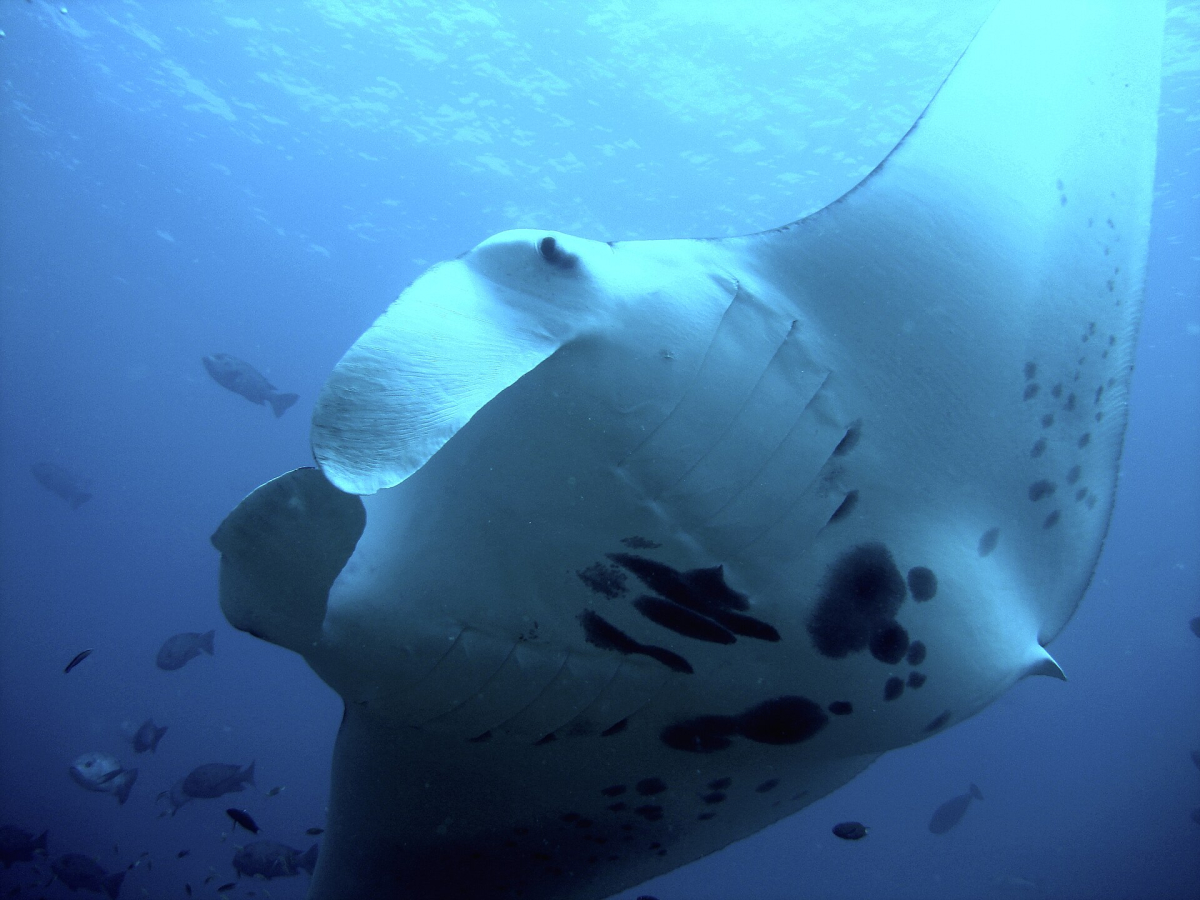
Choose an activity suited to your swimming or diving ability so that you can avoid grabbing, kicking or standing on the reef. Practise using equipment and controlling your position away from sensitive habitat where the operator advises. Keep fins and dangling equipment clear, and do not move an animal or object to improve a photograph. If you need to rest or exit, use the method described in the briefing rather than finding support on coral.
The Manta Trust’s encounter guidance advises quiet entry, keeping at least three metres from a manta, approaching from the side and never chasing or touching it. At cleaning stations, divers should stay to the side and leave the animals’ route clear. Follow the stricter applicable local instructions at a particular site. A responsible guide can explain why the encounter is conducted that way; choose patience over the expectation that every animal should turn towards your camera.
Ask questions that reveal meaningful environmental practice
| Claim or activity | Question to ask | Useful evidence |
|---|---|---|
| Wildlife excursion | How is disturbance prevented? | Briefing, group control and willingness to stop |
| Waste programme | Where do separated materials actually go? | An explained collection and handling process |
| Water refill | Which supply is intended for drinking? | A clear safe-refill arrangement |
| Conservation activity | Who designs and monitors it? | Named expertise and a purpose beyond a photo opportunity |
| Local craft | Who made it and where? | Maker, material and origin information |
Scroll the table sideways to compare all columns.
You do not need a perfect answer to every question to make a thoughtful choice. Focus on the claims the business actively uses to sell the experience, and prefer specific, verifiable explanations to sweeping language.
Reduce avoidable waste without compromising health
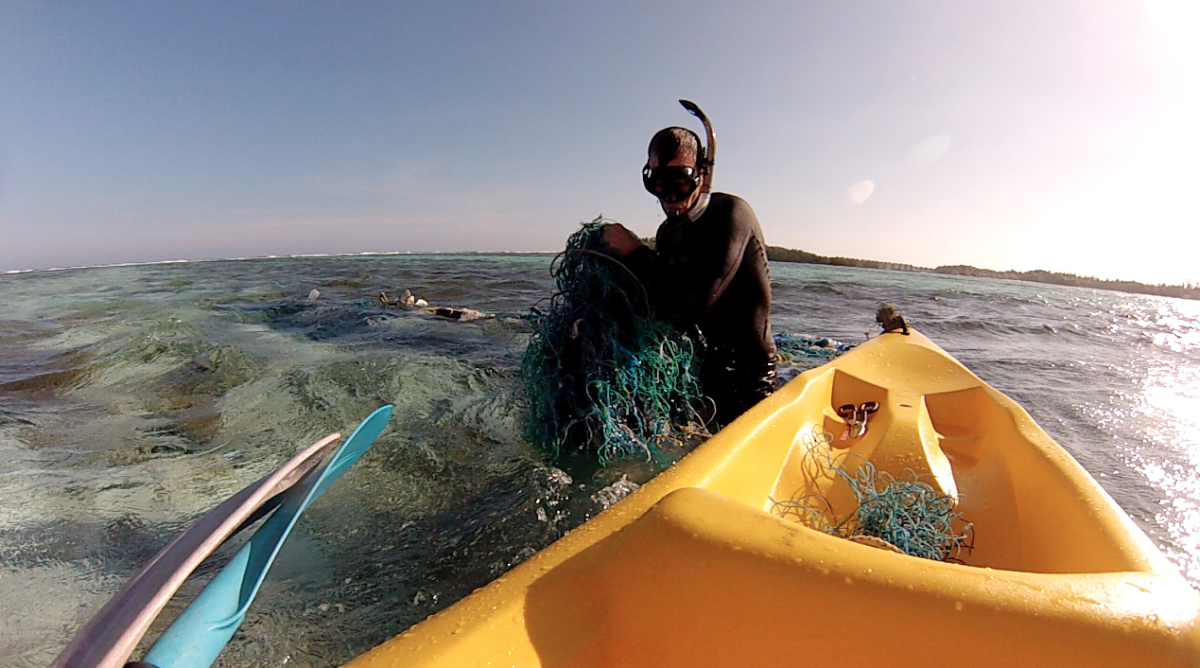
Ask about safe drinking-water refills and use a reusable bottle where the system supports it. Do not assume any tap is suitable for drinking simply to avoid packaging. Pack manageable quantities of toiletries, decline unnecessary disposable items and keep litter secure on boats so it cannot blow into the sea. Take batteries and specialised waste through an appropriate disposal route instead of leaving them with ordinary beach litter.
Use water and energy considerately: report leaks, avoid unnecessary towel and linen changes, and follow the property’s guidance for air conditioning when away from the room. If a supplier claims comprehensive recycling, ask what it means on that island and where materials are handled. Visible bins alone do not explain the final process. Avoid an impulse purchase that will be discarded before the flight home, and plan equipment so that you are not repeatedly buying short-lived replacements.
Visit local islands as communities with their own routines
Use clothing and behaviour appropriate to the public areas you are visiting, and ask where tourist swimwear is suitable. Respect prayer, school and working routines rather than treating an inhabited island as an attraction open on demand. Ask permission before photographing people, particularly children or someone at work. Accept a refusal without bargaining for the image, and avoid publishing an identifying photograph if permission is unclear.
Choose local meals, guiding or crafts when they suit your trip, and ask how the activity is organised rather than assuming every product labelled local reaches its maker. Pay an agreed fair price and keep any promised visit realistic within the community’s schedule. Do not give gifts directly to children or encourage them to skip normal activities for a photograph. For purchases, the shopping guide explains how to ask about origin and choose useful alternatives to marine souvenirs.
Leave marine souvenirs and questionable projects alone
Official travel guidance states that taking coral or tortoiseshell products out of the Maldives is illegal. Leave shells, sand and other natural material where you find them as a practical conservation choice, and check applicable export and home-country import rules for any natural-material purchase. A seller’s receipt is not necessarily a permit or evidence that an item is appropriate to take.
Treat conservation-themed participation with similar care. Before paying to handle wildlife, plant coral or join a restoration activity, ask about the responsible organisation, expertise, permissions and monitoring. A photograph of participation does not establish a benefit. You can support responsible practice without handling an animal or entering a sensitive area. Keep feedback specific if you observe a problem, record relevant details safely and contact the appropriate organiser or authority. Your most useful contribution may simply be choosing an operator that leaves space for wildlife to behave naturally.
Frequently asked questions
Can I touch a whale shark or manta ray for a photograph?
No. Follow the applicable distance and conduct rules and your guide’s instructions. Touching, chasing or blocking an animal is not a reasonable price for an image. Stay in control of your position and allow it to move naturally.
Does a recycling bin prove a resort is environmentally responsible?
It is only one visible step. Ask how materials are collected and handled after separation, and assess the specific claims the property makes. A clear process is more informative than a broad label.
Can I take a small coral fragment home if it is already on the beach?
Do not do so. Official guidance prohibits exporting coral. Leave natural beach material in place, and choose a traceable craft or another appropriate purchase instead of relying on a seller’s informal reassurance.
Should I join a coral-planting or wildlife-handling activity?
Ask who designs it, what permission and expertise apply, and how outcomes are monitored. Avoid assuming that an activity benefits nature because it produces a conservation-themed photograph. Supporting a well-run programme can be possible without touching animals or disturbing habitat.



