
ASIA · MALDIVES GUIDE
Maldives Photos & Photo Spots: Islands, Light and Camera Planning
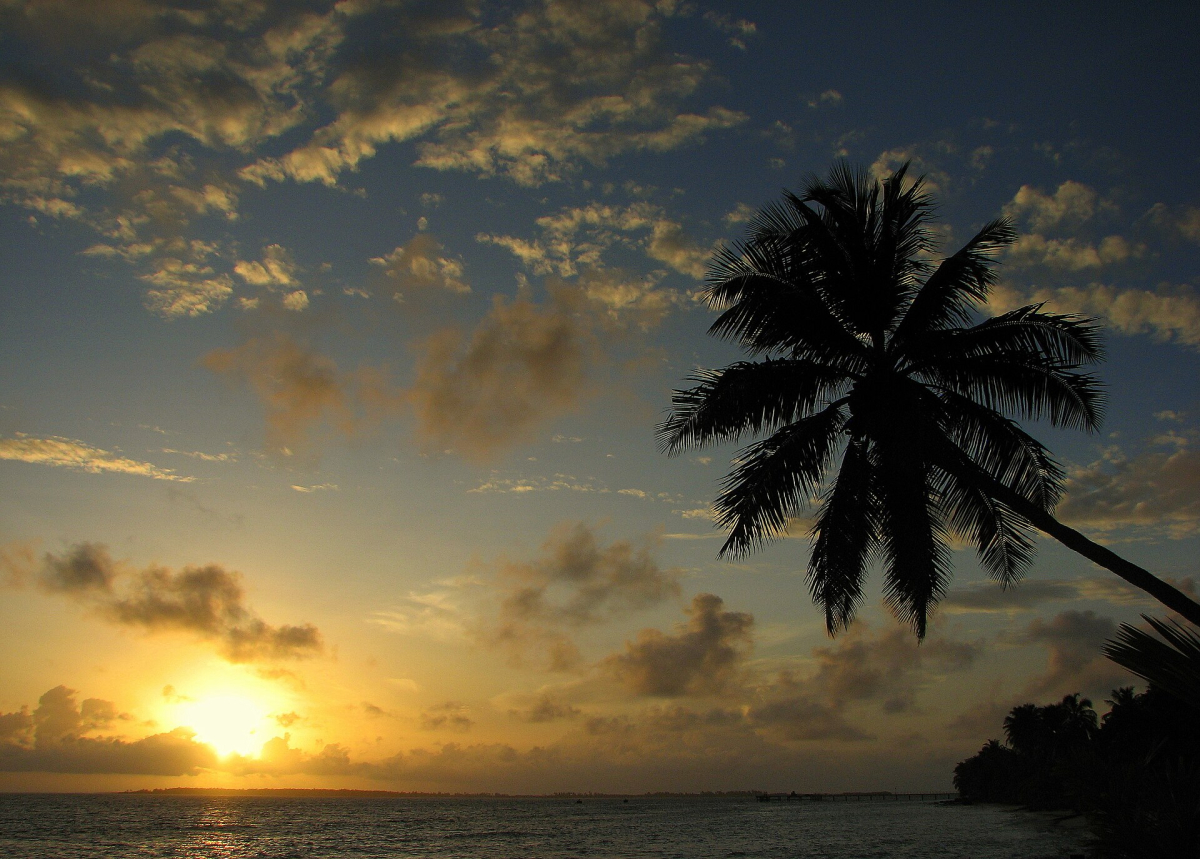
The Maldives offers more than a single view of a water villa. Atoll shapes, working harbours, island architecture, changing coastal light and reef animals all tell different parts of the story. Good planning starts with the places you can actually reach and photograph respectfully. A photograph can inspire a journey, but it cannot guarantee the same weather, water conditions, room category or access on your dates.
This guide combines practical photographic decisions with individual scene guides. The photographs have visible source and licence information; historical frames are identified where relevant. Advice about composition is editorial guidance, not a claim that we have personally visited every viewpoint or tested every camera setting. For a general holiday plan, start with the Maldives Travel Guide.
Choose a photographic subject before choosing an island
A Maldives photography trip can mean reef patterns from an aircraft, working streets in Malé, a sea-level portrait on a local island, or carefully controlled underwater photography. Those subjects require different access. Staying at a resort does not give you permission to photograph every neighbouring resort, and a room photograph does not establish which public viewpoints exist. Start with two subjects you would most like to bring home, then select a base that makes them practical.
| Subject | Useful setting | Planning question |
|---|---|---|
| Atoll shapes | Existing flight with a window view | Can you keep equipment safely accessible during the flight? |
| Street and harbour life | Malé or a populated island | Where is photography welcome without obstructing work? |
| Villa architecture | Your own booked property | Which public areas and decks may guests photograph? |
| Marine life | Appropriate guided reef session | Can you control your position without touching coral? |
Scroll the table sideways to compare all columns.
This is a planning framework rather than a ranking of universally accessible photo spots. Use the Maldives map and atoll guide to understand distances before combining subjects. One strong base with several unhurried sessions is often more productive than repeatedly packing wet equipment for transfers.
Photograph Malé and local islands with context
Malé offers a compact urban subject that contrasts with the familiar empty-beach image: dense buildings, harbour edges, boats and the relationship between land and sea. The Malé photo guide explains the archived aerial image and what it can teach about framing the capital. An aerial photograph is not evidence that a rooftop is accessible to visitors. Choose a public walking route with time to return to your confirmed transfer.
At a fish market, work takes priority over a photograph. Remain clear of slippery working surfaces, blades, unloading areas and customers. Ask before making a close portrait or photographing a stall in detail; buy something only if you want it, rather than treating a purchase as permission to photograph a person. Permission can be withdrawn. On quieter islands, the same respect applies to homes, schoolchildren and religious life.
For heritage details, distinguish the historic Hukuru Miskiy from the modern Islamic Centre and from mosques on other islands. UNESCO identifies the Coral Stone Mosques of Maldives on its Tentative List. That is not a World Heritage inscription. Follow actual signs and staff instructions about entry and cameras; a beautiful exterior does not imply unrestricted interior access.
Work with coastal light and changing conditions
For coastlines, look for a useful relationship between the near shoreline, a curve of vegetation and the outer reef. A simple frame can retain more sense of place than filling it with unrelated equipment or furniture. Early or late light can bring texture to sand and buildings, while brighter overhead light may make lagoon colours more visible. Neither approach is automatically better: choose the light for the subject rather than using sunrise as a rule for every photograph.
Keep the horizon level unless the angle has a clear purpose, and inspect the edge of the frame for distracting poles, cropped palms or a person whose consent you have not obtained. If photographing a couple, give them a comfortable place to stand away from the waterline and leave room for their relationship with the island. Never ask someone to enter water, climb a barrier or stand on coral to improve a composition.
The Maldives Meteorological Service describes distinct monsoons and transition months. Cloud can produce useful soft light, but a weather warning is a reason to change the session. Our season guide separates travel-date planning from a forecast. The Maldives sunset photo guide considers evening silhouettes without promising identical colours on another date.
Read boardwalks and architecture within the lagoon
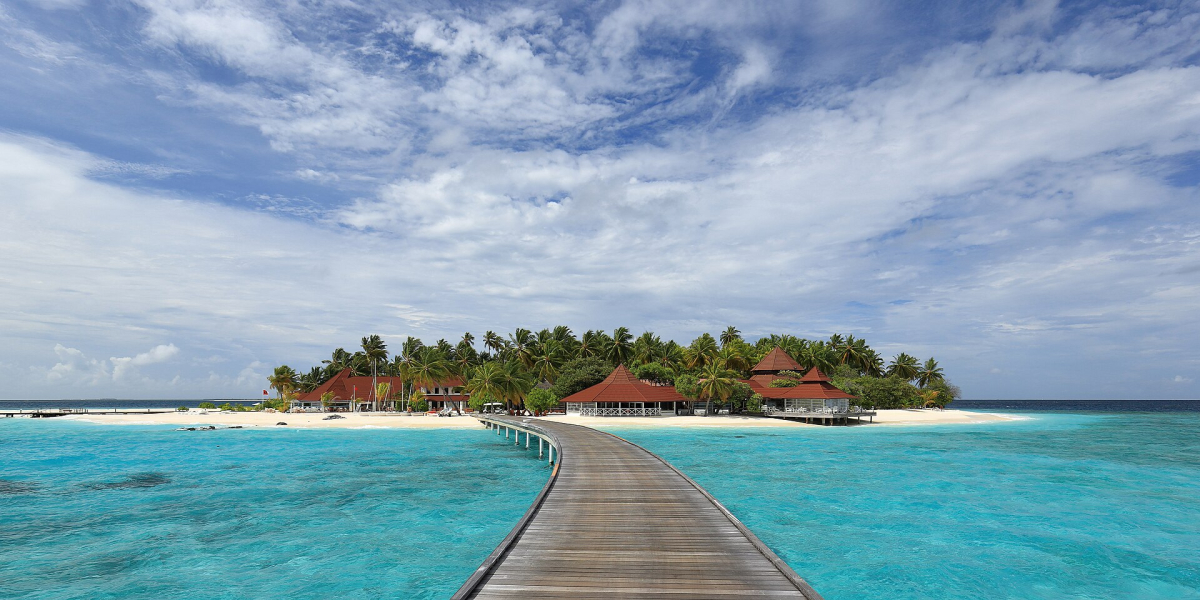
The curved timber boardwalk in this Diamonds Thudufushi photograph leads the eye across the lagoon towards the island. Its changing width gives the frame depth, while the roofs, palms and pale shore provide a clear destination for that line. The main subject is the route between water and island; the resort’s name includes “Water Villas”, but that does not identify every visible building as a villa.
For a similar composition, decide where the walkway should enter the frame and leave enough surrounding water to explain its setting. A small change in camera position can separate a roof from a palm or keep the far end of the boardwalk from merging with the shoreline. Work from a stable, permitted position and keep the route clear for guests and staff.
The source dates this view to 2017. Use it to study leading lines and the relationship between structures and lagoon, rather than as a current room specification. For accommodation choices, compare the actual categories in Hotels & Resorts and confirm present access with the property.
Use a boat to show shoreline scale
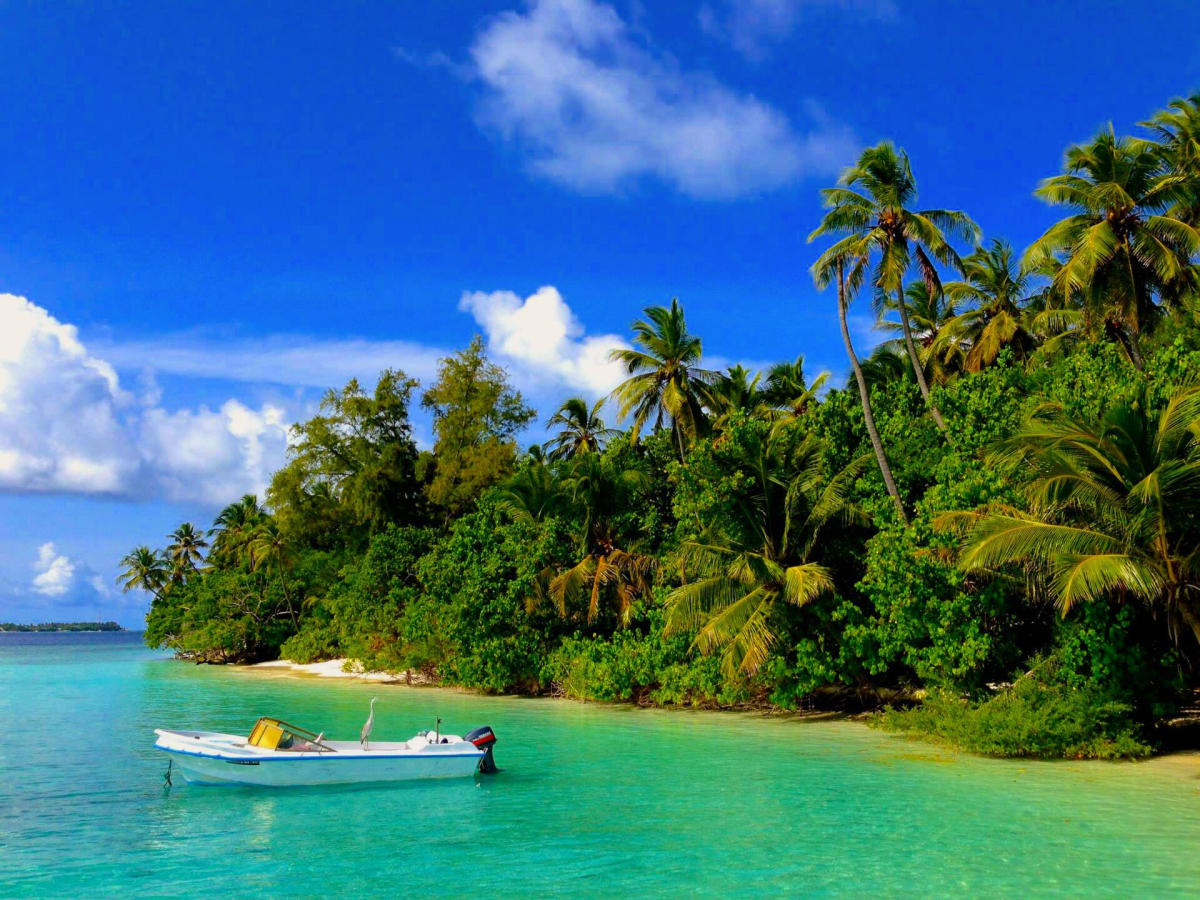
This photograph shows a section of Biyadhoo’s shoreline: dense vegetation, a narrow pale beach and clear water, with a small motorboat in the foreground. The boat provides a recognisable scale reference beside the trees. It is a shore-level composition, not an aerial survey or a view of the whole resort.
When making a similar picture, compare the boat’s position with the curve of the beach. Leave enough open water to separate the hull from the shore, and check whether a palm or branch helps frame the scene or simply hides it. A wider frame explains the relationship between water and vegetation; a closer image can concentrate on the boat and its reflection. Photograph from an authorised stable position without interrupting landing or departure.
The source records this Biyadhoo view in 2014. It does not establish the island’s current room inventory, business operation or facilities, and water colour alone does not establish depth or safe swimming. Describe the visible shoreline precisely instead of presenting a partial view as the complete island.
Put buoyancy and animal space before underwater pictures
Underwater photography changes what you can manage at once. Mask fit, breathing, position, a buddy and the exit plan come before adjusting a camera. If controlling a housing distracts you from those tasks, leave it behind for the first session. A guided house-reef orientation can establish the appropriate entry, boat channels, conditions and the level of ability expected. The diving and snorkelling guide helps you choose an activity rather than assuming every reef suits the same swimmer.
Choose a subject that you can photograph while remaining stable without touching the bottom. Fish portraits often work better with patience and space than with chasing. Do not move wildlife, feed fish, stand on coral, or block a turtle or ray to keep it in the frame. Follow current local ranger and operator rules in managed areas; a popular photograph online does not establish that the same behaviour was appropriate.
The Maldives Manta Conservation Programme explains why feeding and aggregation areas need protection. A wildlife photograph should record the encounter that occurred, with its actual location when known. Do not relabel an image from one atoll as Hanifaru Bay simply because it contains a manta. Avoid presenting an edited colour or a historical photograph as a current survey of reef condition.
Pack for salt, humidity and real permissions
Carry only the equipment you can protect and move comfortably. A dry bag is useful on a boat, but check its closure and keep a separate safe arrangement for essentials. Lens cloths, spare storage and a method of backing up photographs are more useful than adding a heavy lens you rarely use. Pack batteries according to your airline requirements and check the transfer operator’s luggage rules separately from the international allowance.
Keep camera equipment away from sand while changing lenses or opening a housing, and follow the housing maker’s seal and maintenance instructions. Ask the operator where equipment can be stored without obstructing passengers. For low-light images, choose a stable permitted location and accept a simpler composition if a tripod would block a walkway.
Drone permission is a separate decision. Bandos, for example, describes authorisation and supervision restrictions. That is one property’s policy, not permission for another island. Obtain the relevant current aviation and property permissions before bringing a drone into a shooting plan. Never launch around aircraft, a seaplane facility, private rooms or people who have not consented.
Use the individual scene guides for closer interpretation
The linked photo guides consider specific images of COMO Cocoa Island, Conrad Rangali Island, the island historically photographed as Diva Maldives Resort, now LUX South Ari Atoll, Fihalhohi, Taj Exotica and Thulhagiri. Their purpose is to interpret a place and photograph, with source dates and access limits, rather than reproduce a room booking catalogue.
Frequently asked questions
Can I visit a resort just to take photographs?
Only if the property agrees to your visit and confirms the transfer, permitted areas and any charge. A restaurant booking, a photograph online or another guest’s experience does not establish unrestricted access. Commercial work may need separate permission.
Is a seaplane window view guaranteed?
No. Seating, the route, cloud, glare and operational requirements can prevent a useful view. Follow crew instructions and keep equipment secure. Choose your transfer for the journey you need, rather than purchasing it as a promised aerial photography session.
Can I use a drone on any Maldives island?
Do not assume so. Aviation rules, seaplane activity, property restrictions, protected areas and privacy all matter. Obtain the applicable current permissions and written property agreement before planning a flight. Permission at one resort does not apply to another.
Do the historic resort photographs show current rooms?
Not necessarily. A dated photograph records the photographed scene at that time. Refurbishments, branding, beach shape and room categories can change. Check the current property description and your exact booking category before relying on an image for a purchasing decision.



