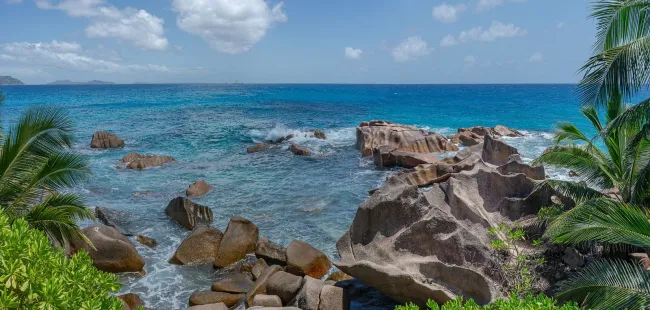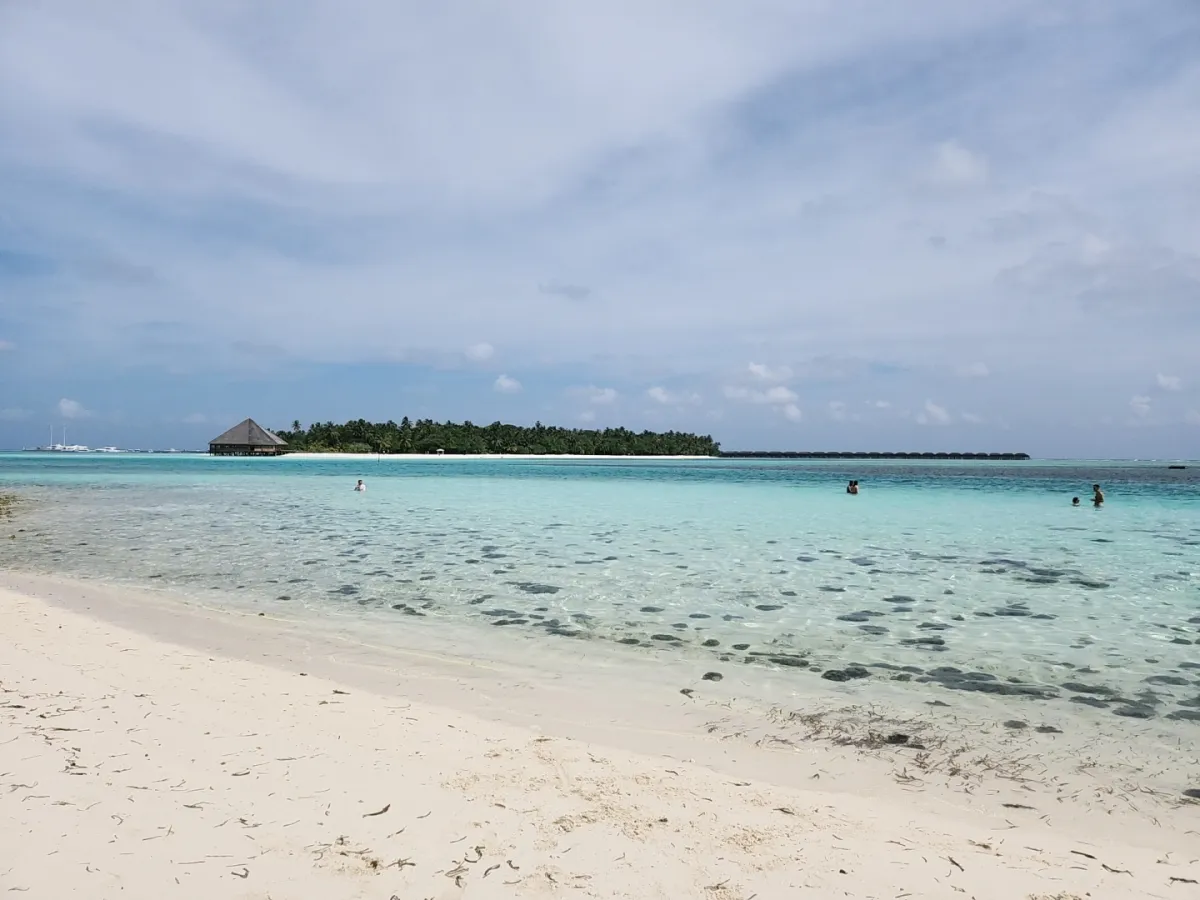
The familiar Maldives beach photograph shows only part of the decision. A wide lagoon may suit a relaxed view but offer little reef interest; a shore with nearby coral may need a carefully chosen entry; a beautiful local beach may permit swimwear only within a designated area. Choose your beach by what you want to do there and the current conditions, not simply the colour of the water. This guide explains the main beach settings, practical questions and everyday habits that improve a beach-led holiday. For choosing an island base, see where to stay. For time on a reef or beneath the surface, use diving and snorkelling.
Understand the three main beach settings
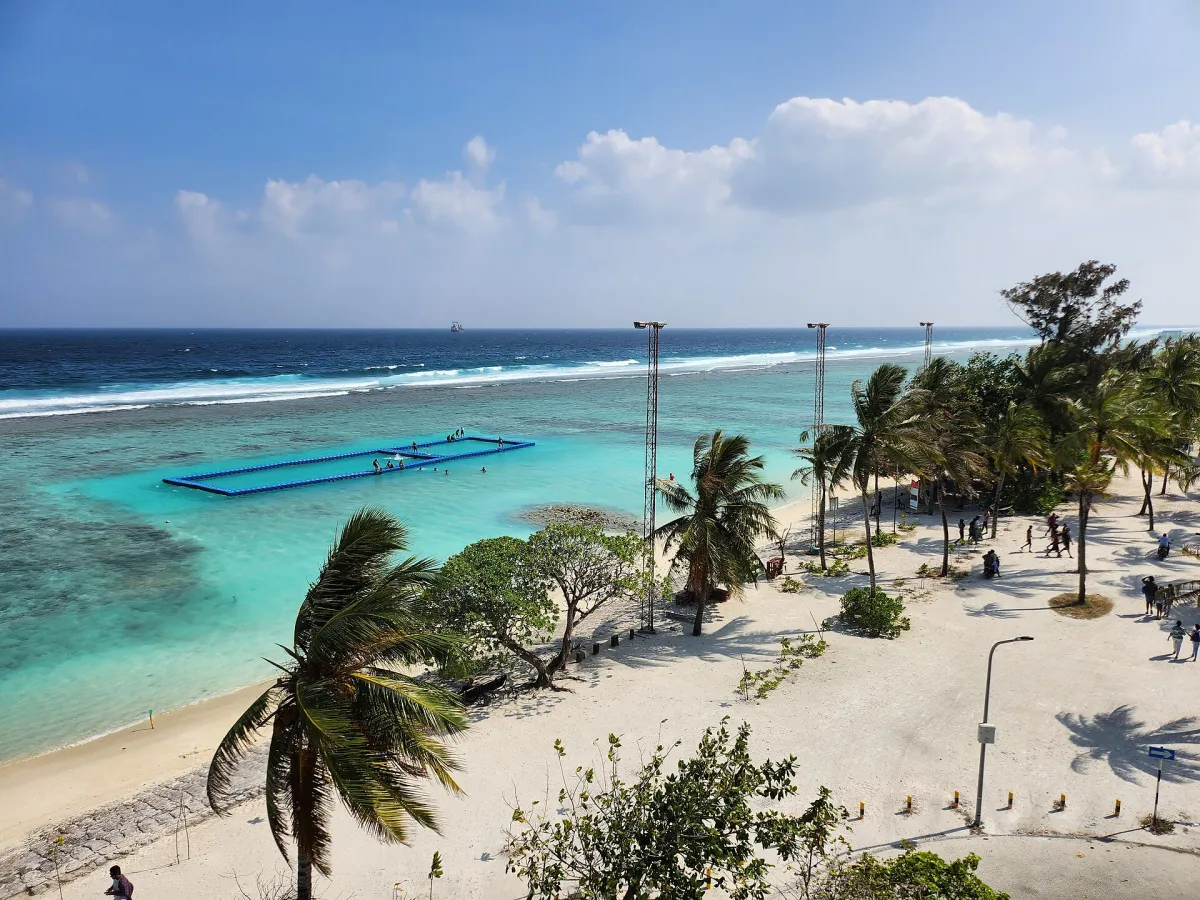
A private-resort beach is part of a managed accommodation environment. Confirm which stretches belong to your room category, whether facilities are shared and where swimming is recommended. “Private” can refer to the island’s access arrangements rather than an exclusive patch of sand reserved for your villa. Other guests and staff may still pass nearby.
On an inhabited island, a designated bikini beach allows visitor swimwear within a defined area. Ask your host to show the boundary, route, changing options and current water entry. A sign describes permitted use, not a promise of lifeguards or calm conditions. Cover up before walking through the village or going to cafés.
A public urban beach, including a Malé-area shoreline, is a community space with its own rules and activities. Do not assume it follows resort dress practices because guesthouses stand nearby. Ask about local expectations and look for boat lanes, construction or organised watersports. An airport stopover beach can be enjoyable without being the right base for a week of swimming.
Ukulhas: a beach stay beside a working village
Ukulhas is a useful example of how a local-island beach holiday combines sand and community life. Its island council’s attractions information identifies its elongated beach as a visitor attraction. That description gives context, while the condition and permitted-use boundaries still need to be checked for your stay.
The local accommodation operator Nala’s beach and reef guide explains the distinction between a nearby reef and deciding whether conditions make the swim appropriate. Use that same caution with any property advertising shore snorkelling: proximity is one factor, not a safety assessment or a guarantee of suitable entry.
When comparing guesthouses, ask about the actual walk to the beach, shade and the possibility of returning to the room during the hottest part of the day. If there is no pool, decide whether you are happy with the sea as the main swimming option when conditions change. Verify the property’s current facilities rather than assuming all beach accommodation offers the same backup.
Resort lagoons: compare entries as well as views
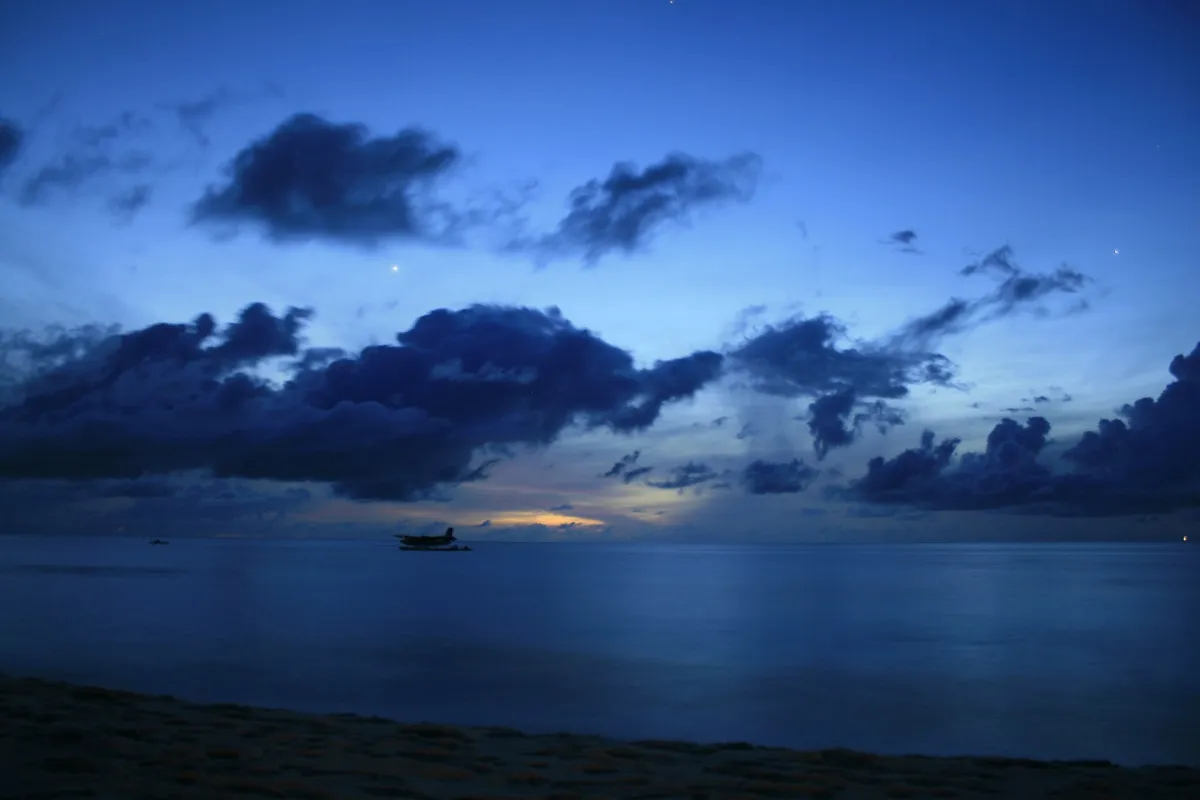
A lagoon-facing room can provide a striking outlook, but ask what lies beyond the steps or beach. Water depth, tide, seabed, currents and boat movement vary around an island. Some entries are unsuitable or restricted even when nearby areas are used for swimming. Request the current island activity map and a briefing on arrival.
For families, a shaded place near the room and a manageable route to meals may be more useful than the broadest aerial view. For confident swimmers interested in marine life, check the real house-reef route and whether orientation or a guide is required. For a non-swimmer, compare the beach facilities and boat-based viewing options without assuming a flotation aid makes open water appropriate.
Room categories can sit on different sides of the same island. Ask which side your booking covers, what the beach looks like now and whether recent erosion or works affect access. A resort’s marketing photograph may show another category or season. The hotels and resorts guide helps turn those questions into a property comparison.
Sandbanks and long shores change with the sea
A beach is a changing coastline, not a fixed studio backdrop. Tides, wind, seasonal weather and works can alter the usable sand, water edge and approach. A long walk toward an island tip may become less practical as conditions change. Ask where you may go, whether a route stays dry and how you will return before setting off.
Sandbank excursions are a separate booking decision. Check shade, water, landing and the operator’s alternative if the chosen bank is unsuitable. Do not assume a photograph of an isolated strip of sand proves it is accessible daily or that the surrounding pale water is uniformly shallow. Children and less mobile travellers may need a different landing arrangement.
Keep footwear and a cover-up available for the walk back, carry enough drinking water and protect devices from spray and loose sand. Leave shells and coral pieces in place. The value of a beach visit should not depend on collecting natural material or entering water your guide has advised against. See day trips for the return-plan questions.
Build a beach routine around current advice
Ask the accommodation or watersports team where swimming is suitable that day, how conditions are changing and whether there are marked restrictions. The absence of big waves does not prove there is no current. Avoid entries near working harbours and boat channels unless an accountable local operator specifically directs a supervised activity there.
Keep children within active supervision suited to their ability, and choose an outing that does not pressure anyone to swim. A beach umbrella or tree does not provide consistent shade throughout the day, so plan breaks indoors or in a genuinely shaded setting. Bring water and use clothing as part of sun protection. Discuss individual medical concerns with an appropriate professional before travel.
If a member of the group is uncomfortable, change the plan early. A café stop, a short shore walk or a guided marine talk can be a worthwhile alternative. For emergency preparation and wider water-related concerns, read health and safety before arriving, and confirm your accommodation’s own contact procedure.
Match the beach to your priorities
The table is a decision aid, not a ranking or a guarantee of conditions. Ask for current photographs and specific answers from the property. A beach that suits one traveller may be wrong for someone with a different swimming ability, need for shade or preference for quiet.
| Priority | Look for | Do not infer |
|---|---|---|
| Everyday swimming | A locally recommended entry and current briefing | Pale water is always shallow or calm |
| Shade and comfort | Reliable shaded rest and an easy room route | A palm in a photograph shades every sunbed |
| Reef interest | An appropriate reef entry or guided boat option | A large sandy lagoon has abundant coral |
| Local-island stay | Confirmed bikini-beach boundaries and village route | Every shoreline permits visitor swimwear |
| Privacy | Actual room position and shared paths | A private island means a private beach section |
Scroll the table sideways to compare all columns.
Enjoy the shore without damaging its habitats
Avoid walking on coral, disturbing birds or moving natural material for photographs. Seagrass and less polished-looking habitats have ecological value; a beach does not need to be stripped of every natural feature to be enjoyable. Ask how the property manages beach cleaning and what guests should do with litter found near the water.
Use reusable containers where practical and return all packaging from a picnic or boat trip. Do not feed fish or other wildlife to create a closer encounter. Keep music and photography considerate of other visitors and residents, and ask before making portraits on public or community beaches.
Plan the beach holiday as a combination of place, accommodation and season. Compare the best time to visit, local islands and the responsible travel guide alongside the scenery. The right choice is a shore you can use and enjoy comfortably while respecting the community and environment around it.
Frequently asked questions
Which Maldives beach is best?
The useful answer depends on whether you want swimming, shade, reef access, a quiet resort or a local-island setting. Compare the exact entry and facilities rather than relying on a universal ranking.
Does a bikini beach have lifeguards?
Do not assume so. The designation concerns permitted swimwear. Ask your host about supervision, current conditions and the suitable swimming area, and choose activities that match the group’s ability.
Can I swim directly from every water villa?
No universal rule applies. The room’s steps may lead to unsuitable depth, current or an area affected by boats. Confirm the exact category and follow the property’s current swimming restrictions.
Will the beach look exactly like its photographs?
Not necessarily. Tide, weather, season and coastal change affect the shore. Request recent images and ask about works or erosion before booking, then reassess conditions on arrival.