
ASIA · MALDIVES GUIDE
Maldives Parks and Outdoor Activities: Nature Beyond the Beach
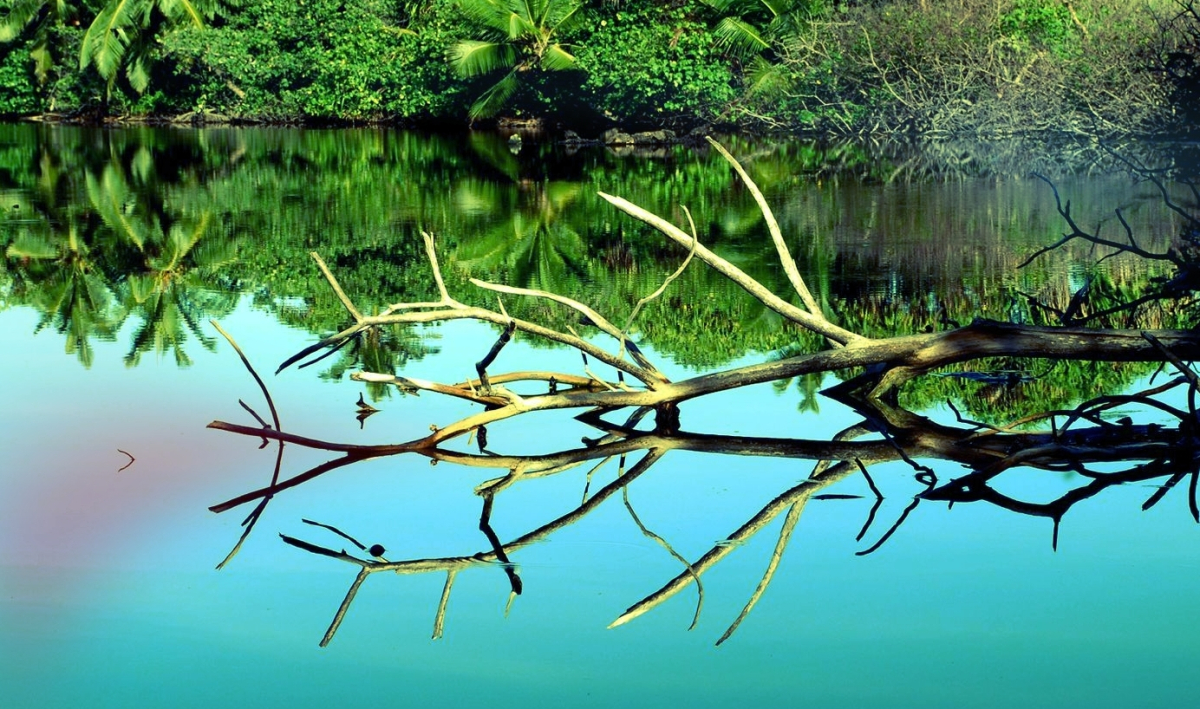
Outdoor travel in the Maldives is about more than finding another stretch of sand. Wetlands, mangroves, reef habitats and surf-facing coasts give the islands different characters, and each environment asks for a different approach. A nature walk needs shade, route information and patience; a kayak outing needs a wind and return plan; a reef break needs appropriate experience and local guidance. This guide helps you choose an outdoor day around the habitat and conditions. For a compact introduction to named sights, see Maldives attractions. For underwater activity decisions, use diving and snorkelling, and consult the map before planning a regional journey.
Explore Addu’s wetland environment with a purpose
Addu Nature Park is a useful starting point for travellers interested in mangroves, birds and a landscape that differs from the resort-beach image. The tourism board’s park profile describes wetlands around Eydhigali Kilhi and the protected Koattey area on Hithadhoo. Treat them as connected but distinct habitats rather than one uniform walking trail.
Ask the park or a knowledgeable host which routes and viewing areas are open, what guidance is available and whether walking, cycling or another option suits the current conditions. Plan to observe quietly instead of covering the greatest distance. Birdwatching rewards time at a suitable viewpoint and attention to movement; a long list of possible species is not a promise of sightings.
Build the visit into a stay in Addu with time for weather and transport. Carry water and practical sun and insect protection, keep to permitted routes and avoid approaching nests or roosts. If accessibility matters, request details about surfaces, steps and actual distances rather than relying on the word “park”.
Choose kayaking for the setting and the return
A kayak can give a quiet perspective on a lagoon or permitted mangrove area, but it is still a water activity affected by wind, tide and boat movement. Ask the operator where you may paddle, which direction conditions favour and how you return. A pleasant outward drift can become a difficult return if the route is chosen without local advice.
Check equipment, flotation, group supervision and the method for calling for help. A guided session is a sensible starting point for anyone unfamiliar with the environment. Explain experience and any difficulty entering or leaving the craft. Keep the route within the limits set by the operator and do not assume sheltered-looking water is unrestricted.
Mangroves and seagrass are habitats rather than obstacles. Do not land where it would disturb roots, birds or nursery areas, and avoid dragging equipment across sensitive ground. The government Addu protected-area inventory distinguishes designated activities and zones. Confirm current access and fees directly rather than treating any mapped bay as an open rental area.
Understand reserves before choosing an excursion
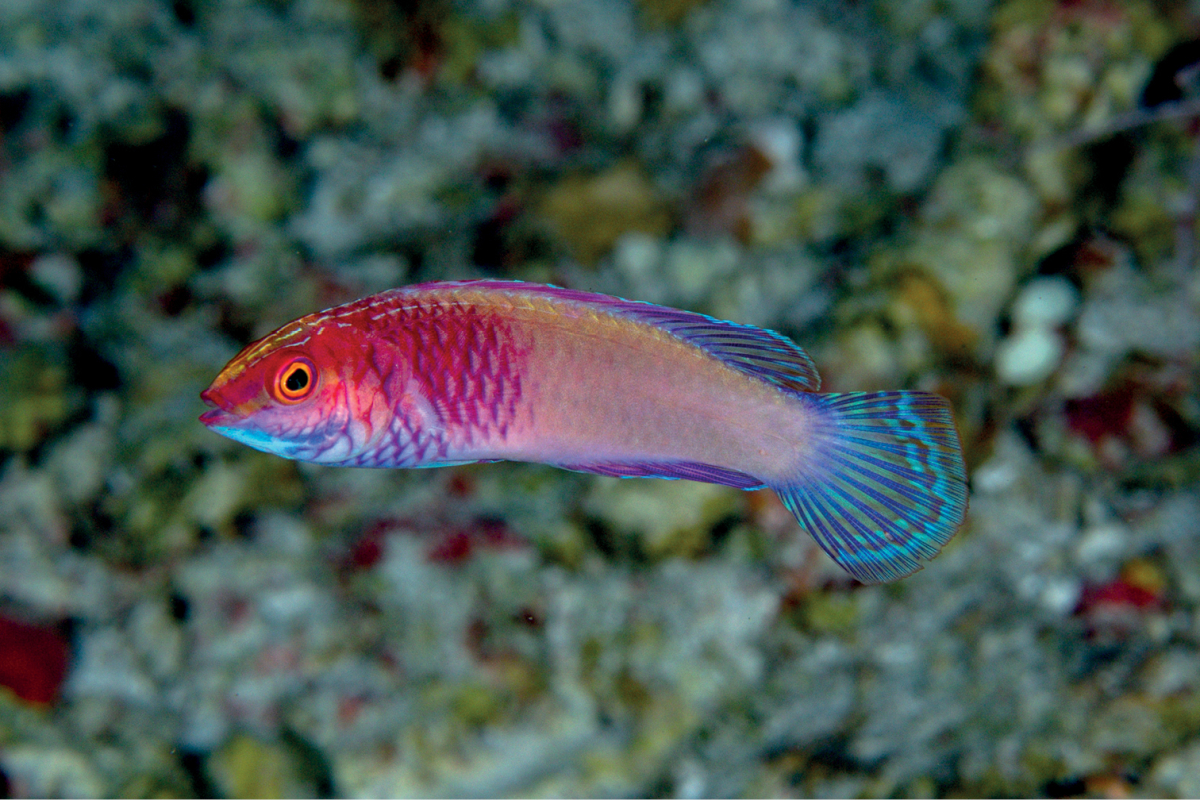
A protected-area designation describes conservation management, not a guarantee of an unrestricted visitor experience. Different zones may permit different activities, and entry can depend on an operator, ranger advice, booking or conditions. Ask which part of a reserve the excursion actually visits and why that route is suitable.
Baa’s UNESCO biosphere-reserve designation includes marine habitats and a wider inhabited landscape. It should not be confused with a single fenced attraction or World Heritage inscription. The presence of a reserve can be a reason to learn about the region, but it does not certify every individual tourism product.
Choose an operator that explains the purpose of restrictions and changes the plan when necessary. Avoid excursions that promise contact with wildlife, collect natural material or anchor without regard for habitat. A useful outdoor visit leaves you understanding the ecosystem better, even if the most sought-after animal is absent. For a specific managed marine outing, consult the marine activity guide.
Plan surfing around skill, access and swell
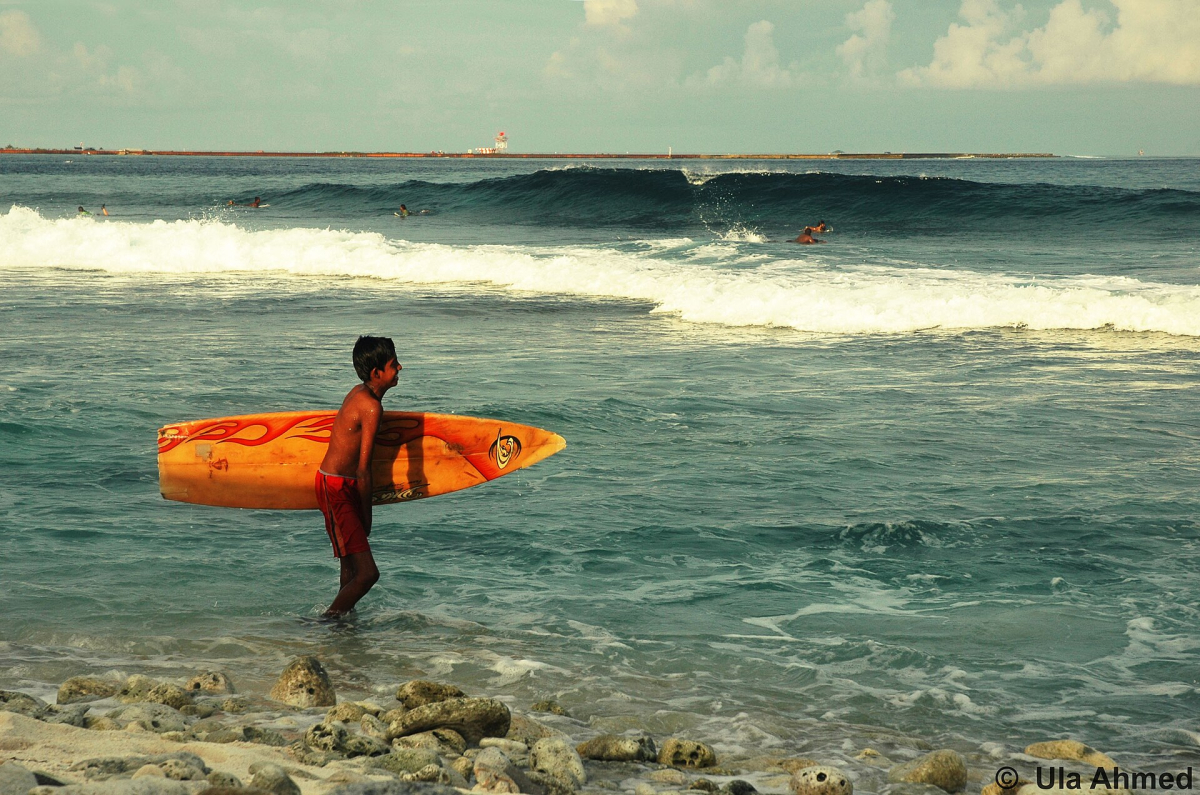
The Maldives’ well-known surf settings are reef environments, so the choice of break should reflect experience and the day’s conditions. The official tourism-board surf guide identifies North Malé and southern Huvadhoo surf areas and a broad seasonal window. A national season description does not determine the correct spot for your ability on a particular morning.
Contact a qualified local surf operator before booking the stay. Ask about guiding, boat access, any property or capacity restrictions, suitable conditions and how beginners are taught. A resort near a famous wave does not automatically include access to it. Do not equate a wave called popular with a safe beginner lesson.
Discuss board transport and storage, rental availability and the effects of an unsuitable-weather day on the programme. Build flexibility into a surf-led trip rather than expecting a fixed daily schedule. If the group includes non-surfers, choose a base with interests they value too. The base-selection guide helps balance the specialist activity with the wider holiday.
Walk and cycle with the island’s daily life in mind
A modest walk can reveal gardens, shade, working shorelines and differences within an inhabited island. Ask your host for an appropriate route that avoids private land and any restricted or work areas. Do not turn a scenic map line into a promised public path; shore access and surfaces can change.
For cycling, check the bicycle, brakes, route and local traffic expectations before setting off. Carry water and give yourself a clear turn-back point instead of continuing because another beach appears close. A small island can still feel demanding in heat, on sand or against wind. Families should assess the route for the least confident rider.
Keep cultural considerations part of the outing: cover up in the village, respect prayer and residential privacy, and ask before portraits. Support an appropriate café or maker when it fits the route. If your main interest is heritage interpretation rather than outdoor observation, the history and culture guide offers a more focused visit.
Choose an outdoor day by conditions
This table is a planning comparison rather than an access permit or a weather forecast. Confirm current routes and rules with the relevant park or operator, and keep an alternative that does not depend on the same conditions.
| Outdoor day | Good reason to choose it | Key local check |
|---|---|---|
| Wetland observation | Birds and a different island habitat | Open routes, viewing areas and guiding |
| Guided kayaking | A quiet water-level view of lagoon or mangroves | Wind, permitted route and return arrangement |
| Marine reserve visit | Learning about a protected environment | Zone rules, admission and suitable activity |
| Surf session | A specialist reef-wave interest | Ability, swell, access and qualified guidance |
| Island walk or cycle | A flexible look at community and landscape | Public route, surfaces, traffic and heat |
Scroll the table sideways to compare all columns.
Make the outdoor plan light on the place
Carry out all litter and keep reusable water containers where they can be filled safely through your accommodation. Avoid taking shells, coral or plants, and do not move animals for photographs. Stay back from birds and keep noise low in observation areas. A wildlife image is not worth changing the animal’s behaviour.
Ask operators about practices you can recognise: a clear briefing, realistic group size, habitat-aware routes and a willingness to cancel. Broad claims such as “eco tour” need to be translated into what actually happens. A brief explanation of why a seagrass meadow is left intact can be more useful than an impressive sustainability slogan.
Plan for the conditions rather than against them. If the park route is closed or the wind makes a paddle unsuitable, switch to a land-based learning session or another appropriate activity. The responsible travel guide covers broader choices, while seasonal planning helps place outdoor priorities within the holiday.
Frequently asked questions
Does the Maldives have nature experiences on land?
Yes. Addu’s wetlands and mangroves provide a different setting from a resort beach, while appropriate island walks can reveal gardens and working shorelines. Confirm access, routes and guiding before travelling.
Can I kayak anywhere around an island?
No universal permission or suitability applies. Wind, tide, boats and protected zones matter. Use the permitted route described by your operator and have a clear return and contact plan.
Is the Maldives suitable for beginner surfers?
Only with an appropriate programme, suitable conditions and qualified local guidance. Famous reef breaks should not be assumed to be beginner spots. Ask about the actual lesson site and access arrangements before booking.
Does a biosphere reserve mean all tourism there is sustainable?
No. The designation concerns a wider managed landscape and its goals. Assess the actual operator’s behaviour, route, wildlife practices and local benefits instead of treating a regional label as a guarantee.



