
ASIA · MALDIVES GUIDE
Maldives History and Culture: Beyond the Resort Beach
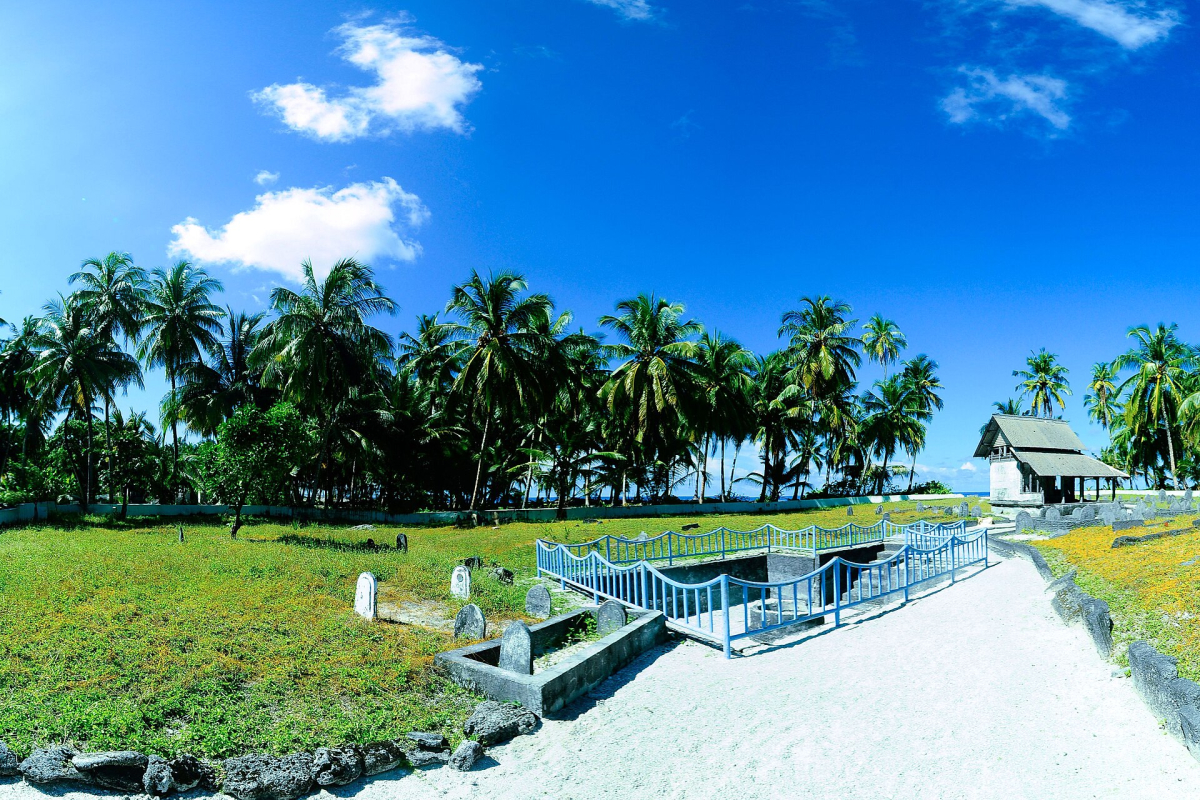
Maldivian culture is shaped by the sea, island communities and connections across the Indian Ocean. You can see those relationships in boats and harbours, hear them in performance traditions and recognise them in food and craftsmanship. A resort stay offers only one view of the country; even a short, respectful encounter with Malé or an inhabited island can add useful context. This guide explains the themes worth looking for without claiming that every island follows an identical routine. It also helps you approach heritage places as living spaces. For the location and trip fit of individual sights, use Maldives attractions; for foods and ordering, see Maldivian food and drink.
An island history connected by the ocean
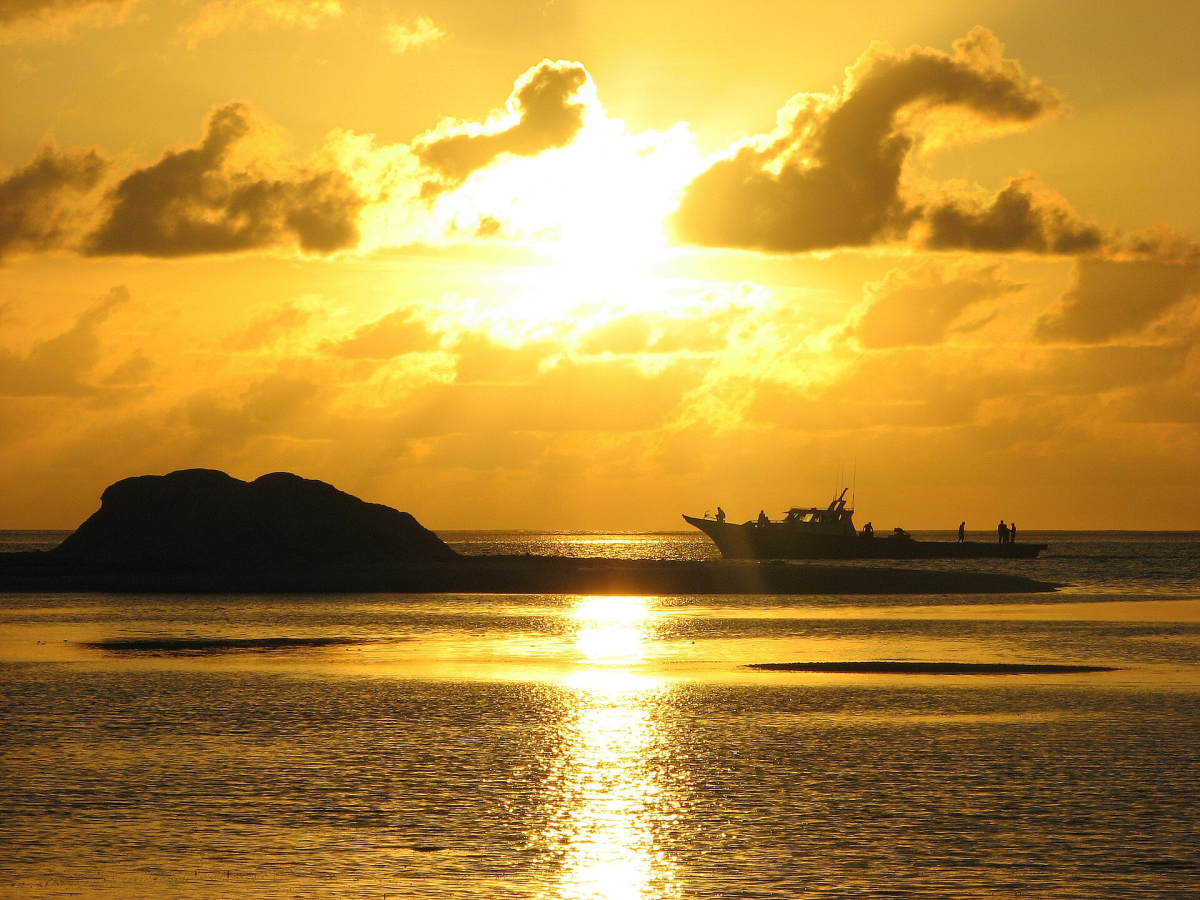
The ocean separates Maldivian islands, but it has also connected them to trading and cultural networks. Thinking of the country only as isolated beaches misses the movement of people, skills, goods and ideas that shaped it. Harbour activity and the work of transporting supplies remain practical expressions of that geography. A cultural visit becomes more interesting when you ask how a particular island connects with others.
UNESCO’s coral-stone mosque submission places Maldivian architecture within wider Indian Ocean exchanges. Use that perspective to look for specific details, such as carved stone, timber construction and the relationship between buildings and community life. Avoid reducing the culture to a single foreign origin or a short list of influences.
For travellers, geography also limits how much heritage can be explored in one holiday. A far-northern site and a southern community may require separate journeys. Choose one place you can understand properly, ideally with a knowledgeable local guide, instead of trying to assemble a nationwide timeline through hurried transfers.
Islam and everyday community life
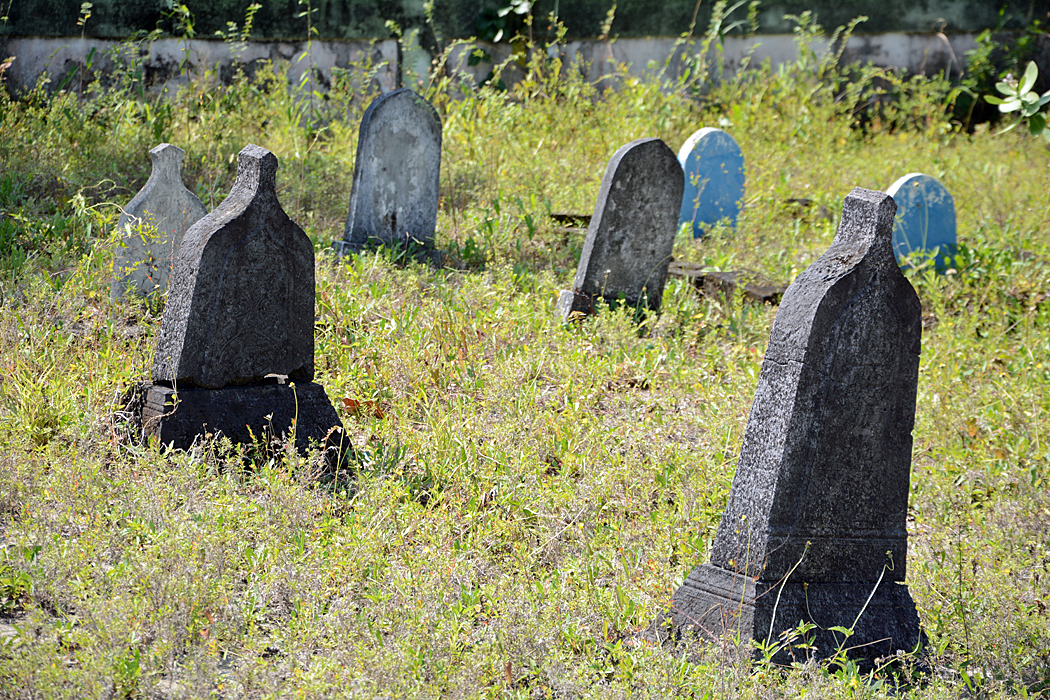
Islam is central to the Maldives’ public culture and the rhythm of inhabited islands. Visitors should approach mosques, prayer periods and religious celebrations with attention and courtesy. A building can be historically interesting and still serve a community whose needs take priority over sightseeing. Ask where you may stand, whether entry is possible and which clothing is appropriate.
Keep swimwear for the areas where it is permitted and cover up when walking through residential streets or visiting cultural places. A host can explain local expectations without turning every interaction into a formal lesson. Listen to that advice, especially when a village event, a funeral or prayer gathering changes the ordinary visitor routine.
During Ramadan and religious holidays, ask about practical arrangements for meals, shops and activities rather than assuming everything closes or everything runs normally. Resort and local-island settings can operate differently. The festivals and events guide explains how to use a calendar while leaving room for local confirmation.
Coral-stone mosques and the detail of craftsmanship
Historic coral-stone mosques show how builders worked with materials available in an island environment. Look for the relationship between carefully shaped blocks, carved decoration and timber elements rather than concentrating only on a façade photograph. The significance lies partly in the techniques and the skills needed to make a coherent structure from those materials.
The Coral Stone Mosques of Maldives are on UNESCO’s Tentative List; they should not be described as inscribed World Heritage properties. Baa’s biosphere-reserve designation is another, different UNESCO framework. Accurate wording helps explain why a place matters without overstating its formal status.
Historic coral use is not permission to collect it today. Leave natural material where it belongs, respect conservation barriers and avoid touching carved surfaces. If an interior is unavailable, an exterior visit with informed interpretation can still be rewarding. A local guide can help distinguish Hukuru Miskiy in Malé from similarly named modern mosques elsewhere.
National Museum: make room for context in Malé
The National Museum belongs in a cultural visit to Malé because objects and displays can provide context that a short street walk cannot. Approach it with a question: how did people live, govern, travel or make things in different periods? This produces a more useful visit than trying to photograph every case. Allow time to read the interpretation and relate it to the places you see outside.
Confirm current opening, admission, photography and accessible entrance arrangements with your accommodation or the museum before going. Published hours have changed over time, and a general government working-day pattern is not proof that a particular gallery will be open. This guide does not present an unverified timetable or promise that every historic object is on display.
Combine the museum with a small central-city route, a shaded break and perhaps an exterior heritage stop. Avoid treating it as an automatic last-minute airport excursion without checking the return margin. Families can choose one or two themes and keep the visit focused. Our day-trip guide explains the connection and luggage questions.
Boats, crafts and work as cultural encounters
A harbour or craft visit is most useful when someone can explain the work and when visitors do not obstruct it. Ask a host whether there is an appropriate opportunity to see boatbuilding, weaving, lacquer work or another local practice. The existence of a traditional craft in the country does not mean a workshop on every island is open to visitors or producing items that day.
When buying something, ask who made it and where. A locally sold souvenir can be imported, while a modest everyday item may have a clear island connection. Choose work you value, agree the price openly and avoid pressure for a demonstration that interrupts someone’s livelihood. Do not buy coral or wildlife products as a substitute for genuine craft.
Photography should follow the same respect. Ask before making a close portrait or recording a process, and accept a refusal. A small purchase does not buy unrestricted image rights. If an encounter is arranged as part of a tour, ask how the maker or community benefits and whether any payment is separate from the operator’s fee.
Music, meals and living traditions
Cultural performances, communal meals and festivals reveal another side of island life, but context matters. A scheduled resort performance may be designed for visitors, while a community celebration has its own purpose and participants. Both can be enjoyable when presented honestly. Ask what you are watching, who is performing and whether photographs or audience participation are welcome.
The tourism board’s account of Bodu Eid describes drums, performance traditions and a woven fish figure in some island celebrations. Customs vary, so do not promise that every local island stages the same procession or that a holiday guarantees a public event.
Food provides a gentler introduction available outside festival dates. Ask your host about a local breakfast or tea snacks, explain dietary needs and let the cook identify the dishes. A conversation about ingredients and family variations is more informative than declaring one meal the only authentic version. For venue choice and reservations, use where to eat.
Choose the cultural visit that suits your time
The following is an editorial planning comparison rather than a schedule or admission list. Confirm the actual opportunity before travelling. Keep one main interest per short outing and leave room for conversation, heat and changing access.
| Visit style | Useful focus | Ask before arrival |
|---|---|---|
| Malé heritage walk | Architecture and a living city | Visitor access, clothing and photography |
| National Museum | Historical objects and interpretation | Current opening and gallery access |
| Harbour or craft encounter | Skills, work and island connections | Whether visitors can observe without disruption |
| Community celebration | Tradition in its social setting | Public access, programme and appropriate behaviour |
| Hosted meal or tea | Ingredients and everyday hospitality | Dietary needs and what is included |
Scroll the table sideways to compare all columns.
Ask better questions and keep the visit human
Useful questions are specific and open: how is this object used, what has changed on this island, or which food is prepared for a family celebration? Avoid expecting one person to explain every aspect of Maldivian identity. English fluency, working hours and willingness to talk vary, and a brief courteous exchange may be all that fits.
Do not turn cultural differences into spectacle. Respect people’s choice of clothing, religious practice and privacy, and avoid photographing children without permission from an appropriate adult. When a guide interprets a historical story, distinguish local memory, documented facts and contemporary opinion instead of presenting every account as an uncontested national narrative.
A meaningful cultural visit can be simple: a museum theme followed by a walk, a craft purchase with a clear maker, or a shared explanation of a dish. Bring that attention back to the rest of the holiday. The responsible travel guide extends these choices to wildlife, waste and local livelihoods.
Frequently asked questions
Is the National Museum a separate Maldives destination?
It is a cultural stop in Malé and fits naturally within a city heritage visit. Confirm current opening and access before travelling, especially if you have only an airport connection.
Can tourists enter every mosque?
No. Access depends on the site, current arrangements and religious use. Ask permission and follow clothing, visitor-area and photography guidance. An exterior visit may be the appropriate option.
Does every island have cultural performances?
No fixed programme should be assumed. Resort shows, public celebrations and community events have different purposes and schedules. Ask what is actually planned during your stay and whether visitors are welcome.
What is a respectful cultural souvenir?
Choose an item whose maker and material you can identify, pay an agreed price and avoid protected natural or wildlife products. Locally sold does not automatically mean locally made.



