
AUSTRALIA TRAVEL GUIDE
Australia Health & Safety: Water, Roads, Weather & Medical Planning


Australia safety planning should focus on the activities and places in your itinerary. Surf, heat, changing weather, road fatigue and distance from services are more useful subjects than an unsupported claim that the whole country is uniformly safe. Prepare for the actual journey, follow current local guidance and change the plan when conditions require it.
If there is an immediate emergency requiring police, fire or ambulance, call 000. For a directory of services and the details to have ready, use Useful Contacts. This page focuses on prevention and preparation; it does not diagnose illness or replace medical advice for an individual traveller.
Arrange healthcare and insurance before departure
Review medical needs with a qualified professional before travelling, particularly for a remote itinerary, a significant existing condition or an activity such as diving. Carry the medication and supporting information you need, and check the current Australian import requirements for the actual medicine and quantity. Do not assume a familiar brand or prescription can be replaced easily after arrival.
Compare insurance against the activities you will actually undertake. Check medical treatment, evacuation, pre-existing conditions, driving, water activities and cancellation as relevant. Read exclusions and the process for contacting assistance rather than assuming a broad “adventure” label covers every activity. Keep the policy number and emergency-assistance details accessible offline.
Some visitors may qualify for limited assistance under reciprocal healthcare arrangements, depending on the agreement and eligibility. That is not the same as universal free healthcare or complete travel-insurance cover. Consult Services Australia for the applicable arrangement and ask about the services, documents and costs relevant to your circumstances.
Sun, UV and heat
Sun protection matters even when the temperature feels comfortable. Cancer Council’s guidance combines protective clothing, shade, a broad-brimmed hat, sunglasses and suitable sunscreen rather than treating sunscreen as permission for unlimited exposure. Check the UV information and plan the day accordingly. A cool breeze at the beach can make exposure less noticeable without removing the risk.
Heat changes the effort required for walking, driving stops and outdoor events. Carry appropriate water, plan access to shade and avoid making the most exposed activity the least flexible part of the day. Follow current park restrictions and local advice. An early start can be useful, but it does not establish that every route is appropriate in extreme conditions.
Look after the needs of the whole group, including children and people whose health or medication affects heat tolerance. Seek professional advice when needed rather than relying on a generic travel checklist. Use the five SunSmart steps and current local warnings as practical resources for preparation.
Surf, swimming and marine activities
Choose patrolled beaches and swim between the red and yellow flags when they are in place. Follow lifeguards’ instructions and closures. Clear water, a popular beach name or the presence of surfers is not evidence that swimming is suitable. Rip currents can be difficult to recognise, so do not use appearance alone to make the decision.
For a reef or snorkelling excursion, tell the operator about the information relevant to participation and ask what supervision and equipment are provided. A ticket does not guarantee that every activity is appropriate for every traveller. Diving has additional medical and operational requirements that should be checked directly with the provider and an appropriate professional.
Tropical marine and wildlife advice is location-specific. Follow current signs and operator instructions rather than extending a rule from one region to another. If someone is in difficulty, seek trained help and contact emergency services as appropriate; an unprepared rescue attempt can create another casualty. The Beaches guide separates destination choice from the safety decision.
Walking, remote areas and wildlife
Choose a walk by terrain, exposure, forecast and the group’s ability, not distance alone. Carry suitable supplies and a route-appropriate navigation and communication plan. Tell an appropriate person your intended route and return when the activity warrants it. A downloaded map does not create mobile coverage or guarantee that emergency help can arrive quickly.
Follow track and road closures, remain in authorised areas and turn back when conditions or the party’s ability require it. Do not use a previous photograph as a reason to cross a barrier or enter a closed area. Walking & National Parks provides the park-selection framework; the responsible authority supplies current route and access information.
Observe wildlife from a respectful distance and do not feed or handle it. Ask the relevant local authority or operator about the actual risks in the area, including around water in crocodile country. A waterhole’s attractive appearance is not permission to swim. Keep children under appropriate supervision and avoid approaching an animal for a photograph.
Road safety, fatigue and changing access
Australia drives on the left. Allow time to adjust, especially after an international flight, and avoid planning an exhausting first driving day. Build regular breaks and realistic stopping points into regional routes. A navigation app’s arrival estimate does not account for the full effect of fatigue, wildlife, weather or the time you want at viewpoints.
Check the road authority’s current information and the rental agreement before a remote or unsealed-road journey. A suitable-looking vehicle does not establish permission to use every road. Plan fuel, water, communications and assistance for the actual route. Do not drive through floodwater or bypass a closure because the original itinerary depends on it.
Keep a lawful stopping plan for photography and wildlife sightings. Pulling over suddenly or standing in a roadway can create a serious risk to others. If the driver is tired or conditions deteriorate, shorten the day or stop. Getting Around explains how transport choice and itinerary pacing can reduce unnecessary pressure.
Bushfires, storms and official warnings
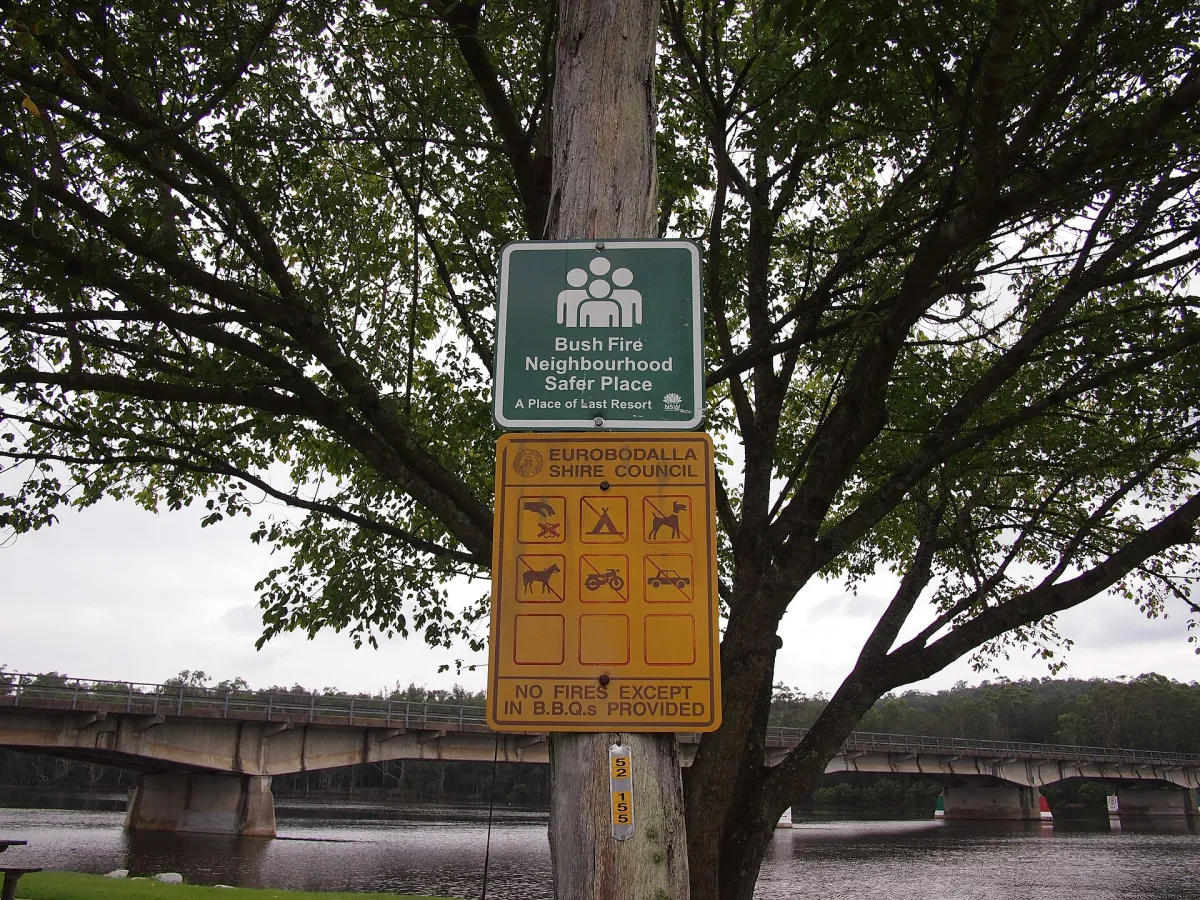

Weather-related risks change by region and date. Check current forecasts, warnings and the relevant state or territory emergency information before heading into an exposed or remote area. A favourable seasonal average does not establish the absence of a local warning. Ask accommodation and tour providers how they communicate changes that affect your booking.
Understand the local instructions for a warning and follow the responsible emergency authority. Do not wait for a guidebook or a social-media post to confirm what an official alert already says. Keep enough flexibility and supplies to change the route, remain at a safe base or follow a directed evacuation as appropriate to the situation.
Do not use an itinerary target as a reason to approach an affected area for a photograph. Road closures and emergency operations take precedence over visitor plans. Keep the phone charged and save important details offline, while recognising that the availability of a website or app depends on power and connectivity.
Everyday security and getting help
Use ordinary care with bags, devices, payment cards and travel documents, particularly in busy transport and visitor areas. Keep a backup payment method and essential information separate where practical. Verify unexpected booking or payment messages through the supplier’s established channel rather than following an unsolicited link.
For evening plans, arrange the return journey before the first drink and use the transport service you actually booked. Keep the group’s meeting arrangements clear. If a situation feels unsuitable, move to a staffed public place and seek help. Avoid treating a city’s general reputation as a substitute for paying attention to the actual surroundings.
When contacting a service, provide your location, the nature of the problem and the details requested. If the problem is not an immediate emergency, use the appropriate medical, police, supplier or consular channel. A clear directory and an offline record of bookings can make assistance more effective; Useful Contacts is designed for that task.
Frequently Asked Questions
Is healthcare free for every visitor?
No. Eligibility and costs depend on the service and any applicable arrangement. Check the official requirements and your insurance before travelling.
Is a famous beach automatically safe for swimming?
No. Use current patrols, flags, signs and lifeguard advice. Conditions change, and a photograph cannot certify safety.
Can I rely on mobile coverage outside cities?
Prepare for the actual route. Coverage is not universal, and an offline map does not create a network connection.
What should I do if a road or park closes?
Follow the restriction and choose an authorised alternative. Do not bypass a closure to preserve the original itinerary.