
AUSTRALIA TRAVEL GUIDE
Australia Useful Contacts: Emergencies, Consulates & Travel Help
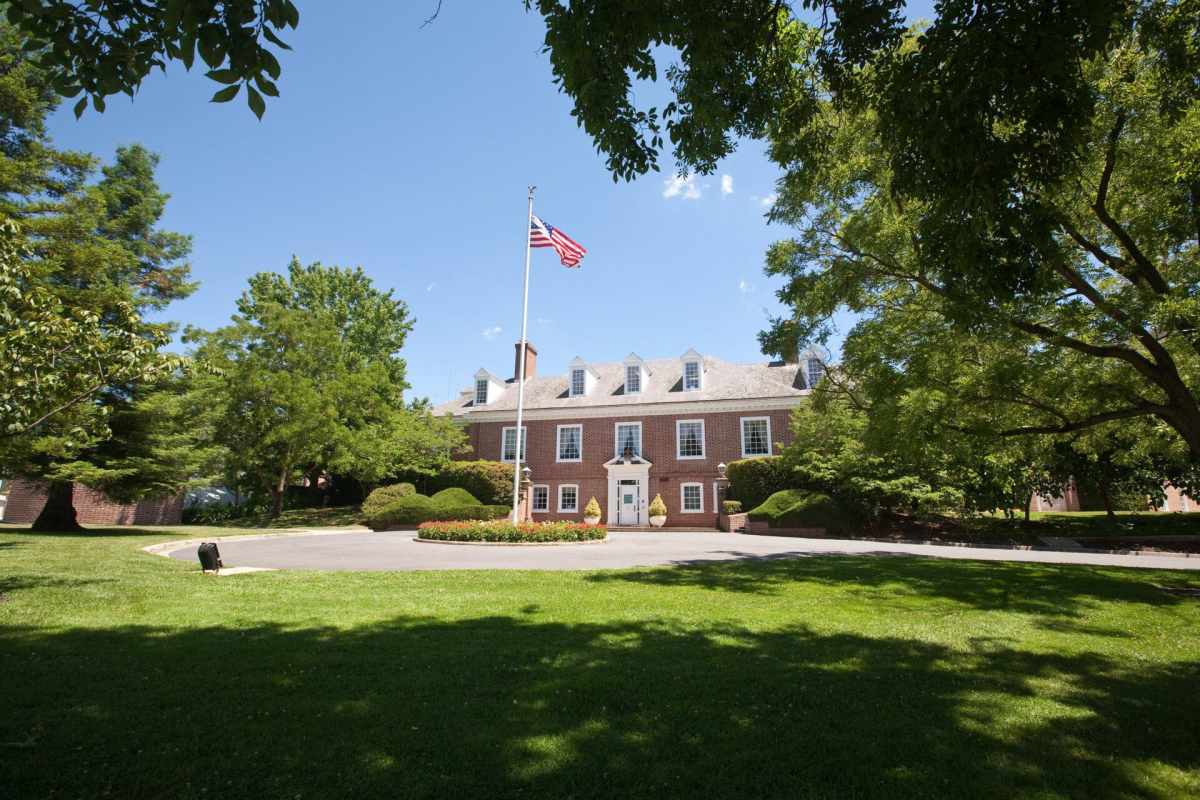
The most useful contact is the service responsible for the problem you actually have. An emergency, a lost passport, a delayed flight and a hotel dispute need different channels. Keep the essential details offline before the trip, then use the current official information for the service and location involved.
This directory explains whom to contact and what to prepare. It does not claim that a number has been test-called or that a photographed office provides a particular service today. For prevention and preparation, use Health & Safety. If there is an immediate emergency requiring police, fire or ambulance, call 000.
Immediate emergency: police, fire or ambulance
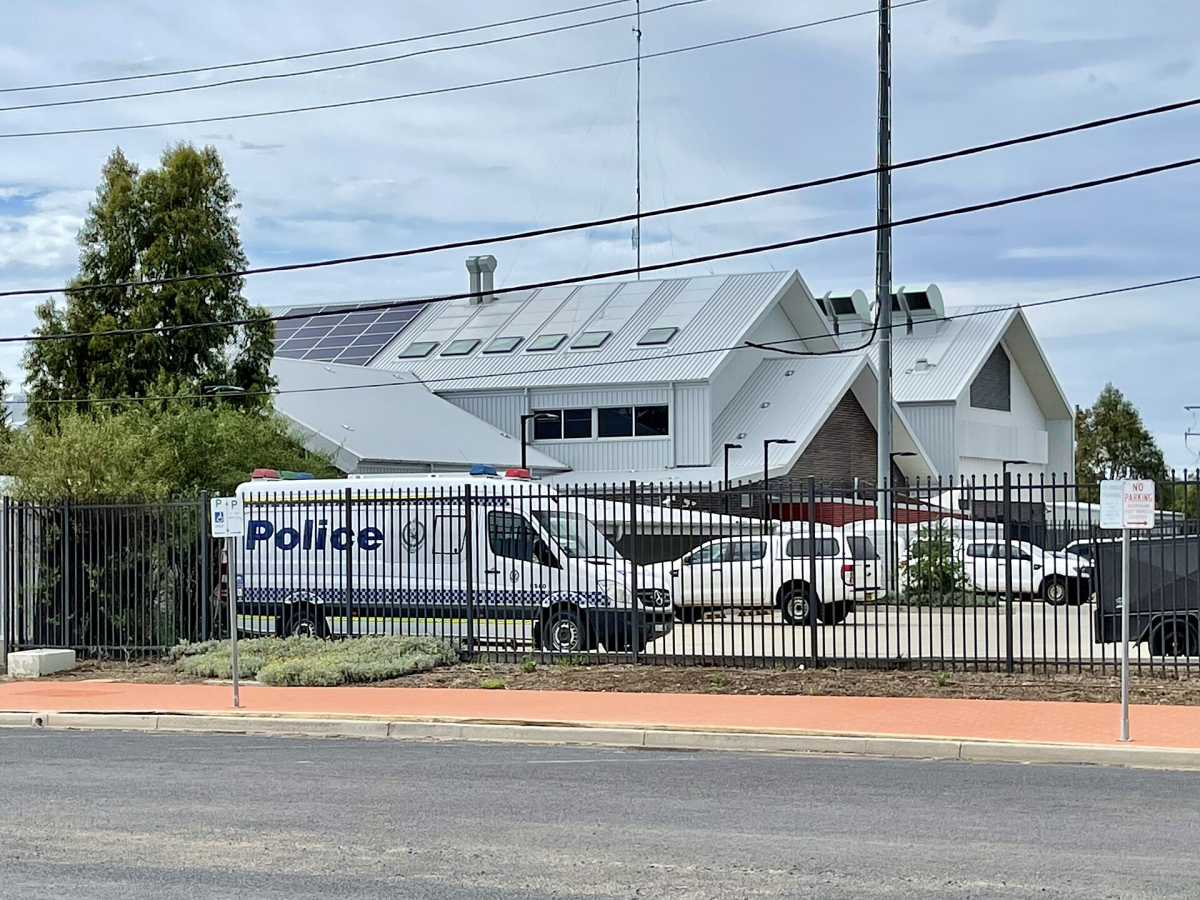
Call 000 for an emergency in Australia. Tell the operator whether you need police, fire or ambulance, then provide the location and answer the questions. Give a street address, suburb or town, state and a useful nearby landmark where possible. In a regional area, road direction, distances and property names may help identify where assistance is needed.
112 is an alternative emergency number from a mobile phone. It does not create coverage where no mobile network is available. Do not make a non-emergency test call. Keep the phone and provider compatibility questions separate from whether a data package has been purchased; Travel Essentials explains that distinction.
The ACMA emergency-calling information also explains the specialist 106 service for suitable TTY equipment. It is not an ordinary SMS service. If you have hearing or speech-related access needs, investigate the appropriate current service before departure rather than assuming a text message to 000 will work.
Swipe horizontally if needed to compare all columns.
| Need | Contact | Scope |
|---|---|---|
| Immediate emergency | 000 | Police, fire or ambulance |
| Alternative mobile emergency access | 112 | Does not create coverage without a network |
| Non-life-threatening health advice | 1800 022 222 | healthdirect; check current service guidance |
| Suspected poisoning | 13 11 26 | Poisons Information Centre; use 000 for immediate danger |
| Passport or consular issue | Your own country’s official mission | Check service, appointment and emergency arrangements |
Health advice and poisons information
For non-life-threatening health questions, healthdirect provides a nurse advice line on 1800 022 222. Use the official contact page for the current service information and access options. If a condition is critical or life-threatening, use 000 rather than waiting for an ordinary appointment or an online response.
The Poisons Information Centre can be reached on 13 11 26 for advice about suspected poisoning. If someone is in immediate danger, has collapsed or has a severe emergency, call 000. The NSW Poisons Information Centre describes the national helpline. Follow professional instructions rather than relying on an old treatment tip from a travel forum.
Have the person’s location, age and the relevant product or exposure information ready when requested. Keep medicine packaging and a list of allergies or regular medication accessible where practical. These details support the professional’s assessment; they are not a reason to delay an emergency call while searching for every document.
Find an appropriate local health service
Use an official service finder or the advice line to identify a relevant doctor, pharmacy or hospital for the actual location and problem. A large hospital building in a photograph does not establish a walk-in clinic, the correct entrance or the availability of the service you need. Confirm arrangements before travelling when the matter is not an emergency.
Ask the provider about appointments, fees and any documents required. Reciprocal healthcare arrangements and insurance are separate questions, and neither should be assumed to cover every service. Carry the relevant policy and eligibility information, but do not delay urgent assistance while trying to resolve ordinary billing details.
If an insurer provides an assistance line, save its international number and the policy reference. Ask what approvals or records it needs for non-emergency treatment and claims. Keep receipts and the provider’s documentation securely. The health preparation guide explains the decisions to make before departure.
Lost passports and consular assistance
Contact the official representation of your own country for passport and consular questions. An embassy, high commission, consulate and honorary consulate may have different responsibilities and appointment arrangements. Do not travel to an office because an old guide lists its address without checking that it provides the service you need.
The Australian Department of Foreign Affairs and Trade maintains information on foreign representatives accredited to Australia. Use it to identify the correct mission, then follow that mission’s own current instructions. DFAT’s Australian missions overseas are a different directory and are not a substitute for your country’s representation inside Australia.
United States travellers can begin with the U.S. Mission in Australia. British travellers can use the British High Commission Canberra page, which links to current consular contact arrangements. For any nationality, check the relevant office and emergency process rather than copying an undated telephone, fax or personal email from a legacy list.
Immigration, arrival and biosecurity questions
Use the Department of Home Affairs for visa and immigration matters. An airline can explain boarding and connection procedures, but it does not determine individual visa eligibility. A travel agent or hotel cannot override the conditions of a visa. Start with the official process and keep the application or grant reference available when contacting the department.
For arrival declarations and goods crossing the border, use the Australian Border Force and the responsible biosecurity authority. Explain the actual item, quantity and circumstances rather than relying on a broad category from a forum. A consular office is not the authority that decides whether a particular food or controlled item may enter Australia.
The Visa & Entry guide directs you to the relevant starting points. Keep application, declaration and airline questions distinct so that the request reaches the organisation able to answer it. If you use a paid intermediary, verify its identity and role rather than assuming it is an official government service.
Flights, ferries, tours and accommodation
For a disrupted booking, contact the supplier or booking channel responsible for the component. Have the reservation reference, traveller name, date, route and current contact details ready. If the journey combines independent tickets, ask each supplier what it can change rather than assuming one organisation can amend the entire itinerary.
Use the airport for terminal facilities and airport transport information, and the airline for the flight and ticket conditions. Use the actual ferry or tour operator for weather decisions and departure changes. A destination tourism website can help with alternatives, but it is not usually the organisation that can refund or reissue a supplier’s booking.
For accommodation, communicate through the established reservation channel and retain written details of the issue and requested solution. Be cautious about unexpected payment instructions or requests to move outside the service you used. Verify them independently through the known supplier. A message containing a booking reference is not sufficient proof that a new payment request is legitimate.
Road, park and visitor information
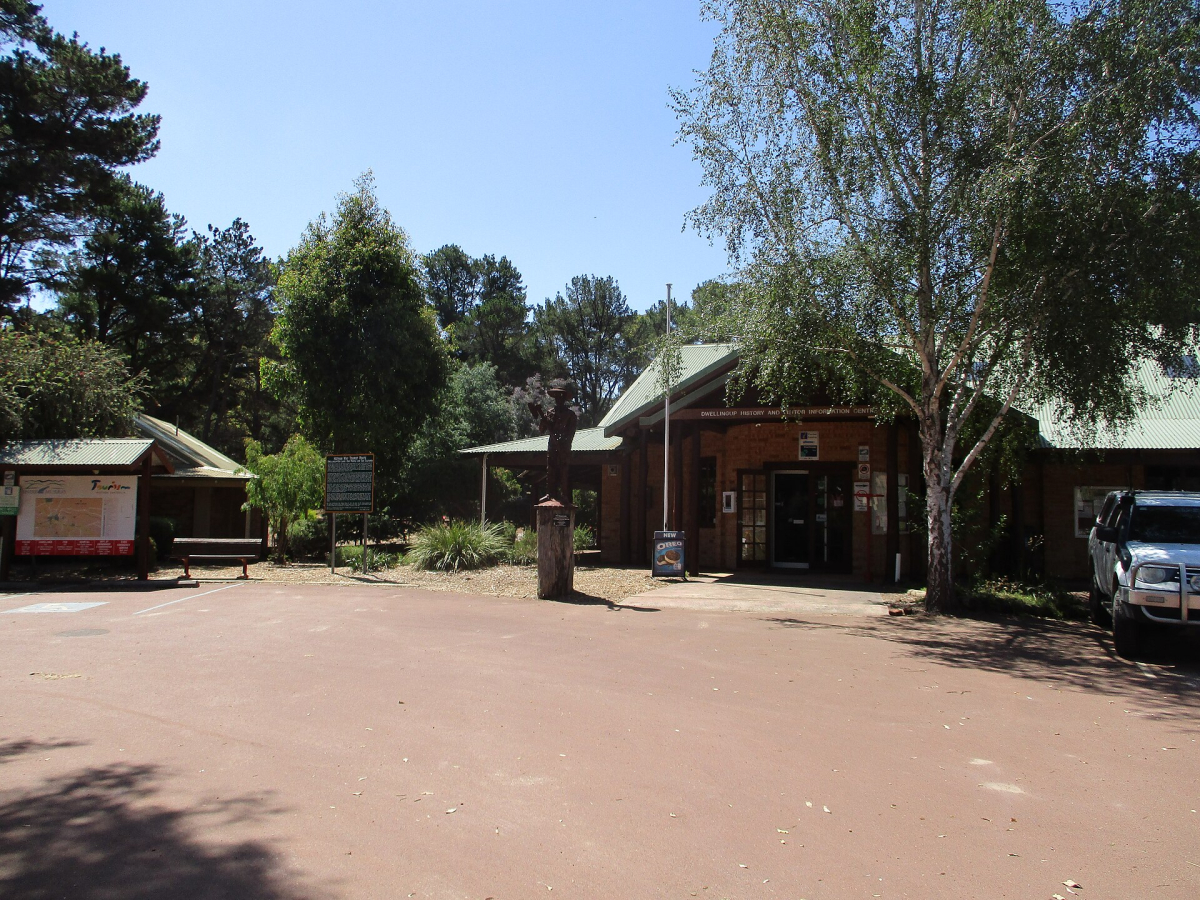
Use the relevant state or territory road authority for current road conditions and the park authority for closures, permits and visitor access. A navigation application, hotel description or historic photograph cannot establish that a route is open. Ask about the specific road or track, vehicle and travel date.
Visitor information centres can help with local orientation and services, but opening times and the scope of assistance vary. Confirm the actual centre if its advice or facilities are essential to the day. Do not assume that a building labelled as a former visitor centre in a source photograph is a current staffed office.
Before leaving a well-serviced base, save the route-specific contacts and essential booking information offline. Include the correct accommodation address, supplier references, insurance assistance and the person who knows your plan if appropriate. A short, accurate set of contacts is more useful than a long collection of stale numbers that have not been checked.
Frequently Asked Questions
What is the emergency number in Australia?
Call 000 for police, fire or ambulance in an emergency. Give the location and follow the operator’s instructions.
Does 112 work without any mobile coverage?
It does not create a connection where no mobile network is available. Prepare communications appropriate to the route.
Should I contact an embassy about a delayed flight?
Start with the airline or booking channel for the reservation. Your consular service addresses passport and consular matters within its responsibilities.
Are the listed numbers test-called?
No. They are checked against published official information. Follow the current official service guidance and do not make non-emergency test calls to emergency numbers.



