
AUSTRALIA TRAVEL GUIDE
Australia Food & Drink: What to Eat, Markets & Dining

Australia’s food and drink are best approached through places and people rather than a short list of national dishes. City neighbourhoods, regional ingredients, migration histories, markets and contemporary restaurants all contribute. A good food plan can include a bakery breakfast, a market picnic, a carefully chosen restaurant and a regional tasting without turning every meal into an expensive event.
This guide focuses on what to try, how to order and how dining fits the route. It does not duplicate a countrywide restaurant ranking. Specific menus, suppliers, opening days and dietary arrangements change, so confirm the actual venue and reservation before planning a journey around a meal.
Coffee, breakfast and the neighbourhood cafe
Coffee is a useful way to begin exploring an Australian city, particularly when a cafe visit connects with a neighbourhood walk. Melbourne is strongly associated with cafe culture, but good coffee is not confined to one city. Choose a place that fits your route and interests rather than assuming a long cross-city trip is necessary for a worthwhile cup.
If the menu is unfamiliar, ask about the size, milk and style you want. A flat white, long black or espresso-based drink can be a starting point, but preparation and serving sizes vary. Check the cost of alternative milk or additions before ordering if it matters to your budget. A familiar name from home may not describe exactly the same cup.
Breakfast can range from a quick bakery purchase to a substantial cafe meal. Compare the timing with your first activity: a leisurely brunch does not fit an early tour pickup, and a remote departure may offer fewer alternatives. If breakfast is included in the hotel rate, check its hours and format rather than assuming it will be available before you leave.
Seafood and coastal meals
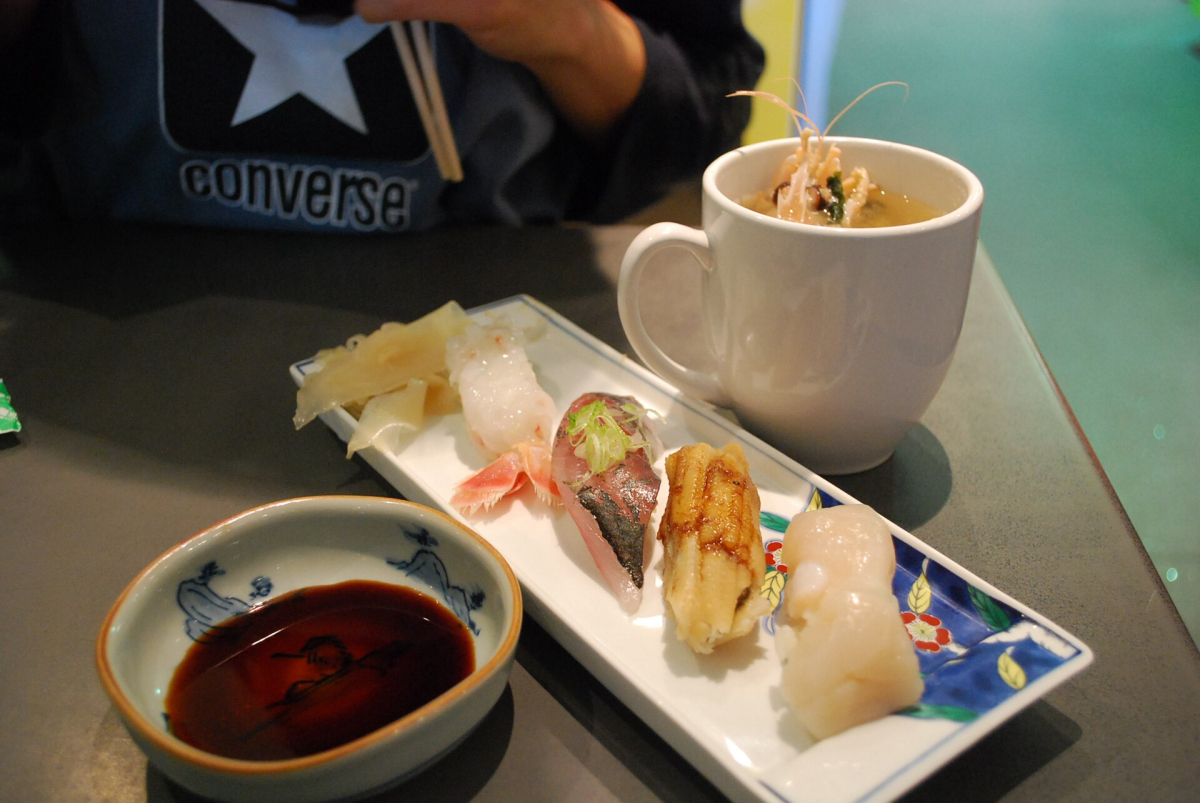
Seafood can be a distinctive part of a coastal visit, but the useful questions are what is being offered, where it comes from and how it is prepared. A market or waterfront location is not by itself proof of local origin or sustainability. Ask the seller or venue for the information relevant to your choice, and avoid relying on broad promotional labels.
Compare a prepared meal with buying ingredients. Travellers staying in a hotel room may be better served by a cooked dish, while an apartment with suitable refrigeration and cooking equipment offers different options. Keep safe storage and the next part of the day in mind; carrying perishable food through a long warm excursion is not a practical souvenir plan.
Fish and chips, a seafood platter or a simple grilled dish can each serve a different budget and appetite. Check portion size and what is included, especially when sharing. For allergies, speak directly with the venue about ingredients and cross-contact rather than inferring suitability from the dish name or a general menu symbol.
Bakery stops, pies and casual food

An Australian meat pie is a useful example of food that can fit an ordinary travel day rather than a dedicated restaurant visit. Fillings, pastry and accompaniments vary, and vegetarian versions may be offered. Ask what is available and check the ingredients relevant to your diet. A bakery stop can also provide a simple way to pace a regional drive.
Barbecue food and casual outdoor meals are part of many visitors’ plans, but public cooking facilities have local rules and availability. Check whether the site permits the activity, whether equipment is usable and what current fire restrictions apply. Bring the supplies needed to leave the area clean rather than assuming a public barbecue includes utensils or cleaning materials.
For sweets, compare a bakery item, lamington or pavlova where offered. Pavlova is associated with both Australia and New Zealand; there is no need to turn a dessert order into an unsupported exclusive-origin claim. Choose food for the actual quality, ingredients and context of the venue, not simply because a national-food checklist says it is compulsory.
Markets: ingredients, prepared food and local rhythm

Melbourne’s Queen Victoria Market, Adelaide’s Central Market and Sydney’s market settings offer different experiences. Some visits focus on fresh ingredients, others on prepared meals, design or a neighbourhood atmosphere. Check the specific market’s operating days, trading hours and programme, since different sections or events may follow different schedules.
Decide what you want before arriving. A picnic needs food that travels well and a suitable place to eat; groceries need storage and a kitchen; a casual lunch needs a stall or venue operating at that time. A market is not automatically the cheapest option for every product. Compare the complete purchase rather than treating the setting as a price guarantee.
For photography, ask before making close portraits of stallholders or customers and avoid blocking trade. The Rocks Markets photo guide covers the street-photography questions separately. Shopping and eating can share an outing without requiring the same descriptions to be reproduced on multiple pages.
Wine regions and tasting decisions
Wine-focused visits need a regional plan. The Barossa near Adelaide, Margaret River in Western Australia and wine areas connected with southeastern cities have different geography and styles of visit. Choose one that fits the route and the amount of time available. A tasting day should not be built from a list of distant venues without checking their locations.
Compare a guided tour, a private driver or a self-drive outing with a designated non-drinking driver. Check booking requirements, tasting charges, meal availability and what the tour includes. A winery may offer a cellar-door tasting without a restaurant, or a restaurant may require a separate reservation. Confirm the actual experience you want.
Do not assume that a hotel in the region includes transport to every venue. Ask about pickup zones and the end-of-day return. If you buy bottles, check luggage, airline and border conditions for the rest of the journey. A regional overnight stay may provide a more relaxed experience than a long return drive after a full day.
First Nations ingredients and food experiences
Approach First Nations food knowledge through the people and organisations authorised to share it. An ingredient on a restaurant menu is not a complete account of its cultural context. A locally grounded experience can explain what the hosts choose to discuss, while respecting knowledge and places that are not open for general visitor use.
Do not forage or taste unfamiliar plants because they resemble an ingredient in a guide or photograph. Permission, identification, safety and cultural protocols are separate questions. Choose a reputable, appropriately led experience and follow the hosts’ instructions. A tourism activity does not grant independent permission to collect material afterwards.
When buying a product marketed through a cultural or community connection, ask how that relationship is described and supported. Avoid assuming that a pattern on packaging or a broad “native” label establishes ownership or benefit. Responsible Travel offers a wider framework for evaluating such claims and spending with care.
Dietary needs, reservations and the final bill
For a serious allergy or essential dietary requirement, contact the venue directly before booking and explain what you need. Ask about preparation and cross-contact, not only whether the menu contains a familiar symbol. A general vegetarian, vegan or gluten-free label does not answer every individual question. Keep an alternative if the venue cannot confirm a suitable arrangement.
Check the menu and terms for surcharges, set-menu conditions, deposits, cancellation and group requirements. Ask for the total that applies to your date and party. Tipping practices and service arrangements can vary; do not assume a charge from another country’s dining culture applies automatically. Read the bill and ask politely about an unclear item before paying.
Reserve selectively. A particular restaurant or tasting may justify advance planning, while ordinary cafes and casual meals can remain flexible. Keep the meal’s location compatible with the day’s transport and evening return. The Nightlife guide addresses after-dark plans, and Travel Costs & Money explains how to budget the whole trip.
Shopping: useful purchases and honest provenance
Choose food, art, design or practical supplies according to what you can use and carry. A market purchase should have a clear maker or seller where that matters, while an artwork needs the artist and provenance documentation. Do not treat a cultural pattern or a broad local-product label as proof of who made it or who benefits.
Check the remaining route before buying food, liquids or fragile items. Storage, airline baggage and border or domestic biosecurity conditions can affect whether a purchase travels well. A smaller, well-understood item is often more useful than a bag of souvenirs whose origin or transport conditions are unclear.
Keep receipts and any required care or provenance information. If the seller makes a significant claim about authenticity, certification or community benefit, ask how it is supported. Shopping can be part of understanding a place without requiring a separate nationwide shop-ranking page.
Frequently Asked Questions
Do I need a separate restaurant itinerary for every city?
Not necessarily. Reserve the meals that matter most and leave space for neighbourhood cafes, markets and practical choices near the day’s activities.
Are market meals always cheaper?
No. Compare the actual product, portion and total price. The market setting alone does not establish value.
Can I collect native ingredients myself?
Do not infer permission or safety from a guide. Use appropriately led experiences and follow local, cultural and land-management rules.
How should I plan a wine-tasting day?
Choose a coherent region, confirm the actual bookings and arrange transport that does not require a person who has been drinking to drive.



