
AUSTRALIA TRAVEL GUIDE
Responsible Travel in Australia: Country, Wildlife & Conservation
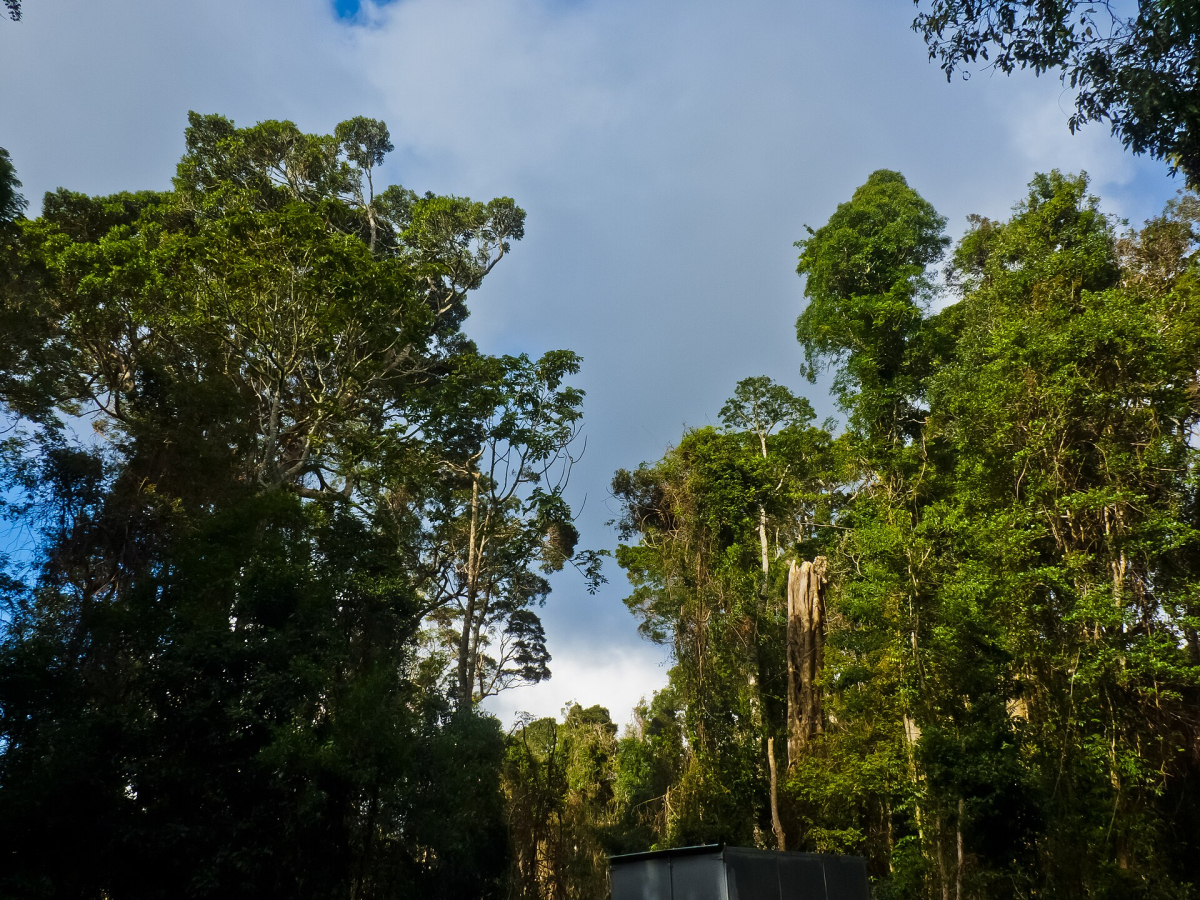
Responsible travel in Australia begins with recognising that destinations are living places. Country, communities, wildlife, reefs and parks have meanings and limits beyond their value as visitor attractions. A thoughtful trip asks who hosts an experience, what permissions apply and how the itinerary affects the places being visited.
There is no single label that proves every aspect of a business is responsible. Look for specific, verifiable practices and ask questions relevant to the activity. This guide provides practical choices rather than inventing environmental certifications, community benefits or claims that a journey has no impact.
Learn whose Country you are visiting
First Nations peoples have diverse cultures, languages and relationships to place. Seek the perspective relevant to the Country you will visit rather than treating one experience as an account of the whole continent. Read how an operator or organisation describes its connection to the place and who leads the activity.
Choose opportunities to listen, and respect the limits of what hosts choose to share. Access to a place, story or image may involve cultural protocols that are not obvious to a visitor. Ask politely when unsure, and accept an instruction without trying to find a way around it. A paid tourism booking does not create entitlement to every form of knowledge or recording.
Use History & Culture for background and Things to Do to compare experience formats. A locally grounded guided visit can contribute more to understanding than an extra stop made only to collect a familiar photograph.
Respect cultural sites and photography restrictions
At Uluṟu–Kata Tjuṯa, follow the park’s guidance on culturally sensitive places and no-photography areas. A feature may carry meaning and restrictions that cannot be inferred from its appearance. Do not assume that another person’s published photograph establishes permission for your own image-making or commercial use.
The same care applies to museums, artwork, performances and people. Ask before close portraits or recording cultural activity, follow venue rules and keep equipment clear of others. Permission to enter a building is not automatically permission to reproduce everything displayed inside it. If the proposed use is commercial, investigate the relevant requirements before the visit.
The Photo Spots guide discusses composition and permissions separately. A responsible photograph can be made from a permitted public position without blocking paths, crossing barriers or asking someone to repeat an activity for the camera. Sometimes the right choice is to observe without taking an image.
Wildlife: choose observation over interference
Watch animals from an appropriate distance and follow the relevant local guidance. Do not feed, handle, surround or block wildlife to obtain a closer encounter. A tour’s marketing should be compared with its actual practices: ask how the operator manages distance, group behaviour and the possibility that animals do not appear.
For koalas and kangaroos, habitat is part of the experience rather than an obstacle between the camera and the animal. Accept a distant view, use suitable equipment and remain on authorised ground. A golf course, roadside verge or private property does not become open visitor land because wildlife has been photographed there before.
Roadside observation requires lawful, safe stopping and attention to other traffic. Do not pursue an animal with a vehicle or encourage passengers to enter the road for a photograph. The wild koala guide explains how distance and observation can support a useful image without promising a close sighting.
Reefs and marine experiences
Choose marine experiences that explain their environmental and safety practices clearly. Ask what participants are instructed to do around coral and wildlife, how groups are supervised and what happens when conditions are unsuitable. A conservation statement is more useful when connected to observable conduct than when used as a broad promotional badge.
Follow the operator’s guidance, avoid standing on or touching coral and do not collect marine life or souvenirs. Control equipment so it does not strike the reef, and ask for help if you are not confident in the water. Your ability and the conditions affect whether an activity is appropriate; booking a ticket is not a reason to proceed regardless.
Use the actual departure and site information rather than assuming every reef trip has identical practices. The Things to Do guide compares experience formats, while Beaches keeps shore access and swimming decisions separate. A scenic image cannot certify environmental management or current marine conditions.
Parks, tracks and the limits of access
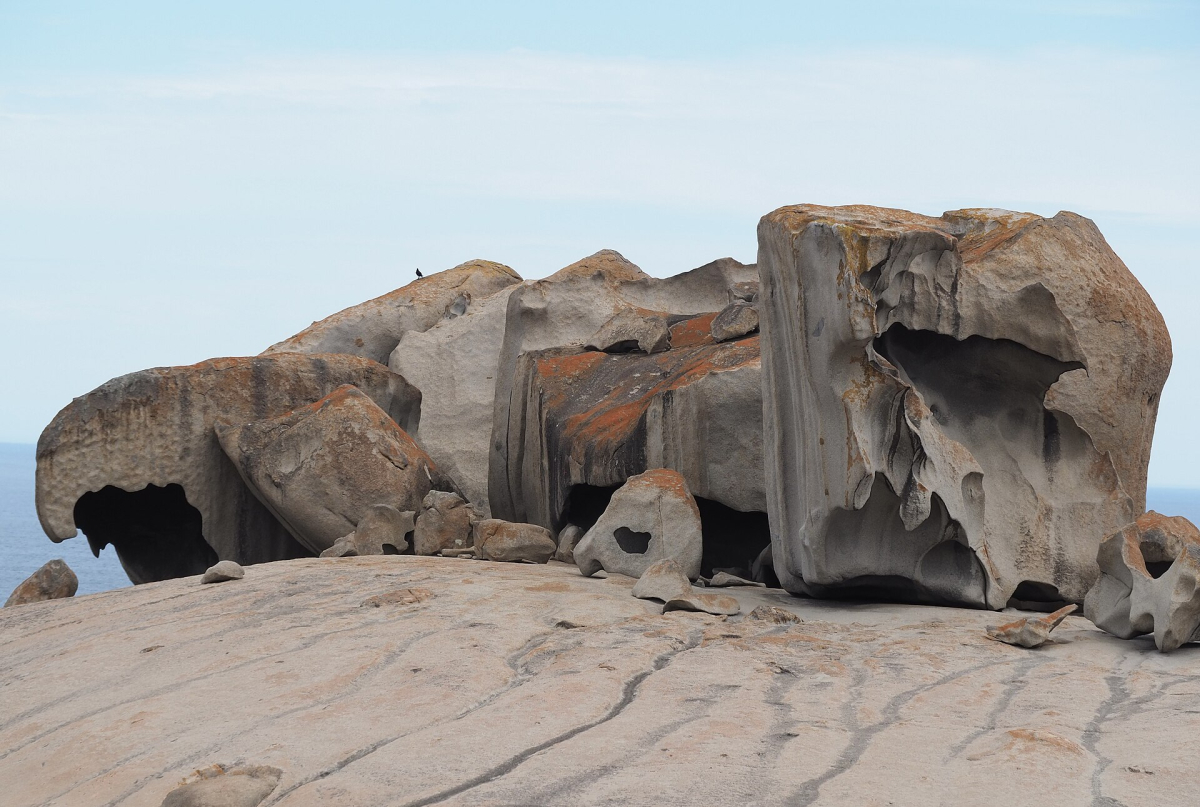
Remain on authorised routes and follow closures, barriers and local instructions. They can protect habitat, cultural places and visitor safety at the same time. Do not interpret an old photograph or a social-media location as permission to cross a closed area. Conditions and management decisions can change after the image was made.
Take waste out, use designated facilities and prepare for the level of service actually available. A national park may not have drinking water, food, bins or mobile coverage where you expect them. Check the responsible authority before arrival and carry the supplies appropriate to the route. A reusable bottle is useful only when the water plan is realistic.
Keep noise and group behaviour appropriate to the setting. Give other visitors room at viewpoints and on narrow paths, and do not turn a quiet area into a private photography session. Walking & National Parks explains how to choose an outing that matches the party’s ability and preparation.
Biosecurity and moving between regions
Australia’s biosecurity protections concern food, plants, animals and equipment as well as obvious souvenirs. Read current official guidance for the items you carry and answer declaration questions accurately. A product being packaged, small or bought at an airport does not establish that it can cross the relevant boundary without conditions.
Clean equipment appropriately before travel and check for soil or organic material where required. Follow the actual import and movement rules rather than a general assumption that used walking shoes or camping gear are unimportant. If an item needs inspection, make it accessible and follow officials’ instructions.
Some domestic movements also have specific biosecurity considerations. Recheck the actual route when travelling between states, territories, islands or protected regions. A successful international arrival does not establish permission for every later movement of goods. Visa & Entry provides the international-arrival starting points without replacing item-specific official advice.
Spend with care and assess claims

Buying from a local business can contribute to the place you visit, but ask what a product or experience actually represents. For First Nations art, investigate the artist, seller and documentation rather than judging authenticity from a visual style. Keep provenance information with the work and avoid unsupported claims about investment value or community benefit.
For accommodation and tours, look for specific practices: how waste is handled, who leads the activity, how wildlife is treated and what a certification actually covers. Do not assume that a leaf icon or the word “eco” proves independent verification. A business may have strong practices in one area without making every part of the journey impact-free. If a property advertises energy practices, ask what is installed and how its performance is measured. A photograph of rooftop solar panels alone cannot establish a hotel’s energy use or certify a travel company.
Plan fewer unnecessary transfers when that supports the holiday you want. Staying longer in a coherent region can create more time for local experiences and reduce repeated packing and airport journeys. Compare actual transport options and be clear about trade-offs; do not claim a route is carbon-neutral without evidence for that precise claim.
Make practical choices part of the itinerary
Carry appropriate reusable items, buy quantities you can use and avoid leaving food or equipment behind when moving bases. Choose accommodation facilities that support your actual routine rather than assuming every property offers recycling, refill points or a full kitchen. Ask what is available and follow the local system.
Keep the route flexible enough to respect a closure, an operator’s safety decision or a host’s cultural restriction. A meaningful holiday does not require completing every planned stop. The itineraries guide helps create that space through realistic nights, transfer days and alternatives.
Frequently Asked Questions
Does an eco label prove every claim about a business?
No. Ask what is verified, by whom and for which activity or property. Look for specific practices rather than a broad promotional word.
Can I feed wildlife if it approaches me?
Follow local guidance and do not feed or handle wild animals to create an encounter or photograph.
Does a published photo grant access to the camera location?
No. Current permissions, closures and cultural restrictions need separate checking.
Is staying longer in one region a useful choice?
It can provide more time for local experiences and fewer transfers when it fits your interests. Compare the actual route and avoid unsupported claims about eliminating its impact.



