
AUSTRALIA TRAVEL GUIDE
Australia Airports & Transfers: Gateways, Terminals & Connections
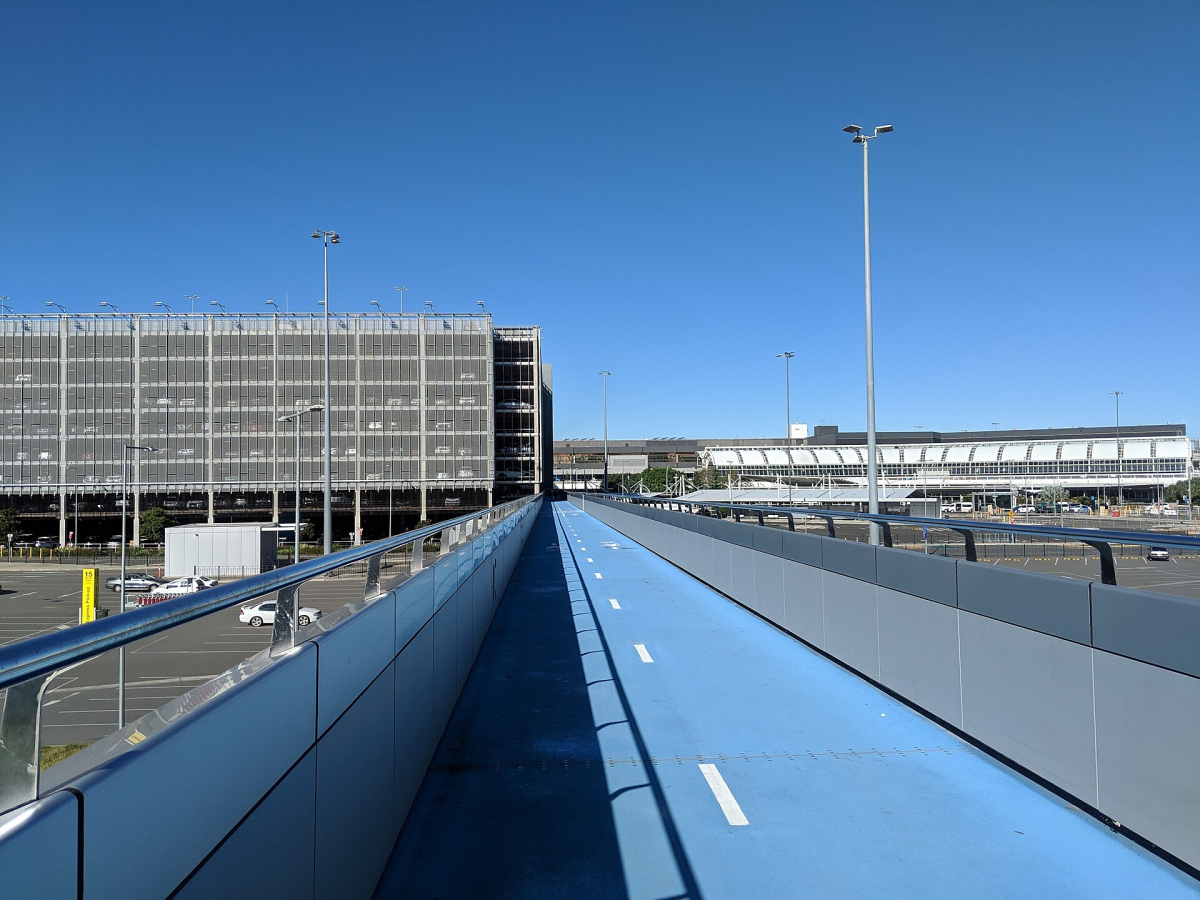
An Australian arrival plan includes more than choosing the cheapest flight. The gateway, terminal, onward connection, baggage and journey to the first accommodation determine how the day works. Compare the complete route before buying an international fare that creates a difficult domestic transfer or an expensive final-night return.
This guide covers arrival, departure and the first or last transfer. Getting Around compares the wider domestic route. Terminal assignments, timetables, fares and operating arrangements can change, so check the airport and airline for your actual date and flight rather than relying on a photograph or an old flight-time table.
Choose the gateway for the first region
Sydney, Melbourne, Brisbane and Perth are distinct gateways to different parts of the country. Other airports can be useful when their international or connecting services fit your route. The cheapest arrival city is not necessarily the least expensive trip once domestic flights, baggage, an extra hotel and ground transfers are included.
Consider an open-jaw international itinerary if you plan to finish in another region. Compare its total price and conditions with the domestic flight it might avoid. A return ticket to the arrival city may still be the right choice, but include the time and cost of getting back there. Do not leave that final positioning journey outside the budget.
Use Map & Regions to understand the geography before selecting a gateway. Alice Springs and the Uluṟu-area airport serve different journeys; Melbourne Airport and Avalon are different airports; a Brisbane arrival is not the same as a Gold Coast arrival. Similar destination labels in a search result can conceal a substantial ground journey.
Swipe horizontally if needed to compare all columns.
| Gateway | Important distinction | Ground-journey check |
|---|---|---|
| Sydney | T1 versus domestic terminals | Terminal transfer and final city stop |
| Melbourne | Melbourne Airport versus Avalon | Actual airport code and full city transfer |
| Brisbane | Domestic versus international terminal areas | Airtrain or road journey to the final base |
| Perth | Actual airline and terminal | Terminal area, vehicle pickup and accommodation |
| Regional / island | Correct airport and onward operator | Luggage, last transfer and delay policy |
Sydney Airport: terminals and the city journey
Sydney Airport uses Terminal 1 for international operations and Terminals 2 and 3 for domestic operations, with the airline and flight determining the actual terminal. Confirm the terminal on the current booking and airport information. An international-to-domestic connection can involve border formalities, baggage handling and a journey between terminal areas rather than a simple gate change.
The airport’s transport information describes train, bus, taxi, rideshare and other options. Compare the whole journey to your accommodation, including the walk from the final stop. A train fare and airport-station access conditions may differ from an ordinary suburban journey. Check the current product rather than assuming a general city transport cap covers everything.
For a terminal transfer, check the airport and the airlines’ instructions for your actual tickets. Airline transfer arrangements and the public terminal-transfer options are not automatically interchangeable. Verify operating hours, eligibility and where you need to be after collecting luggage. The official Sydney Airport transport page is the appropriate starting point for current arrangements.
Melbourne Airport: city transfers and airport identity
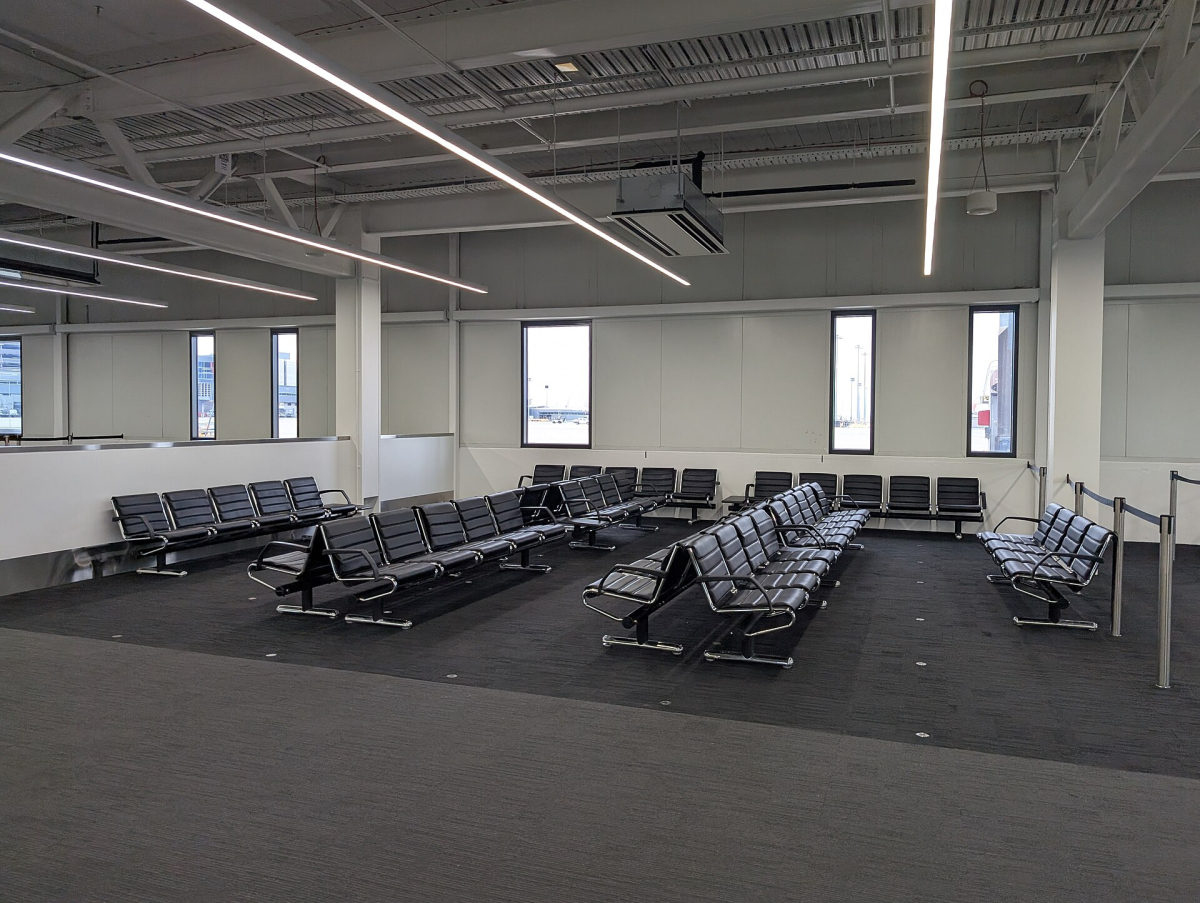
Melbourne Airport, commonly called Tullamarine, is a different airport from Avalon. Check the airport code and ground journey before comparing fares. A lower flight price can become less attractive when the transfer is longer or does not serve the area where you are staying. Confirm the last connection as well as the advertised journey to the city.
For Melbourne Airport, compare the current SkyBus services, public-transport combinations, taxis, rideshare and prearranged transfers. The right choice depends on the number of travellers, luggage, arrival time and final destination. A service ending at Southern Cross still leaves a final journey to many hotels; include that time and cost in the comparison.
Use Melbourne Airport’s transport information and the SkyBus website for current routes and conditions. Do not assume a future rail project is an operating airport service. If a flight lands late, confirm the actual timetable and the accommodation’s check-in arrangements before depending on a particular connection.
Brisbane Airport and southeast Queensland
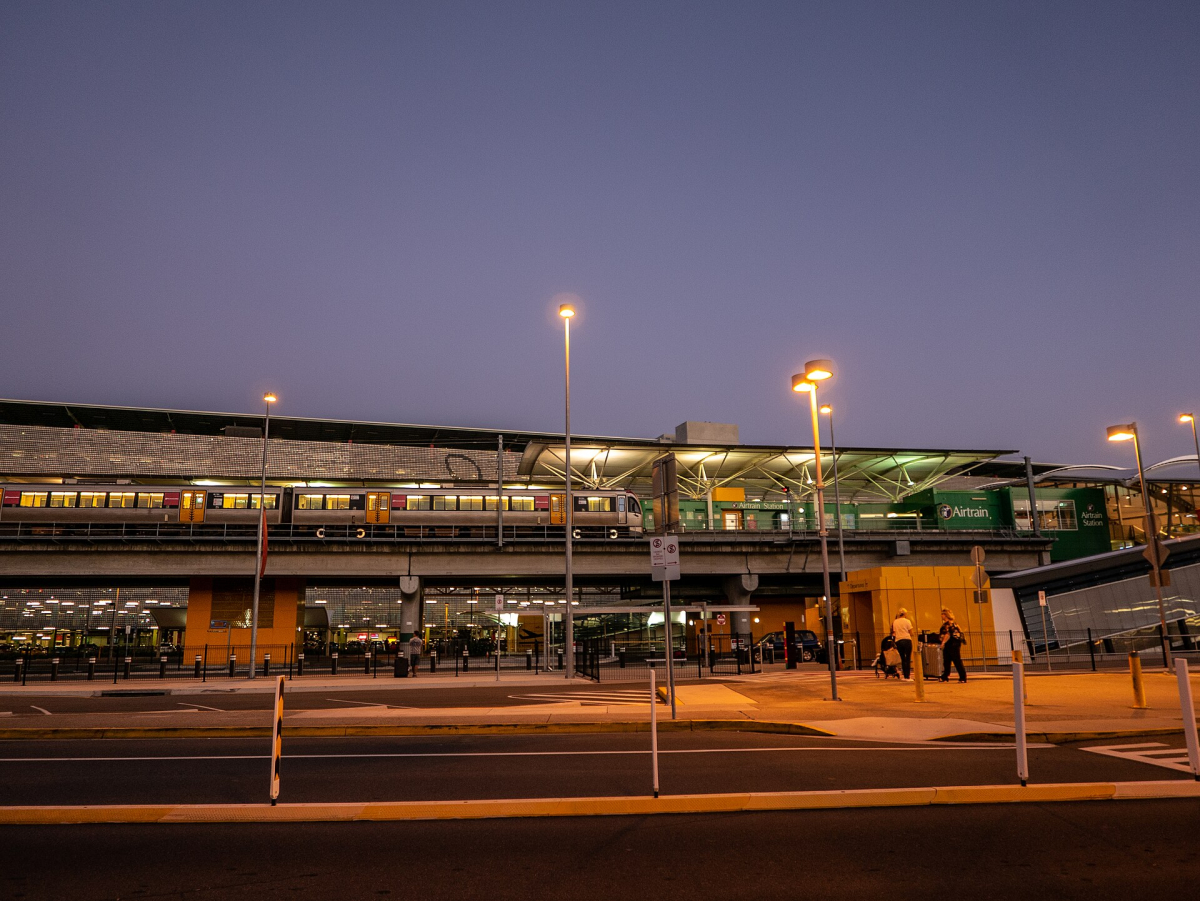
Brisbane Airport has separate domestic and international terminal areas. Confirm the terminal and any connection procedure with the airline, especially when arriving internationally and continuing elsewhere in Queensland. Allow for the actual formalities and transfer rather than treating a short map distance as the time needed between flights.
Airtrain is one option to investigate for Brisbane and onward connections, alongside road transfers and other services. Compare the timetable, final stop and journey from that stop to the accommodation. A train connection towards the Gold Coast may still require further transport; the regional label does not establish a direct door-to-door service.
Use the airport’s transport information and Airtrain for current details. If you are staying on the coast, compare the full journey with an alternative airport only after checking the actual flights and ground connection. The best airport is the one that supports the route, not the one with the most familiar city name.
Perth, tropical gateways and regional arrivals
Perth Airport’s terminal arrangement requires attention to the actual airline and flight. Do not infer the terminal from the broad labels domestic and international alone. Check the current arrival or departure information, the location of a rental-car pickup and the transfer to your specific accommodation. A change of terminal area can affect a connection materially.
For Cairns, Darwin, Hobart and other gateways, compare the airport journey with the regional base. Cairns and Port Douglas are different accommodation locations; a Hobart arrival does not place you at Freycinet; Darwin is not a city-adjacent substitute for every Kakadu experience. The onward road journey may be the largest part of the arrival day.
Remote or island arrivals can involve additional baggage limits, transfers or accommodation coordination. Confirm those details with the actual operator before adding equipment or a large suitcase. If a flight changes, know which supplier arranges the next stage and whether it can be adjusted. Keep an alternative for a late arrival rather than relying on an informal promise.
International-to-domestic connections
Ask the airline how the connection works for the tickets you hold. Confirm baggage collection, customs and biosecurity, recheck arrangements, terminal travel and the latest acceptable check-in time. A through booking and two independent tickets can carry very different responsibilities when the first flight is delayed. Do not assume that sharing an airline brand guarantees protection.
Allow for the needs of the whole party. Children, mobility assistance, unfamiliar terminals and additional luggage can extend the practical connection. An airline’s permitted connection is not necessarily a comfortable connection for your circumstances. Ask specific questions and choose a longer interval or an overnight stop when it improves the reliability of the journey.
For entry preparation, use Visa & Entry. An onward domestic ticket does not remove the need to meet the relevant arrival and biosecurity requirements. Keep essential documents and medication accessible in hand luggage, and follow the airline’s current rules for liquids, batteries and special equipment.
Late arrivals, access needs and the final night
For a late arrival, confirm transport after the actual landing time, allowing for baggage and formalities. Contact the accommodation through its established channel with the expected check-in time. A self-check-in property may use a different process from a staffed hotel. Save the address and instructions offline in case data is unavailable on arrival.
If you require assistance, organise it with the airline and verify the ground-transfer vehicle and final route to the room. A wheelchair-accessible station does not establish that the complete trip to a hotel is step-free. Confirm equipment dimensions, luggage capacity and whether the service needs advance booking. General accessibility labels are not enough for a time-critical arrival.
On the final night, consider whether a domestic delay could jeopardise an independently booked international departure. A positioning night in the gateway city can be a useful choice. Compare the extra accommodation cost with the consequences of a missed flight, and read the relevant ticket and insurance conditions rather than assuming reimbursement.
Frequently Asked Questions
Is a terminal transfer the same as an airline connection?
No. A connection may include border formalities, luggage, recheck and travel between terminals. Follow the procedure for your actual airline and tickets.
Are Melbourne Airport and Avalon interchangeable?
They are separate airports with different locations and transfers. Compare the complete journey before selecting a flight.
Should I book an airport transfer before arrival?
It can help for a late arrival, a larger group or specific access needs. Confirm the meeting point, delay policy, vehicle and full price first.
Can I rely on the last domestic flight before my international departure?
Assess the connection protection, delay risk and alternatives. An earlier arrival or a positioning night can make an independently booked journey more resilient.



