
AUSTRALIA TRAVEL GUIDE
Australia Itineraries: 7, 14, 21 & 28 Days

An Australia itinerary works best when it protects time in each place. The following routes use nights, clear bases and deliberate transfer days. They are planning examples rather than confirmed transport schedules. Adapt them to your actual flight times, the season and the activities you can reserve, and avoid buying several inflexible components before checking that the complete journey works.
The routes count arrival as Day 1: 7, 14, 21 and 28 days normally provide 6, 13, 20 and 27 accommodation nights respectively. Add a night if your flight dates create an extra overnight. The seven-day route stays focused. The fourteen-day example combines two contrasting regions. Three and four weeks allow a more varied journey, but still make choices. None attempts to turn Australia’s mainland, Tasmania and every remote region into a single checklist.
Seven days: Sydney and the Blue Mountains
Use Sydney as your base for six nights for an arrival on Day 1 and departure on Day 7. This keeps the first holiday manageable and gives enough flexibility for weather, jet lag and a regional excursion. A central location near useful public transport generally serves this route better than changing hotels simply to sleep near each day’s attraction.
Day 1 is arrival and a gentle local walk, with no prepaid activity that depends on a punctual flight. On Day 2, explore the harbour foreshore and choose a ferry journey. Day 3 can focus on a museum, gallery or neighbourhood, leaving room to follow your interests. Place a beach or coastal walk on Day 4 if local conditions support it; swimming is a separate safety decision.
Use Day 5 for the Blue Mountains, either through an organised excursion or a carefully planned independent trip. Choose a route consistent with the forecast and your walking ability. Keep Day 6 available for a second city interest, a missed weather-dependent activity or a guided cultural experience. Day 7 becomes departure preparation or an additional unhurried day, depending on the flight. A short stay does not need a domestic flight to feel varied.
Swipe horizontally if needed to compare all columns.
| Day | Main task / transfer | Overnight base |
|---|---|---|
| 1 | Arrive; gentle local walk | Sydney |
| 2 | Harbour foreshore and a suitable ferry journey | Sydney |
| 3 | Museum, gallery or neighbourhood day | Sydney |
| 4 | Coastal walk or suitable beach visit | Sydney |
| 5 | Blue Mountains excursion if conditions fit | Sydney |
| 6 | Flexible city or cultural day | Sydney |
| 7 | Departure | No overnight in this example |
Fourteen days: Sydney and tropical Queensland
This example gives six nights to Sydney and seven to Cairns or Port Douglas, adjusted for arrival and departure times. It suits travellers who want a city-and-nature contrast and prefer fewer hotel changes. The tropical base is selected around actual reef and rainforest departures; choose Cairns for some city-based services or compare Port Douglas if the experiences and transfers suit its location.
Days 1–3 provide arrival recovery, harbour exploration and a cultural or neighbourhood day in Sydney. Day 4 is a Blue Mountains excursion if desired. Days 5–6 cover coastal interests and a flexible day. On Day 7, fly north and treat the transfer to your accommodation as the main task. Do not add a major tour to a domestic flight day unless the operator explicitly accommodates that arrival.
Schedule a reef experience on Day 8 or 9, leaving another day that could support a weather-related change, subject to availability and the operator’s conditions. Use a separate day for the rainforest, with the route and road access checked in advance. The remaining days can include a guided cultural activity, local walking, a second distinct water experience or rest. Position the final night to support the airport journey. If the international return departs another city, consider arriving there before the final day rather than relying on an unprotected connection.
Swipe horizontally if needed to compare all columns.
| Day | Main task / transfer | Overnight base |
|---|---|---|
| 1 | Arrive and recover | Sydney |
| 2 | Harbour and ferry | Sydney |
| 3 | Museum or neighbourhood | Sydney |
| 4 | Blue Mountains if appropriate | Sydney |
| 5 | Coastal interests | Sydney |
| 6 | Flexible Sydney day | Sydney |
| 7 | Fly north; transfer to the actual base | Cairns / Port Douglas |
| 8 | Reef departure if conditions fit | Cairns / Port Douglas |
| 9 | Flexible / possible operator-approved reschedule | Cairns / Port Douglas |
| 10 | Rainforest excursion with current access checked | Cairns / Port Douglas |
| 11 | Locally led cultural or nature activity | Cairns / Port Douglas |
| 12 | Local interests or a distinct second activity | Cairns / Port Douglas |
| 13 | Flexible day; prepare the departure | Cairns / Port Douglas |
| 14 | Departure or a separately protected onward plan | No overnight in this example |
Fourteen days: Melbourne, coast and Tasmania alternative
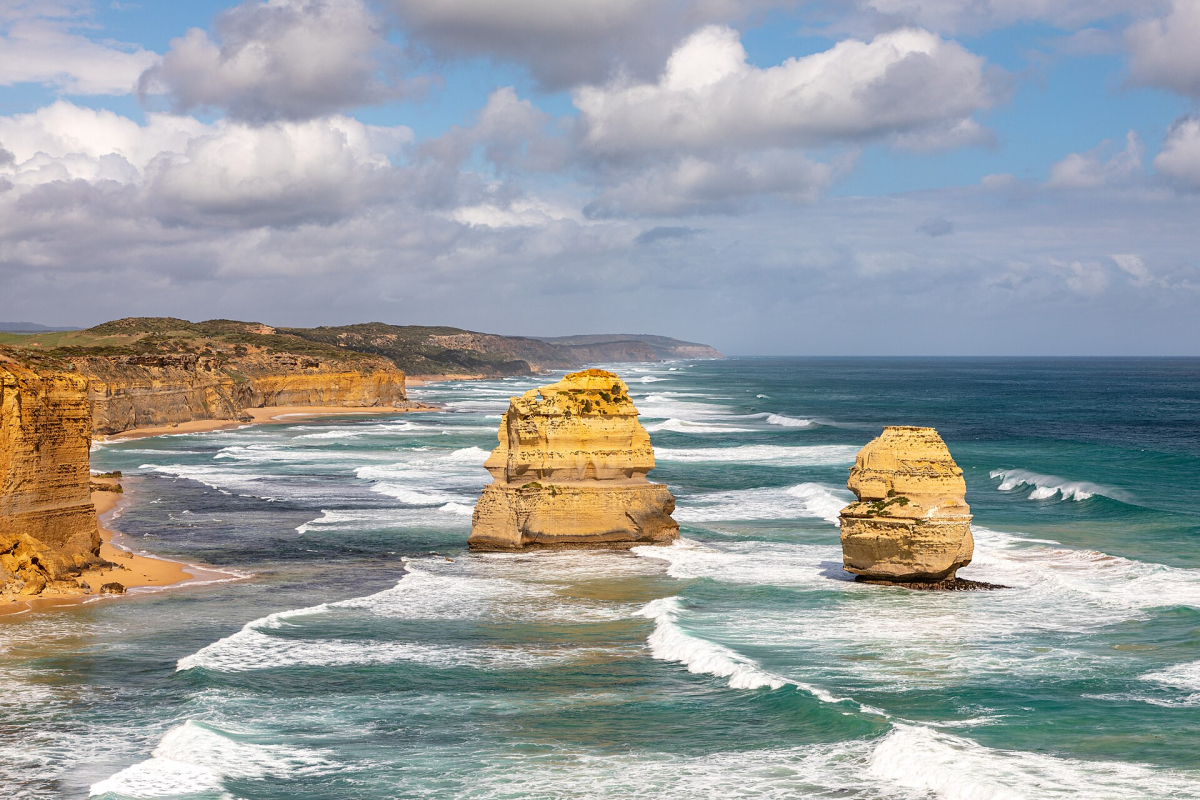
If southern landscapes are the priority, compare six nights in Victoria with seven in Tasmania instead. Spend the first three nights in Melbourne for galleries, markets and neighbourhoods. Use the next three for a Great Ocean Road excursion with overnight stops, returning to the appropriate departure point in time for a flight. Choose fewer coastal stops if your arrival day is late.
In Tasmania, decide between a southern-and-east-coast journey and a broader circuit. Hobart, the east coast and Freycinet can form a coherent route without promising every major park. A loop that also includes Cradle Mountain and Launceston needs shorter city time or a longer overall stay. Do not make alpine walking the only purpose of a day that has no weather alternative.
This is a regional alternative, not an add-on to the Sydney-and-reef fortnight. Compare the likely conditions for your dates and the type of activity you prefer. The Best Time to Visit guide explains why a southern walking trip and a northern tropical holiday should not use one generic national weather rule.
Twenty-one days: east coast with the Red Centre
One workable structure is six Sydney nights, five in Melbourne and its surrounding region, three near Uluṟu–Kata Tjuṯa, and six in tropical Queensland. The order must be tested against actual flight options; a neat sequence on paper may require an additional connection or an overnight gateway stay. If so, remove a stop or reallocate nights rather than assuming airport time disappears.
Days 1–6 follow a compact Sydney introduction. Days 7–11 introduce Melbourne, with one major regional excursion rather than several long drives from the same hotel. Day 12 is a transfer into the Red Centre. Keep Days 13–14 for cultural learning, designated viewpoints and suitable walks, following current heat and access advice. The experience is not dependent on climbing Uluṟu, which is closed to climbing.
Use Day 15 as the onward transfer day. Days 16–20 give space for reef and rainforest activities and a flexible final day. Day 21 is departure or a positioning journey, depending on the itinerary. This route is appropriate only when the regional seasons, available connections and your tolerance for several flights fit together. A slower two-region holiday can be the better choice for families, photographers or anyone wanting less luggage handling.
Swipe horizontally if needed to compare all columns.
| Day | Main task / transfer | Overnight base |
|---|---|---|
| 1 | Arrival and recovery | Sydney |
| 2 | Region-specific day with no accommodation change | Sydney |
| 3 | Region-specific day with no accommodation change | Sydney |
| 4 | Region-specific day with no accommodation change | Sydney |
| 5 | Region-specific day with no accommodation change | Sydney |
| 6 | Region-specific day with no accommodation change | Sydney |
| 7 | Transfer to Melbourne | Melbourne / Victoria |
| 8 | Region-specific day with no accommodation change | Melbourne / Victoria |
| 9 | Region-specific day with no accommodation change | Melbourne / Victoria |
| 10 | Region-specific day with no accommodation change | Melbourne / Victoria |
| 11 | Region-specific day with no accommodation change | Melbourne / Victoria |
| 12 | Transfer to the correct Red Centre gateway | Uluṟu area |
| 13 | Cultural learning and a suitable park visit | Uluṟu area |
| 14 | Designated viewpoints / appropriate walk | Uluṟu area |
| 15 | Transfer to tropical Queensland | Tropical Queensland |
| 16 | Reef experience if conditions fit | Tropical Queensland |
| 17 | Flexible weather alternative | Tropical Queensland |
| 18 | Rainforest visit with access checked | Tropical Queensland |
| 19 | Local or cultural activity | Tropical Queensland |
| 20 | Flexible final day | Tropical Queensland |
| 21 | Departure or protected onward plan | No overnight in this example |
Twenty-eight days: deepen the trip rather than add every region
Four weeks can support the twenty-one-day structure plus a substantial extra region, or it can make the original route more comfortable. Before adding Western Australia or Tasmania, compare the time and cost of reaching it with what seven additional nights would contribute to the places already chosen. A longer stay should increase usable time, not simply the number of airports visited.
A focused western alternative uses Perth and the southwest for roughly two weeks, followed by a separately planned northern component if the season and flights support it. Another option combines a southeastern mainland route with a full Tasmanian circuit. Both avoid pretending that crossing the continent is a small adjustment. Choose an international arrival and departure arrangement that reduces avoidable backtracking.
For a month-long trip, laundry, groceries, rest and budget review become practical itinerary elements. An apartment stay or several consecutive nights in one base can be valuable between more active sections. Use Longer Stays & Costs for the accommodation and recurring-cost questions, rather than multiplying a short holiday’s daily budget by thirty without adjustment.
Swipe horizontally if needed to compare all columns.
| Day | Main task / transfer | Overnight base |
|---|---|---|
| 1 | Arrive and recover | Sydney |
| 2 | Choose a regional activity and keep a weather alternative | Sydney |
| 3 | Choose a regional activity and keep a weather alternative | Sydney |
| 4 | Choose a regional activity and keep a weather alternative | Sydney |
| 5 | Choose a regional activity and keep a weather alternative | Sydney |
| 6 | Choose a regional activity and keep a weather alternative | Sydney |
| 7 | Choose a regional activity and keep a weather alternative | Sydney |
| 8 | Transfer to Melbourne | Melbourne / Victorian coast |
| 9 | Choose a regional activity and keep a weather alternative | Melbourne / Victorian coast |
| 10 | Choose a regional activity and keep a weather alternative | Melbourne / Victorian coast |
| 11 | Begin a realistic overnight coastal section | Melbourne / Victorian coast |
| 12 | Choose a regional activity and keep a weather alternative | Melbourne / Victorian coast |
| 13 | Finish Victorian section; prepare flight | Melbourne / Victorian coast |
| 14 | Fly to Tasmania; collect appropriate transport | Hobart / southern Tasmania |
| 15 | Choose a regional activity and keep a weather alternative | Hobart / southern Tasmania |
| 16 | Choose a regional activity and keep a weather alternative | Hobart / southern Tasmania |
| 17 | Choose a regional activity and keep a weather alternative | Hobart / southern Tasmania |
| 18 | Transfer to the east coast | East-coast Tasmania |
| 19 | Choose a regional activity and keep a weather alternative | East-coast Tasmania |
| 20 | Choose a regional activity and keep a weather alternative | East-coast Tasmania |
| 21 | Choose a regional activity and keep a weather alternative | East-coast Tasmania |
| 22 | Transfer to the highland region; allow daylight | Cradle Mountain region |
| 23 | Choose a regional activity and keep a weather alternative | Cradle Mountain region |
| 24 | Choose a regional activity and keep a weather alternative | Cradle Mountain region |
| 25 | Transfer towards Launceston | Launceston area |
| 26 | Choose a regional activity and keep a weather alternative | Launceston area |
| 27 | Position to the actual international gateway | International gateway city |
| 28 | International departure | No overnight in this example |
Day trips: choose a complete excursion
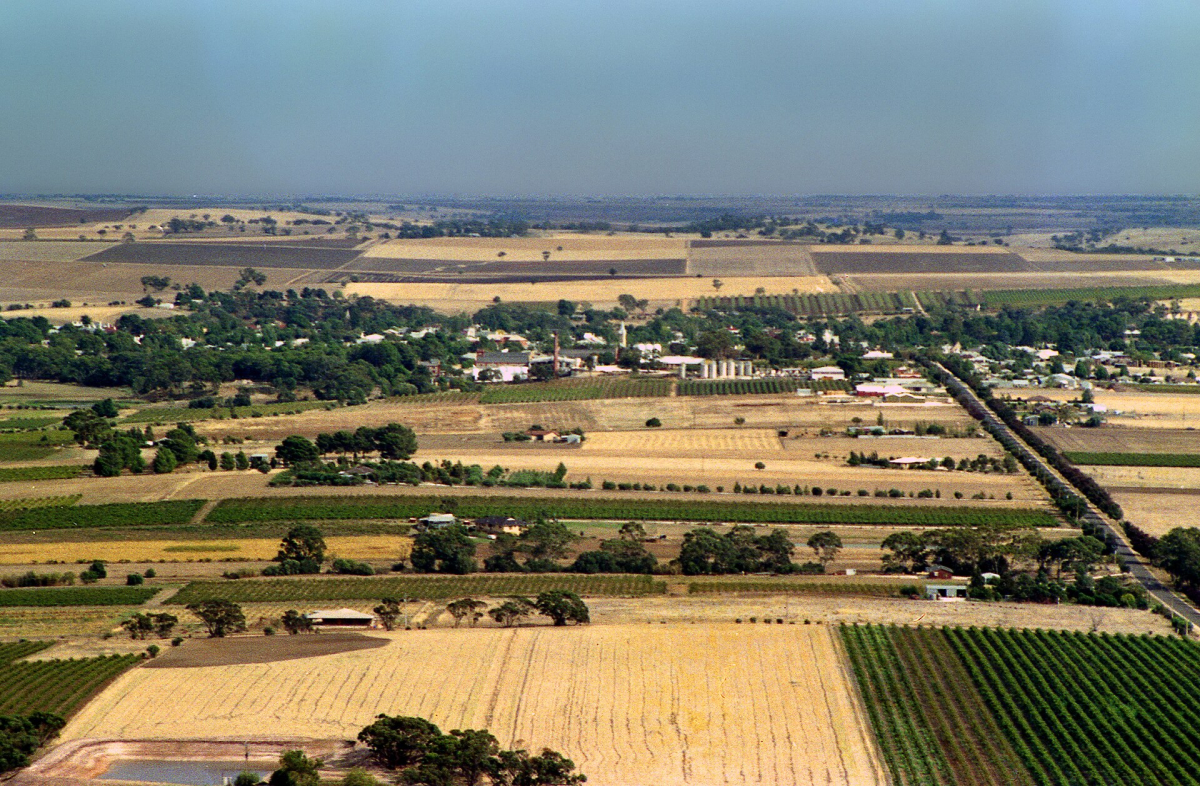
An excursion should have a clear departure point, realistic time at the destination and a return plan. The Blue Mountains from Sydney, a regional gallery or wine area from Melbourne, and a nearby coastal outing from Perth or a wine-region day from Adelaide can each be useful when the transport fits. They are examples to investigate, not guarantees that every interest can be reached on a particular day without a car.
Check whether the activity is a guided tour, a public-transport journey or a self-drive day. Compare the whole door-to-door time, not the advertised time at the destination. Include meals, queues, walking and the last practical return connection. If a route requires several independent connections, leaving one part unbooked can be more useful than committing to an unrealistic combination.
For a long coastal or island excursion, an overnight stop can provide a more satisfying visit. The Great Ocean Road is a landscape journey rather than a single viewpoint beside Melbourne. A reef-island arrival may need a separate transfer. Use the geography in Map & Regions to decide when a “day trip” is really another regional component.
Build the transfer days and backup plan first
For each move, record checkout time, travel to the station or airport, baggage requirements, the main journey, onward transport and check-in arrangements. Then check whether an activity still fits that day. Independent tickets and different suppliers may not protect one another when a delay occurs. Ask the relevant providers what happens before assuming a connection is guaranteed.
Keep weather-dependent activities early enough in the stay that a change could be possible, while recognising that another departure may be full. Save confirmations, addresses and contact details offline. If the forecast or a closure removes an activity, replace it with a genuinely different local option rather than driving farther into the same adverse conditions.
Frequently Asked Questions
Can I see Sydney, Melbourne, Uluṟu and the reef in two weeks?
It may be physically possible with suitable flights, but it leaves limited time and flexibility. Compare the twenty-one-day structure or remove one region from the fortnight.
Should I drive the entire east coast?
Only if the road journey is itself a priority and you have enough nights for intermediate stops. Flying between selected bases can suit a shorter holiday better.
Are these itineraries confirmed packages?
No. They are editorial route examples. Check dates, transport, access, accommodation and activity availability before booking any route.
How should I shorten an itinerary?
Remove a region or a transfer first. Cutting every stay by one night often leaves all the travel effort while reducing the time you actually enjoy each place.



