
AUSTRALIA TRAVEL GUIDE
Getting Around Australia: Flights, Trains, Cars & Local Transport
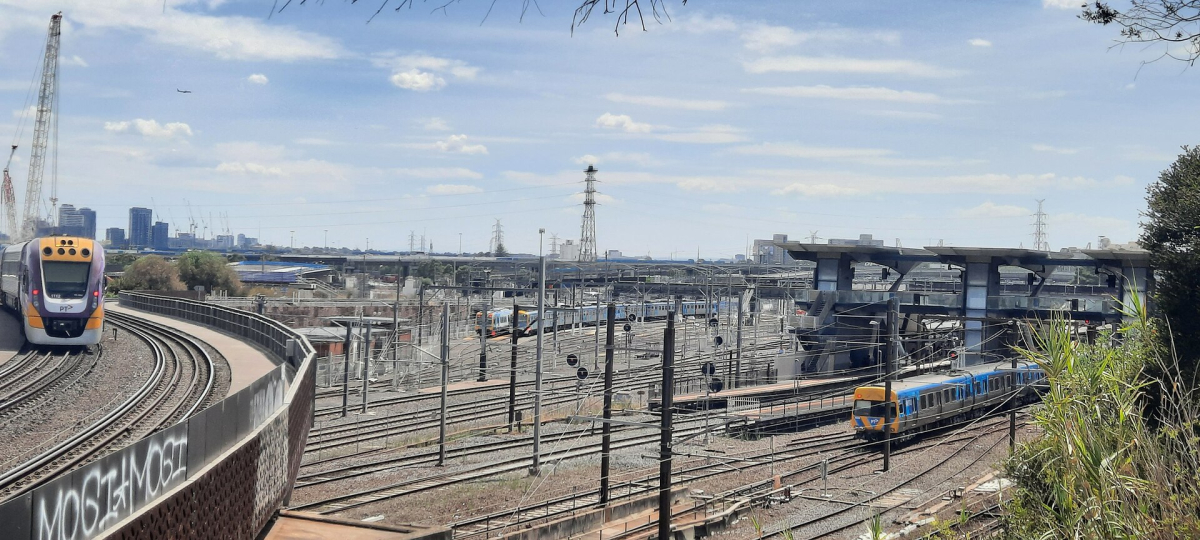
Getting around Australia is a sequence of transport choices, not a single nationwide solution. Flights connect distant regions, trains and coaches serve particular corridors, and a car can make a regional journey practical. Within cities, walking and public transport may be more useful than keeping a vehicle. Choose the mode for each part of the route.
Compare complete door-to-door journeys. An advertised flight duration excludes the airport transfer and check-in; a road distance excludes stops and delays; a rail journey still needs a final connection to the accommodation. The Airports & Transfers guide deals with arrival and terminal questions separately.
Domestic flights: use them to protect time
Flying can be the sensible choice when the holiday combines distant regions. Sydney to tropical Queensland, a mainland-to-Tasmania journey or an east-to-west connection should be compared with the amount of usable time left in the itinerary. A flight can make a regional combination possible without pretending that the transfer is a sightseeing day.
Compare the same baggage and flexibility in each fare. Checked luggage, cabin limits, equipment and seat choices can change the total. Confirm the airport and terminal, especially when a search result uses a broad city name. An arrival at a secondary airport may require a different ground journey from the one you had in mind.
Leave room for disruption when flights connect to independent bookings. A separate domestic ticket, a boat transfer and a hotel reservation may each have different change conditions. Ask who is responsible if a delay breaks the sequence. For an important final international departure, an earlier positioning journey or an overnight gateway stay can improve the plan’s resilience.
Swipe horizontally if needed to compare all columns.
| Mode | Often useful when | Include in the comparison |
|---|---|---|
| Domestic flight | Regions are far apart | Bags, airports and both ground transfers |
| Train | The actual corridor and timetable fit | Stations, final connection and luggage |
| Coach | A suitable regional service exists | Stop location, frequency and onward transport |
| Rental vehicle | Regional access adds value | Permitted roads, fuel, parking and return fee |
| Ferry | A specific crossing serves the route | Terminal, check-in, vehicle permission and weather |
Intercity trains: choose a corridor, not a fantasy network
Rail travel can be part of the experience when the actual route and timetable fit. It is not a substitute for checking geography. Some journeys are conventional intercity transport, while others are tourism-focused long-distance products with different fares, booking patterns and inclusions. Compare them according to the journey you want rather than the shared word “train.”
For southeastern routes, investigate the relevant state and operator services between your actual stations. Check operating days, arrival times, luggage conditions and any replacement transport. An overnight arrival can affect hotel access and the next day’s energy. A comfortable rail journey can still be impractical if the final station is poorly placed for the accommodation.
Book the product that actually exists for your dates. Do not infer a through ticket from two lines shown on a map, and do not assume a state transport pass covers a separate long-distance service. If rail is a central interest, build the itinerary around the confirmed timetable. If it is simply a transfer, compare the full journey with a flight or coach.
Coaches and regional connections
Coaches can be useful on selected intercity and regional routes, particularly when a traveller does not want to drive. Compare the actual stop location, frequency, luggage allowance and arrival time. A service described as reaching a town may stop away from your accommodation or the park entrance, leaving a final transfer to arrange.
Check the interval before an onward connection. A route with one service a day needs a different contingency from a frequent city bus. Ask how a missed connection is handled and whether the tickets form one protected journey. Keep the operator’s contact details and the correct pickup instructions offline.
For a remote attraction, a guided excursion may be more practical than assembling several independent connections. Compare what the tour includes and how much time remains at the destination. The useful question is whether the format supports the experience you want, not whether independent travel is automatically better or cheaper.
Car hire: match the vehicle to the real road
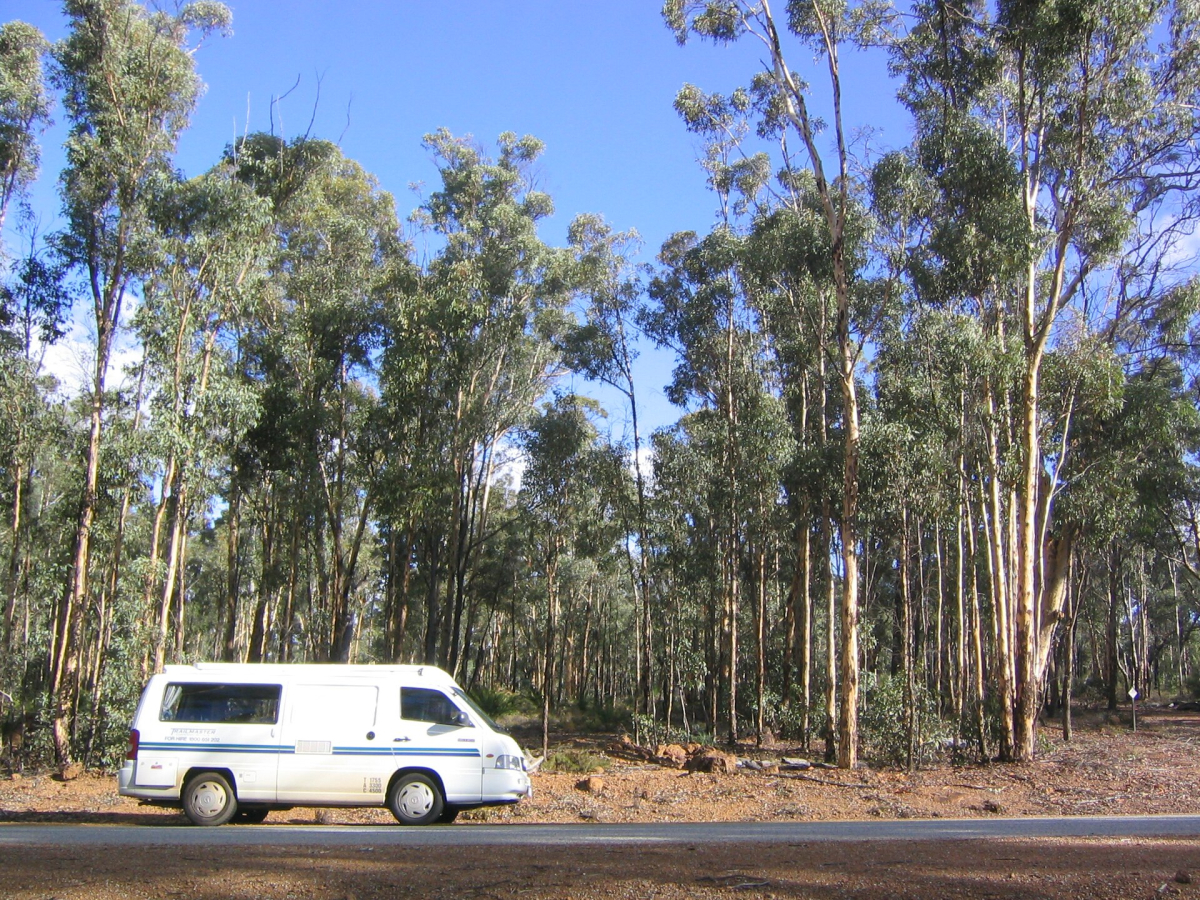
Hire a car for the regional section where it adds value. A city stay followed by a coastal drive may work better with a later pickup, reducing parking and unused hire days. Compare the pickup location, opening hours and return arrangement with your accommodation and departure flight. An airport branch and a city branch may have different terms or availability.
Check driver eligibility, licence and translation requirements with the rental company and the relevant state or territory authority. Confirm the permitted roads and regions, distance conditions, insurance and excess, additional drivers and what happens after a breakdown. A vehicle’s appearance does not establish that the contract permits an unsealed or remote road.
Include tolls, fuel, parking and any one-way return charge in the comparison. Ask how the supplier handles toll billing and late returns. Photograph the vehicle’s condition through the supplier’s normal process and retain the agreement. A low daily rate is only one part of the commitment you make when collecting the keys.
Road-trip pacing and remote preparation
Australia drives on the left. Allow time to become comfortable with the road environment, especially after a long international flight. A first day spent recovering near the arrival city can be more useful than immediately beginning a demanding regional drive. Choose stopping points and accommodation that allow travel in suitable daylight rather than pushing towards a fixed mileage target.
Remote journeys require a route-specific plan for fuel, water, communications, road access and assistance. Check current information with the relevant road authority and local operators. A navigation app’s estimated arrival time is not evidence that the road is open, suitable for your vehicle or covered by the rental agreement. Do not drive into floodwater or around closures.
Wildlife, fatigue and changing weather can affect ordinary regional roads as well as remote tracks. Build regular breaks into the day and shorten the route when conditions demand it. If the purpose is photography or walking, leave time for that activity instead of planning a full driving day plus several long stops. Health & Safety covers the wider contingency questions.
Ferries, islands and crossings

A ferry can be urban transport, an island transfer or a major part of a regional journey. Sydney’s harbour ferries and a Bass Strait crossing are very different products. Check the exact terminal, check-in requirement, baggage conditions and whether the ticket includes a vehicle or only a passenger. A map line does not establish an operating service.
For island accommodation, confirm how the last transfer connects with your arrival flight. Ask what happens if the flight is delayed or marine conditions interrupt the service. A resort transfer may have different terms from a public ferry. Include the cost and travel time in the total stay rather than treating the island room as the only booking.
Do not assume a rental car can be taken on a ferry. The supplier’s contract and the ferry operator’s requirements both matter. Compare the cost of taking the vehicle with collecting one after arrival, including the time required for each option. Retain a clear final-night and departure plan if the route depends on a weather-sensitive crossing.
City transport: use the local system
Sydney, Melbourne, Brisbane and Perth have different transport systems and ticketing arrangements. Use the relevant official journey planner for the route and date. Check airport access, regional boundaries, concessions and the way a card or device is used rather than assuming the rules from the previous city apply unchanged.
Plan the final stage from the stop to the accommodation or venue. Hills, steps, uneven surfaces and late-night service patterns can matter more than the number of stops. For access needs, confirm the actual station, wharf, vehicle and assistance arrangement. A generally accessible network does not establish that every possible journey works in the same way.
Keep a practical backup for an evening return or a disrupted service. Save the address in a usable format and check the designated taxi or rideshare pickup area. A central base can simplify the trip and reduce the need for a vehicle, but its value depends on the journeys you will actually make.
Frequently Asked Questions
Do I need one rental car for the entire holiday?
Not necessarily. Many city stays work well without a car, while regional sections benefit from one. Compare separate hire periods with the complete route.
Is driving cheaper than flying?
Compare fuel, hire, accommodation en route, parking and time with the complete flight and transfer cost. The answer depends on distance and the number of travellers.
Can I take any rental car on an unsealed road?
No assumption is safe. Check the actual contract, vehicle suitability and current road conditions before committing to the route.
Are transport tickets interchangeable between cities?
Check each local system and product. Ticketing, airport conditions, concessions and regional coverage can differ.



