
AUSTRALIA TRAVEL GUIDE
Things to Do in Australia: Experiences Worth Planning Around
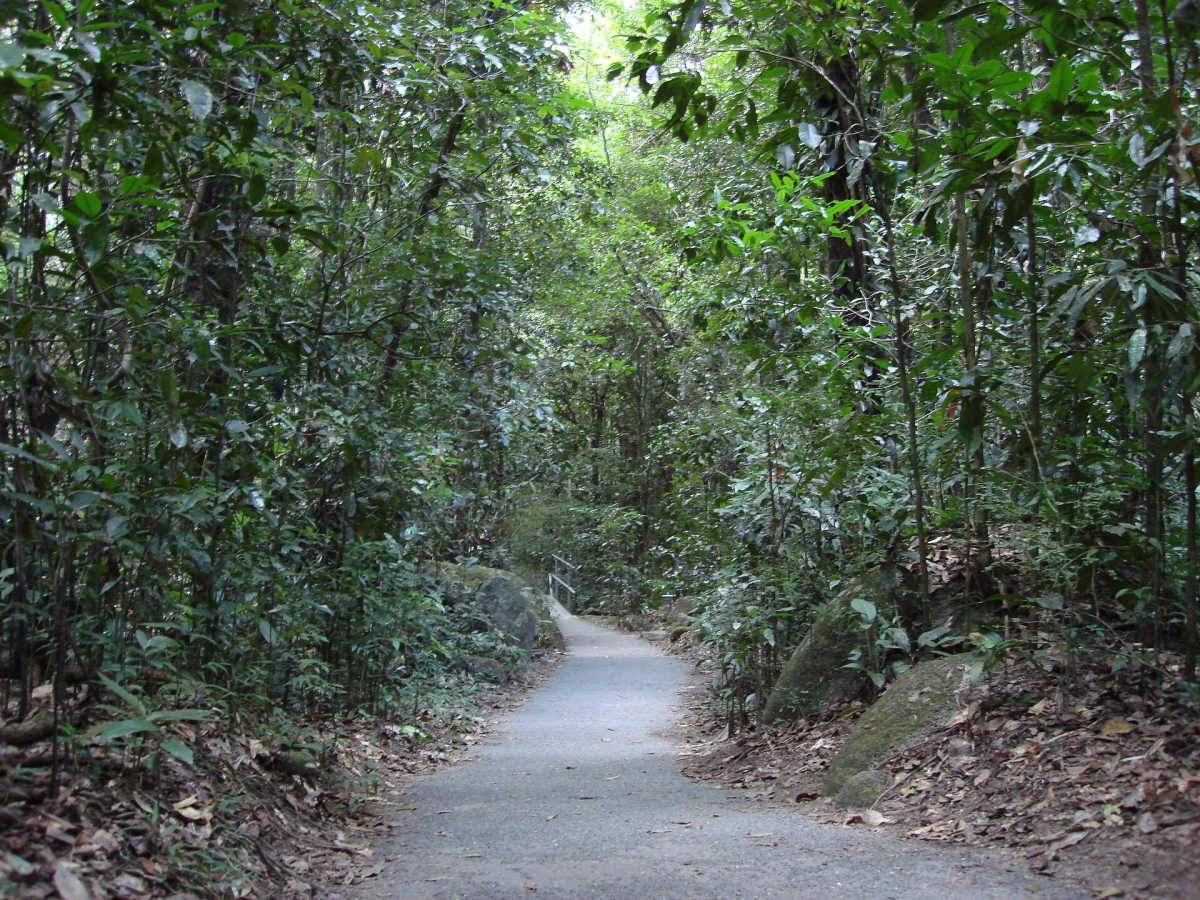
The most useful question is not how many things there are to do in Australia, but which experiences deserve space in your route. A reef trip, cultural encounter, coastal walk and regional food day have different practical requirements. Choose a handful that matter to you, then plan the time, base and preparation they need.
This guide compares experience types. The Attractions guide covers named places and landscapes, while Itineraries puts destinations into a sequence. The distinctions help you make decisions without reading the same national highlights list three times.
Choose a reef experience that suits you
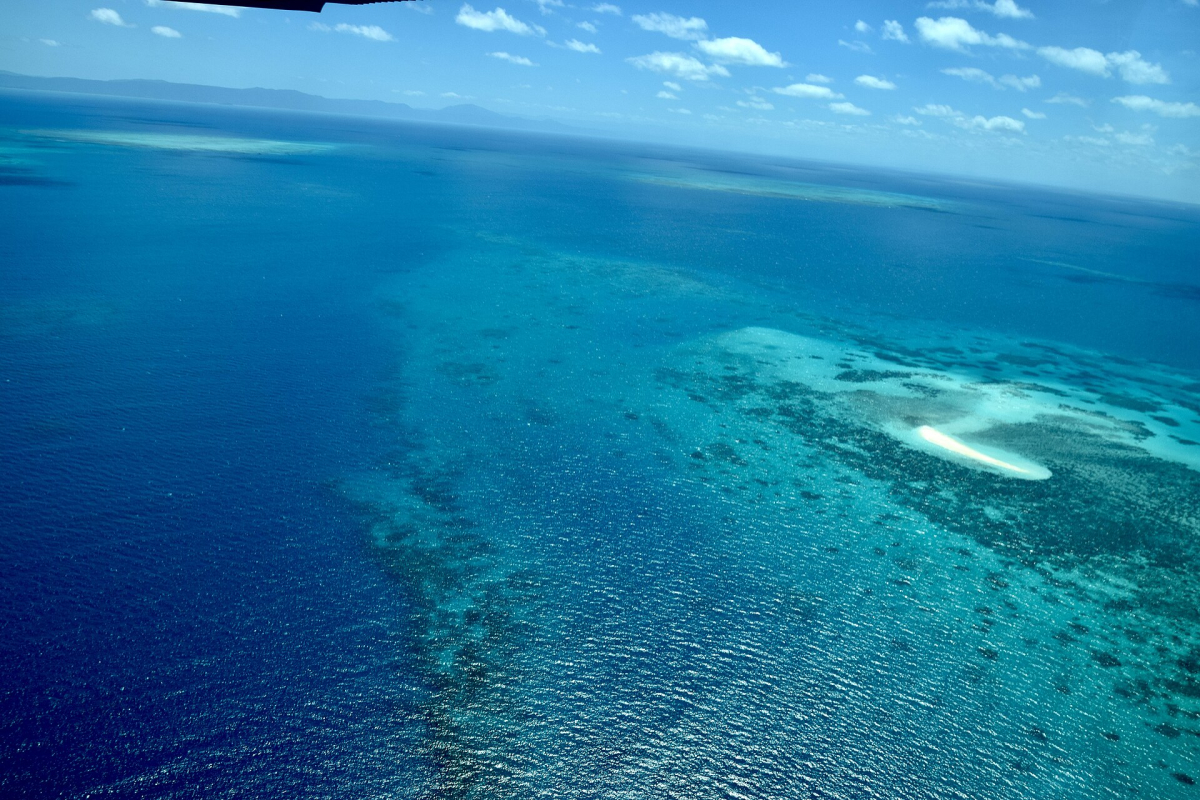
A reef day can mean a long boat journey with snorkelling, an introductory dive subject to eligibility, an island-based visit or an experience with little time in the water. Begin with swimming confidence, motion sensitivity, mobility and the amount of travel you are comfortable with. Those questions matter more than a promotional photograph of clear water.
Compare the actual departure point, time aboard, supervision, equipment, meals and pickup arrangements. Ask whether different activities are optional and what restrictions apply. Diving requires separate medical and operator checks; do not assume a ticket guarantees participation. A visitor who wants to observe marine life without diving should choose a product designed for that purpose.
Keep the reef day early enough in the stay to allow a possible change, while checking the cancellation policy and availability of alternatives. Weather-related flexibility is useful only when a suitable departure is actually operating. Leave room for a land-based interest rather than treating every spare day as an interchangeable second reef booking.
Explore culture through museums and locally led experiences
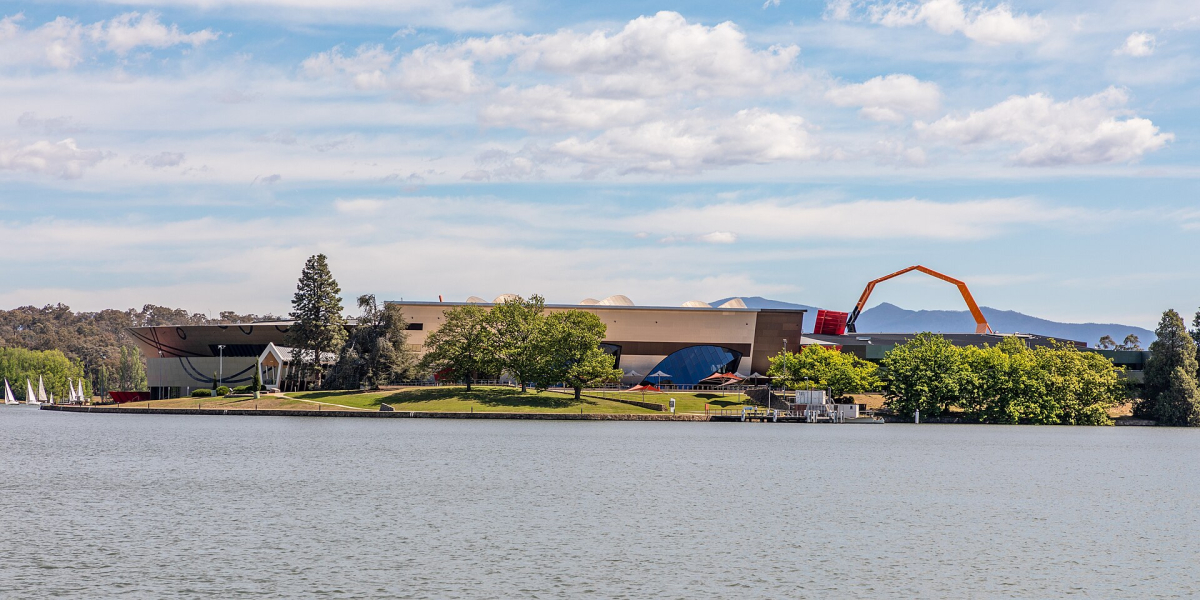
A museum can provide a focused introduction to history, art or a particular city, while a locally led experience offers a different relationship to place. Compare the subject, location and current programme rather than treating all cultural visits as interchangeable. Australia’s First Nations cultures are diverse, living and connected to particular Countries. A guided experience can offer a way to listen and learn in the right local context. Look for an operator’s own description of who leads the experience, its connection to Country and the permissions relevant to the activity. A broad cultural label alone does not establish those details.
Compare the format: a walking conversation, art-centre visit, food-related experience or a different locally offered activity. Ask about physical demands, group size, meeting point and photography. Some knowledge, places or images may have restrictions. Respect an instruction not to photograph or record rather than treating it as an obstacle to obtaining a souvenir.
The History & Culture guide provides background, and Responsible Travel addresses practical visitor choices. Do not expect one tour to explain every Australian community. The value lies in the specific knowledge and place that the hosts choose to share.
Walk a coast with a clear start and finish
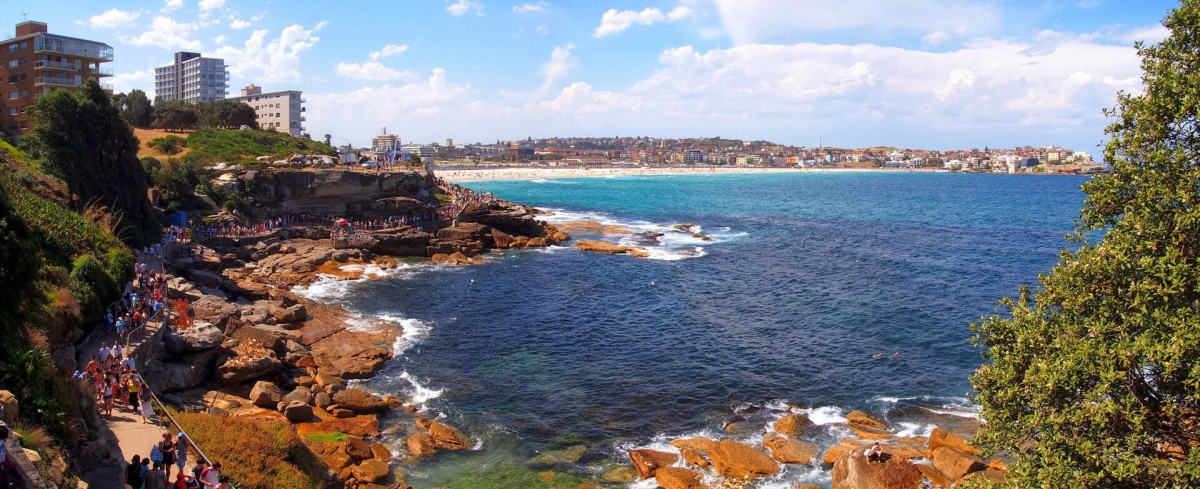
Coastal walking offers a different view of city and regional Australia, but the practical route matters. In Sydney, a harbour or ocean-side walk can be combined with public transport; in regional areas, the finish may be far from a convenient service. Decide the length, terrain and return journey before leaving the accommodation.
Compare steps, surface, exposure and available facilities rather than judging difficulty from distance alone. A short coastal section may be steep or unsuitable for a wheelchair, while a longer paved foreshore can be more manageable for some visitors. Check current local guidance and the abilities of everyone in the group. Carry appropriate water, sun protection and a way to contact help.
A walk does not automatically include swimming. Choose a beach separately according to patrols, flags and current advice. If the weather changes, turn back or shorten the plan rather than pushing towards an itinerary target. Beaches and Walking & National Parks cover those decisions in more detail.
Watch wildlife without arranging an encounter

Wildlife observation is different from an attraction guaranteeing an animal at a particular time. A koala may be high in a tree, a kangaroo may move away and marine wildlife may not appear on a boat trip. Choose an experience that remains worthwhile when observation is distant or brief, and ask operators how they manage animal welfare.
Use distance and a suitable lens rather than approaching, feeding or handling wildlife. Do not block an animal’s movement or surround it for photographs. A roadside sighting requires safe, lawful stopping before anyone reaches for a camera. Follow local advice on roads and trails, especially where wildlife and vehicles share space.
Sanctuaries, guided wildlife visits and independent observation have different purposes and conditions. Check the operator’s current practices rather than assuming every business with a conservation claim follows the same standards. The wild koala photography guide focuses on observation and composition without promising a sighting.
Explore a city through ferries, markets and galleries
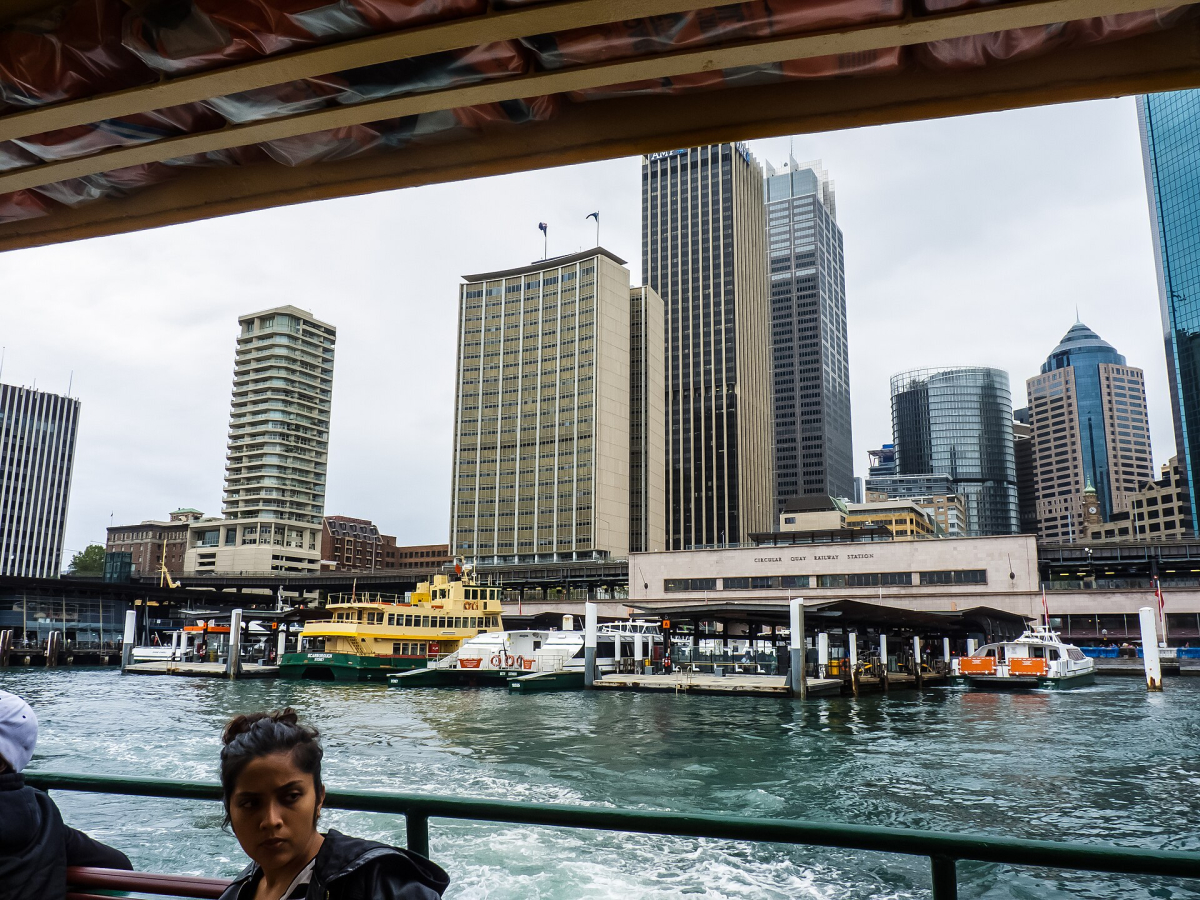
A public ferry can be both useful transport and a way to understand Sydney’s harbour geography. Check the actual route and sailing time rather than choosing a boat solely for its appearance. Keep circulation areas clear, follow crew instructions and avoid assuming every vessel or wharf has the same accessibility features.
Markets offer another kind of city experience. Compare whether you want ingredients, prepared food, design stalls or a neighbourhood atmosphere. Melbourne’s Queen Victoria Market, Adelaide’s Central Market and Sydney’s Rocks area serve different interests. Check the particular market’s operating days and programme before building a visit around a name from an old guide.
Pair a market or neighbourhood walk with a gallery or museum rather than scheduling a long cross-city transfer for every hour. The History & Culture guide explains how to choose institutions by interest. A free general collection and a separately ticketed exhibition may require different bookings, so verify the actual programme.
Build a food or wine day around transport
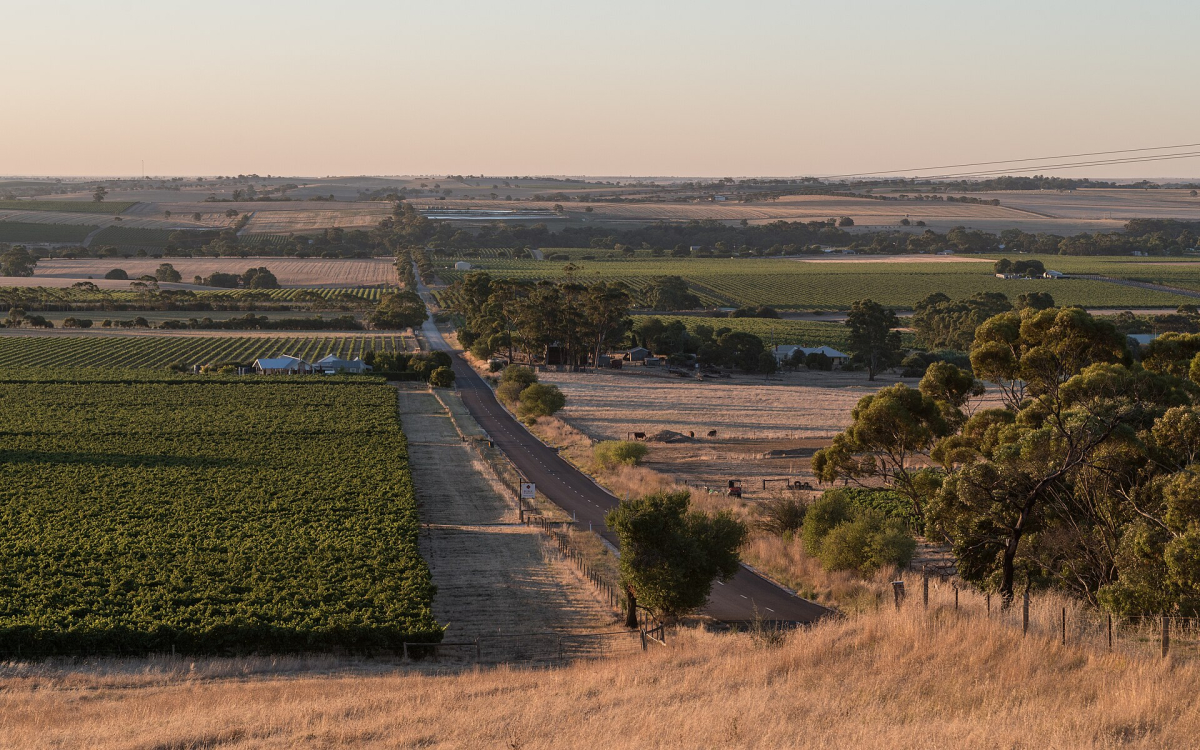
Regional food and wine experiences work best when the transport and meal reservations form a complete day. Compare a guided group, a private driver and a self-drive route with a designated non-drinking driver. A vineyard list is not an itinerary: locations, booking times and the amount of time at each stop determine what is practical.
The Barossa, Margaret River and regions around southeastern cities have different geographic settings. Choose one that fits the rest of the trip, rather than flying across the country solely to reproduce a similar tasting day. Ask whether a tasting, meal or behind-the-scenes activity is included and whether dietary requirements can be accommodated.
A city alternative can be equally useful: a market visit, a food-focused neighbourhood walk or a cooking activity with a clear local connection. The Food & Drink guide covers what to try and how to order, while this page focuses on selecting the experience format and the time it deserves.
Family travel: plan around the whole day
For families, compare the energy required before and after the main activity. A seemingly short boat trip may follow an early pickup and a long transfer. A wildlife visit may have limited shade or food choices. Check minimum ages, child-restraint arrangements, toilets, meal options and whether a pram can be used on the actual route.
Give children time to recover between major outings. Several consecutive nights in one base can be more valuable than an additional attraction reached through another flight. Mix booked activities with playgrounds, gardens or short walks appropriate to the weather. Confirm the exact facilities you rely on rather than assuming that a broad “family-friendly” label answers every question.
If adults have different interests, choose a base that supports an occasional split day without complicated transport. One group might visit a gallery while another takes a shorter outdoor outing. Keep meeting arrangements and contact methods clear. The best family itinerary is the one the group can enjoy together, not the longest list that can technically fit on paper.
Compare an activity before you pay
Record the date, meeting point, duration, transport, inclusions, physical demands and cancellation conditions. Check who operates the experience and who takes payment. A reseller’s title may be broader than the actual programme. Ask specific questions before booking if accessibility, dietary needs, swimming ability or language support is essential.
Avoid making an important activity dependent on an unprotected arrival connection. Give weather-sensitive experiences room in the itinerary and keep an alternative that uses different conditions. A well-chosen activity should contribute something distinct to the trip; booking several near-identical products does not necessarily create a richer holiday.
Frequently Asked Questions
Do I need to book every day in advance?
Reserve the experiences that define the trip or have limited availability. Keep some flexible time for weather, recovery and ordinary local exploration.
Can a non-swimmer enjoy the reef?
Investigate products designed for your needs and ask the operator specific questions. Do not assume that every reef departure provides the same non-swimming options.
Is wildlife viewing guaranteed?
Wild sightings cannot be guaranteed by a landscape photograph or a previous visitor’s experience. Choose an ethical activity that remains worthwhile without a close encounter.
How do I avoid an exhausting activity schedule?
Count pickups, transfers, preparation and recovery as part of each day. Remove a repetitive outing before cutting the time needed to enjoy the main experience.



