
AUSTRALIA TRAVEL GUIDE
Where to Stay in Australia: Cities, Regions & Holiday Bases
The best place to stay in Australia depends first on your route and daily plans. A city centre, surf suburb, reef departure town and national-park base solve different problems. Choose the region and the kind of day you want before comparing named properties. A cheaper room is not necessarily better value if it adds a long transfer to every activity.
This guide compares bases and accommodation types. The Hotels guide addresses named properties, room categories and booking conditions separately. Use both stages: first choose where to be, then check whether the actual room supports your party, arrival time and budget.
Sydney: harbour convenience or a beach neighbourhood
For a first Sydney stay built around ferries, landmarks and city interests, compare central areas with useful access to the harbour and public transport. Circular Quay and The Rocks are especially relevant to a harbour-focused itinerary, while other central locations may provide a different balance of price, transport and evening options. Check the specific street and journey rather than relying on the broad label “CBD.”
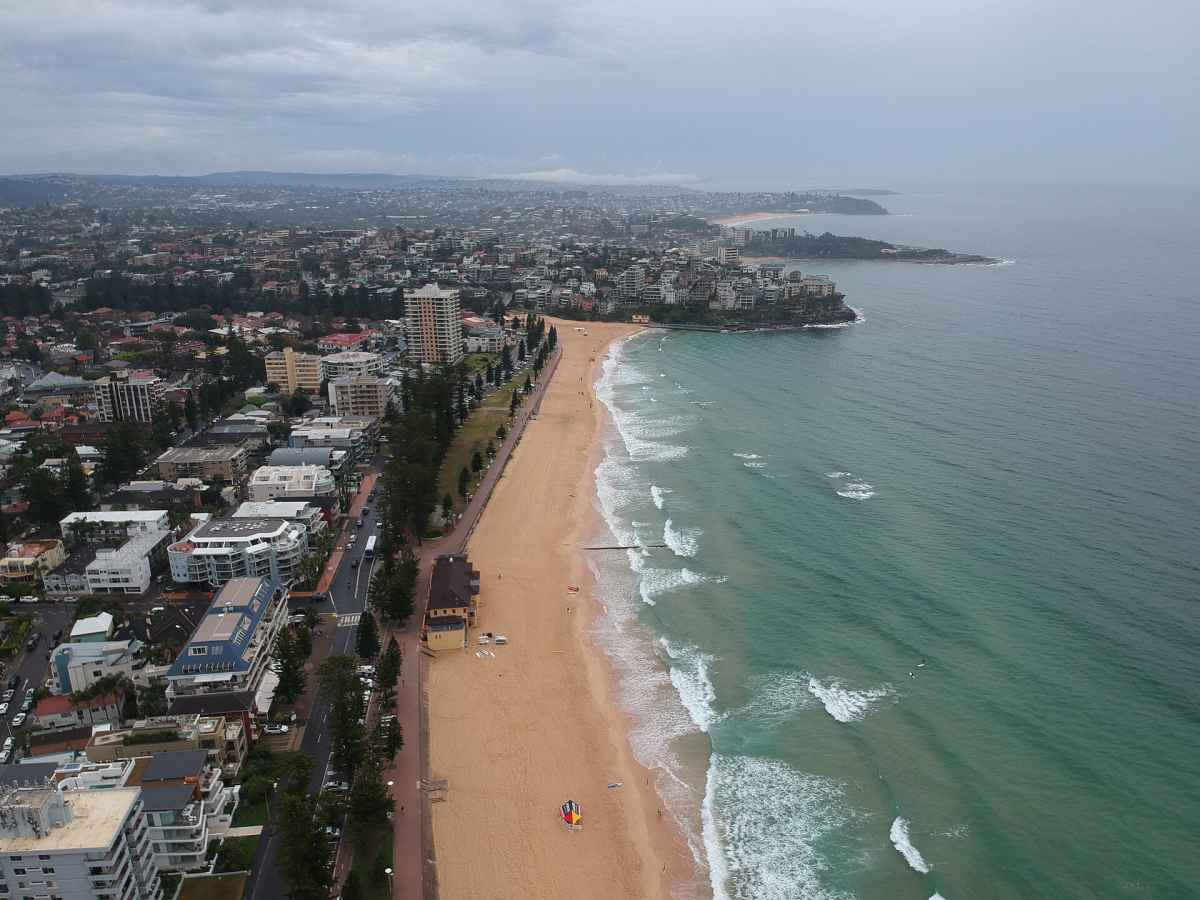
A beach neighbourhood can suit travellers wanting a coastal routine, but it changes the journey to city museums, early departures and the airport. Manly involves a harbour crossing for many city trips; an ocean-side base elsewhere may rely on a bus or a combination of services. Choose it because the beach is central to the holiday, not because every Sydney attraction appears close on a small map.
For one or two nights before an early flight, an airport-area hotel may be useful. Confirm the correct terminal, transport method, first transfer time and any charge. “Near the airport” does not mean inside the terminal or connected by a simple covered walk. The airport guide explains why that distinction matters.
Melbourne: city culture, neighbourhood life or a coastal extension

A central Melbourne base can support galleries, theatres, restaurants and day-to-day exploration without keeping a car throughout the stay. Compare the location with the places you will actually visit, including evening return journeys. A property near one theatre or market may be less convenient for another part of the itinerary; transport access is more useful than a generic central address.
Neighbourhood stays can offer a different pace, with cafes, shops and local streets becoming part of the experience. Check the last stage from the tram or station to the accommodation, especially with luggage or access needs. A heritage building or apartment may have different entrance and lift arrangements from a purpose-built hotel.
For the Great Ocean Road, compare an overnight coastal base with a long return journey to Melbourne. An additional regional night can provide time for viewpoints and smaller towns without making every stop a race. Pick up a car when you begin the driving section if that reduces city parking and unnecessary hire days.
Cairns, Port Douglas and island stays
Choose a tropical Queensland base around the actual experiences you have selected. Cairns can suit travellers wanting a range of city services and departures, while Port Douglas offers a different scale and setting. The correct choice depends on your booked pickup points, transfer costs, dining preferences and how much time you want to spend at the accommodation.
An island stay creates another layer of transport and luggage planning. Check the transfer schedule, departure point, weather policy and what happens after a delayed arrival. Meals and activities may be arranged differently from a mainland hotel, so compare the total stay rather than the room rate alone. A beautiful beach view does not establish supervised swimming or reef access from shore.
Allow enough nights for weather-sensitive activities. Changing accommodation every day reduces the flexibility to move a reef outing or enjoy a quieter afternoon. A pool, nearby dining and a comfortable room can be useful between excursions, but ask about the exact facilities and any maintenance or access limitations that matter to your dates.
Brisbane and the southeast Queensland coast
Brisbane suits an urban stay built around riverfront areas, cultural institutions, dining and onward transport. Compare city locations with your actual destinations rather than assuming every riverside property is equally convenient. A bridge crossing, hill or long walk can affect the journey even when two places look close on a map.
The Gold Coast and Sunshine Coast are separate accommodation decisions. A beach-focused stay may be the right choice for a family or surf holiday but can create a long transfer to a Brisbane departure. Check the relevant airport and final-night plan. Do not book a coast base expecting it to function as a central Brisbane hotel.
For families, prioritise the full routine: suitable occupancy, food options, laundry, access to the beach or activity and realistic transport. A large apartment can be practical, but check bedding, cleaning terms and the kitchen rather than assuming all units have equivalent facilities. A lower weekly rate may be tied to different servicing or cancellation conditions.
Perth, Fremantle and the southwest
Perth’s central districts can support a city-focused stay, while Fremantle offers a different port-city setting and local rhythm. Choose between them according to the experiences and transport you want. Check the actual ferry departure point for an island outing; different operators and services may use different terminals and times.
For the southwest, an overnight regional base can be more useful than repeated long drives from Perth. Compare a town, a coastal location and a more isolated property according to restaurants, groceries, driving requirements and the activities you have reserved. A rural retreat can be attractive while requiring a vehicle for almost every errand.
Wine-region stays require a separate transport decision if tasting is part of the plan. Ask about tours, drivers and pickup zones rather than assuming a hotel offers an included transfer. Compare what you gain from a regional night with the practical demands of reaching the next airport or city at the end of the stay.
Adelaide, the Red Centre and the Top End
Adelaide can anchor an urban visit and selected regional excursions, while places such as Kangaroo Island or the Flinders Ranges need their own accommodation logic. A city hotel should not be used as a default for every landscape in South Australia. Check crossing arrangements, driving time and the value of spending a night in the region you want to explore.
In the Red Centre, choose the base according to the park and gateway. Alice Springs and the Uluṟu accommodation area serve different journeys. Transport, meals and the timing of activities become especially important when alternatives are limited. Compare the complete stay and transfer arrangement before reserving a non-refundable room.
Darwin is a gateway for the Top End rather than a substitute for accommodation near every park experience. A Kakadu visit may benefit from a regional overnight plan, subject to seasonal access and actual availability. Check the route and current operations rather than assuming a city base makes the whole region accessible within a comfortable day.
Tasmania: use nights to support the landscape
Hobart offers a useful urban base for the waterfront, cultural interests and selected southern excursions. Launceston serves a different part of the island. For a broader route, accommodation near the east coast or a highland park can reduce repeated driving and provide more flexibility for walking and weather.
Do not select a Tasmanian property solely by its distance from a famous viewpoint. Check the road route, park access arrangements, food availability and the time you expect to arrive. A short map distance through curving roads may be less convenient than it appears. Avoid scheduling a demanding walk followed by a long drive to an unfamiliar late check-in.
For colder or changeable weather, confirm heating, drying space and the room’s practical facilities. Self-catering can help in places with limited evening options, provided you arrive with supplies and understand local opening arrangements. Keep a weather alternative that does not require an equally exposed journey elsewhere.
Check the actual room before booking
Record the full occupancy, bedding, bathroom, access, meal and parking arrangements. Confirm essential details in writing, including connecting rooms, step-free access, arrival assistance or an accessible bathroom. A photograph of one room category cannot establish the features of the room you will receive.
Compare the total charge and cancellation conditions for the complete stay. A flexible rate may be valuable when an arrival or weather-dependent component is uncertain. For stays measured in weeks, use Longer Stays & Costs to evaluate housing terms and recurring expenses. Base choice and room choice work together, but they remain different planning decisions.
Swipe horizontally if needed to compare all columns.
| Base type | Useful for | Question to resolve |
|---|---|---|
| Central city | Transport, culture and evening choices | Final route to the actual hotel |
| Beach neighbourhood | A coastal routine | Travel to city interests and the airport |
| Regional town | Road trips and park access | Food, fuel and late arrival |
| Island | An island-focused stay | Transfer, luggage and weather policy |
| Airport area | A flight-night problem | Actual terminal journey and first transfer |
Frequently Asked Questions
Should I stay in one city for the whole holiday?
That can work for a focused regional visit. It is less useful when the main experiences require long repeated transfers. Compare usable time rather than the number of hotel changes alone.
Is Cairns or Port Douglas always better for the reef?
Neither is universally better. Compare the actual tour departure, transfer, accommodation and interests that shape your stay.
Is an airport hotel within walking distance of my terminal?
Do not assume so. Check the exact property, terminal, route, transfer hours and any charge, particularly for an early departure.
Should I book the cheapest room first?
Choose the right base and required room features first, then compare complete prices and conditions. A low room rate can conceal expensive daily journeys.



