
AUSTRALIA TRAVEL GUIDE
Australia Festivals & Events: Seasonal Planning & Booking
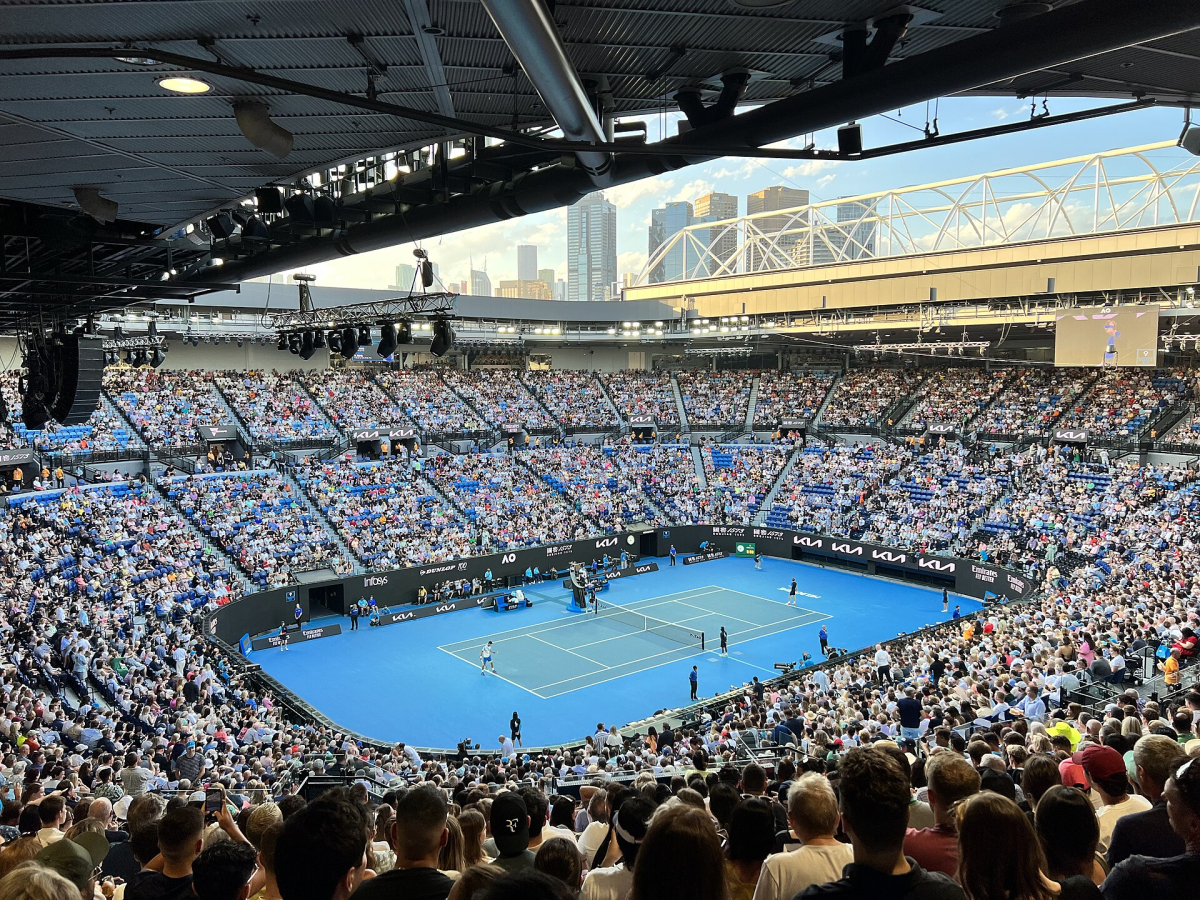
An Australian festival or sporting event can define a trip, but it should be planned through the actual edition and programme. Recurring event names are useful starting points, not guarantees of the same dates, venues, ticket arrangements or public access every year. Check the organiser before committing to flights or accommodation.
This guide explains how to choose an event and build a practical visit around it. The examples illustrate different kinds of travel decision. Photographs of past editions are historical scenes, not evidence of an announced future installation, performance or crowd arrangement. The Nightlife guide covers ordinary evenings outside a specific event calendar.
Vivid Sydney: choose the actual programme
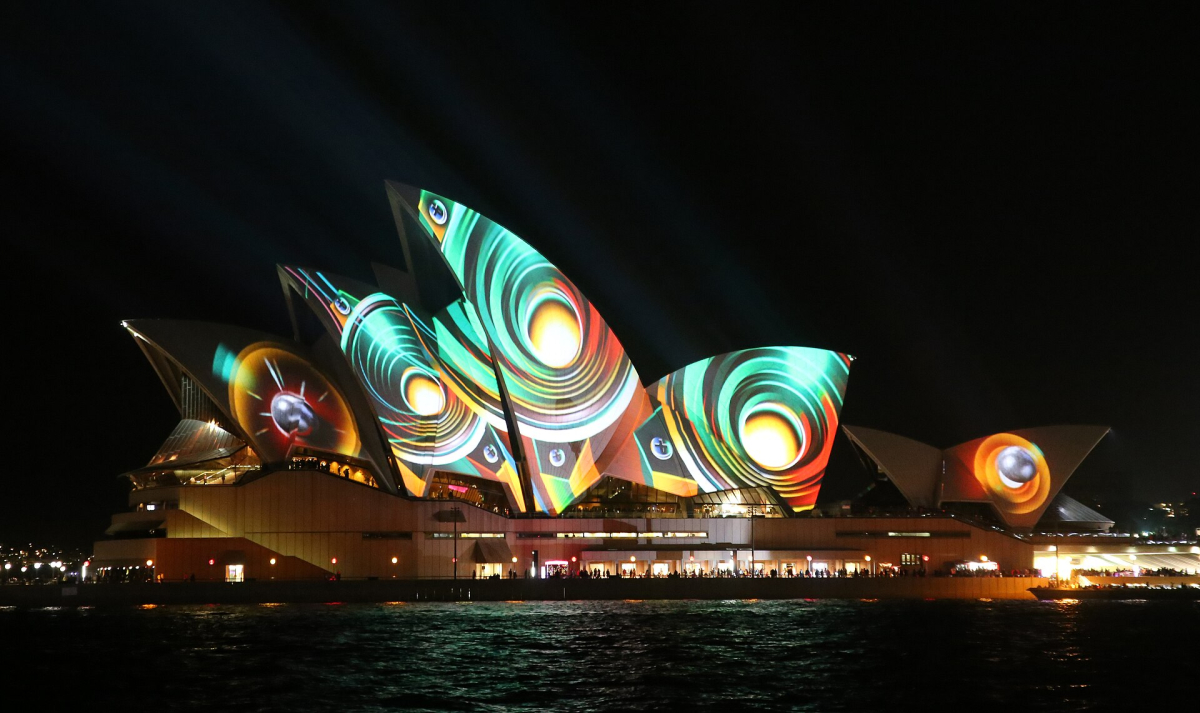
Vivid Sydney is a useful example of a citywide event where the name alone does not tell you what a particular evening involves. Light installations, performances, talks and other programmed elements can have different locations, times and admission arrangements. Start with the official programme and choose the parts you most want to experience.
Check walking routes, crowd management and the journey between sites. A waterfront photograph may show a location or installation from an earlier edition. Do not assume it will appear again, or that the same viewpoint will remain accessible. If photography is the priority, plan a lawful, considerate position that does not block circulation or interfere with event staff.
Use Vivid Sydney’s official website for the relevant edition. Compare the event dates with hotel conditions, evening transport and the morning after. A central base can be useful, but verify the actual route back rather than choosing a room solely because its marketing mentions the festival.
Australian Open: tickets and a complete sporting day
The Australian Open offers a different planning problem: a ticketed sporting visit with particular sessions, venues and entry conditions. Check what the ticket permits, the session date and the relationship between a ground-access product and any allocated-seat event. A broad tournament label does not establish access to every court or match.
Plan weather, shade, food and the amount of time you want to spend at the venue. A sporting day can involve queues, walking and long periods in one place. Check permitted items, bag rules and accessible arrangements through the event’s current information. Do not assume that conditions from another stadium or a previous year apply unchanged.
The official Australian Open website is the starting point for the current programme and ticket information. Choose accommodation and transport that support the session you book, including the return after a late finish. Avoid an early departure the following morning if the event’s possible duration makes that connection uncomfortable.
Adelaide’s festival period: select performances, not just a month
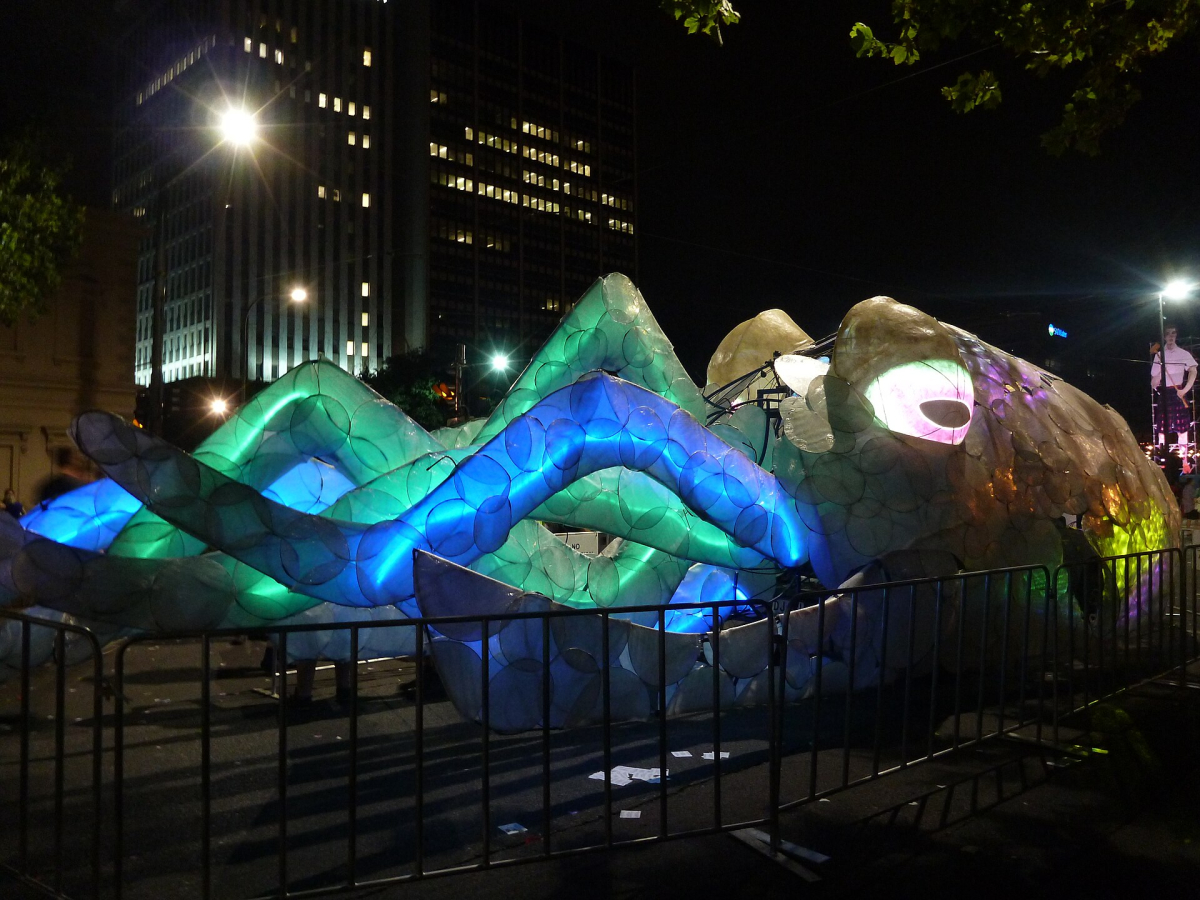
Adelaide’s cultural calendar can support a trip built around performances and public events, but individual festivals and shows have their own dates and booking systems. Decide whether you want theatre, comedy, music, visual art or a mix. The broad phrase “festival season” is not a substitute for checking the programme you intend to attend.
For Adelaide Fringe, compare the actual show, venue, duration and admission conditions. Two performances on the same evening may be close on a map while still requiring more time between them than the schedule allows. Smaller venues can have different seating and access arrangements. Ask specific questions before booking if those details are important.
Use the organiser’s current programme and established ticketing channel. Keep the event and accommodation cancellation conditions together, since a change in one booking may not release the other. A city may have high demand during several overlapping events, so compare the entire stay before assuming that a cheaper flight creates an inexpensive festival holiday.
WOMADelaide and outdoor music planning
An outdoor music event such as WOMADelaide calls for a different kind of preparation from a seated indoor show. Check the current programme, site, entry products and permitted items. Consider how much standing, walking and outdoor exposure the day involves, and how those demands fit the people travelling with you.
Confirm what facilities and assistance are available rather than inferring them from a general event photograph. Food, seating, shade, toilets and access routes can affect the experience materially. A broad family or accessibility description is a starting point for questions, not a guarantee that every individual requirement is covered.
Use WOMADelaide’s official website for the relevant edition. Arrange the return journey before arrival and consider the following day’s itinerary. A multi-day event may justify fewer additional excursions, allowing time to rest and actually enjoy the programme you have travelled to attend.
Regional festivals and community events
Regional events can add a strong local focus to a trip, especially when food, art, music or a seasonal activity already fits your interests. Research the organiser, exact location and current edition. A community event may have limited accommodation and transport nearby, making the overnight plan more important than the distance from a major city suggests.
Do not assume a recurring name means an event operates annually without change. Programmes can move, pause or alter their format. Confirm the date directly before arranging a substantial journey. If the event is only a pleasant addition to a regional route, keep the rest of the stay worthwhile even if the programme changes.
Respect the setting and the people organising it. Follow parking, photography, waste and access instructions, and avoid treating a local gathering as a staged performance for visitors. Ask before photographing individuals or cultural activity. The Responsible Travel guide explains the broader principles behind these choices.
Book in an order that protects the trip
Check the event date and ticket availability first, then compare transport and accommodation for the full stay. Before paying for an inflexible component, verify the other essential pieces. An available hotel room does not establish that event tickets remain available, and a ticket does not guarantee a suitable late-night transfer.
Use established ticketing channels and read the actual conditions. Check transferability, cancellation, postponement and any resale restrictions. Keep the receipt, ticket and organiser communications accessible offline. A photograph of a ticket or a social-media offer is not sufficient proof that a seller can provide valid admission.
For a group, confirm that every traveller has the appropriate product and that any seating or access arrangement is supported. If the programme spans several venues, choose a realistic sequence and leave time for entry. A smaller number of well-chosen events can be more rewarding than a tightly packed schedule with no margin for queues or conversation.
Transport, weather and accommodation impacts
Events can change ordinary city travel through road closures, crowd controls and additional or altered services. Check the relevant transport authority and organiser close to the date. A route that works on an ordinary evening may not be the designated access during the event. Follow staff instructions and keep clear of restricted areas.
For outdoor events, plan clothing and supplies around the forecast and permitted-item rules. A ticket does not remove weather exposure. If conditions force a change, follow the organiser’s instructions and use the published process for updates or claims. Do not assume that an accommodation booking will be refundable because an event changes.
Compare the event’s value with the cost it adds to the route. If attending is the main reason for the trip, an extra night or a central base may be worthwhile. If the event is incidental, shifting a city visit by a few days may improve availability. The budget guide helps compare the complete journey.
Frequently Asked Questions
Are recurring events held on the same dates every year?
Do not assume so. Check the relevant edition with the organiser before booking flights, rooms or tickets.
Does a festival photograph show the next programme?
No. It depicts a particular past scene. Installations, performers, venues and public access may differ in a future edition.
Should I buy the room or event ticket first?
Check that all essential components are available before committing to an inflexible one. Compare their cancellation and change conditions together.
Do I need a special transport plan?
Often it is useful. Check event access, road closures, crowd arrangements and the actual return journey to your accommodation.



