
AUSTRALIA TRAVEL GUIDE
Australia Photo Spots: Locations, Light & Photography Tips
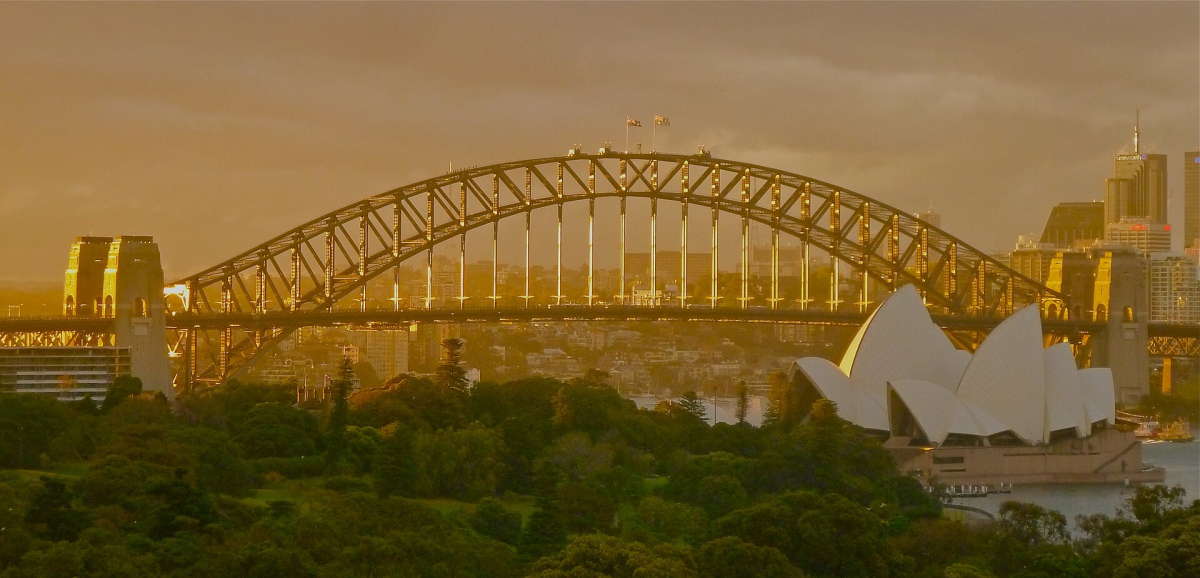
Australia photography is easier to plan when you choose a subject, a lawful viewpoint and enough time for changing light. Harbour architecture, city streets, surf, wildlife and remote landscapes need different approaches. A dramatic image is not a map of current access, and a familiar composition is not permission to ignore barriers or cultural restrictions.
This guide is the photography hub. The linked photo pages offer narrower advice for specific places and subjects. Their purpose is to help with observation, composition and a practical visit, rather than repeat a general attractions list. Images identify their actual subject and context; historic scenes do not establish present businesses, conditions or services.
Sydney Harbour: choose a relationship between landmarks
Start with the relationship you want in the frame: the Opera House as the main subject, the Harbour Bridge as a structure, or the working waterway and city together. Each suggests a different foreshore position and lens choice. A wider view can explain the harbour’s geography, while a tighter composition can simplify a busy background.
Leave time to observe ferries, pedestrians and changing light instead of arriving only for a predicted sunset minute. Overcast conditions can support architectural detail or a quieter waterfront scene, even when the sky lacks colour. Keep the actual walking route, wharf access and return transport in mind when choosing where to wait.
Use the Sydney Harbour guide and Harbour Bridge guide for the narrower questions. A ticketed bridge experience has its own camera and equipment conditions; it should not be assumed to offer unrestricted personal photography. Check the operator rather than inferring permission from a photograph taken elsewhere.
Gardens, markets and the human scale of Sydney
The Royal Botanic Garden offers a different visual scale from the open harbour. Paths, planting, trees and views can be composed together, while the image’s precise location and season affect what appears. Follow current garden access and photography rules, keep to authorised areas and avoid obstructing visitors with a tripod or large bag.
At The Rocks Markets, the subject may be the streetscape, stalls or the interaction between architecture and everyday activity. Ask before close portraits and respect a stallholder’s decision. A historic market photograph does not establish the current vendor list, trading days or permission to photograph a particular product or artwork.
The garden photo guide and Rocks Markets guide keep those practical questions distinct. Choose a visit that remains worthwhile if the light or crowd differs from the reference image. A market is a working place, not a scene arranged for the camera.
Melbourne: architecture, streets and river reflections
Federation Square offers a study in geometry, materials and the relationship between buildings and public space. Choose whether the composition needs an establishing view or a smaller architectural detail. People can provide scale, but do not block circulation or assume that every event, projection or displayed artwork can be recorded and reused without restriction.
Brunswick Street provides a streetscape subject with businesses, signs, transport and pedestrians. Check the current place rather than trying to reproduce an old storefront exactly. Respect entrances and private property. A long lens or a patient position can simplify the frame without stepping into the road or turning a customer into an unwilling portrait subject.
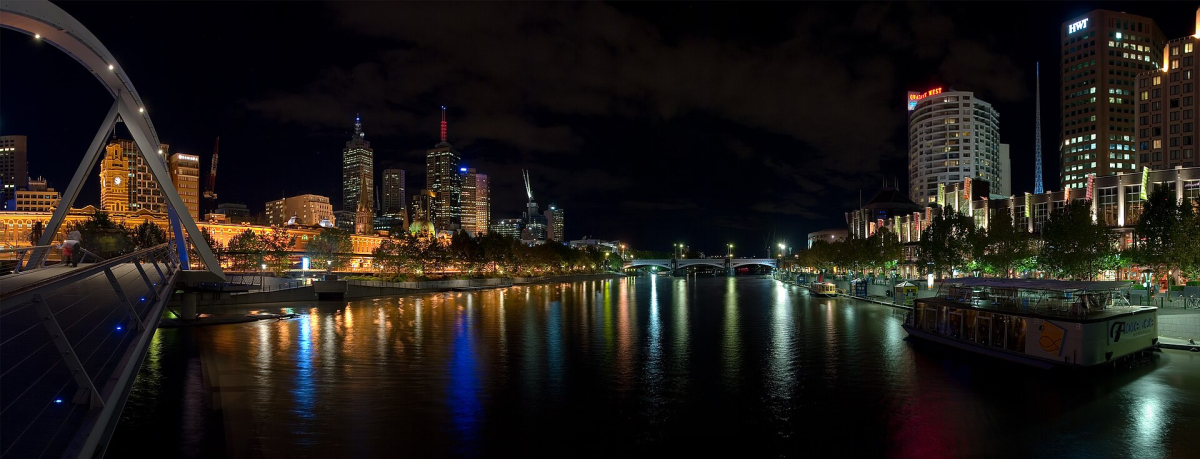
Along the Yarra, bridges and reflections create another set of choices. Light, wind, water movement and vessel traffic affect the result. Keep equipment clear of paths and pay attention to edges after dark. The Federation Square, Brunswick Street and Yarra River pages develop these subjects separately.
Coastal landscapes and surf action
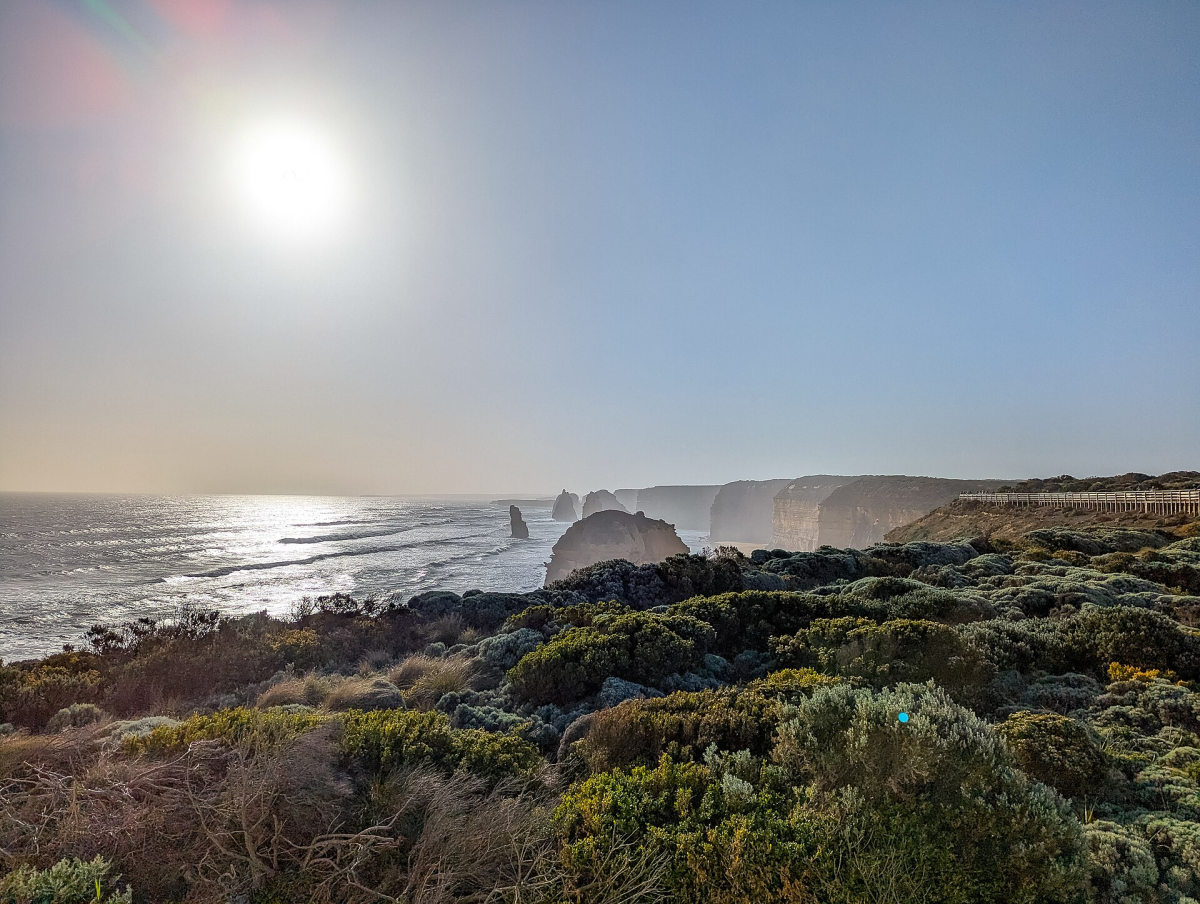
The Great Ocean Road rewards a journey with time for lawful stops, not sudden braking whenever a view appears. Use designated parking and viewing areas, then compose from permitted ground. A historic photograph can show a feature or viewpoint that has changed. Coastal erosion, barriers and local instructions take precedence over recreating a frame.
For surf action, choose a safe land-based position and enough focal length to observe without entering an unfamiliar water environment. Watch the pattern of waves before deciding on a composition, and avoid identifying a distant person or claiming a specific competition without evidence. A beach with skilled surfers is not automatically suitable for swimming or a beginner lesson.
The Great Ocean Road guide, Manly Beach guide and surf photography guide separate scenic, access and action questions. Keep the beach’s current safety advice central to the visit, even when you do not intend to swim.
Wildlife: distance is part of the picture
Photograph wildlife through observation rather than arranging a close encounter. A koala high in a tree may be better shown with branches and habitat than through an intrusive attempt to fill the frame. A longer lens can help, but it does not justify surrounding, feeding, handling or blocking an animal. Accept that a sighting may be distant or unavailable.
Kangaroos in a managed landscape require attention to both wildlife and property access. Do not enter a golf course simply because an old photograph shows animals there. Ask the actual operator about current visitor arrangements and remain out of play. A tour, if offered, has its own conditions and should not be inferred from the image.
Use Wild Koalas and Anglesea Golf Course for those narrower discussions. A well-captioned wildlife photograph can describe what it shows without claiming a guaranteed sighting, a current tour or a precise camera location that the source does not establish.
Uluṟu, cultural permissions and publication
At Uluṟu–Kata Tjuṯa, respect the park’s photography guidance and culturally sensitive no-photography areas. The detail of particular places carries meaning and restrictions that a visitor cannot infer from appearance alone. Follow signs and custodians’ guidance, and do not use another person’s published image as proof that your own photography is permitted.
Personal image-making and commercial use can involve different requirements. Check the park’s official photography information before planning a commission, commercial shoot or publication. A general viewpoint photograph in this guide does not grant a permit or waive the conditions relevant to your activity.
The same principle applies to museums, artwork, performances, private property and identifiable people. Copyright in a photograph, permission to enter and rights affecting the subject can be separate questions. Ask the appropriate organisation early if the proposed use goes beyond an ordinary personal travel record.
Pack for the journey you will actually make
Choose equipment that you can carry through the walking, transport and weather of the itinerary. A tripod may help a night scene while becoming inconvenient on a crowded ferry or a long day with children. Check airline and operator conditions for batteries, bags and specialist equipment before adding domestic or regional connections.
Back up images regularly and keep important files separate where practical. Protect equipment from rain, spray, sand and heat without leaving it unattended or allowing the camera to distract from the environment. Drone use requires separate current aviation and land-manager checks; owning a drone does not establish permission to fly at a viewpoint.
Frequently Asked Questions
Does a photo identify an exact accessible camera position?
Not necessarily. Source information, current access and the actual scene need separate checking. Do not invent coordinates or recreate a viewpoint by crossing a barrier.
Can I photograph every part of Uluṟu?
No. Follow the park’s current guidance and marked restrictions, including culturally sensitive no-photography areas.
Is a longer lens a reason to approach wildlife?
No. Use distance, patience and a permitted position. Avoid disturbing an animal to obtain a frame.
Should I bring a drone?
Only after checking the current aviation rules and the permissions of every relevant land manager or operator. Many desired viewpoints have additional restrictions.



