
AUSTRALIA TRAVEL GUIDE
Best Time to Visit Australia: Weather by Region & Season
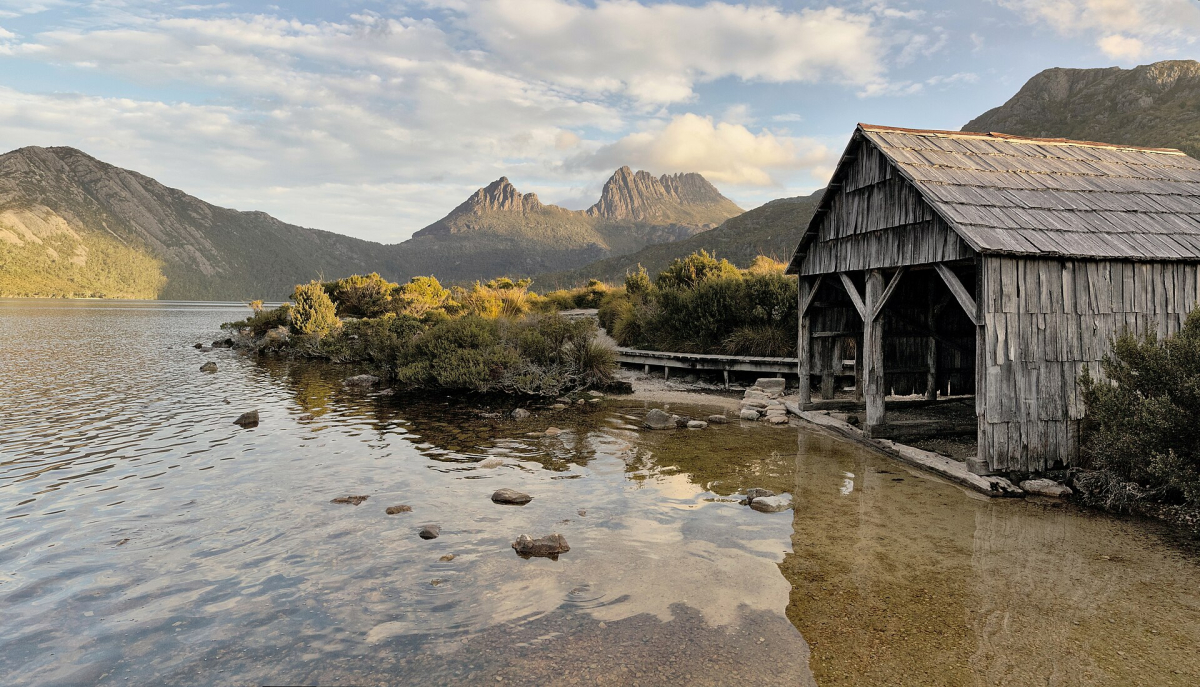
The best time to visit Australia depends on the region and the experience you want. A southern beach holiday, a Tasmanian walking trip, a reef outing and a northern road journey do not share one perfect season. Choose your main activity first, then check whether the other places in your itinerary fit the same window.
The familiar southern seasons are summer from December to February, autumn from March to May, winter from June to August and spring from September to November. Those labels are useful, but they do not describe the whole country. Tropical wet and dry patterns, desert temperature changes and local marine conditions require their own planning.
Choose a regional season, not a national average
Sydney and Melbourne can be visited throughout the year, but a city-break itinerary changes with daylight, temperature and rainfall. Galleries, performances, markets and neighbourhood exploration offer flexibility. A coastal walk, outdoor event or long driving day needs more attention to the forecast. Packing for the city’s calendar season is only the beginning; your actual activities determine what you need.
Perth and the southwest have a different pattern from the tropical north of Western Australia. Tasmania’s maritime and alpine conditions can change quickly, including outside winter. Central Australia can have large differences between daytime and overnight conditions. Looking at an average for “Australia” hides these variations and can encourage unsuitable clothing or an unrealistic route.
Use climate information to select the broad travel period, then use current forecasts and warnings for day-to-day decisions. Climate is not a promise of weather on your dates. A dry-season label does not establish that every road is open, a particular boat will sail or a trail is safe. Check the actual operator or responsible authority before each weather-sensitive part of the trip.
Swipe horizontally if needed to compare all columns.
| Region | Planning priority | Recheck before the activity |
|---|---|---|
| Southern cities and coast | Calendar season and event demand | Forecast, heat and coastal conditions |
| Tasmania and alpine areas | Exposure and walking objective | Track, road and weather information |
| Tropical north | Wet/dry pattern and marine experience | Road access, sea state and operator advice |
| Red Centre | Heat, daylight and overnight conditions | Park restrictions and the actual walk |
Southern cities and coasts
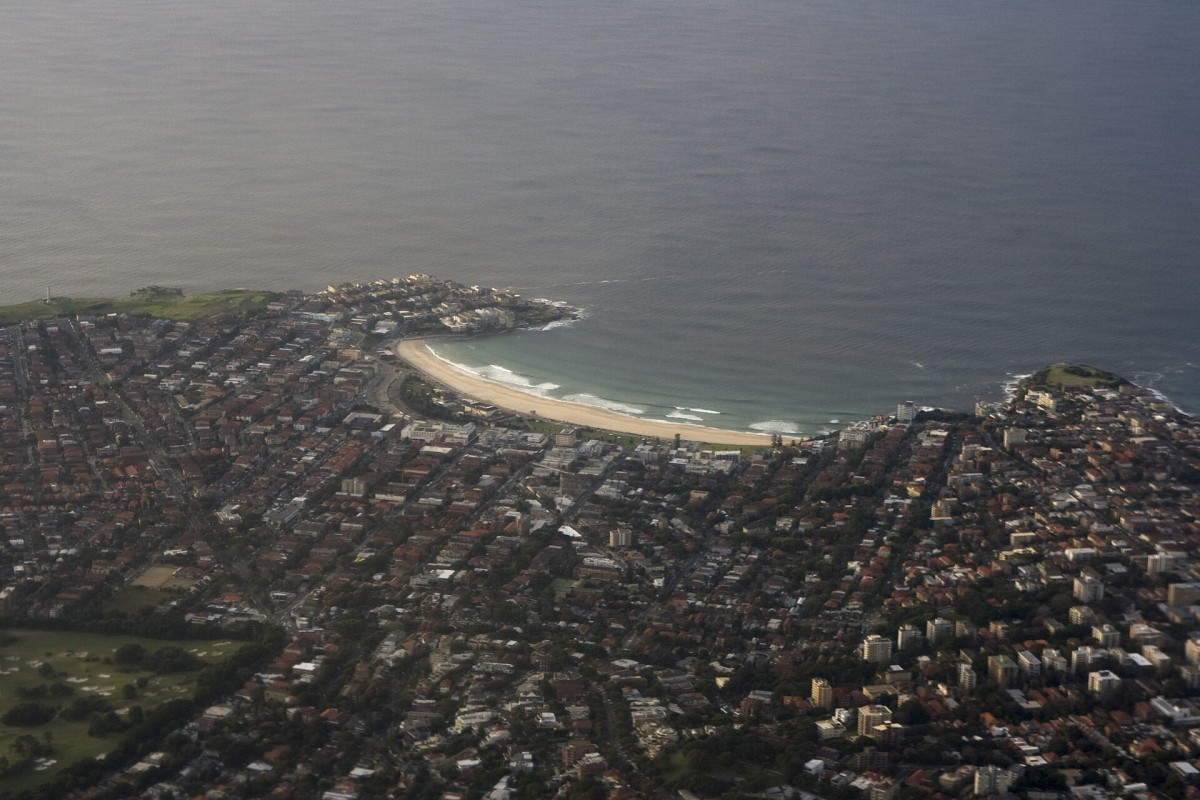
Spring and autumn can be useful for a mixed city-and-outdoor trip in the southeast. They offer a planning compromise between peak summer demand and shorter winter days, although heat, cold fronts and rain remain possible. Sydney’s coastal districts, Melbourne’s neighbourhoods and Adelaide’s surrounding regions each need a local forecast rather than a shared assumption about southern weather.
Summer suits travellers seeking long daylight and southern coastal activity, but it can also bring strong heat and high demand. Christmas, New Year and school holidays affect accommodation and transport. A beach photograph taken in summer does not establish safe swimming conditions. Choose a patrolled beach, follow the flags and change the day’s plan if the conditions or lifeguards’ advice require it.
Winter can work well for museums, food, performances and city stays, with suitable layers and indoor alternatives. It changes the appeal of a coastal road trip: wind, rain, shorter daylight and cold water may matter more than the price of the room. If a coastline is your main reason for travelling, compare the experience you want with the likely conditions rather than choosing the lowest fare alone.
Tasmania and alpine walking
Tasmania’s warmer months are a logical starting point for many walking and touring plans, but mountains remain capable of cold, wet and rapidly changing weather. A scenic viewpoint reached by a short path is different from an exposed mountain route. Select walks according to the forecast, your equipment and the party’s ability, and leave a lower-level alternative in the plan.
Cradle Mountain and Freycinet should not be treated as interchangeable weather destinations. Their terrain and exposure differ, and park access arrangements need separate checking. A day allocated to a summit cannot be assumed usable simply because the trip takes place in summer. Book accommodation with enough understanding of the geography to avoid a long drive after a demanding or delayed outing.
In the Australian Alps, snow-related travel brings a different set of preparations from a city winter break. Road conditions, equipment, resort arrangements and daylight can affect the journey. If skiing is the purpose, confirm the actual resort and season information rather than relying on the national winter dates. The Walking & National Parks guide covers the broader preparation decisions.
Tropical Queensland and the reef
The tropical north is commonly described through wet and dry seasons. Regional boundaries and individual years vary, so use these as a planning framework rather than a fixed switch. Warmth alone is not enough to choose a reef holiday. Wind, visibility, sea state, the type of boat and the operator’s safety decisions affect the experience on the water.
A reef tour should be selected for the traveller as well as the date. Ask about sheltered alternatives, time spent travelling, swimming supervision and what happens if the operator cancels. Protective clothing and the relevant marine-stinger advice remain operational questions for the location and day. Do not interpret a dry-season booking as a guarantee of calm water or an unrestricted swimming opportunity.
Rainforest and reef activities are not interchangeable backups in every weather situation. Heavy rain can affect road access, while a marine cancellation may leave land-based options available. Build a flexible sequence and ask suppliers about their change policies. A spare day helps only if another departure is operating and has room. Confirm the whole arrangement before assuming you can simply move a tour.
The Top End, Kimberley and Red Centre
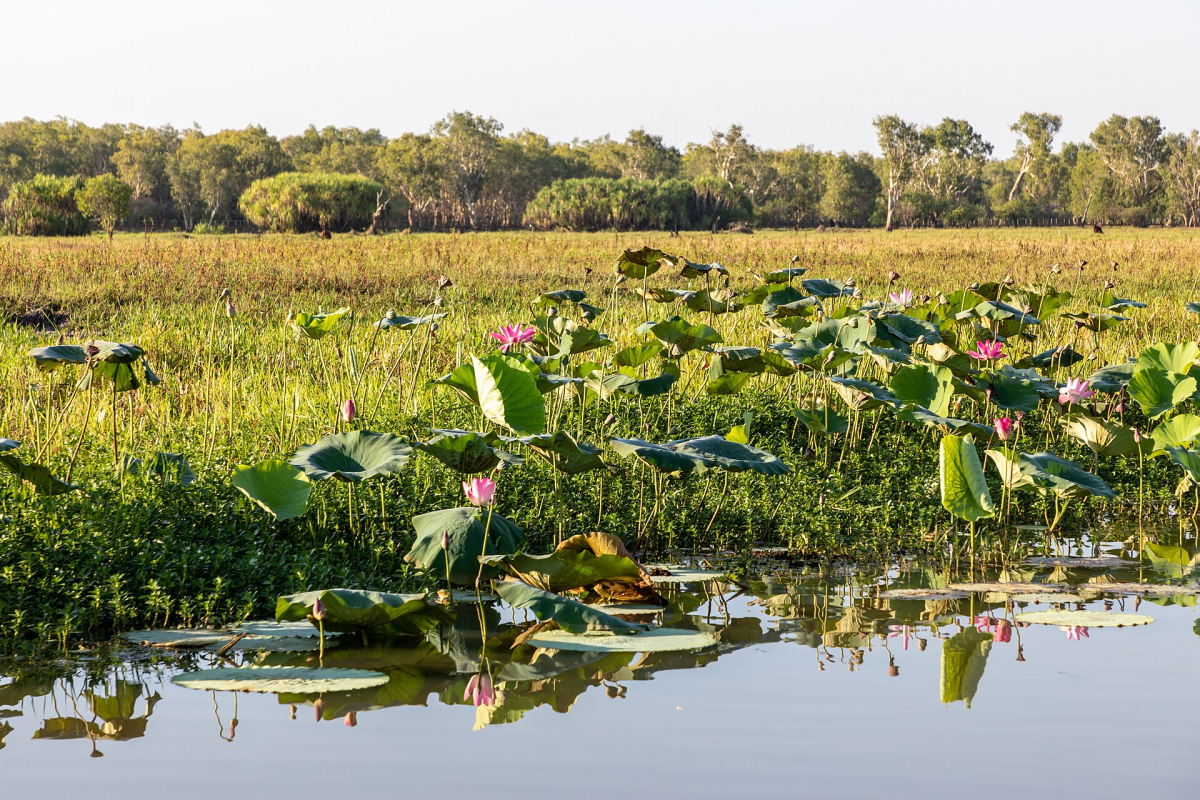
For many Top End and Kimberley journeys, the regional dry season is the starting point for research because access and activities can change substantially through the year. However, reopening after rain, individual road conditions and the requirements of an actual itinerary need checking. A route described in a previous visitor’s story may be unsuitable for your vehicle or travel date.
The Red Centre is an arid inland region rather than a tropical coastal destination. Heat and exposure shape the walking day, while cooler periods may require warm layers overnight. Choose accommodation, water planning and transport that support the activities you want. Follow the park’s current heat-related restrictions and guidance instead of trying to complete a walk because it appeared on the original itinerary.
Do not combine Darwin and Uluṟu under a single weather heading merely because both are in the Northern Territory. Their geographic separation and different conditions are central to planning. The Map & Regions guide explains that distinction. When combining north, centre and south, accept that a compromise season may require different clothing and some changes of activity.
Events, holidays and prices
An event can be a reason to travel or a reason to adjust your dates. Major sporting fixtures, festivals and public holidays can change room prices and transport demand even when your own itinerary has nothing to do with the event. Compare the calendar for each overnight base, especially if you arrive late or need a particular room configuration.
School holiday dates differ between states and territories. Do not rely on one nationwide date range when planning a regional holiday, family attraction or beach stay. Check the relevant government calendar and the supplier’s peak-period conditions. A quieter week in one city can coincide with high demand somewhere else along the route.
Price and weather trade-offs should be evaluated together. Lower accommodation costs are less valuable if the main activity is unavailable or you need an extra flight to reach an alternative. Conversely, a city trip with flexible interests may work well outside its busiest period. Use Travel Costs & Money to compare the full cost of the route, not just a seasonal hotel discount.
Pack and plan for changing conditions
Build clothing around layers, sun protection and the actual terrain. A tropical arrival followed by Tasmania needs a different bag from a single-city summer stay. Check airline baggage allowances before adding regional flights, and keep essential medication and a usable layer in hand luggage. A compact itinerary can still cross markedly different conditions.
Recheck warnings close to departure and during the trip. If a park closes, a road floods or an extreme-weather warning changes the risk, the safe response may be to shorten the plan or stay put. An itinerary is a tool, not an obligation. Health & Safety explains the warning and contingency questions to prepare before leaving a well-serviced base.
Frequently Asked Questions
What is the single best month for Australia?
There is no single answer for every region. Choose a month that fits your main destination and activity, then check how the rest of the route compares.
Is Australian winter a bad time to travel?
No. Winter can suit northern travel and many city interests, while southern outdoor plans need appropriate expectations and equipment. Regional conditions matter more than the national label.
Can I book a reef trip for any season?
Check actual operation, marine conditions, safety advice and cancellation terms. A broad seasonal pattern cannot guarantee that a particular departure will run.
Should I avoid all school holidays?
Not necessarily, but check the relevant state or territory dates and compare availability. The effect depends on your destination, room requirements and activities.



