
AUSTRALIA TRAVEL GUIDE
Australia Beaches: Where to Go, Access & Swimming Decisions
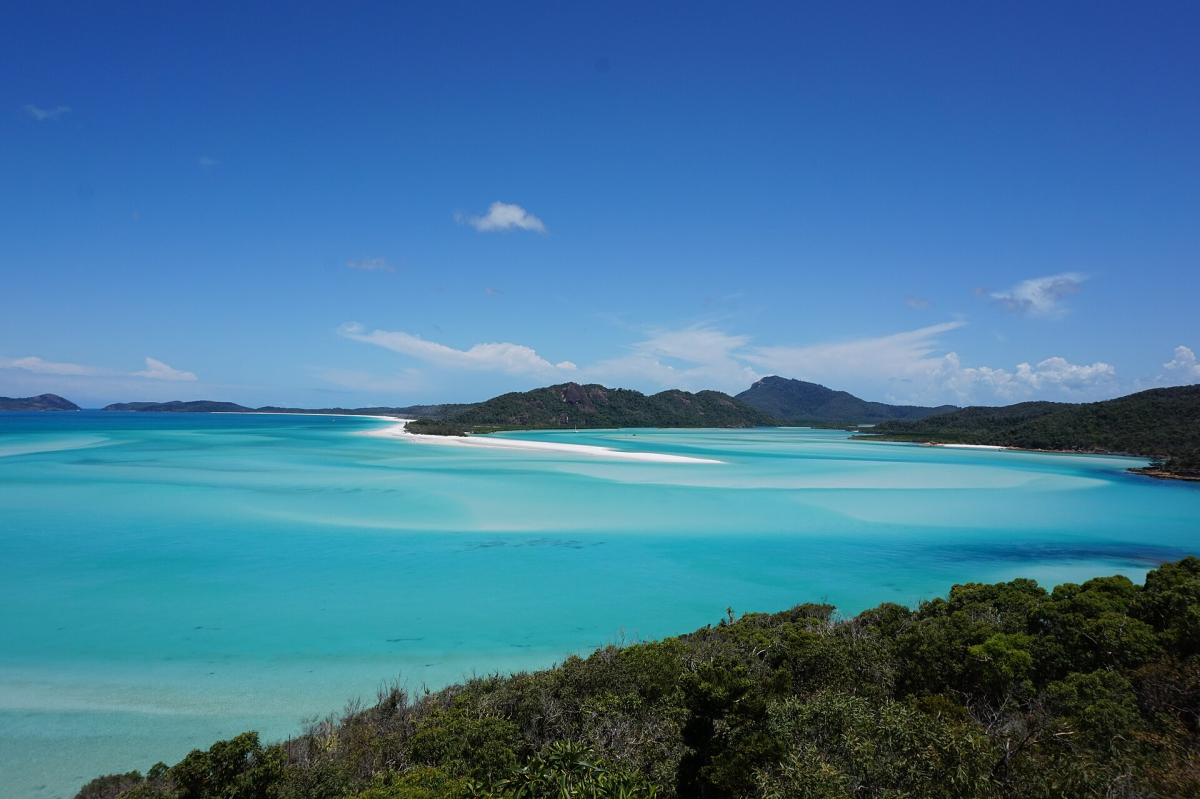
Australia’s beaches offer different experiences: a city surf beach, a sheltered-looking bay, a remote scenic shore or an island landscape. Choose by access, facilities, season and the activity you want. A famous view is not evidence of safe swimming, and clear water does not remove the need for current local advice.
For swimming, choose a patrolled beach, swim between the red and yellow flags when they are in place and follow lifeguards’ instructions. If the beach is closed or no suitable supervised option is available, change the activity. This guide compares destinations; it does not certify conditions at a beach on your travel date.
Bondi and Sydney’s eastern beaches

Bondi offers an ocean-side setting with a strong urban connection, making it a useful comparison for travellers who want beach time without leaving Sydney. Decide whether the purpose is a coastal walk, a surf lesson, a meal or swimming. Each requires different timing and preparation. A short visit for the view can fit a city day without assuming anyone will enter the water.
Check the actual public-transport journey from your accommodation and the return after your planned finish. A nearby beach suburb is not necessarily directly connected to every part of the city. Allow room for traffic and walking, and confirm the facilities relevant to your party rather than assuming all popular beaches offer the same access and amenities.
For a coastal walk, investigate the current route, steps, closures and return connection. Do not combine a demanding walk with a swim simply because both appear in one itinerary. The Things to Do guide addresses activity selection, while this page keeps the beach and water decisions explicit.
Manly: a harbour crossing and an ocean beach
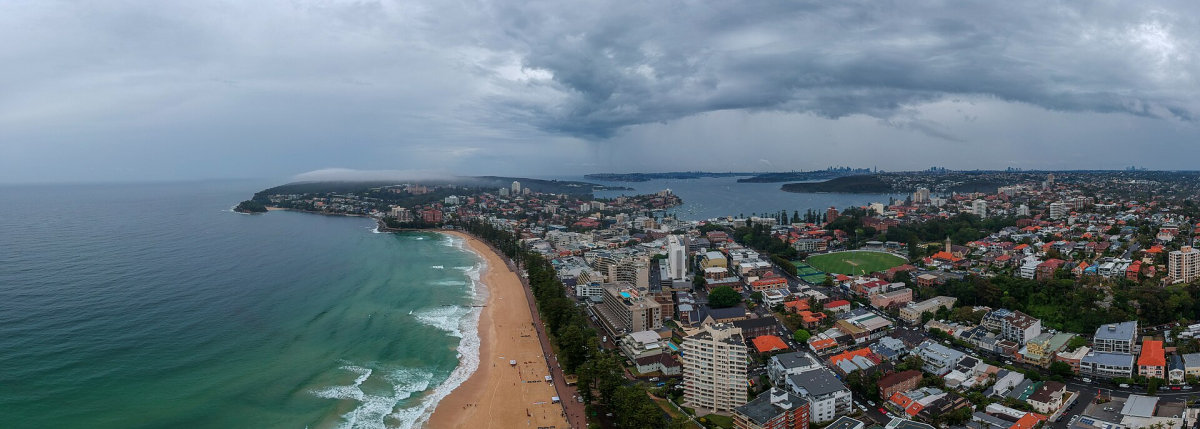
Manly can combine a ferry journey with an ocean-side visit, but the harbour arrival and the surf beach are distinct places. Allow time to walk between them and choose the part of the day that matters most. A ferry outing, lunch and a beach walk can form a useful visit even when swimming is not appropriate.
Check the actual ferry service, departure wharf and return timing. Crowds, weather and your accommodation location can affect how the day feels. For families, compare the full journey with the facilities and energy available at the beach. For access needs, verify the specific wharves, vessel and route rather than relying on the destination’s popularity.
Use the Manly Beach photography guide for composition and coastal views. Photographers should avoid blocking paths or approaching swimmers for identifiable close-ups without permission. A beach visit can serve several interests, but the camera should not distract from surf warnings, changing light or the return journey.
The Gold Coast and southeast Queensland
The Gold Coast offers a different holiday pattern from a brief Sydney beach excursion. It can function as a longer coastal base, with accommodation and activities spread across several districts. Choose the actual neighbourhood according to your transport, dining and daily plans. A hotel with an ocean view is not proof that a suitable patrolled swimming area is immediately outside it.
Compare beach time with the rest of the family’s interests. Some travellers want a surf lesson, others a promenade, a playground or a quiet place to sit. Check those specific facilities and the conditions on the day. An apartment may be useful for a longer stay, but review bedding, kitchen, parking and the complete journey from the arrival airport.
Southeast Queensland and tropical northern Queensland require different planning. Do not apply one regional swimming assumption to the entire state. Follow the signs, patrol advice and relevant marine guidance at the actual location. If the trip’s main activity is water-based, choose the base and season around that specific activity.
Whitehaven Beach and the Whitsundays
Whitehaven is a scenic island beach rather than a simple city foreshore reached by a short walk from most hotels. A visit commonly involves an organised marine or air component, depending on the product. Compare the actual landing or visit area, time ashore, walking, meals and transfer before choosing a tour from a photograph.
A day trip and an island stay have different practical needs. Check baggage, weather cancellation, departure point and the return arrangement. Ask whether the experience includes supervised swimming and what protective equipment or restrictions apply. A white-sand panorama does not establish the suitability of the water for your abilities or the conditions that day.
Avoid assuming every Whitsundays itinerary visits the same viewpoint or beach section. Read the programme and ask the operator what is actually included. Choose a product that fits your comfort on boats and your priorities, rather than selecting only by the number of stops advertised. The reef activity discussion helps frame those questions.
Cable Beach and Western Australian coast choices
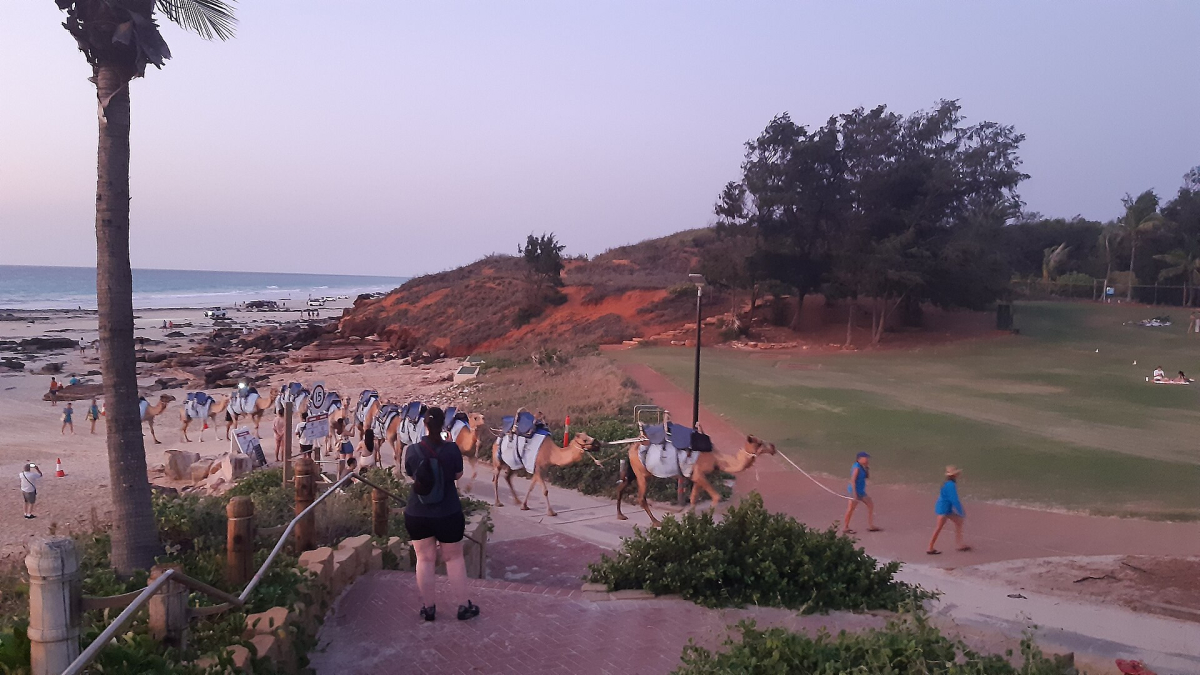
Cable Beach belongs to a Broome-area journey with its own seasonal and transport considerations. The broad sweep of the shore is attractive for walking and photography, but tides, heat, patrols and local marine advice affect what is appropriate. Check the actual conditions and designated access instead of treating a sunset image as a complete visitor guide.
Perth, Rottnest and the southwest
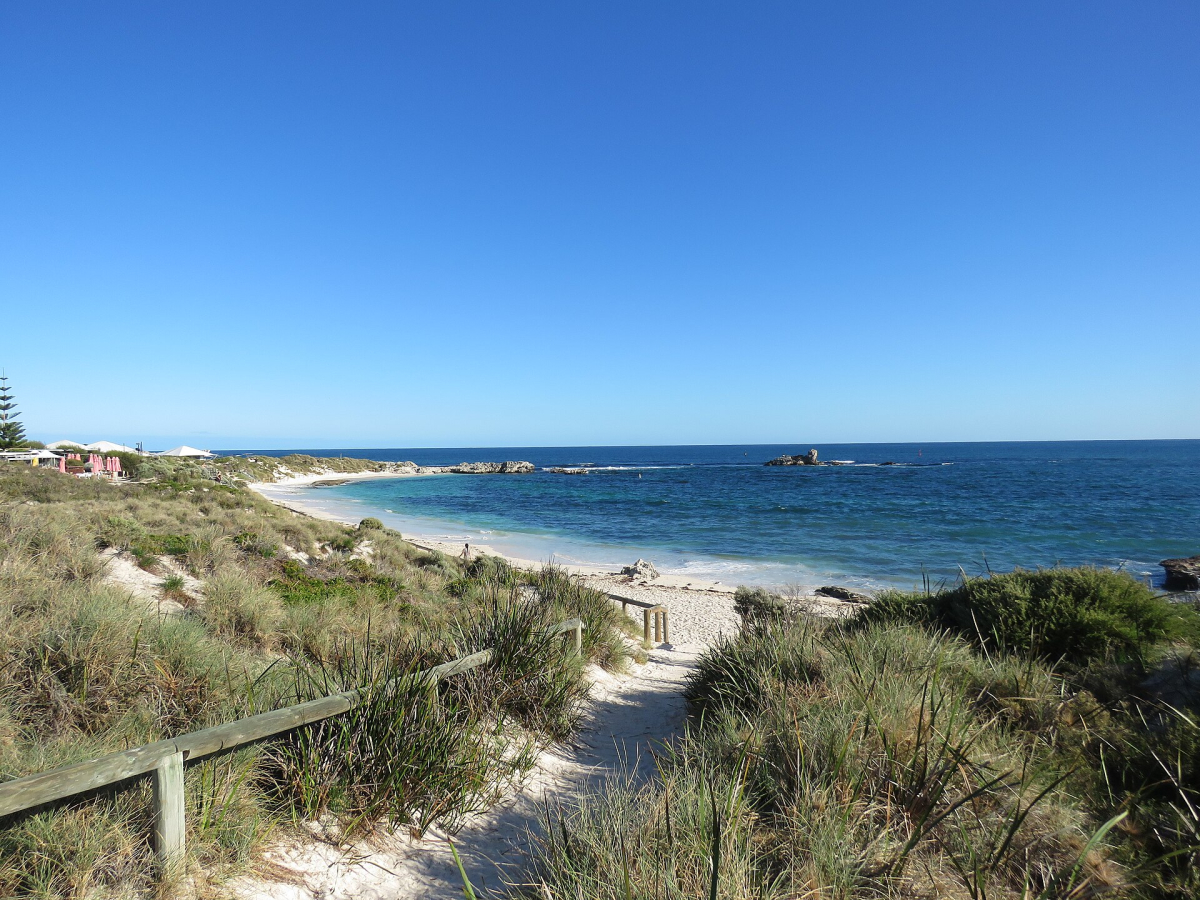
Perth-area beaches, Rottnest Island and the southwest offer different western coastal experiences. They should not be combined under an assumption that all are convenient from the same hotel. An island outing needs a crossing; a southwest beach stay may need a car and regional nights. Use Map & Regions to place the coast in the route.
Remote scenic beaches require particular caution about access, communications and water. An empty shore can be appealing for a view while being unsuitable for swimming or a spontaneous detour. Follow current local guidance and avoid driving onto a beach unless the route, vehicle, permission and conditions are explicitly appropriate.
Wineglass Bay and southern scenic beaches
Wineglass Bay is part of a Freycinet visit in Tasmania. Seeing the bay from a lookout and reaching its shore are different walking choices. Compare the current route, gradient and duration with your ability and the weather. Do not assume that every photograph was taken from a position accessible to every visitor.
Southern coastlines can provide excellent scenery in conditions that do not suit swimming. Wind, cold water and exposed surf can shape the experience well beyond the familiar summer-versus-winter distinction. Plan a walk or viewpoint visit on its own merits, and carry appropriate layers. A beach can be worth visiting without entering the sea.
Use the relevant park’s current information for access and facilities. A park pass, parking arrangement and accommodation booking may be separate requirements. Leave enough daylight for the return and avoid adding a long drive after a walk that may take more time than expected. Walking & National Parks covers the wider preparation.
Surfing, snorkelling and the safety decision
For a surf lesson, investigate the instructor, meeting point, equipment, ability level and conditions in which the lesson operates. A lesson is different from hiring a board and entering unfamiliar surf independently. Follow the instructor’s advice and do not assume that a beach suitable for experienced surfers is suitable for beginners or swimmers.
For snorkelling, choose a supervised experience appropriate to your confidence and ask about flotation, entry and exit, currents and marine advice. Equipment hire alone does not establish that the location is suitable. Never use a photograph or a broad destination description as the basis for a safety decision about entering the water.
Rip currents can be difficult to recognise. Official Australian beach-safety guidance prioritises patrolled beaches and the flagged area. If someone is in difficulty, alert lifeguards or emergency services rather than becoming a second casualty. Consult current official guidance and local instructions; this destination comparison is not a substitute for water-safety training.
Swipe horizontally if needed to compare all columns.
| Purpose | Selection question | Current check |
|---|---|---|
| Scenic walk | Authorised path and return route | Weather, access and edges |
| Swimming | Suitable patrolled beach | Flags, signs and lifeguard instructions |
| Surf lesson | Appropriate instructor and ability level | Actual conditions and equipment |
| Island visit | Real transport and time ashore | Marine advice and cancellation policy |
Frequently Asked Questions
Are Australia’s famous beaches always patrolled?
Patrol arrangements and hours vary. Check the actual beach and current flags or lifeguard information before swimming.
Does clear or calm-looking water mean it is safe?
No. Currents, marine hazards and local conditions may not be obvious. Follow current signs and the advice of qualified local services.
Is Whitehaven a normal city day at the beach?
It requires a specific island visit arrangement. Check the actual transport, time ashore, inclusions and weather policy.
Can I enjoy a beach without swimming?
Yes. Choose a suitable walk, viewpoint, meal or photography visit, while respecting access restrictions and coastal hazards.



