
AUSTRALIA TRAVEL GUIDE
Australia History & Culture: Country, Communities & Museums
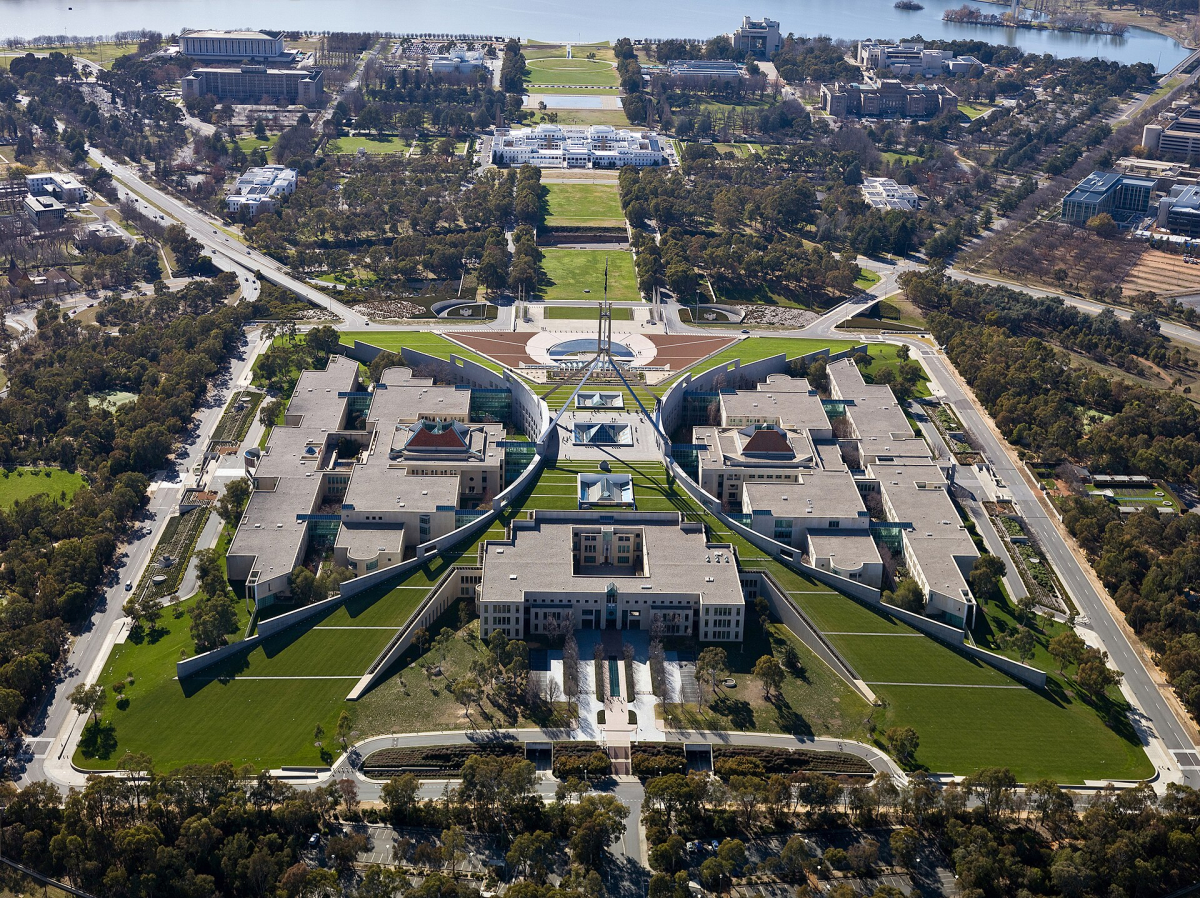
Understanding Australia adds depth to a visit beyond its landmarks. The country contains living First Nations cultures, the legacies of British colonisation, a federal political system, diverse migration histories and contemporary creative communities. These are connected subjects, but they should not be reduced to a single national stereotype or a claim that the past has stopped changing.
This background guide helps you choose questions, museums and experiences for your trip. It does not speak on behalf of Aboriginal or Torres Strait Islander peoples. When visiting a particular place, learn whose Country you are on and follow the guidance of the relevant custodians, community organisations and hosts.
Begin with Country and living cultures
Aboriginal and Torres Strait Islander peoples are the First Peoples of Australia. Their cultures, languages and relationships to place are diverse. “Country” can express connections extending beyond a geographic parcel of land; the meaning and knowledge shared with visitors are specific to the people and place involved. Avoid expecting a single explanation to represent every community.
Choose locally grounded opportunities to listen. A community-led experience, art centre or institution working with the relevant custodians can provide context that a general highlights tour cannot. Read how the organisation describes itself and the experience. Ask permission before photographing people, cultural activity or artwork, and accept restrictions without trying to negotiate around them.
Some material in museums or exhibitions can be sensitive, including images or names of people who have died. Follow the institution’s notices and your hosts’ guidance. A visitor’s wish to learn does not create an entitlement to every story, place or image. Responsible Travel turns these principles into practical choices for a holiday.
Colonisation and the stories behind familiar places
British colonisation beginning in 1788 profoundly affected First Nations peoples and the places visitors see today. Historic buildings, settlement narratives and memorials can present only part of that history. Look for interpretation that acknowledges dispossession, resistance and continuing cultural life rather than treating colonisation as the simple beginning of Australian history.
Sydney’s harbour and The Rocks can be approached through several historical lenses: Country, colonial settlement, maritime activity, labour, migration and urban redevelopment. A building’s age alone does not tell the whole story. Compare a heritage walk with museum interpretation and the perspectives of the people connected to the place.
The same approach helps elsewhere. Melbourne’s nineteenth-century streetscapes, Tasmania’s penal histories and regional mining towns each have distinctive contexts. Avoid extending one city’s story to the entire country. A well-chosen local visit can illuminate a specific subject more effectively than a rushed sequence of monuments without interpretation.
Federation, government and Canberra
The Commonwealth of Australia was established through federation in 1901. Today, national, state or territory, and local institutions have different responsibilities. For travellers, this explains why transport, park systems, holidays and some rules vary across the route. A national overview is useful, but it does not replace the relevant local authority’s information.
Canberra is the national capital, while Sydney and Melbourne serve as capitals of New South Wales and Victoria. Canberra’s institutions can support a trip focused on history, government, art or commemoration. Choose what you want to understand before allocating time, since several substantial institutions cannot all be meaningfully visited in one short afternoon.
Check current admission, exhibitions, tours and security arrangements with the institution. Some general collections and guided experiences have different booking requirements. A capital-city stop is worthwhile when it serves your interests, rather than merely because the city appears on a map of state and territory capitals.
Migration, neighbourhoods and contemporary daily life

Migration has shaped Australian cities in ways visible through food, languages, religious places, shops and creative life. Neighbourhoods are living communities rather than outdoor exhibits. Explore at an ordinary pace, respect private spaces and avoid presenting a restaurant district as a complete account of a community’s history or identity.
Food can open useful questions about a place. A market, bakery or neighbourhood restaurant may connect local ingredients with multiple culinary traditions. Ask interested, respectful questions when appropriate, while recognising that staff are working and may not have time to explain an entire cultural history. The Food & Drink guide focuses on practical dining choices.
Sport, music, literature and screen culture are also part of contemporary Australia. A match, performance or local exhibition can reveal different aspects of a city from its most photographed landmarks. Check the programme and venue conditions rather than assuming a particular sport or festival is available throughout the year.
Museums: choose by the question you want answered
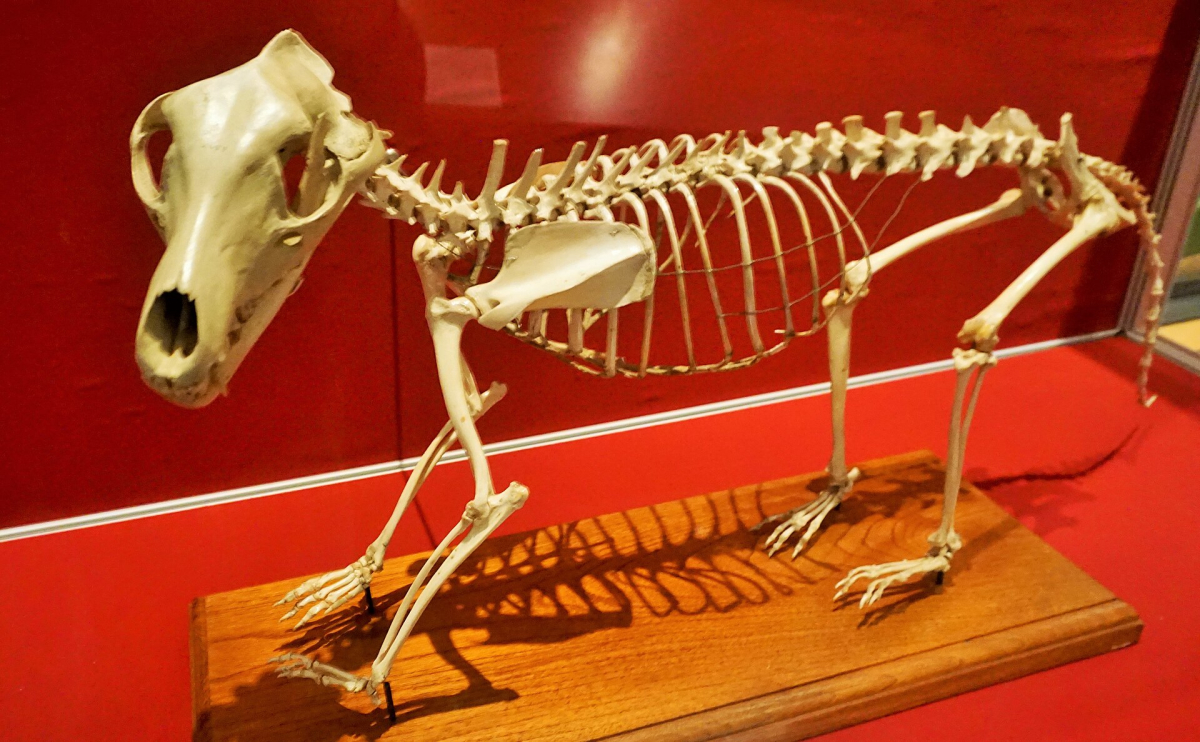
For national history, Canberra’s institutions provide a starting point for research. In Melbourne, the National Gallery of Victoria and other cultural institutions offer different kinds of collections and exhibitions. Sydney, Adelaide, Perth, Hobart, Brisbane and regional centres also have institutions reflecting their own histories and creative communities. Choose a specific subject instead of trying to visit every major building.
The National Gallery of Victoria is a useful example of why programme checking matters: buildings, collections and special exhibitions are separate planning details. Confirm the actual location and admission arrangement for what you want to see. An exhibition photograph in a guide may depict a past display, rather than the current programme.
Allocate time for reading, rest and discussion. A museum visit can be a valuable weather alternative, but it should not be treated as an interchangeable filler activity if a particular collection matters to you. Check opening days and allow for the journey from your base. Families may benefit from choosing a small number of galleries rather than attempting an entire institution.
Art, artists and the ethics of buying
Australian art includes many traditions, media and contemporary practices. When considering First Nations art, investigate the artist’s identity, the seller’s relationship to the artist and the documentation provided. An “Aboriginal-style” souvenir and an artwork by an identified artist are not equivalent purchases. Ask questions before paying rather than relying on a visual pattern or a broad authenticity claim.
Respect restrictions on photographing or reproducing artwork. Permission to view a work does not automatically include permission to publish an image, use it commercially or copy its design. Museums, galleries and community art centres may have different rules for particular works or exhibitions. Follow the current instructions at the place you visit.
A purchase can be a meaningful part of the trip when it is informed and transparent. Keep the artist and provenance documentation with the work. Avoid asking a retailer to make unsupported claims about cultural meaning, investment value or community benefit. Choose organisations that can explain their role and the basis of the information they provide.
Respectful language and everyday encounters
Use the names and terminology preferred by the relevant people or organisation. Place names can have more than one form, and a dual name may communicate an important relationship to history and Country. Learn how to say the names you will use, and avoid treating an unfamiliar spelling as a problem to be simplified for visitors.
In everyday encounters, follow ordinary courtesy: ask before photographing people, keep to public access, respect queues and avoid blocking businesses or paths for a picture. A neighbourhood’s popularity on social media does not make every doorway, mural or private courtyard a visitor facility. The same care applies in small towns and regional communities.
If you are unsure about a cultural protocol, ask the appropriate host politely and accept the answer. A guidebook can prepare you to ask better questions, but it cannot grant permissions on behalf of the people connected to a place. This is especially important for photography, recording, art and access to cultural sites.
Make background part of the itinerary
Choose one or two opportunities for deeper learning that fit the regions you will actually visit. Pair a heritage walk with a museum, a cultural experience with time to reflect, or an art-centre visit with a responsible purchasing decision. These choices need not add another flight or reproduce a national highlights checklist.
Keep the background guide distinct from logistics. Use Map & Regions to place the journey geographically and Things to Do to compare experience formats. A more informed visit comes from attention to the specific place and its people, rather than a larger number of generic cultural stops.
Frequently Asked Questions
Is there one Aboriginal culture across Australia?
No. Aboriginal and Torres Strait Islander peoples have diverse cultures, languages and relationships to Country. Seek the relevant local perspective for the place you visit.
Is Canberra worth including in a holiday?
It can be a strong choice for national institutions, history and art. Include it when those interests and the transport fit your route, rather than as a compulsory stop.
Can I photograph artwork in a museum?
Follow the current rules for the institution, exhibition and specific work. Permission to visit does not automatically grant publication or commercial-use rights.
How can I choose a cultural experience respectfully?
Research who leads it, its connection to the local place and the information the hosts choose to share. Ask practical questions and follow their protocols.



