
AUSTRALIA TRAVEL GUIDE
Australia Surf Photography: Waves, Action & Safe Viewpoints
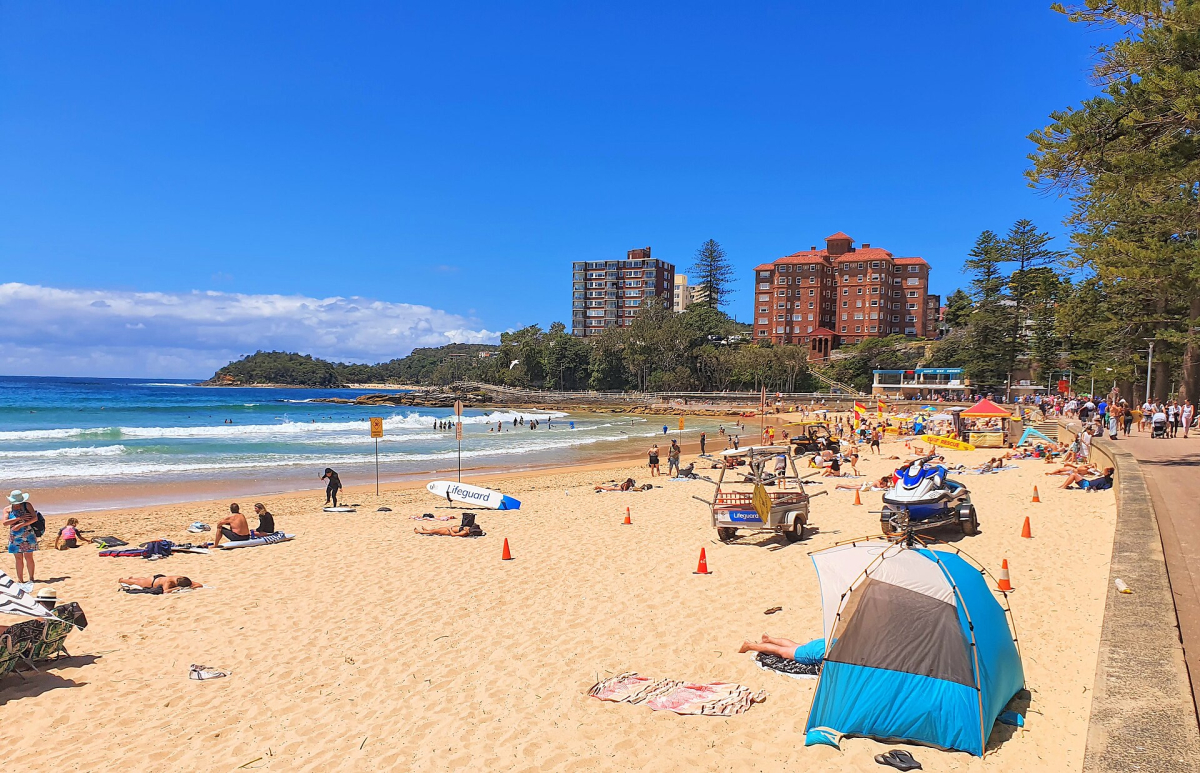
Surf photography in Australia can focus on action, the shape of a wave or the relationship between a beach and the people using it. The right preparation begins with a safe land-based position and an understanding of what the image actually shows. A photograph of Manly or another surf beach does not certify water conditions or identify a particular surfer or event.
Choose action or coastal context
For action, observe the pattern of waves and decide where a subject is likely to move within the frame. A suitable focal length can help from a safe position without entering unfamiliar water. Leave enough space in the direction of movement and avoid assuming that the closest surfer is necessarily the strongest subject.
A wider coastal photograph can explain the beach, horizon and activity without isolating an individual. That is a different purpose from a close action portrait and should be captioned accordingly. If the source only establishes the beach setting, do not invent a competition, athlete or manoeuvre to make the description more dramatic.
Keep the photographer out of the hazard
Use authorised ground and remain alert to waves, slippery surfaces, traffic and other beach users. A longer lens does not justify standing on an exposed rock platform or crossing a barrier. The safest composition may be less close to the water than the image you first imagined.
This guide does not recommend entering the surf with a camera. Water photography requires its own skill, equipment, supervision and local assessment. If swimming or a lesson is part of the visit, make that decision separately using current patrols and qualified advice. The presence of experienced surfers does not establish suitable conditions for everyone else.
Work with light, timing and equipment limits
The direction of the actual scene matters more than a generic claim that every beach is best at sunrise or sunset. Observe glare, contrast and the visibility of the subject. A different position within the permitted area may separate a person from bright water without requiring an unsafe approach.
Use camera settings appropriate to the result you want and the equipment you have, then review the image. Faster shutter choices can help freeze movement; deliberate blur is a different creative decision. No single setting guarantees a sharp frame in every light. Practise from a stable, safe position rather than changing equipment while distracted at the water’s edge.
Respect people and describe the scene accurately
Ask before identifiable close portraits where appropriate, especially when the person is no longer a distant part of a wider scene. Do not photograph someone in distress as though it were an entertainment subject. If a person needs help, alert the relevant trained service and prioritise the situation over the camera.
Use Manly Beach photography for the specific coastal setting and Beaches for destination and swimming decisions. This page’s distinct contribution is the action-photography process and the separation between obtaining an image and deciding to enter the water.
Frequently Asked Questions
Do I need to enter the water for surf photographs?
No. A safe authorised land-based viewpoint can support action or coastal-context photography. Water photography is a separate activity requiring appropriate preparation.
Can I name the surfer from appearance alone?
Do not invent an identity, event or manoeuvre. Use only what the source and the actual scene establish.

