
AUSTRALIA TRAVEL GUIDE
Sydney Harbour Photography: Foreshore Views, Ferries & Light
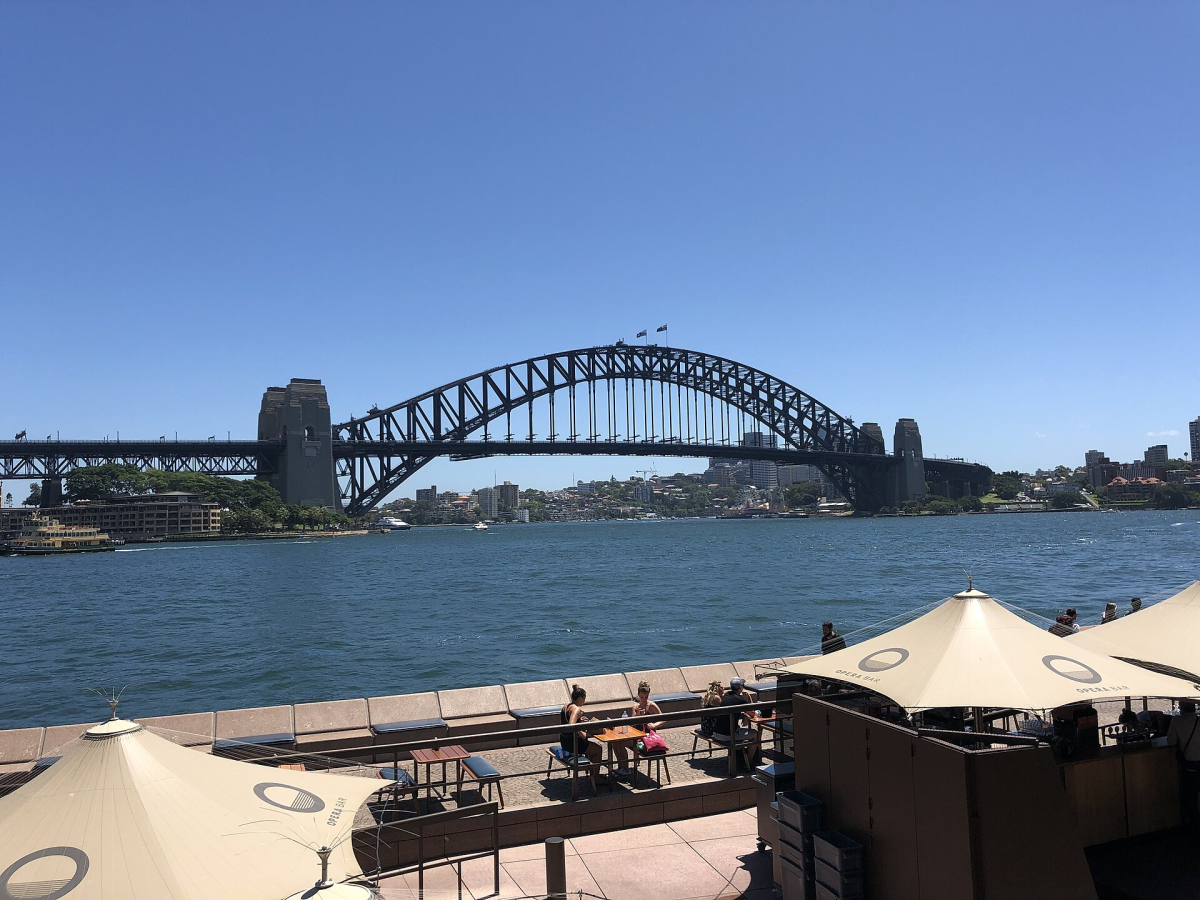
Sydney Harbour photography can show architecture, a working waterway and the relationship between the city and its foreshore. The Opera House, Harbour Bridge, ferries and shoreline offer different subjects within the same setting. Choose the relationship you want to explain rather than trying to include every landmark in one frame.
Decide what the image is about
A wide panorama can establish the harbour’s scale, while a more selective frame can connect one landmark with the water or city behind it. Watch the horizon and the edges of the composition. A small change from a permitted position may remove a distracting pole or separate a ferry from a building.
The photograph’s camera location must come from reliable source information if it is stated. Do not infer a public lookout, access route or exact coordinate from the angle alone. A historic view from a structure or vessel is not evidence that the same position is available to an ordinary visitor today.
Let the waterway contribute to the frame
Ferries and other vessels can provide scale and show the harbour’s function, but they also change the scene rapidly. Observe their movement without obstructing a wharf or crew. A public ferry is transport first; keep equipment within your space and follow instructions rather than treating the vessel as a private photography platform.
Reflections depend on wind, light and water movement. A smooth reflection in a reference image is not a condition you can reserve. Choose a composition that still works when the water is textured, or use the movement as part of the picture. Avoid claiming a tide or weather condition that the source does not establish.
Compare daylight and evening views
Daylight can reveal the harbour’s geography, while evening light can simplify buildings into shapes and illuminated detail. Choose a lawful position and a return journey that fits the actual hour. A familiar foreshore can present different visibility and crowd conditions after dark.
If a tripod is permitted, keep it clear of paths and other visitors. Do not step into a road, climb a barrier or block an entrance for a cleaner view. A successful photograph should not depend on making the public space less usable for everyone else. Check event-related restrictions when the waterfront is busy.
Build a harbour visit around the camera plan
Compare a walk, ferry outing, garden visit and performance as separate activities with their own timing. Leaving some flexibility makes it easier to respond to light and weather without missing a booked departure. A photograph of the Opera House does not establish access to an interior tour or performance.
Use Sydney Harbour Bridge photography for the structure-specific subject and Royal Botanic Garden Sydney for planting and garden context. Their different purposes help create a varied visual record rather than repeating one panorama under several labels.
Frequently Asked Questions
Does a harbour photograph prove the exact viewpoint is public?
No. Check the source and current access. A view may have been made from a vessel, private area or restricted position.
Are smooth reflections guaranteed in the evening?
No. Wind, water movement and light change. Plan a composition that can respond to the actual conditions.

