
AUSTRALIA TRAVEL GUIDE
Yarra River, Melbourne: Reflections, Bridges & Photography
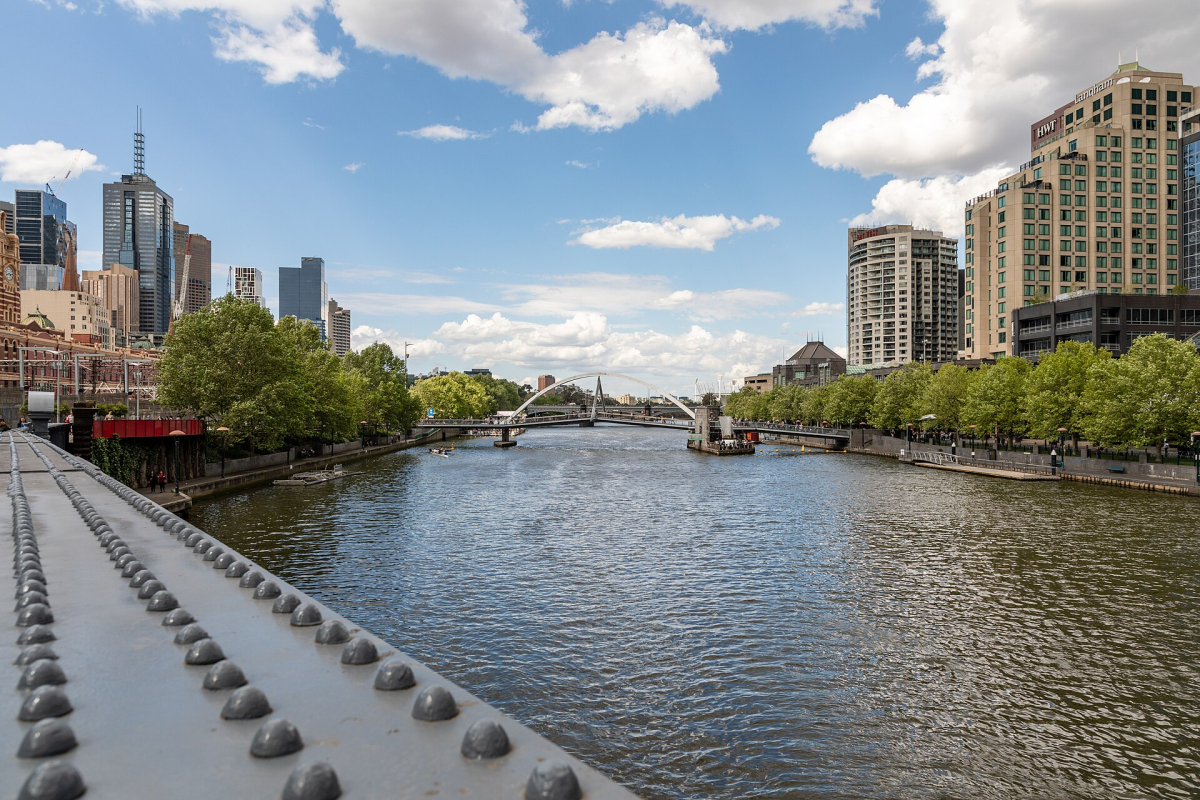
The Yarra River offers a Melbourne photographic subject built around water, bridges, buildings and the movement of the city. A photograph can establish the river corridor or isolate a smaller relationship between a reflection and the structure above it. Choose the purpose before including every illuminated building or passing boat.
Use the river to organise the composition
A bridge or river edge can guide the eye through the frame, while a clear foreground gives the city context. Compare positions on authorised public routes and watch the horizon. A small change can separate overlapping buildings or reduce a distraction without requiring access to a private terrace or an exposed edge.
Keep the actual river section accurate in the caption. A general Melbourne skyline does not automatically establish a specific bridge, bank or camera position. State only what the source supports. If the photograph is a wider city view, explain that role rather than inventing a precise location to make it sound more useful.
Reflections change with conditions
Wind, current, boat movement and light affect the surface. A smooth reflection in an evening image is not a feature that will remain identical on your visit. A textured surface can still contribute colour and movement, while daylight can make the river’s geographic role clearer.
Choose equipment settings for the effect you want, then review the result from a safe position. A longer exposure can change water and moving lights, but it is not a guarantee of a better photograph. If a tripod is permitted, keep it clear of the path and remain aware of people walking or cycling nearby.
Photograph after dark with a return plan
Check the route from the accommodation and the journey back at the actual hour. A pleasant daytime path can have different lighting and activity after dark. Stay on authorised ground, keep attention on edges and avoid stepping into a road for a cleaner skyline.
Respect people using the riverfront for their own evening. Ask before close portraits, do not obstruct entrances and follow venue or event rules. A public setting does not make a performance, artwork or identifiable person an unrestricted subject for every kind of publication.
Combine river and city subjects without repetition
A river walk can connect with another central Melbourne interest, provided the timing and transport remain realistic. Leave enough time to observe rather than rushing between a series of near-identical viewpoints. A daytime view can explain the river corridor, while an evening reflection emphasises colour, light and movement.
Use Federation Square photography for the architectural public-space subject and Nightlife for the evening plan. This page’s separate value is the river composition and the care needed around changing water, movement and public access.
Frequently Asked Questions
Will the reflection look exactly like the photograph?
No. Water movement, light and weather change. Use the reference to understand a composition rather than to promise identical conditions.
Does a river image identify the exact bank or bridge?
Only when reliable source information supports that detail. Do not invent a camera position from a broad skyline alone.

