
AUSTRALIA TRAVEL GUIDE
Australia Shopping: Local Gifts, Markets & City Shopping Areas
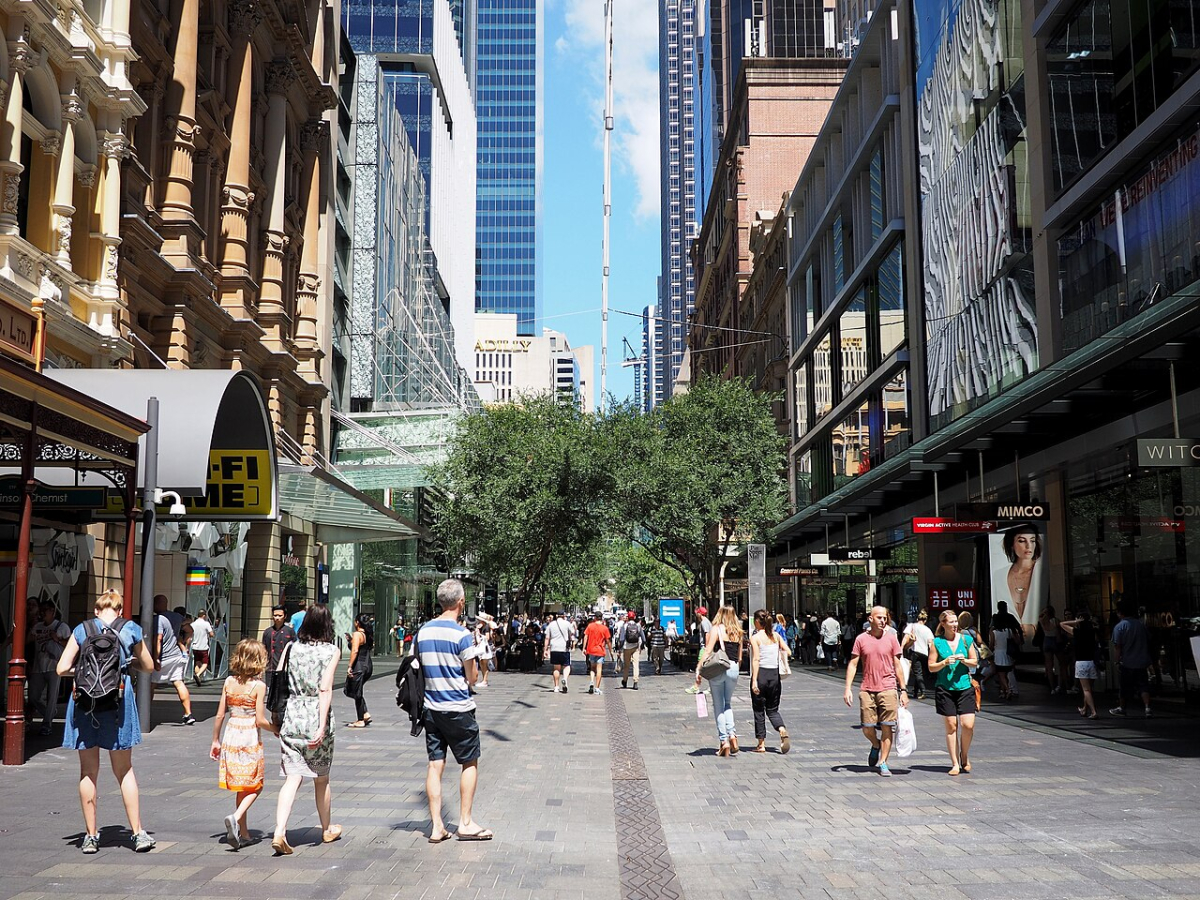
A good Australian purchase connects the recipient, the maker and the journey home. Merino knitwear, a well-fitted hat, opal jewellery, an artist’s print or a small locally designed object can each suit a different traveller. The useful question is which item you will enjoy using, and what the seller can explain about its materials, origin and care.
Choose shopping stops in the cities already on your route. Sydney’s heritage arcades, Melbourne’s market traders, Brisbane and Adelaide’s central shopping precincts, and the markets of Fremantle and Hobart serve different needs. This guide helps you select gifts and places to buy them. For meals, ingredients and ordering, use Food & Drink.
Choose a gift that fits the person and the journey
Start with use and portability. A scarf is easier to fit than a tailored garment; a print can travel flat but still needs protection; a wooden bowl may need more luggage space than expected. Set a total purchase limit before browsing, including packaging, delivery and any cost of carrying the item on the remaining trip.
Swipe horizontally if needed to compare all columns.
| Gift idea | Who it can suit | Ask before buying | Packing decision |
|---|---|---|---|
| Merino knitwear or accessories | Someone who will use warm clothing | Fibre percentages, country of manufacture, fit and washing instructions | Allow space and keep the care label |
| A fitted hat | A wearer who can choose the size and style | Material, maker, fit, care and exchange terms | Protect the crown and brim; confirm baggage arrangements |
| Opal jewellery | A recipient with a known jewellery preference | Stone type, any assembly or treatment, setting and written description | Use a protective case and retain the itemised invoice |
| First Nations artwork or licensed design | Someone interested in an identified artist’s work | Artist, place, seller’s relationship and how the artist benefits | Ask about safe packing, documentation and delivery |
| Books, prints or small design objects | Readers or people with a specific home or design interest | Creator, edition, maker and production location | Compare weight, flat packing and fragility |
| Packaged food or drink | A recipient whose tastes and dietary needs you know | Ingredients, origin, shelf life and storage | Check every onward border and carrier before purchasing |
Wool, hats and wearable gifts
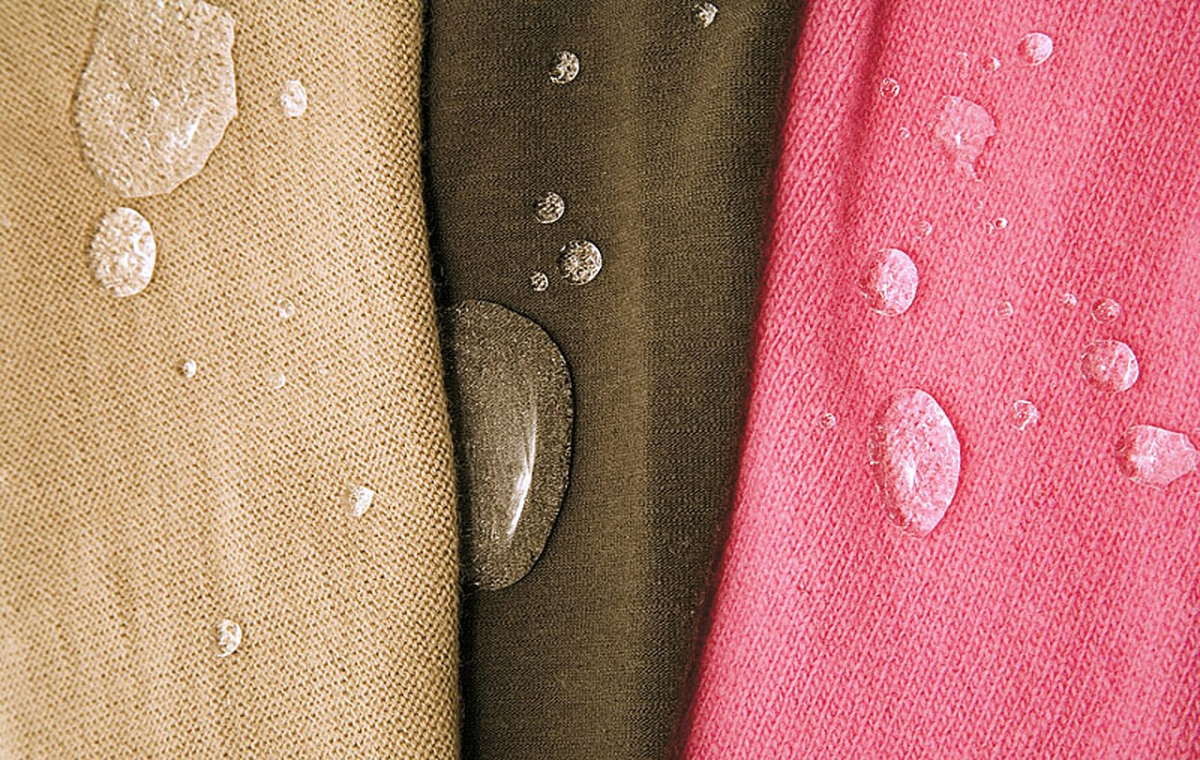
Read the fibre label on knitwear rather than buying by softness or a national symbol. Merino, a wool blend and a garment containing possum fibre are different products. Ask whether the stated origin refers to the fibre, the garment’s manufacture or the business. For a gift, a scarf or other accessory can reduce the uncertainty of clothing sizes.
Danny’s Knitwear at Queen Victoria Market is one named option for investigating merino clothing. Check the exact garment’s composition and origin; a retailer’s mixed range should not be treated as one uniform product. For hats, the Akubra store in Sydney’s Strand Arcade offers a specific fitting stop. Try the hat on and discuss how to transport it before paying.
Opal jewellery: compare the actual stone and setting

Choose an opal for its appearance and intended use, supported by a clear written description. Ask whether it is a solid stone, a composite doublet or triplet, a synthetic stone or an imitation, and whether any treatment has been applied. The Australian Museum explains these distinctions; a bright colour or a label saying “Australian” is not a complete identification.
Ask the seller to identify the stone, setting material and care requirements on the invoice. A specialist assessment may be appropriate for a significant purchase. The museum’s opal guide also explains why sudden temperature or humidity changes can damage some opals. Pack the item carefully and follow advice for its actual construction rather than applying one cleaning method to every piece.
Check the maker, origin and benefit
“Australian brand”, “designed in Australia” and a claim about manufacture answer different questions. Look at the product itself and ask the seller to explain an unclear label. The ACCC’s country-of-origin guidance distinguishes making, growing, producing and packing. A kangaroo on souvenir packaging should not replace a specific, supportable origin statement.
For Aboriginal and Torres Strait Islander art or products featuring an artist’s work, identify the artist and their connection to the work. Ask about the seller’s relationship and the payment or licensing arrangement. Indigenous Art Code’s buyer guidance encourages engaged questions and explains what Code Signatories commit to. Membership is useful information to investigate, rather than a reason to stop asking questions. Keep the artist and artwork documentation supplied with a purchase.
Compare shopping areas along your route
The places below are a selection across six city bases, not a reason to add flights for shopping. A precinct containing international brands serves a different purpose from a maker’s market. Check the directory for your intended purchase, then confirm its individual trading arrangements. Market days and temporary events are especially important.
Swipe horizontally if needed to compare all columns.
| Place | Useful shopping purpose | Key visit check |
|---|---|---|
| Queen Victoria Building, Sydney | Fashion, accessories and specialist shops in a heritage centre | Specific retailer and floor opening times |
| Queen Victoria Market, Melbourne | Compare clothing, gifts and independent traders | Ordinary day markets Tuesday, Thursday, Friday, Saturday and Sunday; holiday exceptions and night events are separate |
| Queen Street Mall, Brisbane | Central shopping centres, arcades and street-front retailers | Individual store hours and current precinct works |
| Rundle Mall, Adelaide | A central precinct for clothing, beauty, department-store and gift shopping | Chosen store, arcade entrance and actual hours |
| Fremantle Markets, Western Australia | Independent stalls, gifts and local-maker enquiries | Friday–Sunday and Monday public holidays; Hall and Yard start at different times |
| Salamanca Market, Hobart | Tasmanian makers, design and gift browsing | Published regular programme: Saturday, 8.30 am–3 pm; check the date’s trading list |
Sydney: Queen Victoria Building
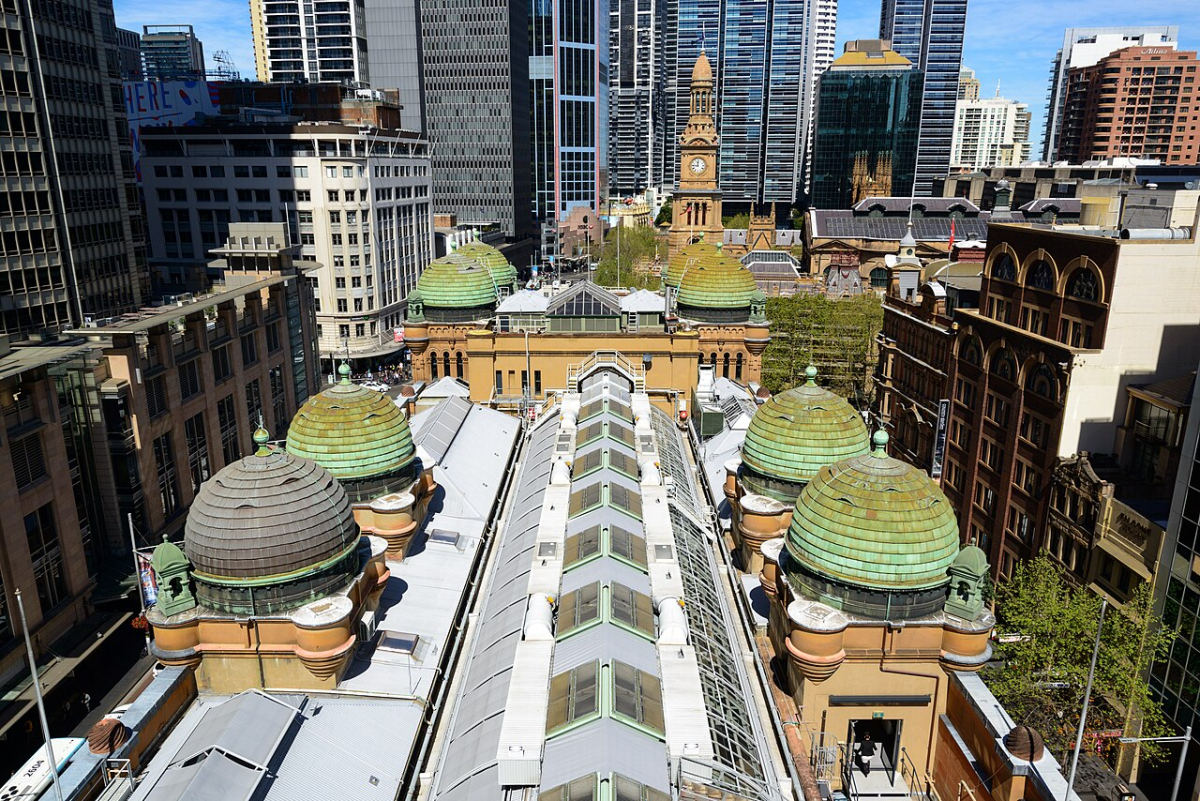
The Queen Victoria Building, at 455 George Street, brings shopping into a substantial heritage interior. It is useful for comparing fashion, accessories and specialist retailers during a central Sydney day. Its Australian and international brands should be assessed item by item; the building itself does not establish a product’s local manufacture.
Choose a few shops from the current directory before entering. Confirm the retailer’s hours and level, since upper-floor trading can differ from the centre’s main opening pattern. If finding a particular product matters more than browsing, contact the store first about its size, colour or availability.
Melbourne: Queen Victoria Market
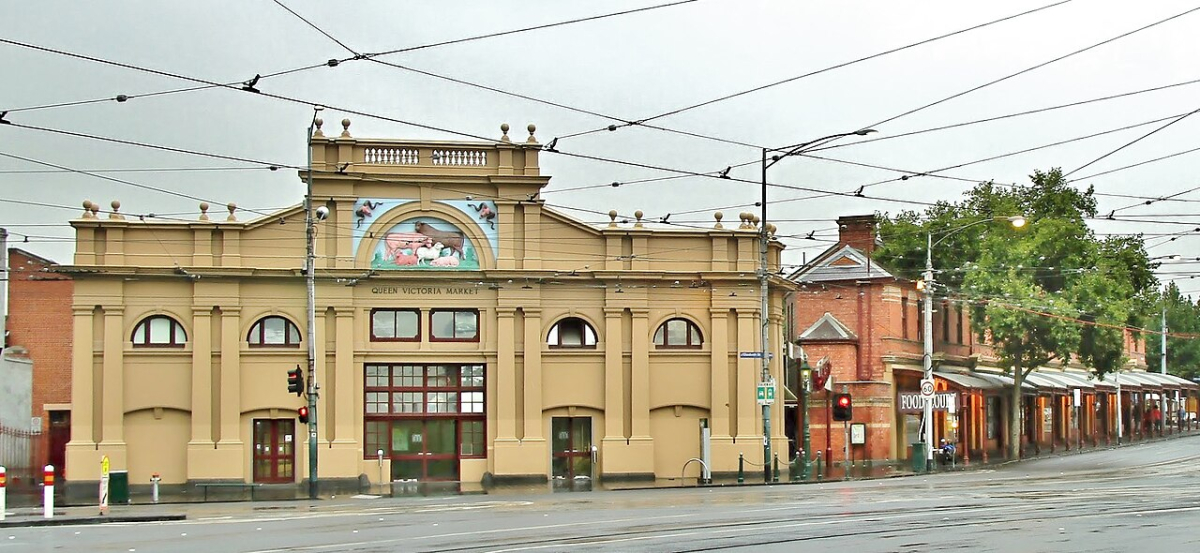
Queen Victoria Market is useful when you want to compare traders as well as products. Its specialty-stall directory covers clothing, gifts, homewares and other purchases. Look for an item’s actual maker and materials. A market setting is not a guarantee that every product is Australian-made or cheaper than elsewhere.
The ordinary day-market pattern is Tuesday, Thursday, Friday, Saturday and Sunday, with specialty shopping opening from 9 am. Check the official date before travelling: public holidays can override that pattern, and an advertised night market or special event has its own programme. The visitor page also flags surrounding renewal and road works, so review the current entrance and journey.
Brisbane: Queen Street Mall
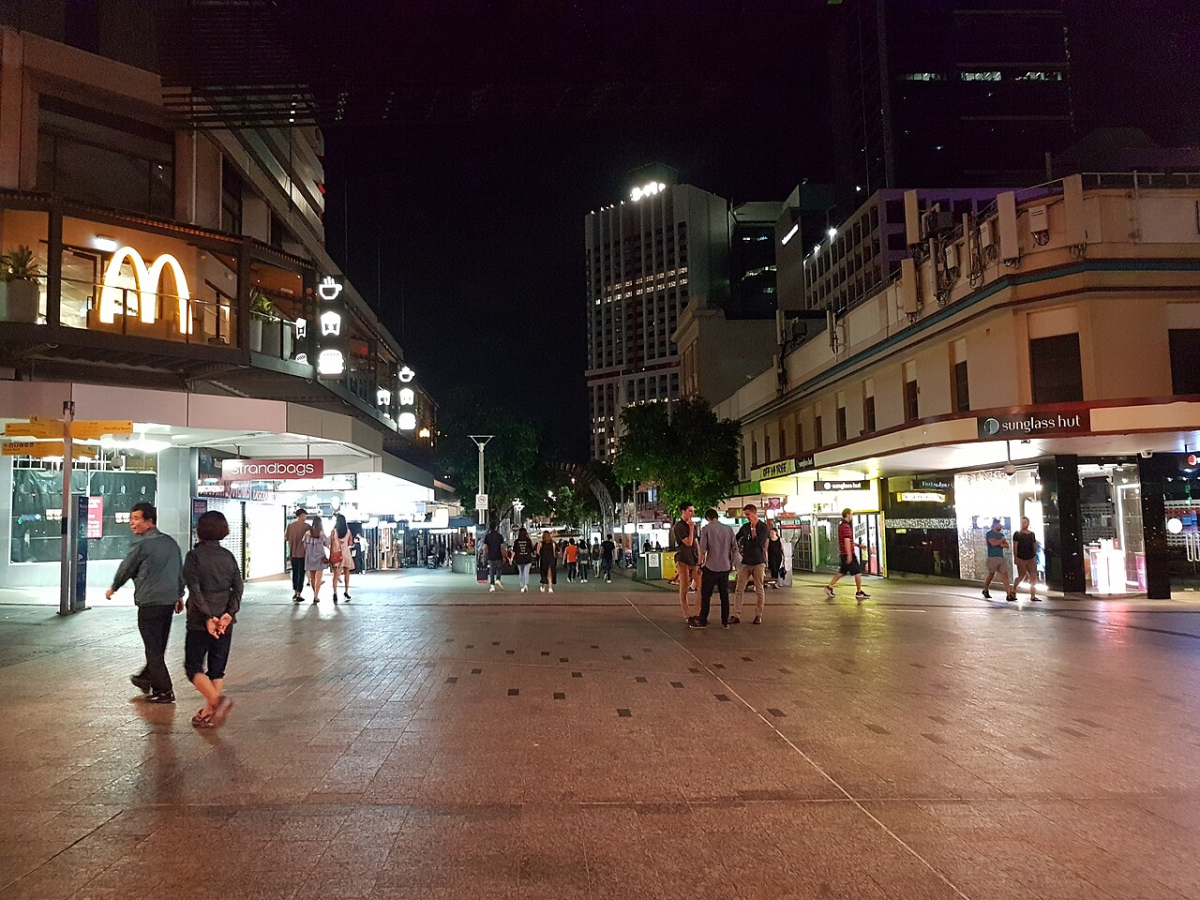
Queen Street Mall is an open-air central shopping precinct connected with arcades and shopping centres. It suits a practical comparison of clothing, accessories and other retail purchases, including Australian and international brands. Choose the actual shops you want rather than treating the precinct as one store with a single stock list.
Individual retailers set their hours. The council also publishes information about the Albert Street extension, so check current entrances and works before planning an access-dependent journey. An open public pedestrian area does not mean every shop or internal passage is open at the same time.
Adelaide: Rundle Mall
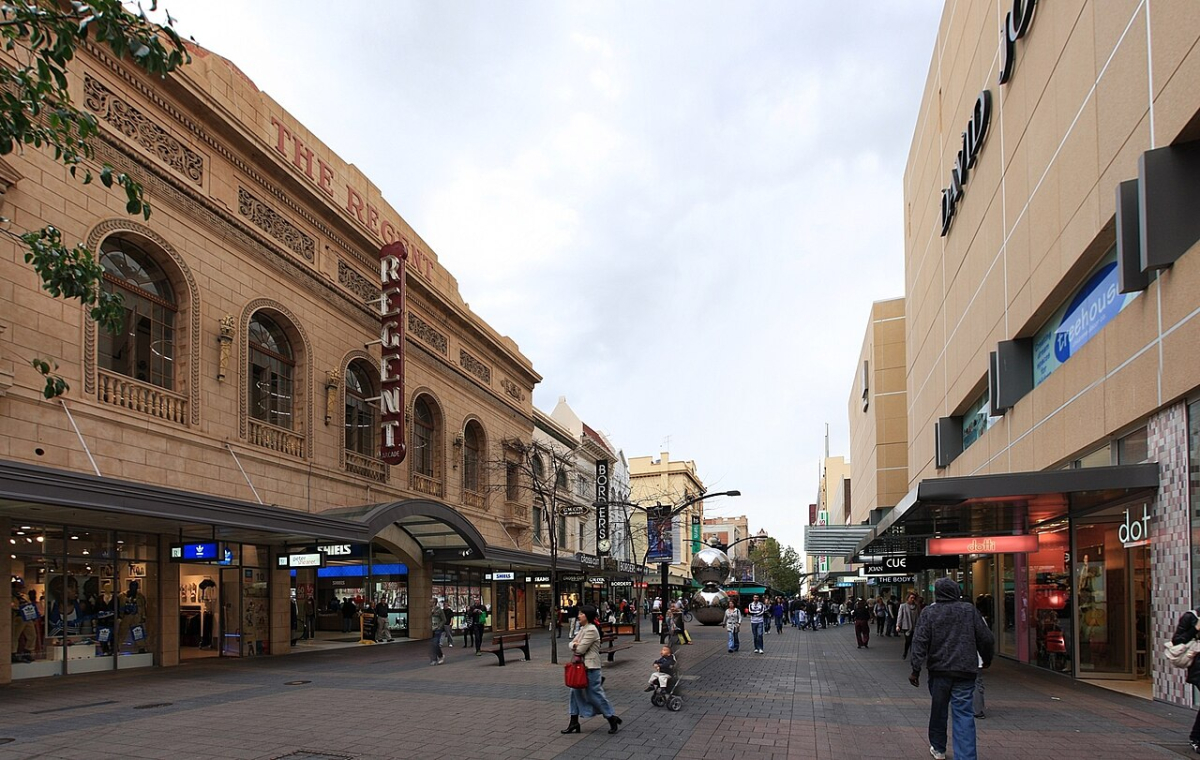
Rundle Mall’s store directory helps you choose retailers in Adelaide’s central shopping precinct. It is a practical stop for clothing, beauty and gifts when you already have a city day. For one specific indoor option, Adelaide Central Plaza at 100 Rundle Mall lists its stores, centre information and services.
Check the exact retailer and entrance before setting out, especially if lifts, toilets or an accessible route are important to the visit. A centre’s general hours are not necessarily those of its department store or every shop. Compare the purchase itself; an international label sold in Adelaide is not automatically a South Australian-made souvenir.
Western Australia: Fremantle Markets
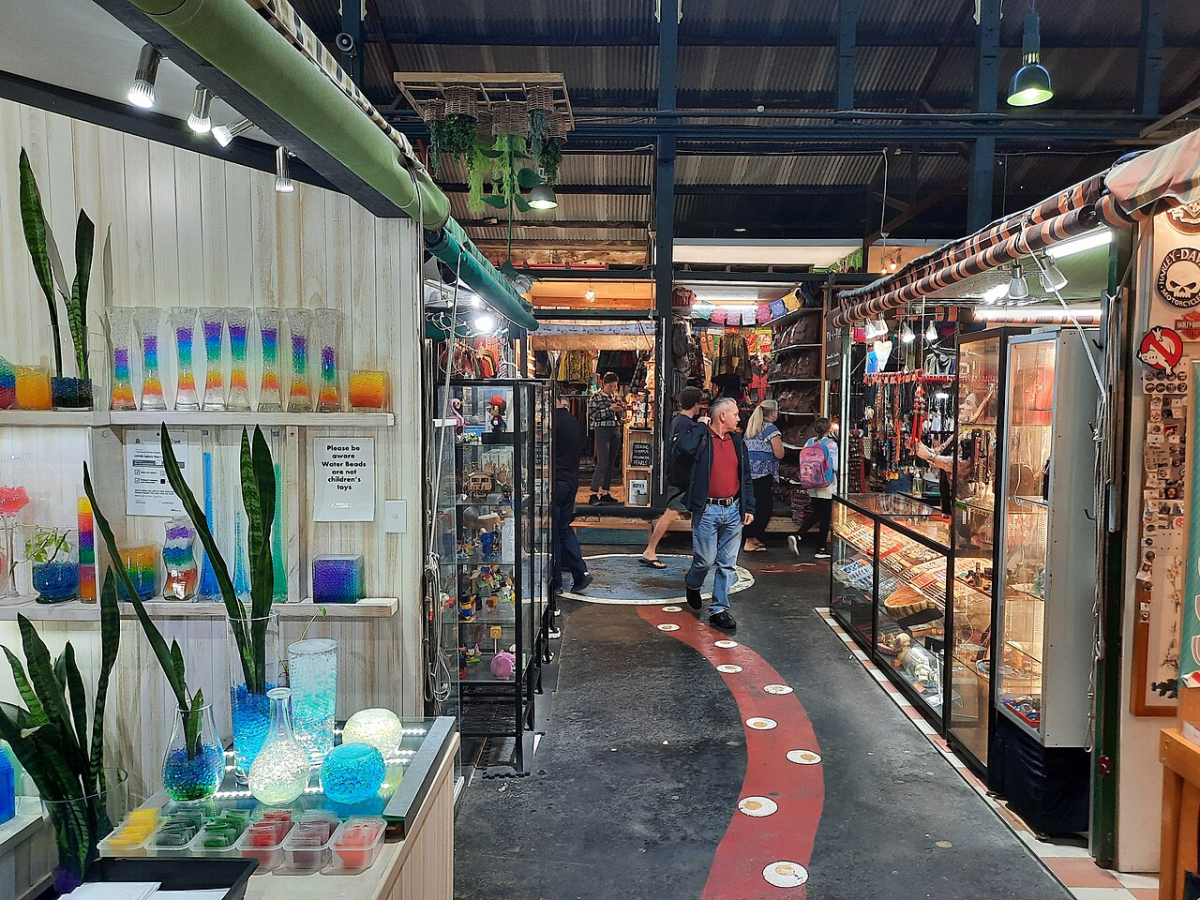
Fremantle Markets, at 74 South Terrace, offers independent stalls alongside food shopping. The operator’s trader directory can help you identify gifts, jewellery, clothing or other products before visiting. Ask which items are made locally; the market contains a varied mix rather than one common production origin.
The published trading pattern is Friday, Saturday and Sunday, plus Monday public holidays. The Yard starts from 8 am and the Hall from 9 am, with closing at 6 pm. Recheck the actual date and chosen trader. The market can form part of a Fremantle day from a Perth-area base, but compare the return journey and the space needed for purchases.
Hobart: Salamanca Market
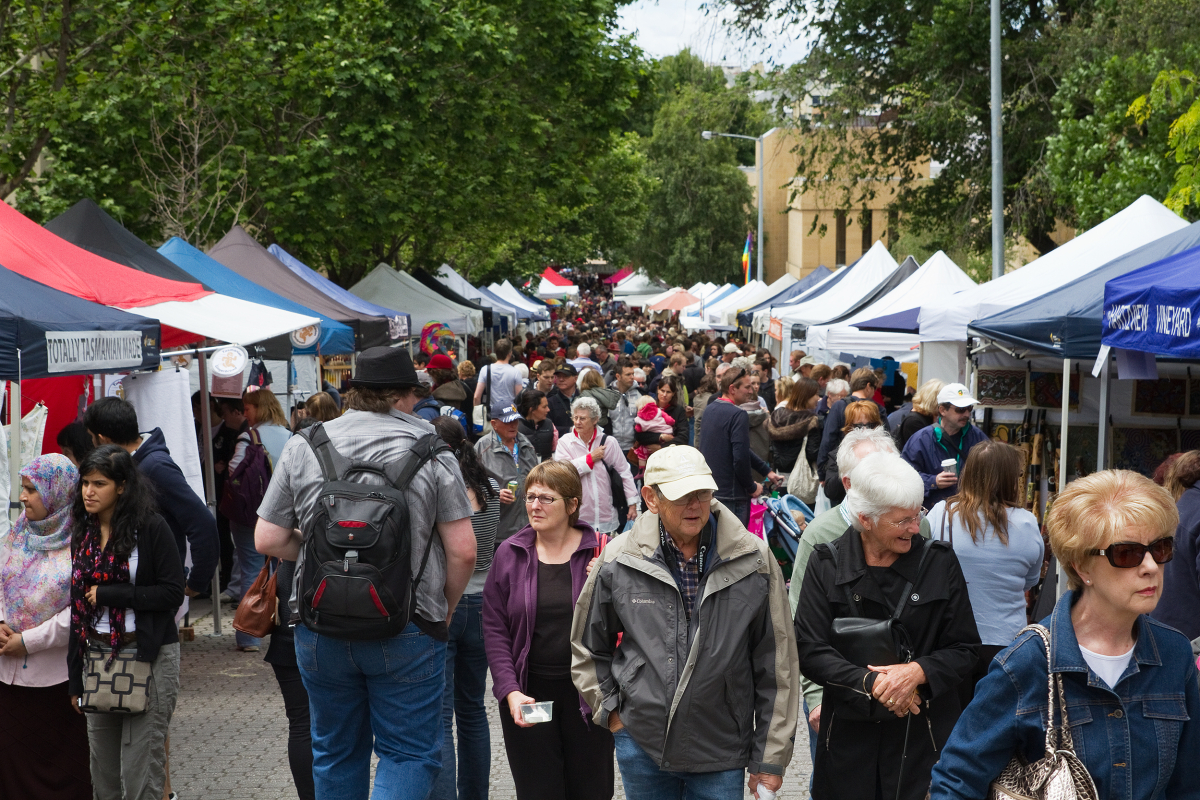
Salamanca Market is a Saturday shopping option at Salamanca Place in Hobart. The City of Hobart-operated market publishes a regular 8.30 am–3 pm programme and a date-specific stallholder list. Use that list to decide which makers you want to find rather than assuming every stall in an older photograph will be trading.
Ask about the material, maker and care of a design object, print, garment or other gift. For fragile or larger pieces, compare packaging and delivery before paying. A market visit can work with a Hobart waterfront outing; keep the shopping budget distinct from the meals and activities described in the Food & Drink guide.
Build a compact local shopping route
In Sydney, begin with the QVB shops relevant to your list, then continue along George Street towards the Strand Arcade. The arcade has George Street and Pitt Street entrances, allowing you to connect with Pitt Street Mall. Add another district only if the remaining time, walking conditions and purchases make it worthwhile.
Keep browsing time flexible and put any essential fitting or store enquiry first. If the item will be bulky, finish near a convenient return journey instead of carrying it through every later stop. In other cities, apply the same method: pick one precinct or market that is actually trading, then combine neighbouring interests. Use Getting Around for transport choices; this sequence is not a timed or independently tested accessible walking route.
Keep receipts and check the total cost
Ask for a description that identifies the actual product, especially for jewellery or an artwork. Keep receipts, maker details, care instructions and any delivery agreement together. Confirm the final amount, payment conditions and the cost of packing or shipping before paying; a displayed item price may not answer all those practical questions.
A store’s change-of-mind policy and remedies for a faulty or misdescribed product are different matters. The ACCC explains the distinction. Do not assume an unwanted gift can automatically be returned after you leave the country. Ask about the retailer’s process and retain a way to contact it from abroad.
Pack for every remaining journey
Consider the route before buying food, plants, animal material, untreated wood or a fragile object. The Australian Government’s domestic-travel biosecurity guidance points to restrictions that can apply when goods move between regions. International arrival clearance does not make every later domestic movement unrestricted.
For the flight home, check your carrier’s luggage and security rules and the destination country’s import requirements. Commercial packaging does not by itself settle those conditions. Keep food ingredients and origin labels readable, protect sharp or breakable items appropriately, and compare the full cost of delivery with carrying the purchase. A small, useful gift can be a better choice than an object whose transport you have not resolved.
Tourist Refund Scheme: check eligibility before buying
Official conditions checked 2 November 2026. Australia’s Tourist Refund Scheme is conditional. ABF’s retailer guidance states a minimum AUD300 including GST from one ABN, with purchases within 60 days of departure. Keep the correct original tax invoice; invoices of AUD1,000 or more must identify the purchaser.
Read ABF’s claiming instructions before check-in, particularly for oversized or restricted goods that need inspection first. The claim is made at the final departure port and the goods and invoices must be available as required. Do not treat a possible refund as a guaranteed discount, or assume separately posted goods follow the same process.
Frequently Asked Questions
Does an Australian brand mean the product was made in Australia?
No. The brand, design location, materials and manufacturing location can be different. Read the item’s origin statement and ask the seller to clarify it.
Can I visit these markets on any day of the week?
No. Queen Victoria Market, Fremantle Markets and Salamanca Market have different trading patterns. Check the specific date, public-holiday changes and the trader you want before making the journey.
What should I ask before buying First Nations art?
Identify the artist, their connection to the work, the seller’s relationship and how the artist is paid or benefits. Keep the supplied documentation and use Indigenous Art Code’s buyer resources.
Are all purchases eligible for a GST refund?
No. TRS eligibility, invoices, the supplier’s ABN, timing, the type of goods and the export/inspection process all matter. Check ABF’s current conditions before spending.
Can I take packaged food or a wooden gift straight home?
Check every remaining Australian movement, the carrier and the destination country before buying. Packaging or a shop’s general reassurance is not a substitute for the rules relevant to your item.



