
AUSTRALIA TRAVEL GUIDE
Great Ocean Road Photography: Viewpoints, Light & Safe Stops
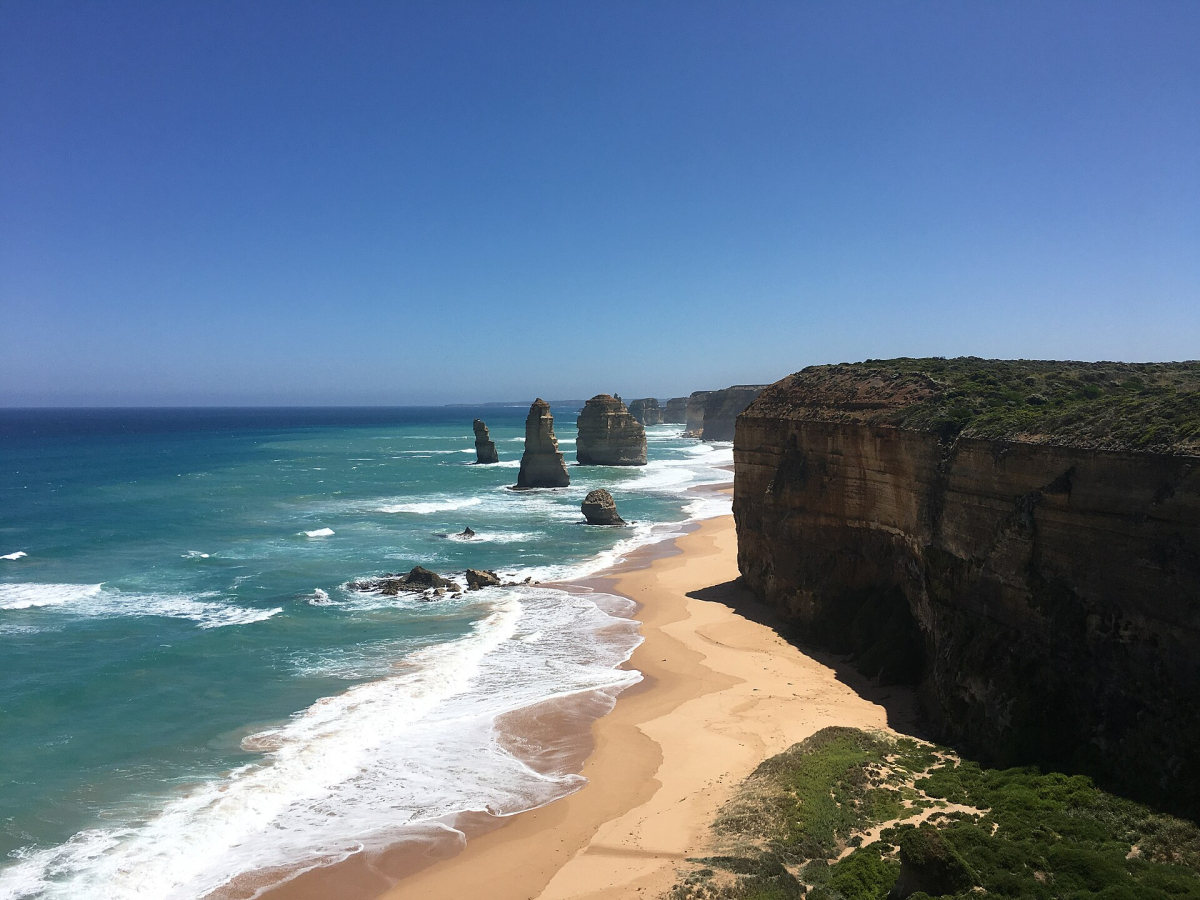
Great Ocean Road photography is a journey through changing coastal scenery rather than a single camera stop. The Twelve Apostles provide a recognisable subject, but towns, headlands, vegetation and weather can create a broader visual record. Give the drive enough time that photography does not depend on hurried or unsafe stopping.
Separate the road journey from the viewpoint
Choose the part of the coast you want to explore and identify lawful parking before the day. A view glimpsed from a moving vehicle is not an instruction to brake suddenly or stop on a narrow shoulder. The driver should concentrate on the road, while any spontaneous photographic idea waits for an appropriate stopping place.
An overnight stop can create more flexibility than a very long return day from Melbourne. Compare the time needed for driving, meals, viewpoints and the next accommodation. A sequence containing every famous stop can leave little room for the actual weather or the pleasure of observing a place.
Compose the Twelve Apostles from authorised ground
Use designated visitor areas and follow current barriers and signs. Coastal erosion and management changes can alter what is accessible. An older photograph may show a feature or position that no longer looks the same; do not cross a barrier to reproduce it.
Decide how much foreground, sea and sky the frame needs. A wide view can show the coastal relationship, while a tighter composition can isolate a stack and the pattern of surf. Keep horizons deliberate and watch the edge of the frame for distractions, without leaning into an exposed position for a marginally cleaner angle.
Work with changing coastal conditions
Cloud, haze, wind and rain can change the scene quickly. A dramatic sunset is not guaranteed, and a grey day can still reveal texture, scale and the sea’s movement. Choose a composition that suits the conditions rather than waiting in an unsuitable place for the sky to match a reference image.
Protect equipment from spray and sand while keeping attention on the surroundings. A tripod may be useful in some circumstances but inconvenient in a crowded viewing area. Follow local rules and leave room for others. The photograph does not justify blocking a public platform or ignoring a direction from staff.
Caption a coastline that changes
Identify the actual place and source context without implying that every visible formation remains unchanged. Preserve a supplied capture date when it helps explain the scene. Do not invent the exact camera position, tide or weather from appearance alone.
Use Attractions for the coast’s broader visitor role and Itineraries for time allocation. This guide’s separate contribution is the photographic process: safe stopping, authorised viewpoints and compositions that remain worthwhile when the light differs from the image you first saw.
Frequently Asked Questions
Is sunset the only worthwhile time?
No. Different light and weather can support different compositions. Choose a safe visit that fits the actual conditions and driving plan.
Can I use an old photograph to find an unmarked viewpoint?
Do not infer present access from an image. Follow current visitor areas, barriers and local instructions.

