
CHINA · SHANGHAI GUIDE
Shanghai Travel Guide
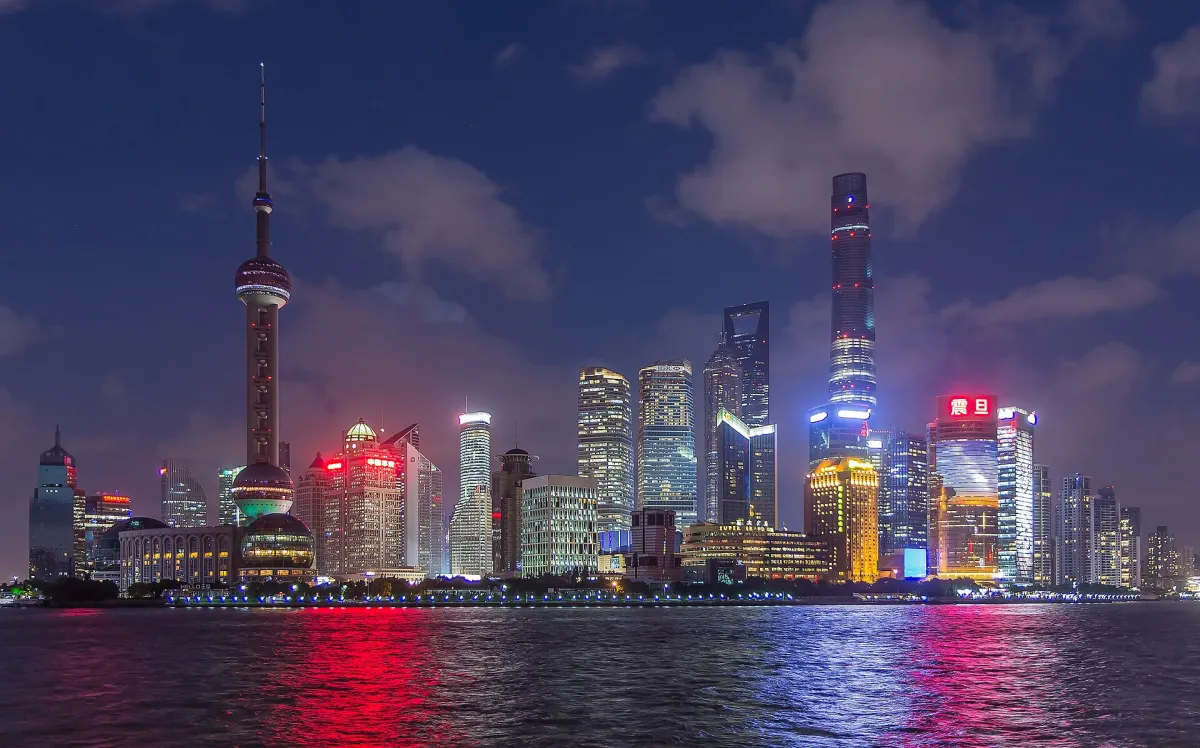

Shanghai rewards a trip planned around neighbourhoods rather than a race between towers. The Huangpu River divides the historic Bund and much of the older city in Puxi from Lujiazui’s skyline in Pudong. Between them are working streets, Jiangnan gardens, museums and a food culture that extends well beyond a basket of dumplings. Allow time to cross the river, sit down for lunch and explore one district on foot.
Shanghai at a Glance
On smaller screens, swipe or scroll horizontally to read the full table.
| Decision | A useful starting point | What changes the choice |
|---|---|---|
| Time | Three full sightseeing days | Add a day for a major museum, theme park or trip outside the centre. |
| Base | People’s Square, central Huangpu or Jing’an | Choose the actual metro station and hotel entrance, not simply “central Shanghai”. |
| Season | Spring or autumn for outdoor sightseeing | Rain, holiday crowds and heat can matter more than average temperatures. |
| Arrival | Check PVG or SHA and your terminal | Airport Link, Metro Line 2 and Maglev perform different journeys. |
| Money | Renminbi (CNY/RMB), quoted in yuan | Prepare mobile payment plus a card and some cash; acceptance varies. |
| Larger trip | Shanghai plus one Lower Yangtze base | Use the China itineraries to avoid long detours. |
These are planning choices, not a minimum stay or a promise about weather, prices or transport availability.
What to Do in Shanghai
Start with the Bund to understand the city’s trading history, then give a different half-day to the old town and Yuyuan Garden. For permanent ancient Chinese art galleries, choose Shanghai Museum East in Pudong. The People’s Square building currently hosts a ticketed Americas exhibition rather than an alternative display of that Chinese collection; see the museum comparison before choosing your day. A tower visit makes most sense on a clear day; a ground-level riverside walk remains rewarding when cloud hides the observation decks.
Use Attractions to select places and Things to Do to choose experiences such as a breakfast walk, a ferry crossing or a park afternoon. They answer different decisions. The history guide explains shikumen lanes, treaty-port architecture and why the city cannot be reduced to “East meets West”.
How Many Days in Shanghai?
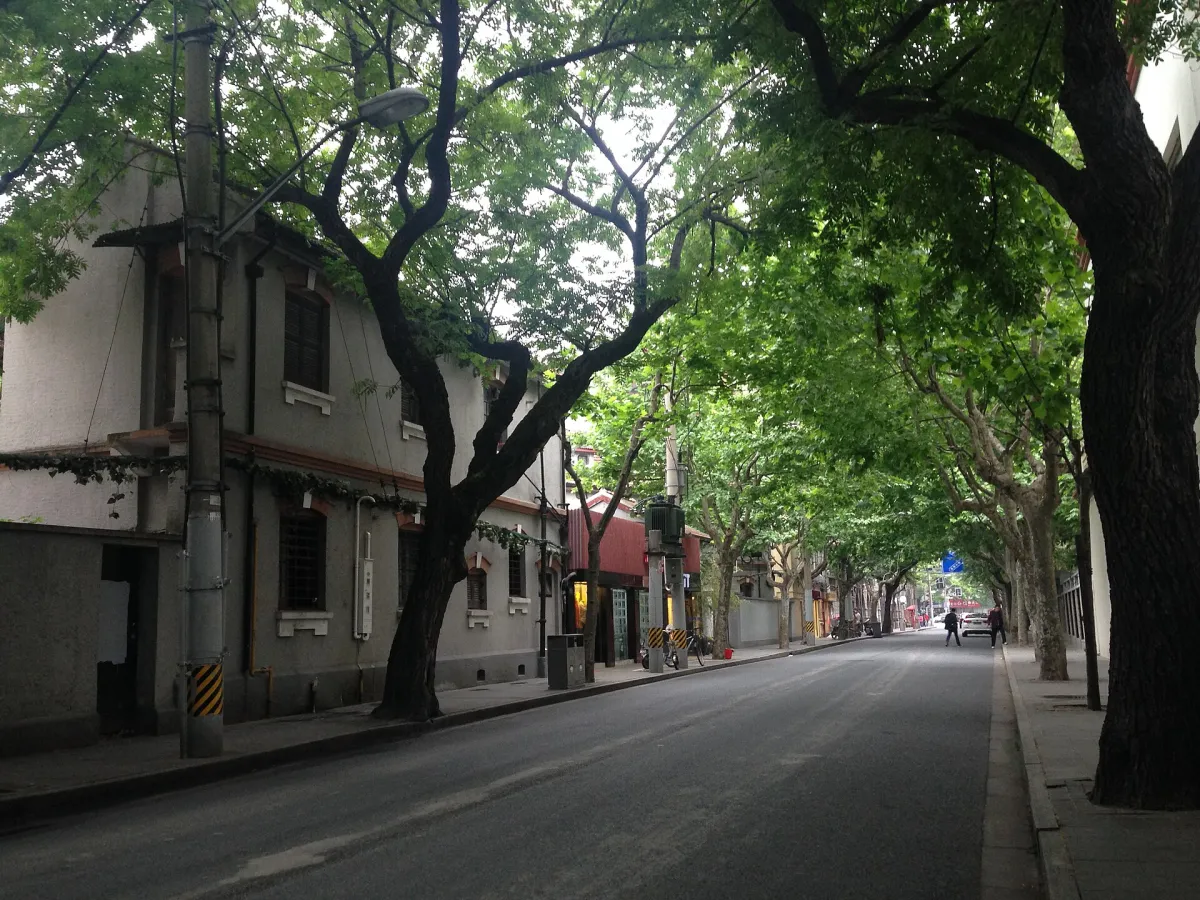

Two full days give you a selective introduction: an old-town and Bund day, then a museum and neighbourhood day. Three full days let you add Pudong without compressing everything into long cross-city journeys. Four or five days allow a slower pace or a separately planned day trip.
Count arrival and departure days separately. Four nights with a late first arrival and an early final departure yield three full sightseeing days. Our Shanghai itineraries build in meals, transport and weather alternatives rather than treating every calendar date as a full day.
Best Time to Visit Shanghai
Spring and autumn generally make walking more comfortable than humid midsummer or damp winter cold. Flowering and autumn colour vary each year. June’s rainy season can interrupt long outdoor days, while summer heat calls for indoor breaks. Typhoon-related warnings can affect transport and waterfront access.
The seasonal guide compares practical trade-offs. For a journey involving Beijing, Yunnan or southern China as well, consult China’s regional weather guide; Shanghai’s conditions do not describe the whole country.
Where to Stay in Shanghai
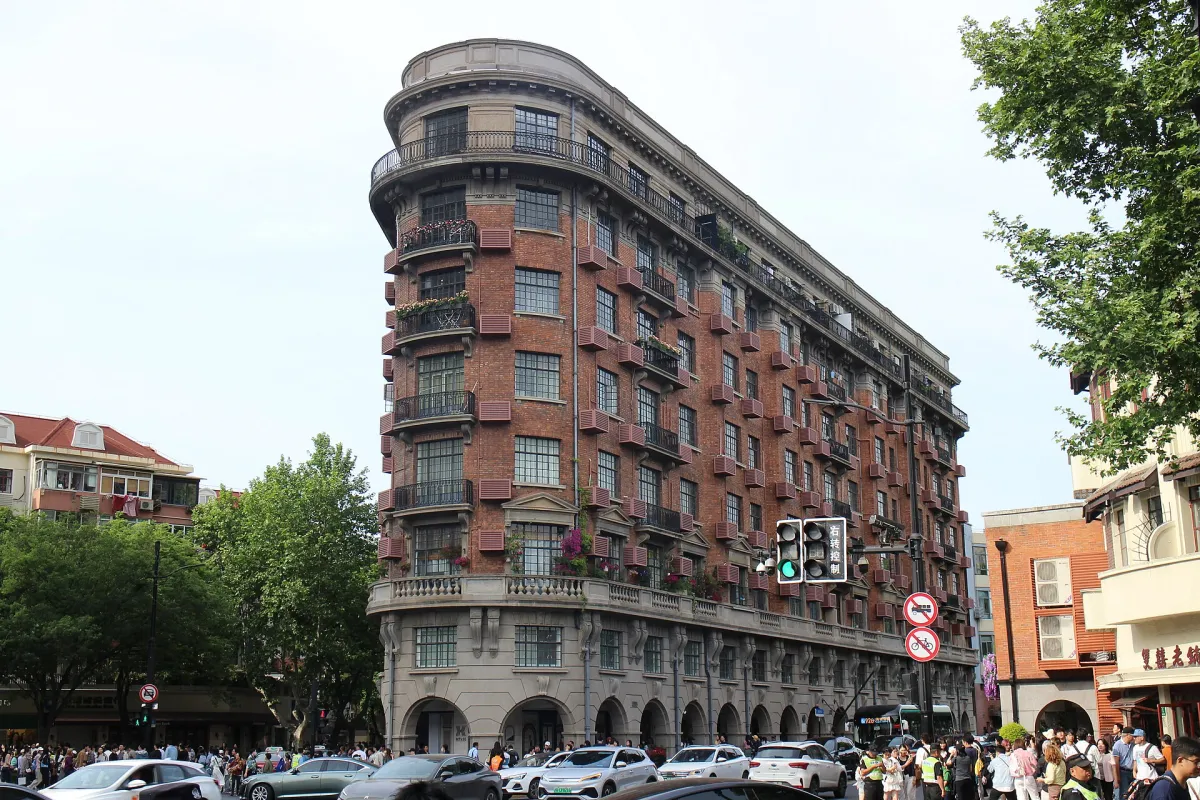

People’s Square works for central Puxi walks and metro connections; the ancient Chinese art collection at Shanghai Museum East requires a separate Pudong journey. The Bund is attractive for riverfront evenings but some hotels require a substantial walk from the station. Jing’an suits dining and shopping; the former French Concession area favours slower neighbourhood walks. Lujiazui suits skyline views and Pudong business plans but adds river crossings to many older-city visits.
Compare these compromises in Where to Stay, then use Hotels for named properties and room-selection questions. A river-facing photograph does not mean every room has that view.
Getting to and Around Shanghai
Shanghai has two principal passenger airports: Pudong (PVG) to the east and Hongqiao (SHA) to the west. Hongqiao’s airport terminals and railway station are separate facilities within a large transport hub. Check the exact arrival terminal before choosing a route.
Read Airports & Transfers for the first and last journey, then Getting Around for metro payments, walking and ferries. The metro usually makes more sense than renting a car for central sightseeing. Shanghai’s size makes repeated east–west crossings tiring even when individual rides look short.
Travel Costs and Practical Essentials
Build the budget around your hotel and paid priorities rather than a single “average daily cost”. Free riverfront walks and a museum afternoon have a different cost structure from observation decks, cocktails and a theme-park day. Travel Costs & Money includes explicit example arithmetic; Longer Stays & Costs considers laundry, kitchens and a local base.
Before travelling, prepare a working phone connection, offline addresses and payment backups. Read Travel Essentials, Visa & Entry and Health & Safety. Shanghai follows national entry rules: the China Visa & Entry guide is the starting point for passport-specific checks. Step-free station routes and suitable hotel rooms need individual confirmation; see Accessibility.
Photography and Responsible Visits
The Bund and Lujiazui offer opposite views across the Huangpu; the best side depends on the light and the subject. Leave another session for lane houses, temple exteriors or Suzhou Creek. Photos & Photo Spots separates broad shooting routes from the existing location-specific photo guides.
Keep residential entrances clear, ask before photographing people at close range and obey temple and museum restrictions. Read Responsible Travel for local choices. To connect Shanghai with other cities without repeating long transfers, return to the China Travel Guide.
For a full theme-park day, use Shanghai Disneyland; for a shorter local escape, compare water towns near Shanghai. On the river, distinguish a public crossing from Huangpu sightseeing cruises. Choose what to order in Food & Drink, then select an actual venue in Restaurants.
Shanghai Travel Guide FAQs
Is three days enough for Shanghai?
Three full days cover a varied first visit if you group nearby places. Add separate time for Disneyland, Suzhou or another major excursion; those are not spare evening activities.
Should I stay in Puxi or Pudong?
Puxi is convenient for many older-city walks and first-visit sights. Lujiazui in Pudong suits skyline hotels and business plans. Choose by your actual daily route and station access.
Does Shanghai have its own visa?
No. Entry permission is governed by China’s national rules. Transit arrangements depend on passport, route, port and other conditions; a long stopover alone does not establish eligibility.