
CHINA · SHANGHAI GUIDE
The Bund Photo Guide: Façades and the River
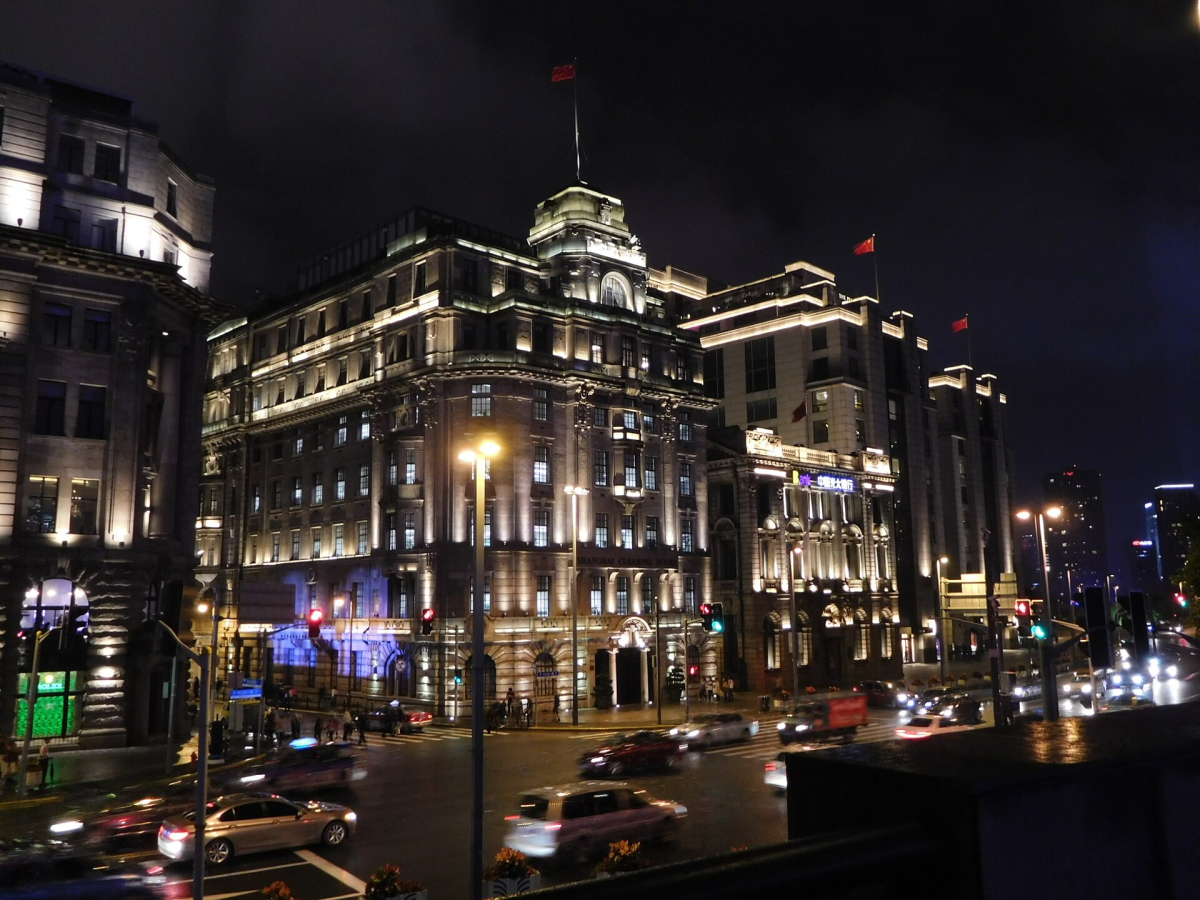
The Bund is useful for two different subjects: the historic Puxi façades and the view across the Huangpu. Decide which is primary. A river panorama that uses a bank building only as an edge is a different photograph from a careful architectural study of that building.
Read the Composition
For architecture, look for a clean relationship between the building’s vertical lines, the neighbouring roofline and the street. Step back within the lawful public space rather than tilting so far upward that the façade becomes difficult to read. For a river image, give the skyline enough space and choose whether boats add scale or distract from the buildings.
Choose the Light
Daylight reveals stone and façade detail; an evening session emphasises the illuminated river. The transition around dusk can balance sky and building light, but cloud, haze and the actual lighting programme determine the result. An old photograph does not establish the current illumination schedule.
Access and a Practical Session
Keep the promenade clear and use marked crossings when moving between river and street. Temporary crowd controls may change the available positions. A long exposure needs a permitted stable position; no blanket tripod permission is claimed. Pair this session with East Nanjing Road rather than adding a distant temple solely for another frame.
Continue with Pudong Skyline, Nanjing Road, History & Culture. The Shanghai photo overview keeps the broader shooting routes together.
Bund FAQs
Should I photograph the buildings or the skyline first?
Choose by the light and the subject you care about. Façade detail benefits from a different framing and timing than a wide view across the river.
Is the Bund described as old Chinese architecture?
Its famous bank and trading façades mainly reflect the treaty-port city and later architectural periods. The old Chinese city around Yuyuan is a different area.

